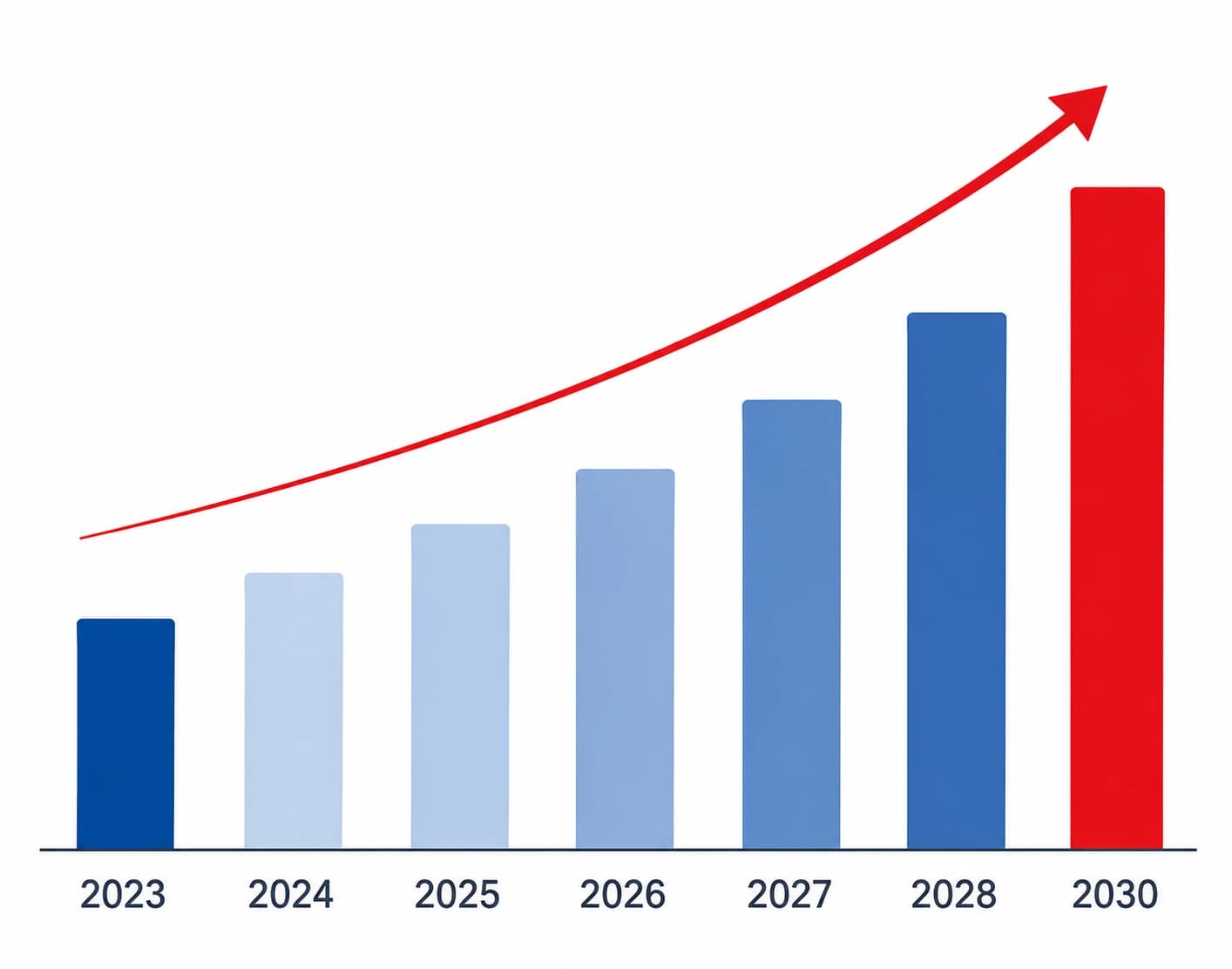
The global Ballistic Steel Plate market was valued at US$ 926 million in 2025 and is anticipated to reach US$ 1205 million by 2032, witnessing a CAGR of 3.9% during the forecast period 2026-2032.
Ballistic Steel Plate is a special steel plate specially designed to resist the impact and penetration of projectiles. It usually has high strength, high hardness and good toughness, and can maintain the integrity and stability of the structure when it is impacted by high-speed projectiles. Bulletproof Steel Plate is widely used in military, security, protection engineering and other fields, such as armored vehicles, bulletproof vests, bulletproof glass and various bulletproof facilities.
With the rapid deployment of army weapons and equipment and the demand for full range mobility, the market has put forward a lightweight demand for ballistic steel plates (armor steel). Countries around the world are developing lightweight armor steel material technology and structural technology.
The continuous upgrading and modernization of military equipment has increased the demand for bulletproof materials. As an important military protective material, the demand for bulletproof steel plates has continued to grow with the replacement of military equipment. The existence of wars and conflicts has made bulletproof steel plates play a vital role in protecting the lives of soldiers and the safety of military facilities.
With the complexity of the social security situation and the frequent terrorist attacks, people's awareness of public safety and personal protection has continued to increase. Bulletproof steel plates are widely used in protective facilities in public places such as banks, government buildings, airports, and railway stations due to their excellent bulletproof performance. The increase in private security needs, such as bulletproof cars and bulletproof houses for high-end people such as wealthy people and politicians, has also promoted the development of the bulletproof steel plate market.
The development of materials science has continuously improved the performance of bulletproof steel plates. By optimizing alloy composition and improving heat treatment processes, the strength, hardness and toughness of bulletproof steel plates can be significantly improved to meet a wider range of application needs. Advances in manufacturing processes, such as the continuous improvement of precision casting, rolling, heat treatment and other technologies, have improved the production efficiency and product quality of bulletproof steel plates, reduced production costs, and further promoted the expansion of the bulletproof steel plate market.
The government has continuously increased its attention to public safety and has introduced a series of policies and regulations to strengthen safety protection measures. The implementation of these policies and regulations has provided a strong policy guarantee for the market development of protective materials such as bulletproof steel plates. The adjustment and optimization of military procurement policies have made it easier for military protective materials such as bulletproof steel plates to obtain government support and procurement orders.
This report aims to provide a comprehensive presentation of the global market for Ballistic Steel Plate, with both quantitative and qualitative analysis, to help readers develop business/growth strategies, assess the market competitive situation, analyze their position in the current marketplace, and make informed business decisions regarding Ballistic Steel Plate.
The Ballistic Steel Plate market size, estimations, and forecasts are provided in terms of sales quantity (Tons) and revenue ($ millions), considering 2025 as the base year, with history and forecast data for the period from 2021 to 2032. This report segments the global Ballistic Steel Plate market comprehensively. Regional market sizes, concerning products by Type, by Application, and by players, are also provided.
For a more in-depth understanding of the market, the report provides profiles of the competitive landscape, key competitors, and their respective market ranks. The report also discusses technological trends and new product developments.
The report will help the Ballistic Steel Plate manufacturers, new entrants, and industry chain related companies in this market with information on the revenues, sales, and average price for the overall market and the sub-segments across the different segments, by company, by Type, by Application, and by regions.
Chapter 1: Introduces the report scope of the report, executive summary of different market segments (by region, product type, application, etc), including the market size of each market segment, future development potential, and so on. It offers a high-level view of the current state of the market and its likely evolution in the short to mid-term, and long term.
Chapter 2: key insights, key emerging trends, etc.
Chapter 3: Manufacturers competitive analysis, detailed analysis of Ballistic Steel Plate manufacturers competitive landscape, price, sales and revenue market share, latest development plan, merger, and acquisition information, etc.
Chapter 4: Provides profiles of key players, introducing the basic situation of the main companies in the market in detail, including product sales, revenue, price, gross margin, product introduction, recent development, etc.
Chapter 5 & 6: Sales, revenue of Ballistic Steel Plate in regional level and country level. It provides a quantitative analysis of the market size and development potential of each region and its main countries and introduces the market development, future development prospects, market space, and market size of each country in the world.
Chapter 7: Provides the analysis of various market segments by Type, covering the market size and development potential of each market segment, to help readers find the blue ocean market in different market segments.
Chapter 8: Provides the analysis of various market segments by Application, covering the market size and development potential of each market segment, to help readers find the blue ocean market in different downstream markets.
Chapter 9: Analysis of industrial chain, including the upstream and downstream of the industry.
Chapter 10: The main points and conclusions of the report.
- ★ What Is The Overall Market Size And Projected Growth Rate Across Global And Regional Segments?
- ★ How Does The Market Size And Growth Outlook Vary Across Major Countries?
- ★ Which Region Or Market Sub-Segment Is Anticipated To Dominate Growth During The Forecast Period?
- ★ What Are The Primary Factors Expected To Drive Market Expansion, And What Challenges May Restrain Growth?
- ★ Which Emerging Technologies And Market Trends Are Shaping The Future Landscape?
- ★ What Are The Most Significant Opportunities Available In The Market?
- ★ Who Are The Leading Manufacturers Actively Participating In The Global Market?
- ★ Which Company Currently Holds The Largest Share Of The Market?
- ★ What Are The Potential Growth Avenues For New Entrants In The Global Market?