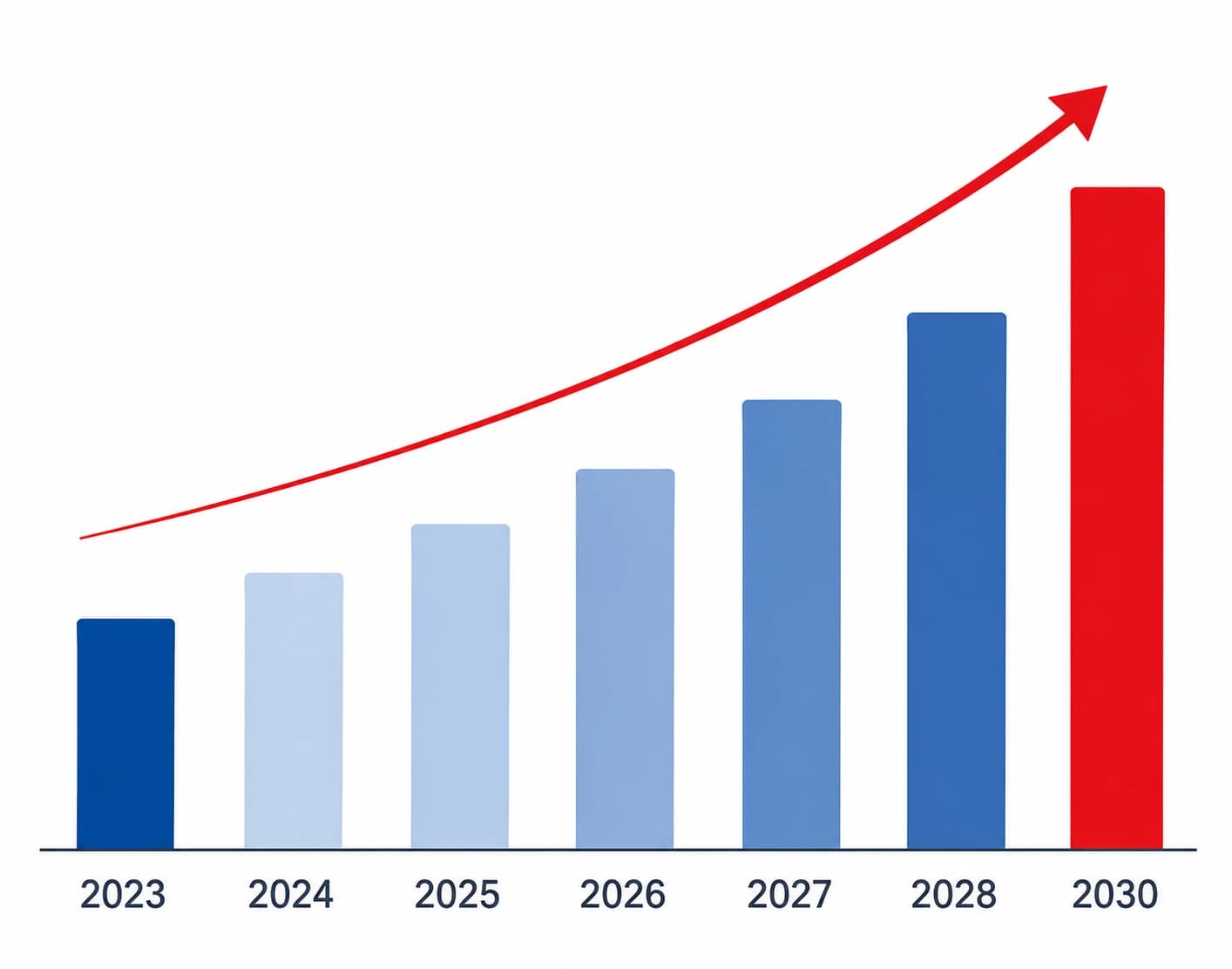
The global market for Immersion Cooling Fluid Testing and Certification Services for Data Centers was estimated to be worth US$ 3.68 million in 2025 and is projected to reach US$ 12.47 million, growing at a CAGR of 18.3% from 2026 to 2032.
Immersion Cooling Fluid Testing and Certification Services for Data Centers refer to specialized third-party laboratory testing, safety evaluation, material compatibility assessment, and product certification services for dielectric cooling fluids used in AI data centers, high-performance computing facilities, and immersion-cooled information technology equipment. These services evaluate the electrical insulation, thermophysical properties, chemical stability, fire safety, and long-term reliability of single-phase and two-phase immersion cooling fluids. Key testing parameters include dielectric breakdown voltage, electrical resistivity, flash point, autoignition temperature, viscosity, density, thermal conductivity, specific heat capacity, oxidation stability, and material compatibility. Specialized evaluation programs also assess interactions between cooling fluids and electronic components, printed circuit boards, seals, polymers, and metallic materials under representative operating conditions. Upstream inputs include dielectric fluid samples, reference chemicals, laboratory instruments, thermal analysis equipment, electrical testing systems, and specialized engineering expertise. Downstream customers include immersion cooling fluid manufacturers, immersion cooling system OEMs, data center operators, and research institutions. Service results support fluid formulation development, product qualification, safety certification, supplier selection, procurement acceptance, and operational condition assessment.
Immersion Cooling Fluid Testing and Certification Services for Data Centers evaluate dielectric properties, thermal performance, chemical stability, fire safety and material compatibility
Immersion Cooling Fluid Testing and Certification Services for Data Centers are delivered through specialized laboratory testing contracts and certification programs
Single-Phase Immersion Cooling Fluids represent an important testing segment covering dielectric strength, oxidation stability, fire safety and material compatibility
UL 2417 provides a dedicated safety evaluation framework for immersion cooling fluids used with information and communication technology equipment
Immersion Cooling Fluid Manufacturers and Immersion Cooling System OEMs are key customers for fluid qualification, compatibility evaluation and product certification
The Immersion Cooling Fluid Testing and Certification Services for Data Centers industry is evolving from conventional fluid property analysis toward comprehensive qualification programs covering electrical safety, thermal performance, material compatibility, chemical stability, and long-term operational reliability. As immersion cooling technologies are adopted in specialized AI computing and high-performance computing environments, fluid selection increasingly requires more than basic dielectric and thermophysical characterization. Manufacturers and equipment integrators are placing greater emphasis on accelerated aging, interaction with electronic materials, contamination control, and verification of fluid performance under representative operating conditions. Standardization is becoming an important industry development direction. UL Solutions introduced dedicated immersion cooling fluid testing and certification services in June 2025, supported by UL 2417, providing a structured framework for evaluating fluid safety characteristics. At the same time, specialized laboratories are expanding their capabilities in dielectric measurements, oxidation stability, material compatibility, and fluid degradation analysis. Testing programs are also becoming more application-oriented, with different evaluation requirements for single-phase hydrocarbon and silicone-based fluids and two-phase dielectric fluids. The long-term industry direction is toward integrated laboratory testing, standardized safety evaluation, compatibility verification, and recurring fluid condition assessment throughout the operational lifecycle of immersion cooling systems.
The increasing thermal management requirements of AI computing infrastructure and high-performance computing equipment are encouraging the development and qualification of immersion cooling technologies. In immersion cooling systems, electronic components operate in direct contact with dielectric cooling fluids, making electrical insulation, chemical stability, and material compatibility essential considerations for equipment reliability. Fluid manufacturers must demonstrate appropriate dielectric strength, thermal characteristics, fire safety performance, and stability before their formulations can be qualified for commercial applications. System OEMs must also evaluate how cooling fluids interact with printed circuit boards, electronic packages, connectors, seals, polymers, and metallic components under operating conditions. These requirements support demand for independent physical, chemical, dielectric, and accelerated aging tests. The introduction of dedicated evaluation frameworks, including UL 2417, further supports structured safety assessment and third-party certification. As equipment manufacturers, fluid suppliers, and data center operators place greater emphasis on product qualification and operational risk management, specialized testing and certification services are becoming an increasingly relevant component of the immersion cooling supply chain.
The development of the market is constrained by the relatively limited installed base of commercial immersion cooling systems compared with established air cooling and direct-to-chip liquid cooling technologies. The adoption of immersion cooling remains dependent on customer-specific infrastructure requirements, server compatibility, maintenance practices, fluid economics, and the availability of qualified service ecosystems. Some major coolant manufacturers and large equipment suppliers possess internal laboratory capabilities, reducing their reliance on independent testing for routine formulation screening and quality control. In addition, different fluid chemistries require different testing procedures, instruments, safety assessments, and compatibility evaluations, limiting the standardization of service packages and contract pricing. Comprehensive aging and materials testing may involve extended test cycles, specialized equipment, and substantial technical expertise, increasing the cost of qualification programs. The relatively small number of commercially deployed fluid formulations can also limit recurring certification activity. These factors make market development closely dependent on the commercialization pace of immersion cooling technologies and customers' willingness to purchase independent validation services.
Market opportunities are emerging in advanced dielectric fluid qualification, long-term material compatibility assessment, and the development of comprehensive testing programs for next-generation immersion cooling formulations. Single-phase immersion cooling fluids based on synthetic hydrocarbons, mineral oils, and silicone-based chemistries require extensive evaluation of electrical insulation, thermal characteristics, oxidative stability, and interactions with server components. New formulations and revised additive systems can generate additional qualification requirements as manufacturers seek improved performance, material compatibility, and operational durability. Two-phase immersion cooling fluids create specialized opportunities involving phase-change characteristics, vapor pressure, thermal behavior, chemical stability, and environmental performance. Testing laboratories can also expand into component-level compatibility programs covering elastomers, cable insulation, electronic packaging materials, adhesives, and printed circuit board assemblies. Beyond new product qualification, the operation of immersion-cooled facilities creates opportunities for periodic fluid sampling, degradation analysis, contamination identification, and condition monitoring. Service providers capable of integrating dielectric testing, chemical analysis, accelerated aging, compatibility evaluation, and recognized certification pathways can provide higher-value testing programs to fluid suppliers, equipment OEMs, and data center operators.
The market faces challenges associated with evolving technical standards, diverse immersion fluid chemistries, complex material interactions, and the difficulty of reproducing long-term operating conditions in laboratory environments. Fluid safety and performance cannot be assessed through a single test parameter, because dielectric strength, fire behavior, heat transfer characteristics, oxidation resistance, and material compatibility may respond differently to temperature, contamination, moisture, and prolonged operation. Accelerated aging programs must therefore be designed carefully to ensure that laboratory results provide meaningful evidence of field reliability. Testing institutions must also maintain appropriate instrumentation, qualified personnel, method validation, and laboratory quality management systems. The certification process introduces additional requirements for technical documentation, reproducibility, product identification, and conformity assessment. Changing environmental expectations and the evolving supply of fluorinated and non-fluorinated dielectric fluids may require laboratories to update their testing capabilities and analytical methods. Competition from internal manufacturer laboratories and broader industrial testing providers can also create pricing pressure. Long-term competitiveness will depend on technical credibility, consistency of test results, recognized qualifications, and the ability to support new fluid formulations and applications.
The value chain of Immersion Cooling Fluid Testing and Certification Services for Data Centers comprises upstream laboratory equipment and materials suppliers, midstream independent testing and certification organizations, and downstream immersion cooling fluid manufacturers, system OEMs, data center operators, and research institutions. Upstream suppliers provide dielectric testing equipment, thermal analysis instruments, chromatography systems, viscosity and density measurement instruments, environmental chambers, reference materials, and laboratory consumables. The midstream segment includes accredited testing laboratories, specialized materials evaluation companies, independent research organizations, and certification bodies. Their activities encompass sample preparation, test planning, physical and chemical analysis, dielectric performance assessment, thermal characterization, accelerated aging, material compatibility evaluation, technical reporting, and product certification. Downstream customers use these results to support formulation development, equipment qualification, procurement decisions, safety verification, and operational quality management.
Value creation is primarily derived from specialized technical expertise, reliable analytical results, laboratory accreditation, recognized certification capabilities, and the ability to evaluate complex interactions between dielectric fluids and electronic materials. Routine physical and chemical testing is generally priced according to selected parameters, sample quantities, and analytical complexity, while comprehensive compatibility evaluation and certification programs are typically organized around project-specific testing scopes. The principal cost components include laboratory personnel, specialized instrumentation, equipment depreciation, reference materials, sample preparation, analytical consumables, quality management, and technical reporting. More complex testing programs may involve accelerated aging, repeated measurements, material examinations, and additional validation procedures, increasing both technical requirements and contract value. Laboratories with comprehensive testing capabilities and established customer relationships can improve operational efficiency by combining multiple evaluations within coordinated qualification programs. Recurring fluid condition testing and product reformulation activities provide additional opportunities for customer retention and repeat service revenue.
By service type, Immersion Cooling Fluid Testing and Certification Services for Data Centers are divided into Physical, Chemical and Dielectric Testing; Material Compatibility and Aging Testing; and Safety and Compliance Certification. Physical, Chemical and Dielectric Testing forms the foundation of fluid performance characterization, covering parameters such as viscosity, density, dielectric breakdown voltage, electrical resistivity, thermal properties, flash point, and oxidation stability. These tests are commonly required during formulation development, supplier qualification, and product acceptance. Material Compatibility and Aging Testing evaluates the effects of immersion fluids on electronic components, seals, polymers, adhesives, metals, and other materials exposed to cooling liquids. Typical evaluation methods include controlled immersion, accelerated thermal aging, dimensional change assessment, mechanical property retention, fluid degradation analysis, and examination of material interactions. Such programs are particularly important for server OEMs and immersion cooling equipment manufacturers seeking to establish long-term equipment reliability.
Safety and Compliance Certification represents a more specialized service segment involving evaluation against applicable product safety requirements and recognized certification frameworks. UL 2417 provides a dedicated framework for immersion cooling fluid safety evaluation, including important characteristics such as flash point, autoignition temperature, and dielectric breakdown voltage. Certification services carry greater technical and procedural requirements than routine laboratory testing and can support customer qualification and international market access. By cooling fluid technology, Single-Phase Immersion Cooling Fluids represent an important testing category covering mineral oil, synthetic hydrocarbon, silicone-based, and other single-phase dielectric formulations. Two-Phase Immersion Cooling Fluids require additional evaluation of phase-change behavior, vapor pressure, fluid volatility, thermal stability, and chemical characteristics. As customers increasingly require comprehensive evidence of fluid performance and compatibility, specialized material evaluation and integrated certification programs offer opportunities for higher-value testing contracts and differentiated laboratory services.
Downstream Market Opportunities
Immersion Cooling Fluid Manufacturers represent a central downstream customer group for Immersion Cooling Fluid Testing and Certification Services for Data Centers. These companies require independent analysis during formulation development, performance optimization, production quality verification, and commercial product qualification. Testing requirements generally involve dielectric strength, thermophysical properties, chemical stability, fire safety, and compatibility with electronic materials. Manufacturers developing new formulations or modifying existing products may require additional accelerated aging and certification programs to demonstrate suitability for specific immersion cooling applications. Immersion Cooling System OEMs represent another important customer segment because they must evaluate the compatibility of cooling fluids with immersion tanks, servers, electronic assemblies, seals, piping materials, and other system components. Their purchasing decisions emphasize reproducible testing results, representative operating conditions, recognized testing methods, and clear documentation supporting equipment qualification and customer acceptance.
Data Center Operators generate additional demand through coolant procurement verification, system commissioning, operational quality assessment, and investigation of fluid degradation or contamination. These customers are particularly concerned with maintaining cooling system reliability, protecting valuable computing hardware, and reducing the risk of fluid-related operational failures. Testing services can support periodic sampling, dielectric performance monitoring, chemical condition assessment, and root-cause analysis when abnormal fluid conditions occur. Research and Testing Institutions also represent a specialized downstream application, particularly for the development of new dielectric fluids, comparative technology evaluation, and investigation of long-term material interactions. Across these customer groups, growth opportunities are associated with new fluid formulations, equipment qualification requirements, expanded compatibility testing, and recurring fluid condition assessments. Laboratories offering integrated physical, chemical, dielectric, and material reliability testing can strengthen their commercial positions by providing comprehensive qualification services tailored to different cooling technologies and customer requirements.
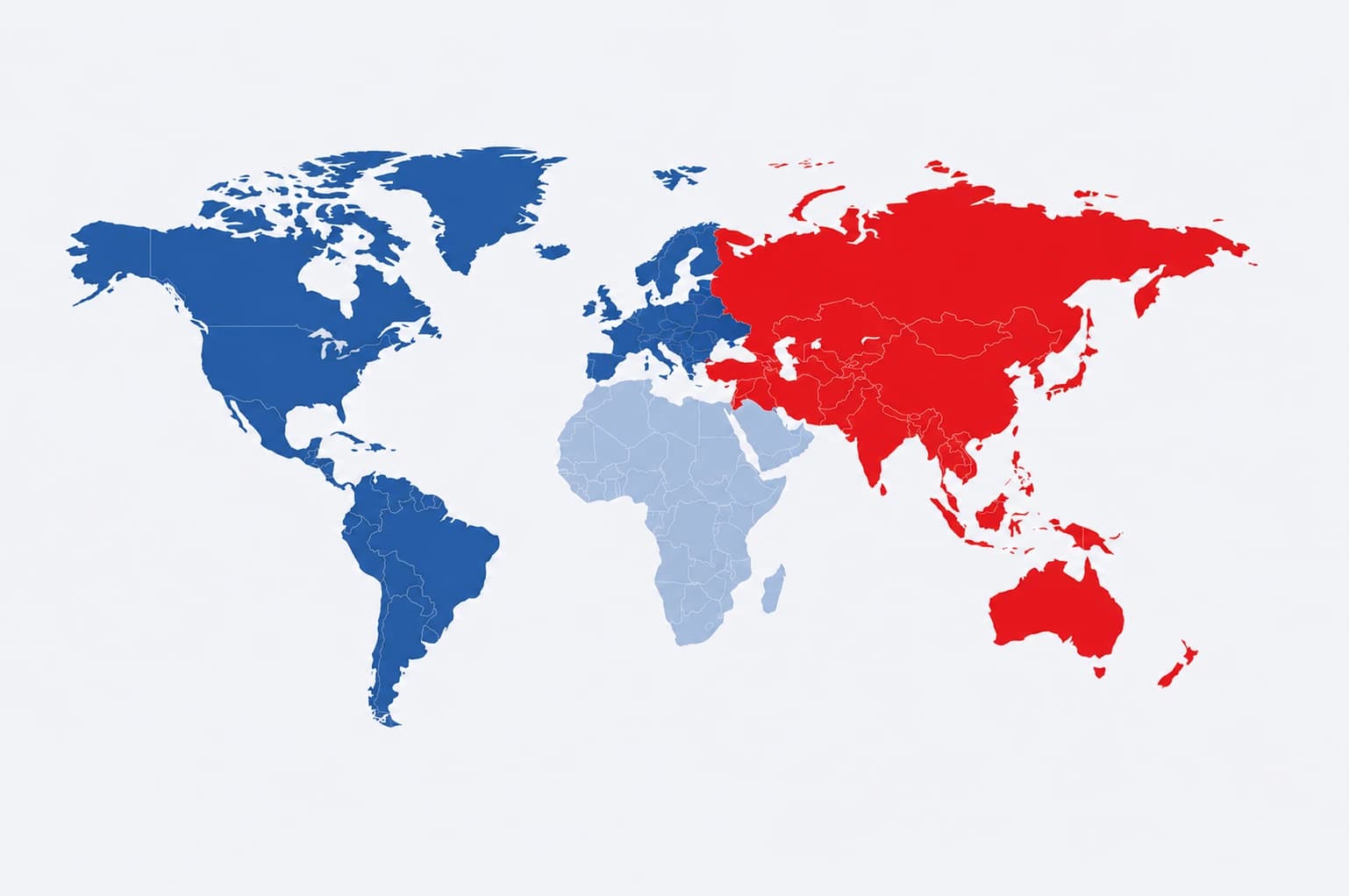
North America is an important regional market for Immersion Cooling Fluid Testing and Certification Services for Data Centers, supported by advanced data center infrastructure, AI computing investment, specialized research institutions, and established independent testing and certification capabilities. The United States hosts major industry participants including UL Solutions and Southwest Research Institute, which provide immersion cooling fluid safety evaluation, testing, and specialized research services. The launch of UL Solutions' immersion cooling fluid certification program in June 2025 marked an important development in the formalization of safety assessment for this emerging technology. Europe also represents an important regional service market, supported by established certification organizations, industrial materials laboratories, and data center engineering expertise. SGS, Bureau Veritas, Intertek Group, and Element Materials Technology participate in related testing, analytical, compatibility evaluation, and certification activities through their laboratory networks and specialized technical capabilities.
The Asia-Pacific region is developing testing and qualification capabilities alongside the expansion of liquid cooling technologies and advanced computing infrastructure. China has an established industrial testing and certification services industry, with SGS offering dedicated data center cooling fluid testing covering mineral oils, synthetic oils, silicone-based fluids, and fluorinated liquids. Domestic testing organizations also participate in relevant physical and chemical analysis, although specialized immersion cooling certification services are at an earlier stage of development. In Japan, JFE Techno-Research provides materials immersion and durability evaluation capabilities relevant to fluid compatibility assessment, while industry initiatives are contributing to the development of immersion cooling fluid evaluation practices. Other regional opportunities will depend on the commercialization of immersion cooling projects, the establishment of local laboratory capabilities, and customer demand for internationally recognized test results. Regional competitive advantages are primarily associated with technical expertise, laboratory accreditation, certification recognition, testing infrastructure, and proximity to coolant manufacturers and equipment OEMs.
This report provides a comprehensive view of the global market for Immersion Cooling Fluid Testing and Certification Services for Data Centers, covering total sales revenue, the market share and ranking of key companies, along with analyses by region & country, by Type, and by Application.
The Immersion Cooling Fluid Testing and Certification Services for Data Centers market size, estimations, and forecasts are presented in terms of sales revenue ($ millions), with 2025 as the base year and historical and forecast data from 2021 to 2032. The report combines quantitative and qualitative analysis to help readers develop growth strategies, assess the competitive landscape, evaluate their position in the current marketplace, and make informed business decisions regarding Immersion Cooling Fluid Testing and Certification Services for Data Centers.
Chapter 1: Introduces the scope of the report and the global market size (value). It also summarizes market dynamics and recent developments; identifies key drivers and restraints; outlines challenges and risks for players; reviews relevant industry policies.
Chapter 2: Provides a detailed analysis of the Immersion Cooling Fluid Testing and Certification Services for Data Centers companies' competitive landscape—including revenue shares, recent development plans, and mergers and acquisitions (M&A).
Chapter 3: Analyzes market segmentation by Type, presenting the size and growth potential of each segment to help readers identify blue-ocean opportunities.
Chapter 4: Analyzes market segmentation by Application, presenting the size and growth potential of each downstream segment to help readers identify blue-ocean opportunities.
Chapter 5: Presents Immersion Cooling Fluid Testing and Certification Services for Data Centers revenue at the regional level. It offers a quantitative assessment of market size and growth potential by region and summarizes market development, future prospects, addressable space, and country-level market size worldwide.
Chapter 6: Presents Immersion Cooling Fluid Testing and Certification Services for Data Centers revenue at the country level. It provides segmented data by Type and by Application for each country/region.
Chapter 7: Profiles key players, detailing the main companies' product revenue, gross margin, product portfolios, recent developments, etc.
Chapter 8: Analysis of Value Chain, including the upstream and downstream of the industry.
- ★ What Is The Overall Market Size And Projected Growth Rate Across Global And Regional Segments?
- ★ How Does The Market Size And Growth Outlook Vary Across Major Countries?
- ★ Which Region Or Market Sub-Segment Is Anticipated To Dominate Growth During The Forecast Period?
- ★ What Are The Primary Factors Expected To Drive Market Expansion, And What Challenges May Restrain Growth?
- ★ Which Emerging Technologies And Market Trends Are Shaping The Future Landscape?
- ★ What Are The Most Significant Opportunities Available In The Market?
- ★ Who Are The Leading Manufacturers Actively Participating In The Global Market?
- ★ Which Company Currently Holds The Largest Share Of The Market?
- ★ What Are The Potential Growth Avenues For New Entrants In The Global Market?