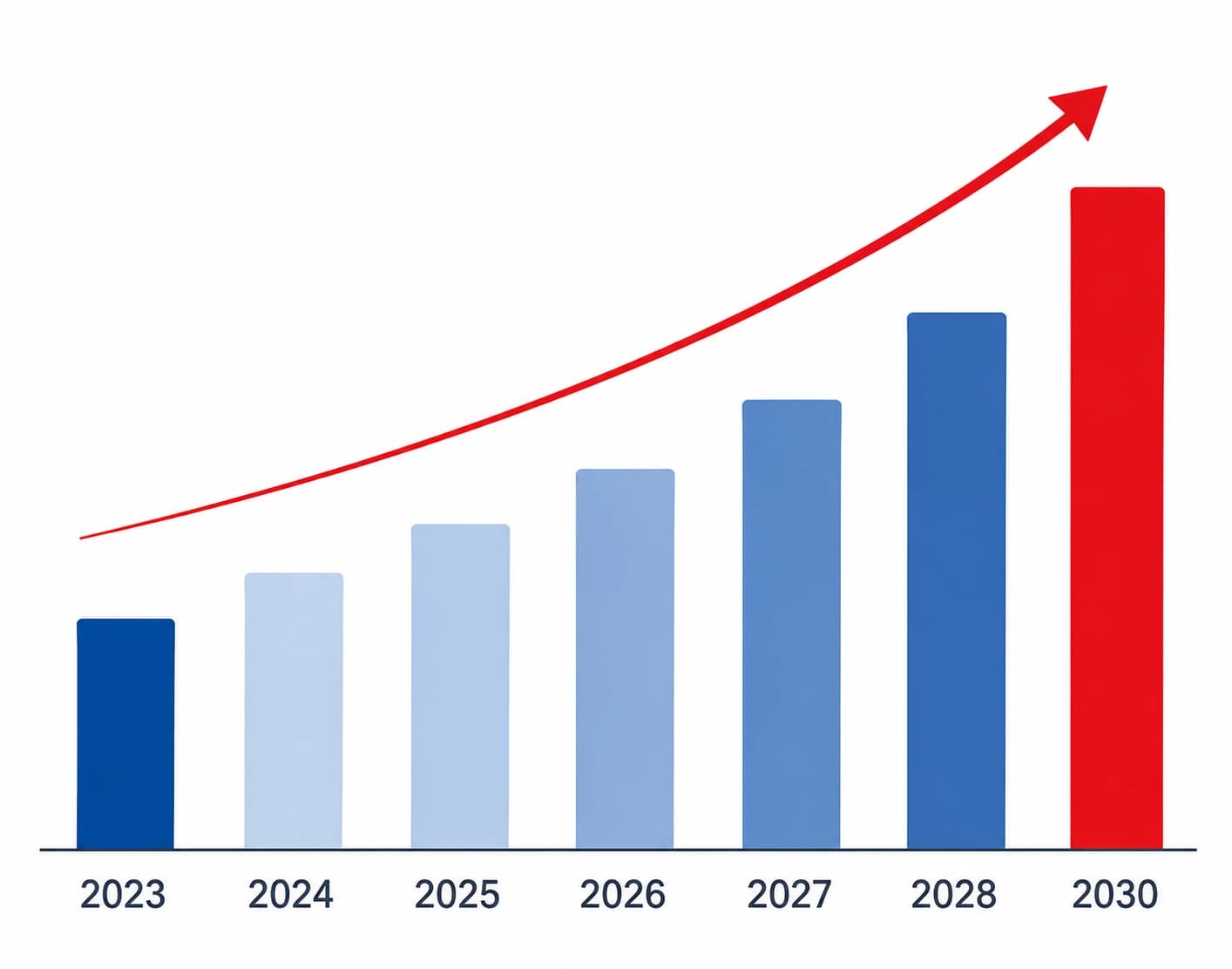
The global Clean Methanol (Green Methanol and Blue Methanol) market was valued at US$ 665 million in 2025 and is anticipated to reach US$ 6338 million by 2032, witnessing a CAGR of 38.0% during the forecast period 2026-2032.
Clean methanol is an umbrella term covering green methanol and blue methanol whose lifecycle greenhouse gas emissions are materially lower than those of conventional coal-based or natural-gas-based methanol. Green methanol includes bio-methanol produced from sustainable biomass, biogas, biomethane and organic waste, as well as e-methanol synthesized from renewable hydrogen and biogenic or direct-air-captured carbon dioxide.
Blue methanol is generally produced through natural gas reforming or a blue-hydrogen pathway combined with high-rate carbon capture and permanent geological storage. Methanol produced through these pathways is chemically and functionally equivalent to conventional methanol. Its commercial differentiation is determined primarily by feedstock origin, lifecycle carbon intensity, carbon capture rate, upstream methane leakage, traceability, certification and the resulting price premium.
In 2025, global shipments of Clean Methanol (Green Methanol and Blue Methanol) are estimated at 700,000 tons, with a price of approximately US$950 per ton and a gross margin of approximately 15% to 30%.
Clean Methanol Enters The Stage Of Commercial Scale-Up And Carbon-Attribute Competition
The global clean methanol market is moving from demonstration facilities toward commercial-scale supply, long-term procurement and dedicated port-fuel infrastructure. Shipping represents the clearest source of incremental demand. Methanol is liquid under ambient conditions, benefits from established storage and transportation technologies and can use modified portions of existing liquid-fuel infrastructure. As methanol-capable vessels enter service and European maritime regulations, corporate Scope 3 targets and green shipping corridors advance, shipowners, fuel suppliers and port operators are increasingly using long-term offtake agreements to secure bio-methanol and e-methanol. Chemical producers are also beginning to substitute certified clean methanol for fossil methanol to reduce the product carbon footprint of formaldehyde, acetic acid, olefins, resins, coatings and engineering plastics.
Near-term supply will remain dominated by bio-methanol. Introducing biomethane into existing natural-gas-based methanol facilities can reduce incremental capital requirements and enable relatively rapid commercial supply. Agricultural and forestry residue gasification offers broad feedstock availability and potentially high emission reductions but faces constraints related to collection radius, seasonal supply, moisture content and gasifier reliability. E-methanol has greater long-term scaling potential, but its economics depend heavily on low-cost renewable electricity, high electrolyser utilization and reliable sustainable carbon dioxide sources. Blue methanol can leverage established large-scale natural-gas-based methanol infrastructure and may offer lower costs and faster capacity additions, but its environmental performance depends on actual capture rates, permanent storage integrity and control of upstream methane leakage rather than the blue label alone.
The largest industry risk is the substantial gap between announced capacity and commercially operating production. Most projects remain at the concept, feasibility, permitting or financing stage. Their commercialization will depend on the simultaneous availability of premium long-term offtake, policy support, sustainable feedstocks and project finance. Competition will therefore shift from announced capacity toward verified lifecycle carbon intensity, traceability, continuous supply capability, port logistics and long-term production costs. Companies able to integrate sustainable carbon sources, renewable power or competitive natural gas, conversion technology, certification and binding offtake agreements will be better positioned to secure financing and retain a durable price premium.
This report aims to provide a comprehensive presentation of the global market for Clean Methanol (Green Methanol and Blue Methanol), with both quantitative and qualitative analysis, to help readers develop business/growth strategies, assess the market competitive situation, analyze their position in the current marketplace, and make informed business decisions regarding Clean Methanol (Green Methanol and Blue Methanol).
The Clean Methanol (Green Methanol and Blue Methanol) market size, estimations, and forecasts are provided in terms of sales quantity (Kilotons) and revenue ($ millions), considering 2025 as the base year, with history and forecast data for the period from 2021 to 2032. This report segments the global Clean Methanol (Green Methanol and Blue Methanol) market comprehensively. Regional market sizes, concerning products by Type, by Application, and by players, are also provided.
For a more in-depth understanding of the market, the report provides profiles of the competitive landscape, key competitors, and their respective market ranks. The report also discusses technological trends and new product developments.
The report will help the Clean Methanol (Green Methanol and Blue Methanol) manufacturers, new entrants, and industry chain related companies in this market with information on the revenues, sales, and average price for the overall market and the sub-segments across the different segments, by company, by Type, by Application, and by regions.
Chapter 1: Introduces the report scope of the report, executive summary of different market segments (by region, product type, application, etc), including the market size of each market segment, future development potential, and so on. It offers a high-level view of the current state of the market and its likely evolution in the short to mid-term, and long term.
Chapter 2: key insights, key emerging trends, etc.
Chapter 3: Manufacturers competitive analysis, detailed analysis of Clean Methanol (Green Methanol and Blue Methanol) manufacturers competitive landscape, price, sales and revenue market share, latest development plan, merger, and acquisition information, etc.
Chapter 4: Provides profiles of key players, introducing the basic situation of the main companies in the market in detail, including product sales, revenue, price, gross margin, product introduction, recent development, etc.
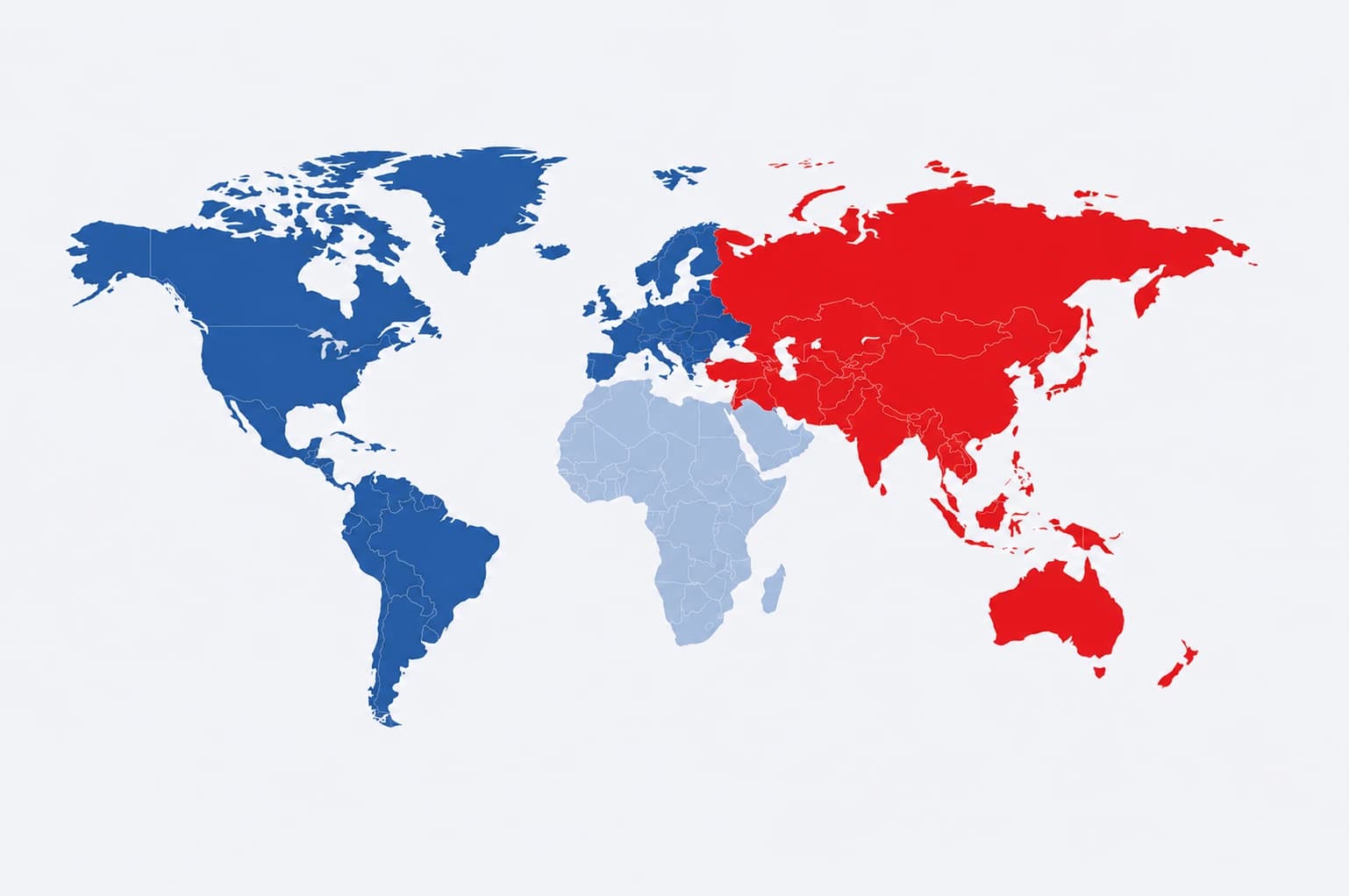
Chapter 5 & 6: Sales, revenue of Clean Methanol (Green Methanol and Blue Methanol) in regional level and country level. It provides a quantitative analysis of the market size and development potential of each region and its main countries and introduces the market development, future development prospects, market space, and market size of each country in the world.
Chapter 7: Provides the analysis of various market segments by Type, covering the market size and development potential of each market segment, to help readers find the blue ocean market in different market segments.
Chapter 8: Provides the analysis of various market segments by Application, covering the market size and development potential of each market segment, to help readers find the blue ocean market in different downstream markets.
Chapter 9: Analysis of industrial chain, including the upstream and downstream of the industry.
Chapter 10: The main points and conclusions of the report.
- ★ What Is The Overall Market Size And Projected Growth Rate Across Global And Regional Segments?
- ★ How Does The Market Size And Growth Outlook Vary Across Major Countries?
- ★ Which Region Or Market Sub-Segment Is Anticipated To Dominate Growth During The Forecast Period?
- ★ What Are The Primary Factors Expected To Drive Market Expansion, And What Challenges May Restrain Growth?
- ★ Which Emerging Technologies And Market Trends Are Shaping The Future Landscape?
- ★ What Are The Most Significant Opportunities Available In The Market?
- ★ Who Are The Leading Manufacturers Actively Participating In The Global Market?
- ★ Which Company Currently Holds The Largest Share Of The Market?
- ★ What Are The Potential Growth Avenues For New Entrants In The Global Market?