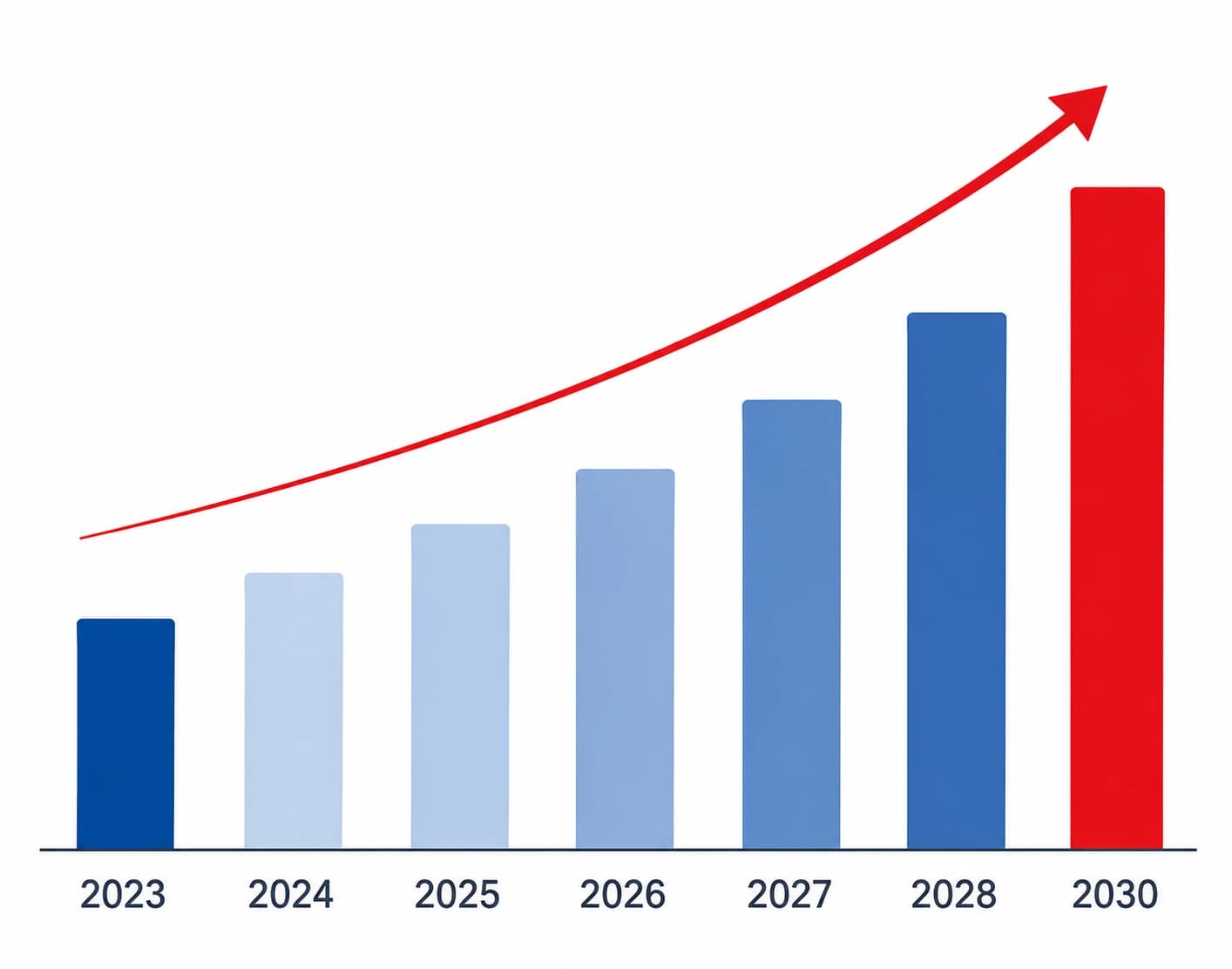
The global Battery Grade Anhydrous Iron Phosphate market was valued at US$ 4724 million in 2025 and is anticipated to reach US$ 10061 million by 2032, witnessing a CAGR of 11.3% during the forecast period 2026-2032.
Battery Grade Anhydrous Iron Phosphate (FePO₄) is a high-purity inorganic compound used primarily as a precursor for lithium iron phosphate (LiFePO₄), a cathode material in lithium-ion batteries for electric vehicles and energy storage systems. It is characterized by high purity (>99.5%), uniform particle size distribution, low impurity content (especially low levels of sodium, sulfate, and heavy metals), and controlled morphology, ensuring the electrochemical performance, energy density, and cycling stability of the LFP cathode material . The upstream segment includes raw material suppliers of phosphorus sources (phosphoric acid, monoammonium phosphate) and iron sources (ferrous sulfate, iron powder), as well as specialized purification equipment providers. The midstream segment comprises battery grade anhydrous iron phosphate manufacturers who convert raw materials through precipitation, crystallization, filtration, drying, and calcination processes into the final product. The downstream segment includes LFP cathode material producers, battery cell manufacturers, and end-users in the electric vehicle (EV) and energy storage system (ESS) industries . The average ex-factory price for battery grade anhydrous iron phosphate is US$ 1,488 per ton, with global sales volume reaching 3,175 thousand tons in 2025. Industry gross margins typically range between 8% and 18%, reflecting intense competition and downstream price pressure.
The global battery grade anhydrous iron phosphate market is experiencing rapid transformation driven by the explosive growth of the lithium iron phosphate (LFP) battery sector. As LFP batteries gain market share over nickel-cobalt-manganese (NCM) chemistries—particularly in electric vehicles and grid-scale energy storage—the demand for high-purity iron phosphate precursors has surged correspondingly. A key trend reshaping the industry is the accelerating upstream integration by manufacturers. With persistent margin pressures across the supply chain, major players are consolidating their operations by securing raw material sources to control costs and improve profitability. Concurrently, the market is witnessing a pronounced shift toward higher-performance products, specifically high-compaction LFP cathode materials, which demand iron phosphate precursors with optimized morphology, controlled particle size distribution, and superior electrochemical properties. This technological evolution is creating price differentiation among suppliers, with premium-grade products commanding higher margins. Another notable development is the rapid capacity expansion across major producing regions, which has intensified competition and kept average selling prices under pressure. The market is also benefiting from sustained downstream demand growth, driven by both rising electric vehicle adoption and accelerating energy storage infrastructure deployments. Industry analysts expect the current high-growth trajectory to continue over the medium term, as battery technologies advance and end-market applications diversify. Lastly, sustainability considerations are increasingly influencing production processes, with manufacturers investing in recycling technologies and waste heat recovery systems to reduce the carbon footprint of iron phosphate production.
This report aims to provide a comprehensive presentation of the global market for Battery Grade Anhydrous Iron Phosphate, with both quantitative and qualitative analysis, to help readers develop business/growth strategies, assess the market competitive situation, analyze their position in the current marketplace, and make informed business decisions regarding Battery Grade Anhydrous Iron Phosphate.
The Battery Grade Anhydrous Iron Phosphate market size, estimations, and forecasts are provided in terms of sales quantity (Kilotons) and revenue ($ millions), considering 2025 as the base year, with history and forecast data for the period from 2021 to 2032. This report segments the global Battery Grade Anhydrous Iron Phosphate market comprehensively. Regional market sizes, concerning products by Type, by Application, and by players, are also provided.
For a more in-depth understanding of the market, the report provides profiles of the competitive landscape, key competitors, and their respective market ranks. The report also discusses technological trends and new product developments.
The report will help the Battery Grade Anhydrous Iron Phosphate manufacturers, new entrants, and industry chain related companies in this market with information on the revenues, sales, and average price for the overall market and the sub-segments across the different segments, by company, by Type, by Application, and by regions.
Chapter 1: Introduces the report scope of the report, executive summary of different market segments (by region, product type, application, etc), including the market size of each market segment, future development potential, and so on. It offers a high-level view of the current state of the market and its likely evolution in the short to mid-term, and long term.
Chapter 2: key insights, key emerging trends, etc.
Chapter 3: Manufacturers competitive analysis, detailed analysis of Battery Grade Anhydrous Iron Phosphate manufacturers competitive landscape, price, sales and revenue market share, latest development plan, merger, and acquisition information, etc.
Chapter 4: Provides profiles of key players, introducing the basic situation of the main companies in the market in detail, including product sales, revenue, price, gross margin, product introduction, recent development, etc.
Chapter 5 & 6: Sales, revenue of Battery Grade Anhydrous Iron Phosphate in regional level and country level. It provides a quantitative analysis of the market size and development potential of each region and its main countries and introduces the market development, future development prospects, market space, and market size of each country in the world.
Chapter 7: Provides the analysis of various market segments by Type, covering the market size and development potential of each market segment, to help readers find the blue ocean market in different market segments.
Chapter 8: Provides the analysis of various market segments by Application, covering the market size and development potential of each market segment, to help readers find the blue ocean market in different downstream markets.
Chapter 9: Analysis of industrial chain, including the upstream and downstream of the industry.
Chapter 10: The main points and conclusions of the report.
- ★ What Is The Overall Market Size And Projected Growth Rate Across Global And Regional Segments?
- ★ How Does The Market Size And Growth Outlook Vary Across Major Countries?
- ★ Which Region Or Market Sub-Segment Is Anticipated To Dominate Growth During The Forecast Period?
- ★ What Are The Primary Factors Expected To Drive Market Expansion, And What Challenges May Restrain Growth?
- ★ Which Emerging Technologies And Market Trends Are Shaping The Future Landscape?
- ★ What Are The Most Significant Opportunities Available In The Market?
- ★ Who Are The Leading Manufacturers Actively Participating In The Global Market?
- ★ Which Company Currently Holds The Largest Share Of The Market?
- ★ What Are The Potential Growth Avenues For New Entrants In The Global Market?