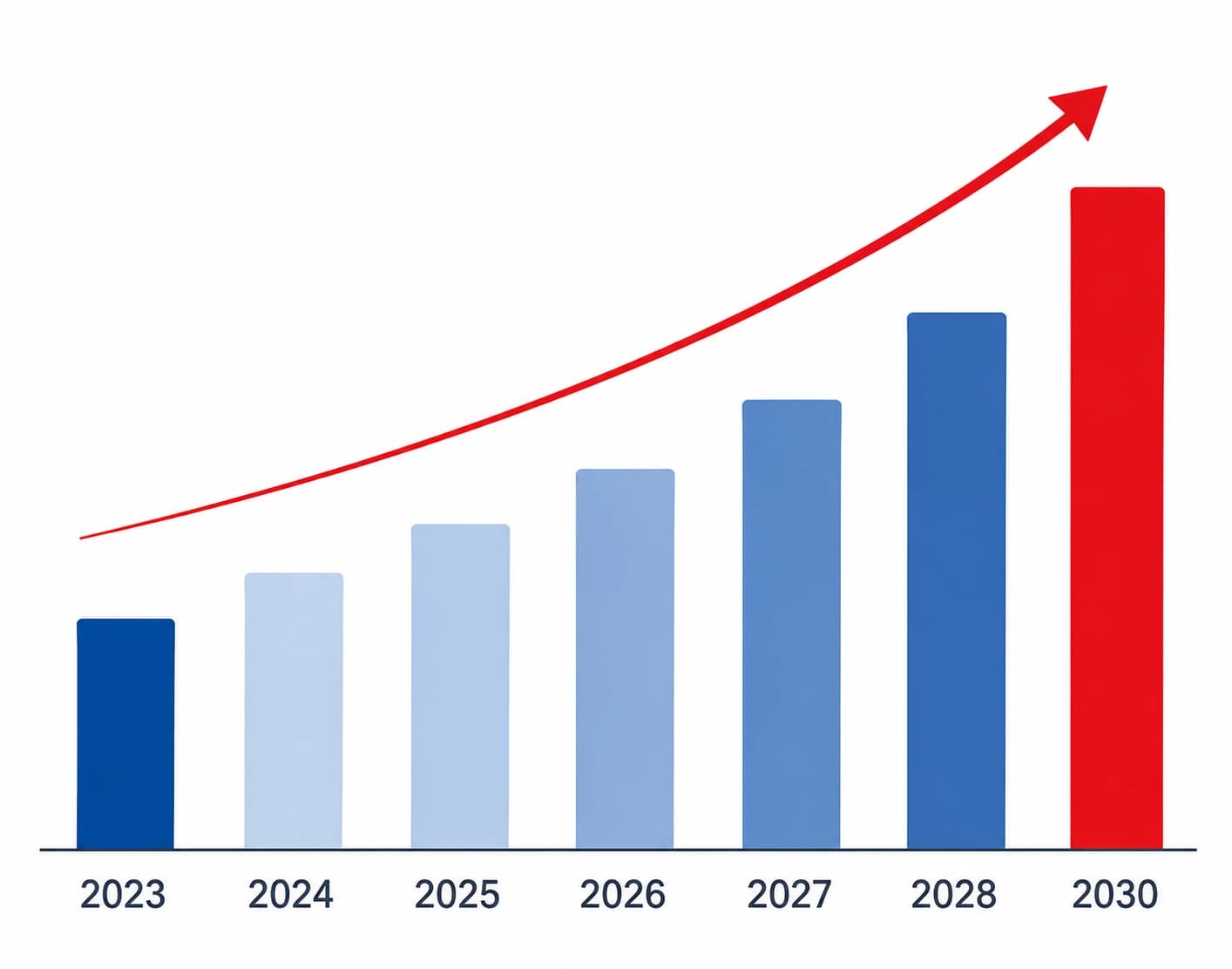
The global Dental Restorative Materials market was valued at US$ 5632 million in 2025 and is anticipated to reach US$ 8546 million by 2032, witnessing a CAGR of 6.2% during the forecast period 2026-2032.
Dental restorative materials are specialized medical materials used to restore the morphology, function, structural integrity, and esthetics of oral tissues damaged by dental caries, tooth wear, trauma, developmental abnormalities, or tooth loss. They primarily cover two technical pathways: direct and indirect restoration. Direct restorative materials, including resin composites, glass ionomer cements, resin-modified glass ionomers, liners, and bases, are generally shaped and cured directly in the patient’s mouth. Indirect restorative materials include dental ceramics, zirconia, resin-ceramic hybrids, metal alloys, and denture base materials used to fabricate inlays, onlays, veneers, crowns, bridges, and removable dentures. In a broader commercial context, the category also includes bonding agents, etchants, resin cements, temporary restorative materials, and surface treatment products. Key performance requirements include biocompatibility, bond strength, wear resistance, mechanical durability, color stability, marginal integrity, handling efficiency, and long-term clinical reliability. The industry represents an important intersection of materials science, dentistry, digital manufacturing, and esthetic treatment.The average gross profit margin of this product is 73%.
The aging global population, wider adoption of tooth-preserving dentistry, and increasing awareness of oral health and facial esthetics are expanding demand for restorative and reconstructive dental procedures. Dental caries, tooth wear, cracked teeth, and the replacement of aging restorations create recurring clinical needs, giving restorative materials a resilient consumable-market profile. At the same time, dental care is evolving from basic pain relief and functional recovery toward minimally invasive, comfortable, personalized, and highly esthetic treatment. This transition supports greater adoption of advanced composites, all-ceramic materials, universal adhesive systems, and high-strength resin cements. The development of intraoral scanning, computer-aided design and manufacturing, chairside processing, and additive manufacturing is also reshaping product formats and clinical delivery models. As a result, leading suppliers are increasingly moving beyond individual materials toward integrated solutions covering diagnosis, design, fabrication, bonding, finishing, and long-term maintenance.
Because dental restorative materials are placed in the oral cavity and must withstand prolonged mechanical, chemical, and biological stresses, they are subject to demanding requirements for safety, strength, stability, and clinical evidence. Product development, regulatory registration, quality assurance, and post-market surveillance can therefore require significant technical and organizational resources. Differences among national regulations regarding device classification, chemical composition, labeling, and clinical evaluation further increase the cost of international commercialization. Competitive pressure comes from established global brands, regional manufacturers, and lower-priced alternatives, while product commoditization may weaken pricing power in basic material categories. Supply fluctuations affecting petrochemical derivatives, specialty chemicals, precious metals, and high-purity inorganic powders may also influence manufacturing costs and delivery reliability. Moreover, clinical outcomes depend not only on material performance but also on tooth preparation, moisture control, bonding protocols, curing conditions, and operator technique, creating additional variability and potential reputational risk.
Downstream customers are shifting from purchasing individual materials toward selecting integrated restorative solutions organized around clinical indications and standardized workflows. Dental hospitals, hospital dental departments, and large clinic chains increasingly emphasize material compatibility, procedural consistency, professional education, and connectivity with digital equipment. Smaller practices place greater value on ease of use, broad indication coverage, reduced technique sensitivity, and efficient inventory management. In direct restoration, product development is moving toward universal shades, lower polymerization shrinkage, higher strength, faster curing, and bulk-fill procedures. Indirect restoration continues to favor metal-free solutions, improved translucency, high-strength thin restorations, and immediate or same-day treatment. Patient preferences for natural appearance, minimally invasive procedures, and fewer clinical visits will further support chairside and same-day restorative materials. Growing demand in geriatric dentistry, pediatric dentistry, root-caries treatment, and the care of medically complex patients will also create opportunities for materials with fluoride release, bioactivity, antibacterial potential, and improved performance in moist environments.
This report aims to provide a comprehensive presentation of the global market for Dental Restorative Materials, with both quantitative and qualitative analysis, to help readers develop business/growth strategies, assess the market competitive situation, analyze their position in the current marketplace, and make informed business decisions regarding Dental Restorative Materials.
The Dental Restorative Materials market size, estimations, and forecasts are provided in terms of revenue ($ millions), considering 2025 as the base year, with history and forecast data for the period from 2021 to 2032. This report segments the global Dental Restorative Materials market comprehensively. Regional market sizes, concerning products by Type, by Application, and by players, are also provided.
For a more in-depth understanding of the market, the report provides profiles of the competitive landscape, key competitors, and their respective market ranks. The report also discusses technological trends and new product developments.
The report will help the Dental Restorative Materials manufacturers, new entrants, and industry chain related companies in this market with information on the revenues for the overall market and the sub-segments across the different segments, by company, by Type, by Application, and by regions.
Chapter 1: Introduces the report scope of the report, executive summary of different market segments (by region, product type, application, etc), including the market size of each market segment, future development potential, and so on. It offers a high-level view of the current state of the market and its likely evolution in the short to mid-term, and long term.
Chapter 2: key insights, key emerging trends, etc.
Chapter 3: Manufacturers competitive analysis, detailed analysis of Dental Restorative Materials manufacturers competitive landscape, revenue market share, latest development plan, merger, and acquisition information, etc.
Chapter 4: Provides profiles of key players, introducing the basic situation of the main companies in the market in detail, including product revenue, gross margin, product introduction, recent development, etc.
Chapter 5 & 6: Revenue of Dental Restorative Materials in regional level and country level. It provides a quantitative analysis of the market size and development potential of each region and its main countries and introduces the market development, future development prospects, market space, and market size of each country in the world.
Chapter 7: Provides the analysis of various market segments by Type, covering the market size and development potential of each market segment, to help readers find the blue ocean market in different market segments.
Chapter 8: Provides the analysis of various market segments by Application, covering the market size and development potential of each market segment, to help readers find the blue ocean market in different downstream markets.
Chapter 9: Analysis of industrial chain, including the upstream and downstream of the industry.
Chapter 10: The main points and conclusions of the report.
- ★ What Is The Overall Market Size And Projected Growth Rate Across Global And Regional Segments?
- ★ How Does The Market Size And Growth Outlook Vary Across Major Countries?
- ★ Which Region Or Market Sub-Segment Is Anticipated To Dominate Growth During The Forecast Period?
- ★ What Are The Primary Factors Expected To Drive Market Expansion, And What Challenges May Restrain Growth?
- ★ Which Emerging Technologies And Market Trends Are Shaping The Future Landscape?
- ★ What Are The Most Significant Opportunities Available In The Market?
- ★ Who Are The Leading Manufacturers Actively Participating In The Global Market?
- ★ Which Company Currently Holds The Largest Share Of The Market?
- ★ What Are The Potential Growth Avenues For New Entrants In The Global Market?