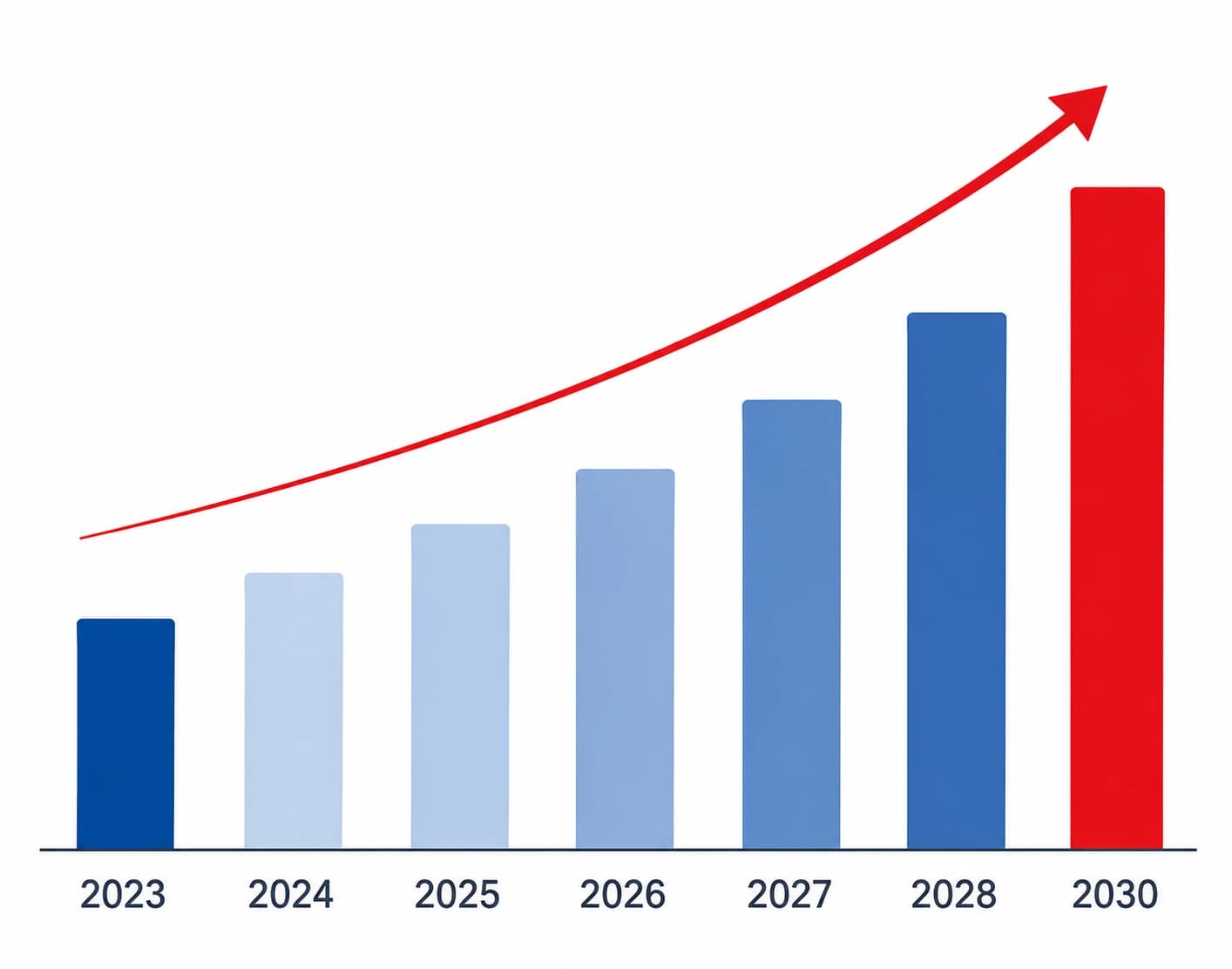
The global Automobile Coolant market was valued at US$ 7885 million in 2025 and is anticipated to reach US$ 9371 million by 2032, witnessing a CAGR of 2.6% during the forecast period 2026-2032.
Automobile coolant is a critical heat-transfer fluid in an internal-combustion engine's circulating cooling system. It is typically formulated from a freezing-point depressant base (e.g., ethylene glycol, propylene glycol, or glycerin) blended with additive packages such as corrosion inhibitors, defoamers, dyes, and biocides. Circulating through the engine and broader thermal-management loop, it removes heat, suppresses boiling and freezing, and provides protection against corrosion, cavitation, scaling, and foaming, while also offering limited lubrication—thereby directly affecting stable engine operation within the normal temperature range and overall service life.
The upstream supply chain is centered on base fluids such as ethylene glycol, propylene glycol, and glycerin, plus corrosion-inhibitor additives, dyes, deionized water, and packaging materials.Downstream demand is split between OEM factory fill and aftermarket/service fill, with the aftermarket generally representing the more stable and recurring demand stream.
In 2025, global automobile coolant production reached approximately 10 million tons, with an average global market price is $800 per ton.
Automobile coolant is a core working fluid in engine and electrified powertrain thermal-management loops. It is typically formulated from an ethylene-glycol or propylene-glycol base combined with corrosion inhibitors, anti-foam agents, and stabilizers, and it circulates through passages, radiators, and HVAC heat exchangers to absorb and reject heat. Its value is not only freeze protection; it also supports boil-over protection, corrosion and electrochemical control, deposit and scale prevention, and long-term protection of pumps, seals, and mixed-metal systems—preserving thermal efficiency and system reliability over vehicle life.
The market is shifting from commodity fluid to platform-grade thermal-management material. Inhibitor technology has evolved from traditional inorganic approaches toward longer-life organic and hybrid systems that target stable corrosion control and lower deposit risk over extended maintenance cycles. In parallel, electrification increases system complexity and material diversity, which elevates requirements for compatibility, stability, and predictable protection performance—especially as vehicles adopt multi-loop architectures and higher power-density operating conditions.
Opportunity concentrates in two demand pulls. First, rising thermal-system complexity and tighter packaging increase the importance of formulation-to-material matching across aluminum alloys, polymers, and seal systems, making compatibility and validated protection a procurement differentiator. Second, lifecycle economics are becoming more influential: fleets and high-duty users increasingly pay for longer-life fluids, lower maintenance burden, and more predictable protection outcomes, supporting premiumization and service-led coolant programs.
This report aims to provide a comprehensive presentation of the global market for Automobile Coolant, with both quantitative and qualitative analysis, to help readers develop business/growth strategies, assess the market competitive situation, analyze their position in the current marketplace, and make informed business decisions regarding Automobile Coolant.
The Automobile Coolant market size, estimations, and forecasts are provided in terms of sales quantity (Kilotons) and revenue ($ millions), considering 2025 as the base year, with history and forecast data for the period from 2021 to 2032. This report segments the global Automobile Coolant market comprehensively. Regional market sizes, concerning products by Type, by Application, and by players, are also provided.
For a more in-depth understanding of the market, the report provides profiles of the competitive landscape, key competitors, and their respective market ranks. The report also discusses technological trends and new product developments.
The report will help the Automobile Coolant manufacturers, new entrants, and industry chain related companies in this market with information on the revenues, sales, and average price for the overall market and the sub-segments across the different segments, by company, by Type, by Application, and by regions.
Chapter 1: Introduces the report scope of the report, executive summary of different market segments (by region, product type, application, etc), including the market size of each market segment, future development potential, and so on. It offers a high-level view of the current state of the market and its likely evolution in the short to mid-term, and long term.
Chapter 2: key insights, key emerging trends, etc.
Chapter 3: Manufacturers competitive analysis, detailed analysis of Automobile Coolant manufacturers competitive landscape, price, sales and revenue market share, latest development plan, merger, and acquisition information, etc.
Chapter 4: Provides profiles of key players, introducing the basic situation of the main companies in the market in detail, including product sales, revenue, price, gross margin, product introduction, recent development, etc.
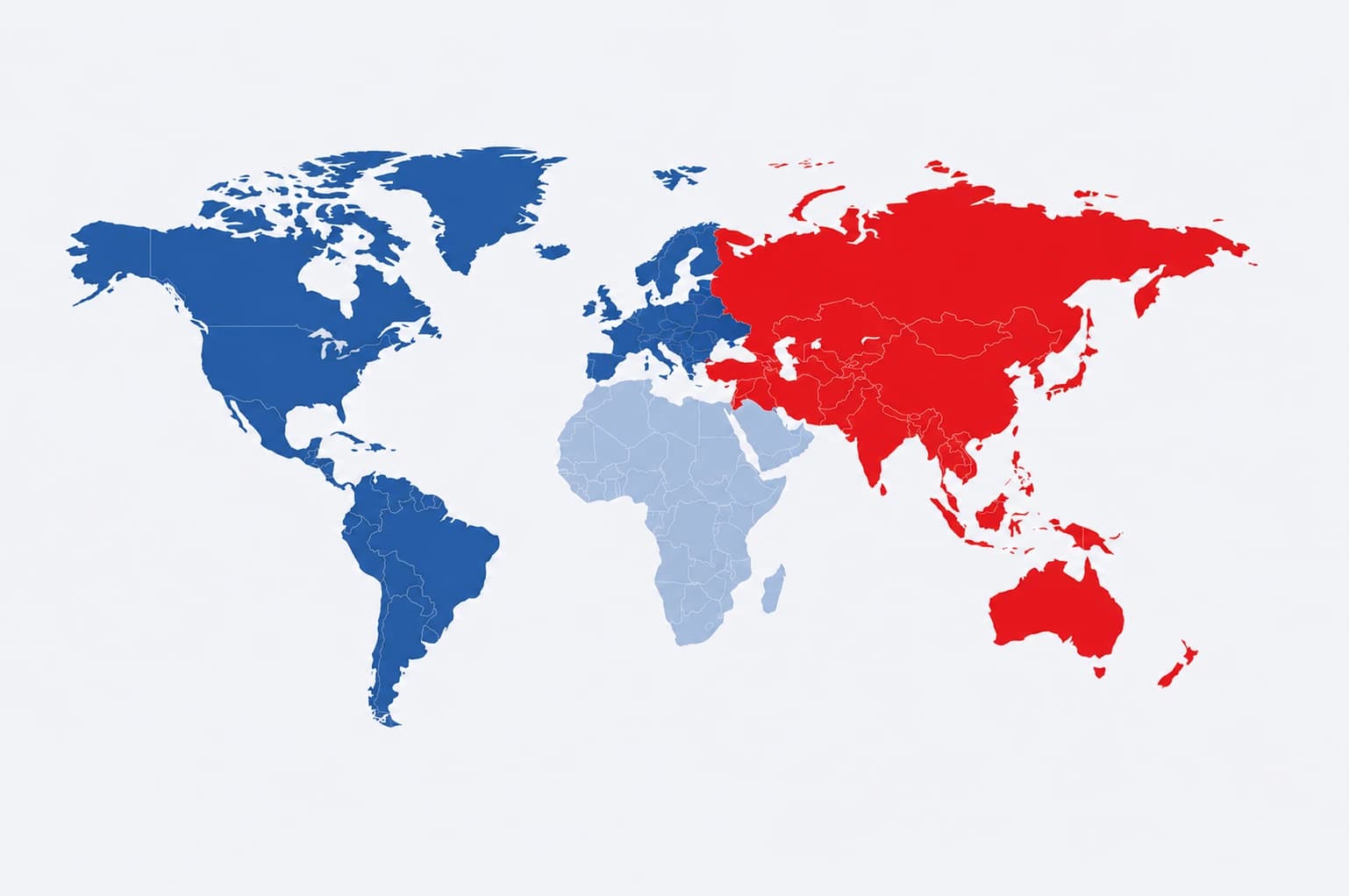
Chapter 5 & 6: Sales, revenue of Automobile Coolant in regional level and country level. It provides a quantitative analysis of the market size and development potential of each region and its main countries and introduces the market development, future development prospects, market space, and market size of each country in the world.
Chapter 7: Provides the analysis of various market segments by Type, covering the market size and development potential of each market segment, to help readers find the blue ocean market in different market segments.
Chapter 8: Provides the analysis of various market segments by Application, covering the market size and development potential of each market segment, to help readers find the blue ocean market in different downstream markets.
Chapter 9: Analysis of industrial chain, including the upstream and downstream of the industry.
Chapter 10: The main points and conclusions of the report.
- ★ What Is The Overall Market Size And Projected Growth Rate Across Global And Regional Segments?
- ★ How Does The Market Size And Growth Outlook Vary Across Major Countries?
- ★ Which Region Or Market Sub-Segment Is Anticipated To Dominate Growth During The Forecast Period?
- ★ What Are The Primary Factors Expected To Drive Market Expansion, And What Challenges May Restrain Growth?
- ★ Which Emerging Technologies And Market Trends Are Shaping The Future Landscape?
- ★ What Are The Most Significant Opportunities Available In The Market?
- ★ Who Are The Leading Manufacturers Actively Participating In The Global Market?
- ★ Which Company Currently Holds The Largest Share Of The Market?
- ★ What Are The Potential Growth Avenues For New Entrants In The Global Market?