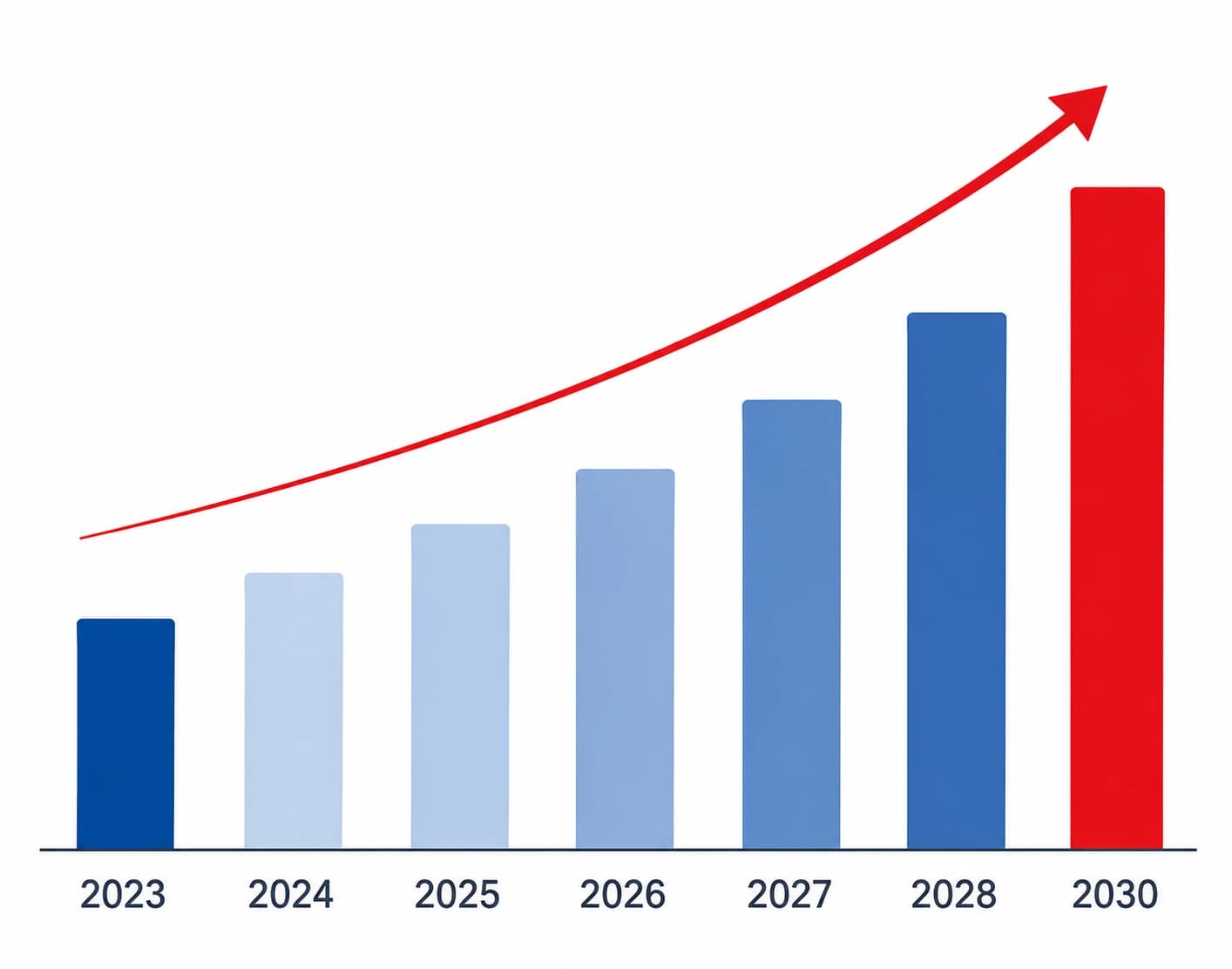
The global Quantum Noise Random Source Chip market was valued at US$ 58.88 million in 2025 and is anticipated to reach US$ 98 million by 2032, witnessing a CAGR of 7.5% during the forecast period 2026-2032.
A Quantum Noise Random Source Chip is a core chip that uses quantum physical processes to generate inherently unpredictable randomness, serving as the fundamental entropy source in quantum random number generators, cryptographic chips, cryptographic cards, security modules, and communication equipment. It extracts raw entropy from quantum effects such as photon shot noise, vacuum fluctuation, phase noise, or quantum tunneling, and then converts it into high-quality random numbers through signal acquisition, post-processing, randomness testing, and interface output. These random numbers are used for key generation, identity authentication, data encryption, secure communication, and trusted computing. Compared with pseudo-random generators or conventional physical random number chips, its key value lies in the stronger physical unpredictability of the randomness source, making it a foundational component in quantum-secure hardware systems. The average price of Quantum Noise Random Source Chips can be estimated at around USD 80–150 per chip, corresponding to global annual sales of approximately 300,000–500,000 units.
The upstream supply chain of Quantum Noise Random Source Chips mainly includes photodetectors, laser or LED light sources, integrated optical components, analog front ends, power management chips, CMOS or ASIC processes, packaging materials, testing equipment, randomness testing tools, and cryptographic algorithm software. Among these, quantum entropy source design, low-noise signal acquisition, chip packaging, and security certification capabilities determine product stability and commercialization readiness. Midstream companies focus on quantum random mechanism design, chip integration, post-processing algorithm development, reliability testing, cryptographic compliance certification, and module adaptation, further packaging the chip into QRNG modules, embedded security modules, or quantum cryptographic cards. Downstream applications cover cryptographic equipment, server security, cloud computing, financial payment, government information security, communication networks, IoT, connected vehicles, industrial control, and defense security, where customers typically focus on randomness quality, output rate, interface compatibility, power consumption, certification status, and large-scale supply capability.
From a market perspective, Quantum Noise Random Source Chips are still transitioning from specialized high-security use cases toward broader embedded applications. Current demand is mainly driven by cryptographic security upgrades, data security compliance, quantum-secure communication deployment, and the need for high-grade random numbers. In the short term, the market is concentrated in government, finance, telecom, data centers, and defense, with project-based procurement and customized adoption remaining prominent, while overall shipment volume is still limited. In the medium to long term, as chip costs decline, packaging becomes more compact, power consumption decreases, and QRNG becomes more deeply integrated with conventional cryptographic chips and post-quantum cryptography solutions, Quantum Noise Random Source Chips are expected to expand into mobile devices, IoT, connected vehicles, and edge devices. Market competition will gradually shift from proving quantum randomness alone to chip-level integration, mass-production consistency, security certification, ecosystem compatibility, and end-customer adoption capability.
This report aims to provide a comprehensive presentation of the global market for Quantum Noise Random Source Chip, with both quantitative and qualitative analysis, to help readers develop business/growth strategies, assess the market competitive situation, analyze their position in the current marketplace, and make informed business decisions regarding Quantum Noise Random Source Chip.
The Quantum Noise Random Source Chip market size, estimations, and forecasts are provided in terms of sales quantity (Million Units) and revenue ($ millions), considering 2025 as the base year, with history and forecast data for the period from 2021 to 2032. This report segments the global Quantum Noise Random Source Chip market comprehensively. Regional market sizes, concerning products by Type, by Application, and by players, are also provided.
For a more in-depth understanding of the market, the report provides profiles of the competitive landscape, key competitors, and their respective market ranks. The report also discusses technological trends and new product developments.
The report will help the Quantum Noise Random Source Chip manufacturers, new entrants, and industry chain related companies in this market with information on the revenues, sales, and average price for the overall market and the sub-segments across the different segments, by company, by Type, by Application, and by regions.
Chapter 1: Introduces the report scope of the report, executive summary of different market segments (by region, product type, application, etc), including the market size of each market segment, future development potential, and so on. It offers a high-level view of the current state of the market and its likely evolution in the short to mid-term, and long term.
Chapter 2: key insights, key emerging trends, etc.
Chapter 3: Manufacturers competitive analysis, detailed analysis of Quantum Noise Random Source Chip manufacturers competitive landscape, price, sales and revenue market share, latest development plan, merger, and acquisition information, etc.
Chapter 4: Provides profiles of key players, introducing the basic situation of the main companies in the market in detail, including product sales, revenue, price, gross margin, product introduction, recent development, etc.
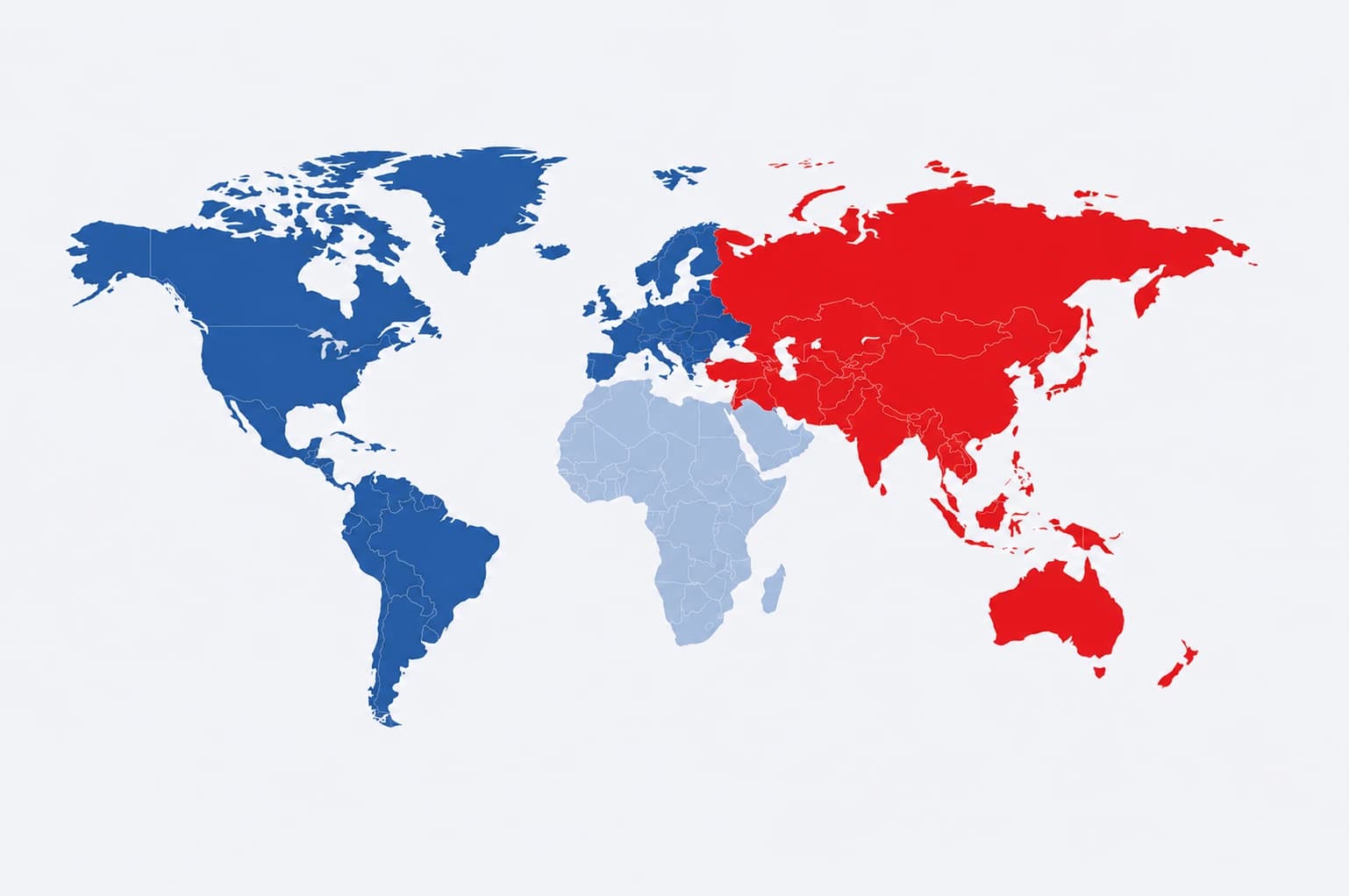
Chapter 5 & 6: Sales, revenue of Quantum Noise Random Source Chip in regional level and country level. It provides a quantitative analysis of the market size and development potential of each region and its main countries and introduces the market development, future development prospects, market space, and market size of each country in the world.
Chapter 7: Provides the analysis of various market segments by Type, covering the market size and development potential of each market segment, to help readers find the blue ocean market in different market segments.
Chapter 8: Provides the analysis of various market segments by Application, covering the market size and development potential of each market segment, to help readers find the blue ocean market in different downstream markets.
Chapter 9: Analysis of industrial chain, including the upstream and downstream of the industry.
Chapter 10: The main points and conclusions of the report.
- ★ What Is The Overall Market Size And Projected Growth Rate Across Global And Regional Segments?
- ★ How Does The Market Size And Growth Outlook Vary Across Major Countries?
- ★ Which Region Or Market Sub-Segment Is Anticipated To Dominate Growth During The Forecast Period?
- ★ What Are The Primary Factors Expected To Drive Market Expansion, And What Challenges May Restrain Growth?
- ★ Which Emerging Technologies And Market Trends Are Shaping The Future Landscape?
- ★ What Are The Most Significant Opportunities Available In The Market?
- ★ Who Are The Leading Manufacturers Actively Participating In The Global Market?
- ★ Which Company Currently Holds The Largest Share Of The Market?
- ★ What Are The Potential Growth Avenues For New Entrants In The Global Market?