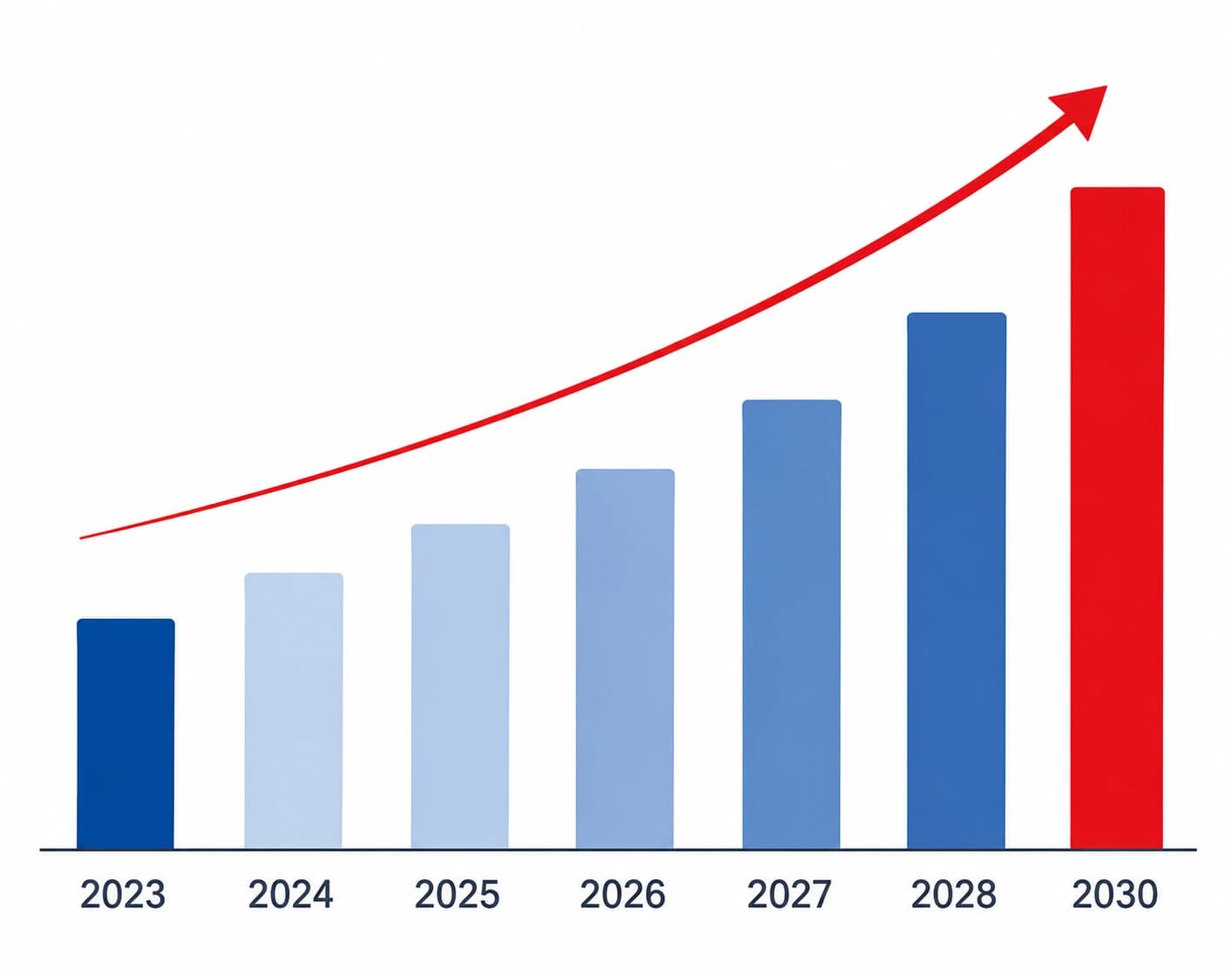
The global Insurance Card Reader market was valued at US$ million in 2025 and is anticipated to reach US$ million by 2032, witnessing a CAGR of %during the forecast period 2026-2032.
An Insurance Card Reader refers to a software or device that is specifically designed to scan and interpret information from insurance cards. It utilizes Optical Character Recognition (OCR) technology to extract vital data, such as policyholder name, policy number, insurance company details, and expiry dates, from the insurance card. The reader can quickly and accurately convert the scanned image into digital, editable, and searchable data, eliminating manual data entry processes and reducing errors. Insurance Card Readers play a crucial role in streamlining insurance claim processes, healthcare administration, and customer service by automating the extraction of relevant information from insurance cards.
The industry trend of Insurance Card Readers reflects the increasing need for automation and efficiency in the insurance and healthcare sectors. With the rising volume of insurance claims and administrative tasks, there is a growing demand for solutions that can simplify data extraction from insurance cards. Insurance Card Readers streamline processes, such as claims processing, patient registration, and insurance verification, by expediting the retrieval of essential data. This trend is driven by the desire to reduce manual errors, improve accuracy, and enhance customer experience. As insurance companies and healthcare providers continue to adopt digital transformation strategies, the industry trend for Insurance Card Readers is expected to gain further momentum.
This report aims to provide a comprehensive presentation of the global market for Insurance Card Reader, with both quantitative and qualitative analysis, to help readers develop business/growth strategies, assess the market competitive situation, analyze their position in the current marketplace, and make informed business decisions regarding Insurance Card Reader.
The Insurance Card Reader market size, estimations, and forecasts are provided in terms of revenue ($ millions), considering 2025 as the base year, with history and forecast data for the period from 2021 to 2032. This report segments the global Insurance Card Reader market comprehensively. Regional market sizes, concerning products by Type, by Application, and by players, are also provided.
For a more in-depth understanding of the market, the report provides profiles of the competitive landscape, key competitors, and their respective market ranks. The report also discusses technological trends and new product developments.
The report will help the Insurance Card Reader manufacturers, new entrants, and industry chain related companies in this market with information on the revenues for the overall market and the sub-segments across the different segments, by company, by Type, by Application, and by regions.
Chapter 1: Introduces the report scope of the report, executive summary of different market segments (by region, product type, application, etc), including the market size of each market segment, future development potential, and so on. It offers a high-level view of the current state of the market and its likely evolution in the short to mid-term, and long term.
Chapter 2: key insights, key emerging trends, etc.
Chapter 3: Manufacturers competitive analysis, detailed analysis of Insurance Card Reader manufacturers competitive landscape, revenue market share, latest development plan, merger, and acquisition information, etc.
Chapter 4: Provides profiles of key players, introducing the basic situation of the main companies in the market in detail, including product revenue, gross margin, product introduction, recent development, etc.
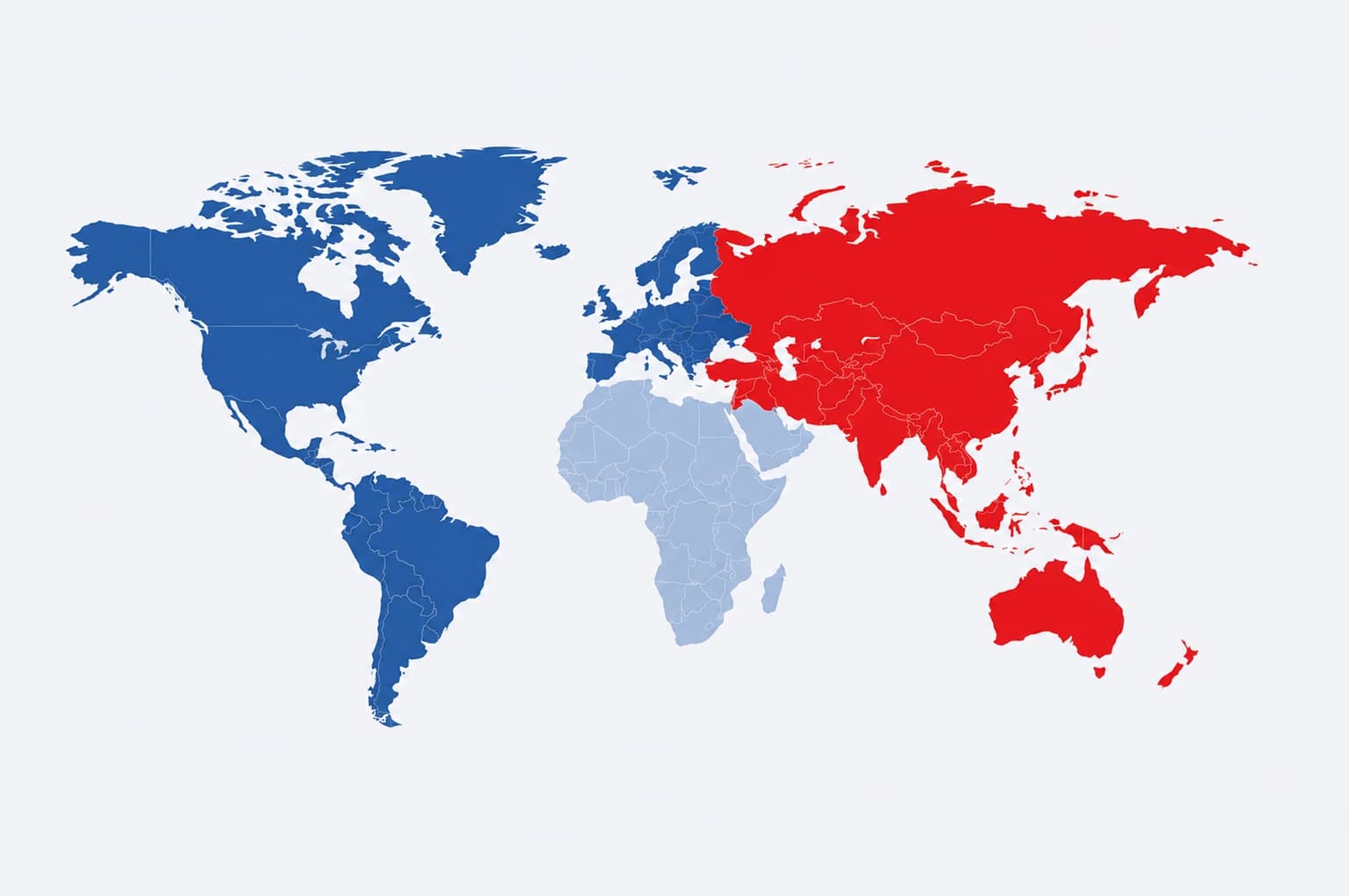
Chapter 5 & 6: Revenue of Insurance Card Reader in regional level and country level. It provides a quantitative analysis of the market size and development potential of each region and its main countries and introduces the market development, future development prospects, market space, and market size of each country in the world.
Chapter 7: Provides the analysis of various market segments by Type, covering the market size and development potential of each market segment, to help readers find the blue ocean market in different market segments.
Chapter 8: Provides the analysis of various market segments by Application, covering the market size and development potential of each market segment, to help readers find the blue ocean market in different downstream markets.
Chapter 9: Analysis of industrial chain, including the upstream and downstream of the industry.
Chapter 10: The main points and conclusions of the report.
- ★ What Is The Overall Market Size And Projected Growth Rate Across Global And Regional Segments?
- ★ How Does The Market Size And Growth Outlook Vary Across Major Countries?
- ★ Which Region Or Market Sub-Segment Is Anticipated To Dominate Growth During The Forecast Period?
- ★ What Are The Primary Factors Expected To Drive Market Expansion, And What Challenges May Restrain Growth?
- ★ Which Emerging Technologies And Market Trends Are Shaping The Future Landscape?
- ★ What Are The Most Significant Opportunities Available In The Market?
- ★ Who Are The Leading Manufacturers Actively Participating In The Global Market?
- ★ Which Company Currently Holds The Largest Share Of The Market?
- ★ What Are The Potential Growth Avenues For New Entrants In The Global Market?