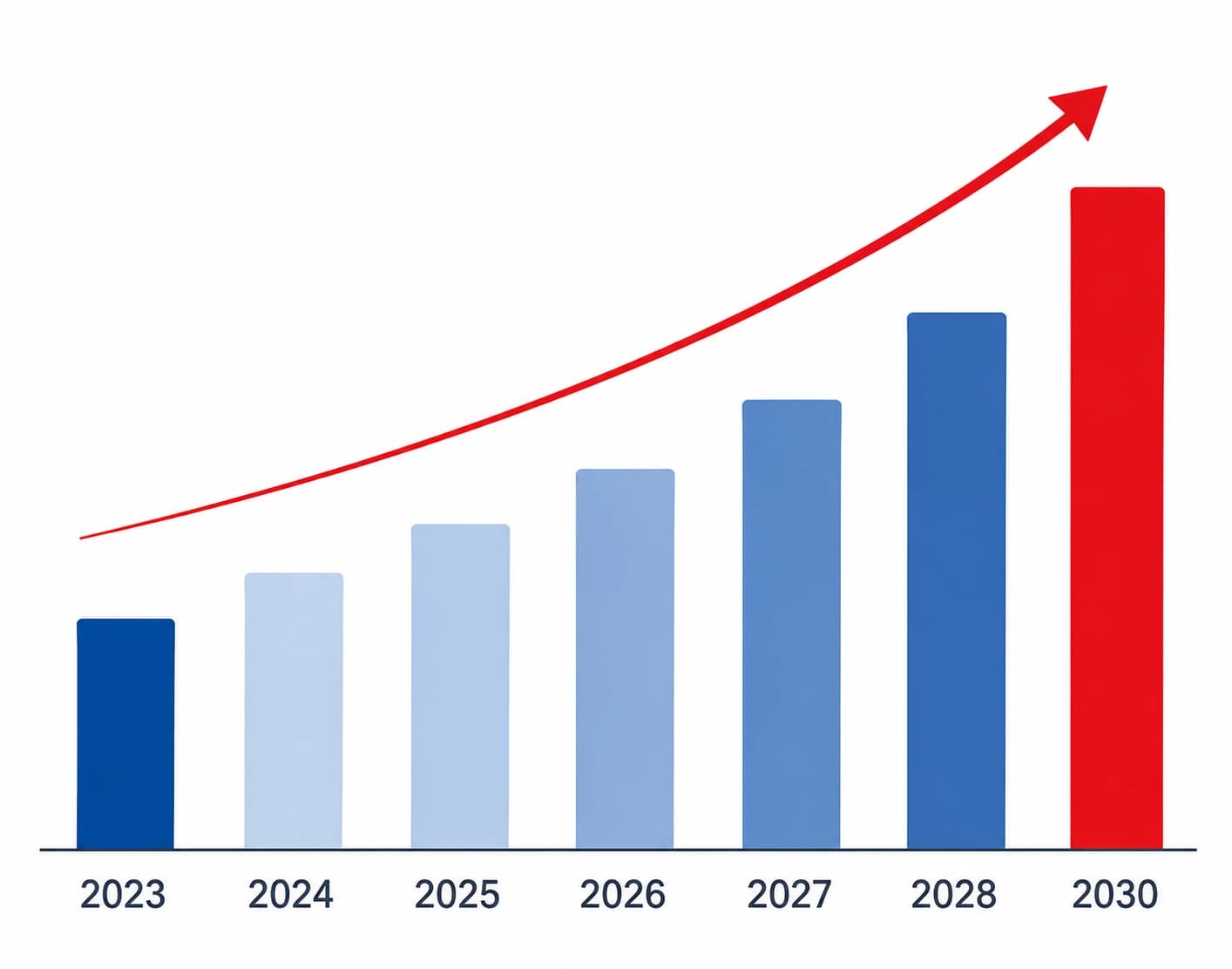
The global market for Dive Watch was estimated to be worth US$ 1548 million in 2024 and is forecast to a readjusted size of US$ 2067 million by 2031 with a CAGR of 4.1% during the forecast period 2025-2031.
The potential shifts in the 2025 U.S. tariff framework pose substantial volatility risks to global markets. This report provides a comprehensive assessment of recent tariff adjustments and international strategic countermeasures on Dive Watch cross-border industrial footprints, capital allocation patterns, regional economic interdependencies, and supply chain reconfigurations.
A diving watch, also commonly referred to as a diver's or dive watch, is a watch designed for underwater diving that features, as a minimum, a water resistance greater than 1.1 MPa (11 atm), the equivalent of 100 m (330 ft). The typical diver's watch will have a water resistance of around 200 to 300 m (660 to 980 ft), though modern technology allows the creation of diving watches that can go much deeper. A true contemporary diver's watch is in accordance with the ISO 6425 standard, which defines test standards and features for watches suitable for diving with underwater breathing apparatus in depths of 100 m (330 ft) or more. Watches conforming to ISO 6425 are marked with the word DIVER'S to distinguish ISO 6425 conformant diving watches from watches that might not be suitable for actual scuba diving.
The Dive Watch Market is driven by the enduring popularity of recreational diving and water sports, with dive watches being essential tools for underwater enthusiasts. These watches are designed to withstand the rigors of underwater exploration, offering water resistance, durable construction, and features like depth measurement and dive time tracking. As adventure seekers and divers seek reliable and stylish timepieces for their underwater activities, the market for dive watches continues to grow. Innovations in watch technology, including improved water resistance, enhanced readability, and advanced materials, further contribute to market expansion. However, a significant challenge for this market is the need to address the balance between functionality and aesthetics while ensuring that dive watches meet strict quality and safety standards. Overcoming design and engineering hurdles, navigating evolving dive watch regulations, and addressing the growing competition from smartwatches and dive computer technology are ongoing challenges. Striking a balance between offering robust, attractive dive watches while meeting the complex demands of divers and water sports enthusiasts is essential for the continued growth of the Dive Watch Market.
This report aims to provide a comprehensive presentation of the global market for Dive Watch, focusing on the total sales volume, sales revenue, price, key companies market share and ranking, together with an analysis of Dive Watch by region & country, by Type, and by Application.
The Dive Watch market size, estimations, and forecasts are provided in terms of sales volume (K Units) and sales revenue ($ millions), considering 2024 as the base year, with history and forecast data for the period from 2020 to 2031. With both quantitative and qualitative analysis, to help readers develop business/growth strategies, assess the market competitive situation, analyze their position in the current marketplace, and make informed business decisions regarding Dive Watch.
Chapter 1: Introduces the report scope of the report, global total market size (value, volume and price). This chapter also provides the market dynamics, latest developments of the market, the driving factors and restrictive factors of the market, the challenges and risks faced by manufacturers in the industry, and the analysis of relevant policies in the industry.
Chapter 2: Detailed analysis of Dive Watch manufacturers competitive landscape, price, sales and revenue market share, latest development plan, merger, and acquisition information, etc.
Chapter 3: Provides the analysis of various market segments by Type, covering the market size and development potential of each market segment, to help readers find the blue ocean market in different market segments.
Chapter 4: Provides the analysis of various market segments by Application, covering the market size and development potential of each market segment, to help readers find the blue ocean market in different downstream markets.
Chapter 5: Sales, revenue of Dive Watch in regional level. It provides a quantitative analysis of the market size and development potential of each region and introduces the market development, future development prospects, market space, and market size of each country in the world.
Chapter 6: Sales, revenue of Dive Watch in country level. It provides sigmate data by Type, and by Application for each country/region.
Chapter 7: Provides profiles of key players, introducing the basic situation of the main companies in the market in detail, including product sales, revenue, price, gross margin, product introduction, recent development, etc.
Chapter 8: Analysis of industrial chain, including the upstream and downstream of the industry.
- ★ What Is The Overall Market Size And Projected Growth Rate Across Global And Regional Segments?
- ★ How Does The Market Size And Growth Outlook Vary Across Major Countries?
- ★ Which Region Or Market Sub-Segment Is Anticipated To Dominate Growth During The Forecast Period?
- ★ What Are The Primary Factors Expected To Drive Market Expansion, And What Challenges May Restrain Growth?
- ★ Which Emerging Technologies And Market Trends Are Shaping The Future Landscape?
- ★ What Are The Most Significant Opportunities Available In The Market?
- ★ Who Are The Leading Manufacturers Actively Participating In The Global Market?
- ★ Which Company Currently Holds The Largest Share Of The Market?
- ★ What Are The Potential Growth Avenues For New Entrants In The Global Market?