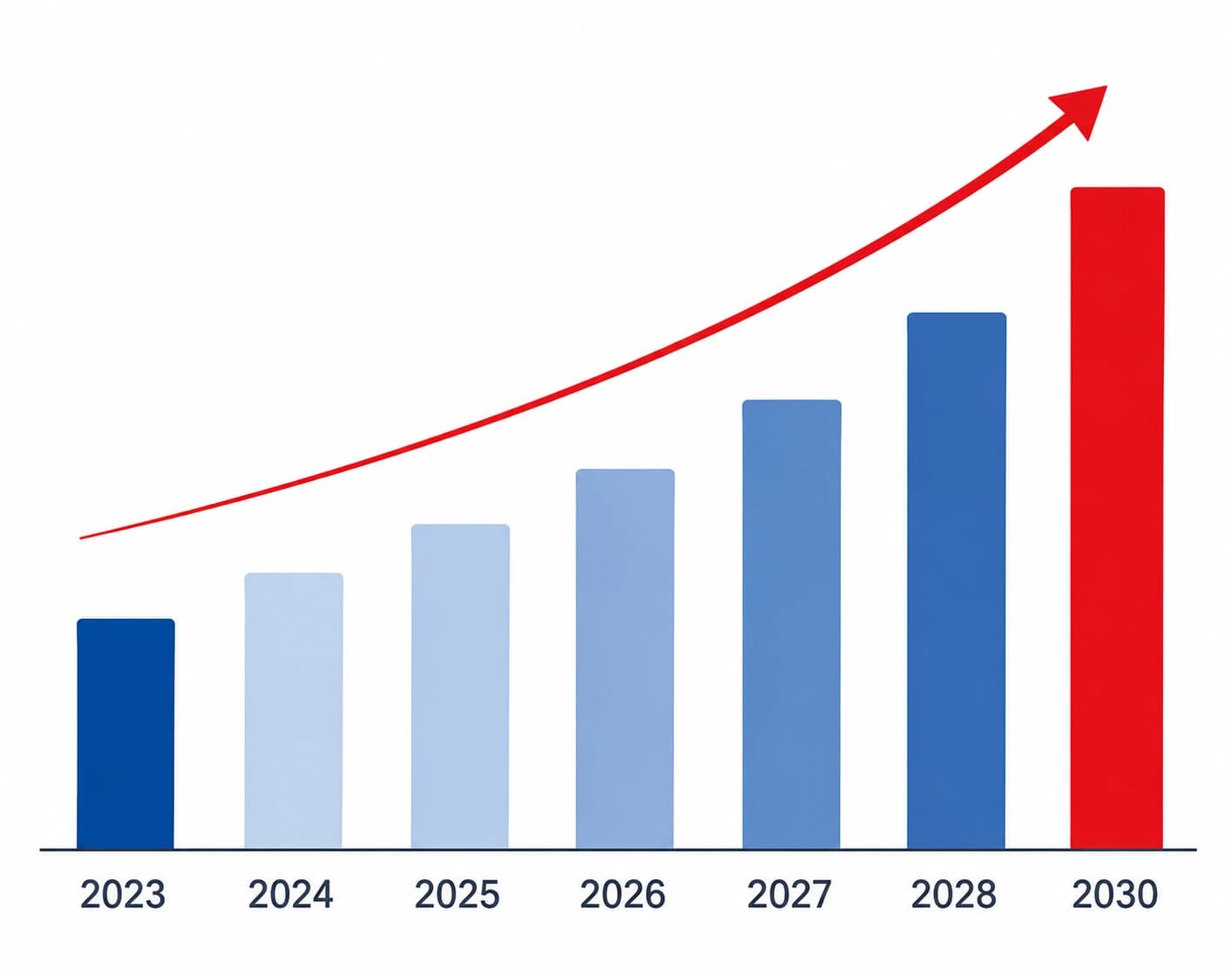
The global Cosmetic Grade Lanolin Alcohol market was valued at US$ 89.01 million in 2025 and is anticipated to reach US$ 131 million by 2032, witnessing a CAGR of 6.5% during the forecast period 2026-2032.
Cosmetic grade Lanolin Alcohol is a refined fraction of lanolin that is used in personal care products mainly for skin conditioning (emollient) and emulsifying functions. From a chemistry point of view, it is not a single pure molecule. Pharmacopeia-style definitions describe Lanolin Alcohols as a mixture of aliphatic alcohols, triterpenoid alcohols, and sterols obtained by hydrolysis of lanolin (lanolin itself is the waxy material from sheep wool). In cosmetics ingredient databases used in Europe, Lanolin Alcohol is also categorized by functions such as skin conditioning–emollient, surfactant/emulsifying, hair conditioning, viscosity controlling, binding, and antistatic, which matches how formulators use it in creams, ointments, and hair products. In simple terms, “cosmetic grade” means the material is produced and controlled to meet cosmetic-industry expectations for appearance (color/odor), stability (low oxidation), safety (low contaminants), and consistency (flow and performance), supported by documentation such as a certificate of analysis and safety data.
In the supply chain, lanolin alcohol starts upstream from the wool industry. When wool is washed (scoured), the wool grease is recovered and refined into lanolin and derivatives. Industry descriptions emphasize that the refining process focuses on removing contaminants (for example dirt and pesticide residues) so the material can be suitable for high-standard uses like personal care and pharmaceutical applications. To make lanolin alcohol, refiners typically apply an alkaline treatment / hydrolysis (saponification) to split lanolin esters, separate the soap phase, and then isolate the alcohol fraction. After that, additional purification steps are used to deliver cosmetic-grade quality: deodorization, filtration, sometimes molecular distillation, and tight control of oxidation (because oxidized materials can have stronger odor and may be less stable). Commercial specification examples commonly highlight controls like acid value, saponification value, drop point, peroxide value, water absorption, and sometimes the presence/limit of antioxidants such as BHT, as well as pesticide-residue control items. This supply chain structure matters for the market because lanolin alcohol is ultimately a “refined natural mixture”: the final quality depends heavily on feedstock cleanliness and the effectiveness of purification, not only on the basic chemistry.
The market definition for cosmetic grade lanolin alcohol therefore is not just “lanolin alcohol sold to cosmetics.” It includes the material plus the “quality package”: stable sensory profile (low odor, acceptable color), low oxidation, controlled impurities (including pesticide residues and heavy metals), and consistent functional behavior in formulations. This is also why safety-focused industry bodies repeatedly stress impurity management. In the U.S., the Cosmetic Ingredient Review (CIR) program’s assessments for lanolin and lanolin-derived ingredients discuss the need for industry to continue minimizing impurities that could be present in cosmetic formulations, including heavy metals and pesticide residues. This point links directly to how cosmetic customers buy: large brands and OEM/ODM factories often specify impurity limits and require strong traceability, because lanolin-based materials can vary if refining is not well controlled.
In 2025, global Cosmetic Grade Lanolin Alcohol production reached approximately 2373 MT, with an average global market price of around US$ 37.5 per kg. The global single-line production capacity ranges from 200 to 400 MT per year. The industry's gross profit margin is approximately 20%-30%.
On market trends, cosmetic grade lanolin alcohol tends to benefit from the long-term growth of products that focus on moisturization, barrier care, and protection, especially in categories where a richer feel and occlusive performance are valued (hand creams, lip care, heel balms, protective creams, diaper-area products, and some hair conditioning products). Lanolin-derived materials are known for strong emollient character and for helping stabilize water-in-oil style systems. This aligns with how ingredient databases describe its functions (emollient + emulsifying + viscosity control). A practical trend in skincare is that brands are pushing “barrier repair” messaging and sensorial richness (creams that feel protective, reduce dryness, and improve comfort). In those formulations, lanolin alcohol can be attractive because it can help deliver a protective, substantive film and can support stable emulsions. This trend is more visible in colder climates and in winter seasons, but it also shows up in hand care and occupational skin protection where dryness and irritation are frequent.
Another trend driver is formulation simplification and performance reliability. Many brands want fewer ingredients while still achieving strong performance. A multifunctional ingredient that contributes to texture, stability, and skin feel can help simplify a formula. Lanolin alcohol is often used in this “multifunctional” way: it is not only an emollient, it can also help with emulsifying and viscosity control, meaning it can reduce the need for multiple separate structure-builders. For manufacturers, this can lower formulation complexity and reduce the risk of instability, especially in high-oil systems or protective creams.
A third driver (and also a risk factor) is impurity control, especially around pesticides and oxidation. Wool grease can be exposed to environmental contaminants, so refiners must remove unwanted residues and control oxidation to keep the ingredient stable and acceptable in odor and color. Industry and safety review documents explicitly call out pesticide residues as an impurity concern that should be minimized in cosmetic formulations. This pushes the market toward higher-purity grades and toward suppliers that can demonstrate strong refining and testing capabilities. It also creates a pricing “ladder”: cosmetic grade is usually priced above industrial grades because customers are paying for purification, testing, and documentation.
Global cosmetic grade lanolin alcohol key players include Croda, Nippon Fine Chemical, Lanolines Stella, Carbogen Amcis (Dishman), Zhejiang Garden Biochemical, etc.
This report aims to provide a comprehensive presentation of the global market for Cosmetic Grade Lanolin Alcohol, with both quantitative and qualitative analysis, to help readers develop business/growth strategies, assess the market competitive situation, analyze their position in the current marketplace, and make informed business decisions regarding Cosmetic Grade Lanolin Alcohol.
The Cosmetic Grade Lanolin Alcohol market size, estimations, and forecasts are provided in terms of sales quantity (MT) and revenue ($ millions), considering 2025 as the base year, with history and forecast data for the period from 2021 to 2032. This report segments the global Cosmetic Grade Lanolin Alcohol market comprehensively. Regional market sizes, concerning products by Type, by Application, and by players, are also provided.
For a more in-depth understanding of the market, the report provides profiles of the competitive landscape, key competitors, and their respective market ranks. The report also discusses technological trends and new product developments.
The report will help the Cosmetic Grade Lanolin Alcohol manufacturers, new entrants, and industry chain related companies in this market with information on the revenues, sales, and average price for the overall market and the sub-segments across the different segments, by company, by Type, by Application, and by regions.
Chapter 1: Introduces the report scope of the report, executive summary of different market segments (by region, product type, application, etc), including the market size of each market segment, future development potential, and so on. It offers a high-level view of the current state of the market and its likely evolution in the short to mid-term, and long term.
Chapter 2: key insights, key emerging trends, etc.
Chapter 3: Manufacturers competitive analysis, detailed analysis of Cosmetic Grade Lanolin Alcohol manufacturers competitive landscape, price, sales and revenue market share, latest development plan, merger, and acquisition information, etc.
Chapter 4: Provides profiles of key players, introducing the basic situation of the main companies in the market in detail, including product sales, revenue, price, gross margin, product introduction, recent development, etc.
Chapter 5 & 6: Sales, revenue of Cosmetic Grade Lanolin Alcohol in regional level and country level. It provides a quantitative analysis of the market size and development potential of each region and its main countries and introduces the market development, future development prospects, market space, and market size of each country in the world.
Chapter 7: Provides the analysis of various market segments by Type, covering the market size and development potential of each market segment, to help readers find the blue ocean market in different market segments.
Chapter 8: Provides the analysis of various market segments by Application, covering the market size and development potential of each market segment, to help readers find the blue ocean market in different downstream markets.
Chapter 9: Analysis of industrial chain, including the upstream and downstream of the industry.
Chapter 10: The main points and conclusions of the report.
- ★ What Is The Overall Market Size And Projected Growth Rate Across Global And Regional Segments?
- ★ How Does The Market Size And Growth Outlook Vary Across Major Countries?
- ★ Which Region Or Market Sub-Segment Is Anticipated To Dominate Growth During The Forecast Period?
- ★ What Are The Primary Factors Expected To Drive Market Expansion, And What Challenges May Restrain Growth?
- ★ Which Emerging Technologies And Market Trends Are Shaping The Future Landscape?
- ★ What Are The Most Significant Opportunities Available In The Market?
- ★ Who Are The Leading Manufacturers Actively Participating In The Global Market?
- ★ Which Company Currently Holds The Largest Share Of The Market?
- ★ What Are The Potential Growth Avenues For New Entrants In The Global Market?