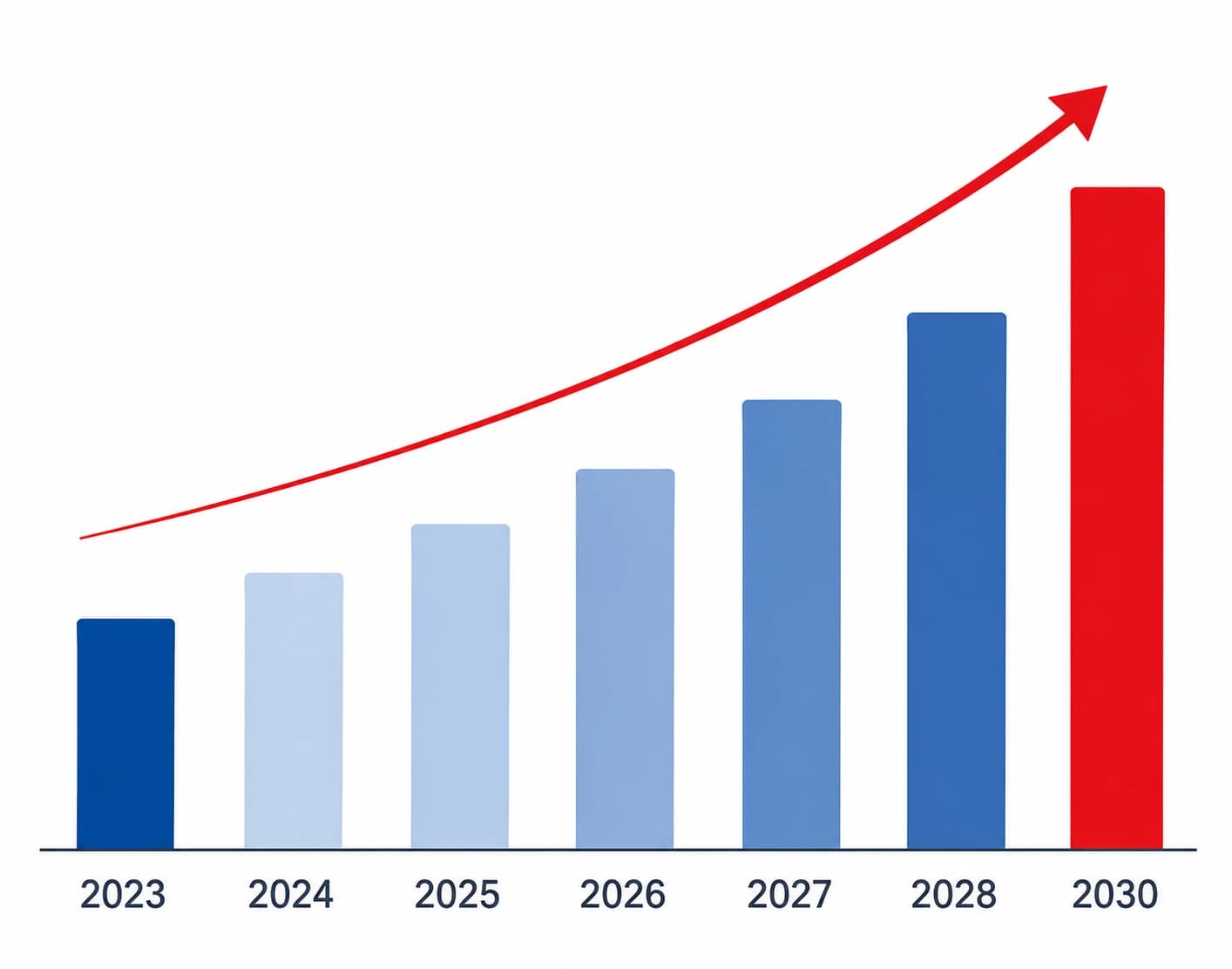
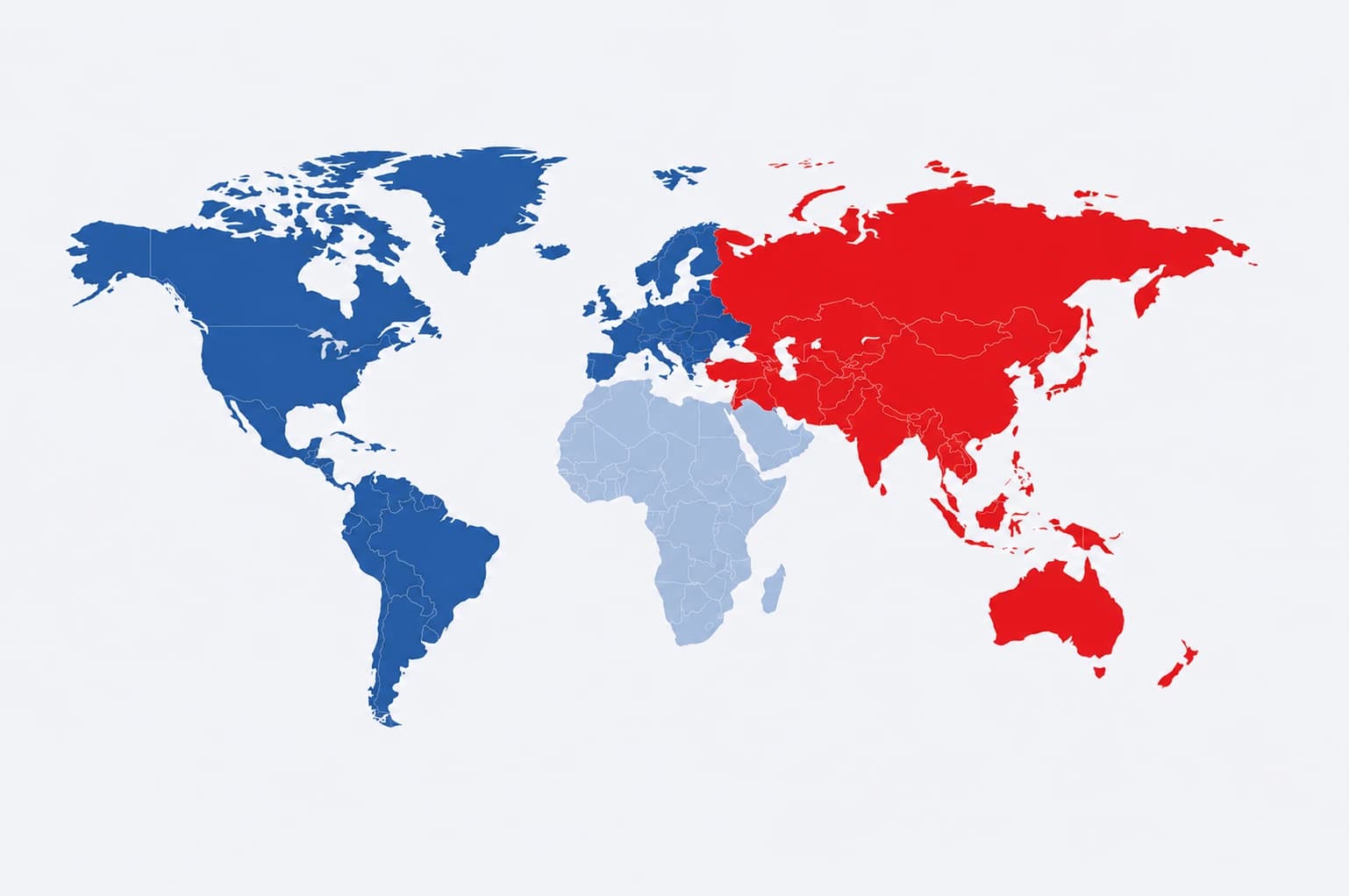
From a macro perspective, the global passive components industry (capacitors, resistors, inductors, etc.) remains on a long-term trajectory of moderate growth plus structural upgrading. According to research and estimation by QYResearch, the global passive components market size reached 47.452 billion US dollars in 2024, and is projected to hit 67.206 billion US dollars by 2031, representing a Compound Annual Growth Rate (CAGR) of 6.17% from 2025 to 2031. In terms of market structure by value in 2024, capacitors accounted for the largest share at 65.93%, followed by inductors at 18.24%, and resistors at approximately 15.83%. In high-value-added sectors (automotive-grade, industrial control, power management), the average price of inductors is significantly higher than that of consumer-grade components. Geographically, the Asia-Pacific region (especially the Chinese mainland, Japan, South Korea, and Taiwan China) remains the core production and export hub, while Europe and North America continue to drive strong demand in high-reliability applications and the downstream system integration segment. On the policy front, industrial policies of various countries focused on semiconductors, automotive electrification, 5G/6G, renewable energy and digital infrastructure are not directly targeted at passive components, but in essence, they provide a medium-to-long-term policy support floor for the industry by boosting shipments of complete equipment and raising the level of electrification across end products.
The global inductor market is in a relatively high mid-speed growth range, with its internal structure clearly shifting toward high-reliability and high-performance categories such as power inductors, RF inductors and automotive-grade inductors. According to QYResearch, the global inductor market size stood at about 8.653 billion US dollars in 2024, and is expected to reach 13.075 billion US dollars by 2031, with a CAGR of approximately 6.95% from 2025 to 2031. Among them, power inductors are the absolute core sub-segment: the global power inductor market reached 5.376 billion US dollars in 2024, with a projected CAGR of about 7.7% from 2025 to 2031, and is expected to approach 8.849 billion US dollars by 2031. Automotive power inductors and power inductors for servers/data centers are seeing even higher growth, with their CAGRs reaching 10.89% and 12.48% respectively from 2025 to 2031. Overall, power inductors are the main growth driver of the inductor industry, while traditional low-end signal inductors are experiencing slowing growth, and some categories have even entered a phase of stock competition.
In terms of driving factors and policies, the core logic underpinning the growth of the global passive components, inductor and power inductor markets can be summarized into three main themes. First, computing power + connectivity is driving an increase in the power consumption density of electronic systems. AI servers, cloud data centers, high-performance PCs, 5G base stations, optical modules and high-end routing and switching equipment are seeing a growing reliance on multi-phase Voltage Regulator Modules (VRM), power modules and Point-of-Load (PoL) power supplies, which in turn is fueling a surge in demand for miniaturized, high-current, low-loss power inductors and high-frequency inductors. Second, transportation electrification + rising penetration of on-board electronics has made automotive-grade power inductors one of the fastest-growing sub-segments in the industry. Third, electrification and digitalization of industry and energy – including industrial control servos, photovoltaic inversion, energy storage Power Conversion Systems (PCS) and charging infrastructure – is driving sustained demand for high-reliability, high-temperature and high-voltage resistance power inductors. Coupled with policy support for new energy, intelligent manufacturing, localized supply chains and energy efficiency in regions such as the US, the EU, China, Japan, South Korea and India, inductors and power inductors are poised to capture structural opportunities in the medium-to-long term supported by both policy backing and booming demand across multiple downstream sectors.
In terms of applications, PCs and general consumer electronics (smartphones, tablets, wearables, game consoles, TVs, audio equipment, robotic vacuums, VR/AR, etc.) remain the largest demand segment for power inductors, characterized by high shipment volumes, high cost performance and rapid iteration. Consumer electronics and computer electronics have long been among the end industries with the largest demand for components such as Multi-layer Ceramic Capacitors (MLCC), resistors and inductors. In the PC sector, multi-phase Buck converters/VRMs supply power to CPUs/GPUs, Platform Controller Hubs (PCH), memory and high-bandwidth peripherals, with each phase requiring a high-current, low DC resistance (DCR) power inductor. High-end gaming laptops, workstations and AI-enabled PCs have even higher requirements for power supply transient response and current capacity, leading to both higher usage volume and a higher average selling price (ASP) per unit for medium and large-sized shielded integrated molded inductors compared with traditional thin and light laptops. On the consumer electronics side, smartphone SoCs/application processors, Power Management Integrated Circuits (PMIC), RF Power Amplifiers (RF PA), display modules, motors and audio modules all adopt multi-channel buck/boost topologies, creating tremendous demand for 1–5A miniature power inductors. Wearables and True Wireless Stereo (TWS) devices emphasize ultra-miniature packaging and low loss, driving the penetration of thin-film, molded and metal composite inductors in high-end products. Overall, the power inductor market for PCs and consumer electronics is characterized by volume-driven demand and rising per-unit value. The competitive landscape is dominated by Japanese, South Korean and Taiwanese manufacturers such as Delta Electronics (Cyntec), TDK, Murata Manufacturing, Yageo, Taiyo Yuden, Samsung Electro-Mechanics and Vishay, while Chinese manufacturers (Sunlord Electronics, Microgate Technology, etc.) are accelerating localization substitution in medium and low-voltage consumer applications.
Servers & data centers, network communications (including 5G), and industrial control equipment form a high power & high reliability demand cluster for power inductors. Inductors play a key role in power supply and signal links in data centers, used for EMI/noise suppression; in 5G base stations and high-frequency communication systems, they serve as one of the core components for RF matching and filtering. AI servers and high-density rack servers generally adopt dozens or even hundreds of phases of VRM, with CPUs/GPUs/acceleration cards, HBM/DDR, power backplanes and high-speed interface boards all requiring high-current power inductors. Combined with the 48V–12V–1V multi-stage power supply architecture, this results in a significantly higher per-unit value of power inductors for a single server compared with traditional servers. In network communications, motherboards, line cards and power boards in 5G/FTTx/high-end routing and switching equipment use both high-frequency RF inductors and a large number of power inductors; market analysis of high-frequency inductors shows that communications, automotive electronics, consumer electronics and industrial equipment are the core application segments for high-frequency inductors. Industrial control equipment (PLC, frequency converters, servo drives, industrial power supplies, etc.) places greater emphasis on wide temperature range, long service life and resistance to harsh working conditions, creating strong demand for high-reliability power inductors such as integrated molded, iron powder core and metal composite types. Overall, in the competitive landscape, Japanese brands (TDK, Murata, Taiyo Yuden, Panasonic, Sumida, Sagami Elec), Taiwanese brands (Delta Electronics (Cyntec), Yageo, Trio Technology, TAI-TECH Advanced Electronics, Arlitech Electronic, Mazo) and European and American manufacturers (Vishay, Bourns, Coilcraft, Eaton) hold the main market share of high-end power inductors for servers, telecommunications and industrial control. A small number of Chinese manufacturers have achieved partial penetration in industrial control power supplies and medium and low-speed communication equipment, and with the advancement of localization for domestic servers, 5G and industrial automation in China, domestic power inductors have significant penetration potential in these fields.
On the automotive front, the rising penetration of EV/HEV coupled with the popularization of intelligent cockpits and Advanced Driver Assistance Systems (ADAS) is driving dual growth in demand volume and per-vehicle value for automotive-grade power inductors. On the one hand, the body/chassis and powertrain (including OBC, DC-DC, BMS, electric drive control) extensively use AEC-Q200 certified integrated molded or metal composite power inductors with high current and wide temperature range performance; on the other hand, "dozens of Electronic Control Units (ECU)" such as cameras, radars, domain controllers and infotainment systems are all equipped with multi-channel PoL power supplies, requiring miniature automotive-grade power inductors. The CAGR of automotive power inductors from 2025 to 2031 is significantly higher than that of the overall power inductor market.
For home appliances and major home appliances (refrigerators, washing machines, air conditioners, kitchen and bathroom appliances, power tools, etc.), although the per-unit usage quantity and ASP are lower than those for automotive and server applications, driven by the adoption of inverter technology and high energy efficiency policies, the demand for power inductors in inverter compressors, motor drives and power boards is continuously upgrading, making this segment one of the steady cash flow sources for passive component manufacturers laying out the "home appliance + industry" track. The security and surveillance system segment (PoE cameras, NVR, PoE switches, etc.) is a medium and small-scale segment with structural boom: the trends of PoE adoption and AI integration are raising the power density of front-end cameras and back-end equipment, driving sustained growth in demand for high-reliability, miniature shielded power inductors and Power over Coax (PoC) inductors. Based on an estimate of all application segments, the future demand structure of power inductors will show the following characteristics: PCs and consumer electronics will maintain volume leadership; automotive, server/data center and industrial control will drive incremental growth; communications, home appliances, security and emerging applications (AR/VR, energy storage, power tools, etc.) will provide additional growth flexibility. Industry competition will also accelerate differentiation around these booming applications.
From the industrial chain perspective, power inductors are a typical passive component sub-segment characterized by material-driven, process-driven and downstream diversification. The upstream sector mainly includes soft magnetic materials (Mn-Zn/Ni-Zn ferrite powder, iron powder core, metal composite powder, etc.), magnetic cores and bobbins, enameled wire and copper foil, resins and packaging materials, as well as specialized equipment and process chemicals for sintering, molding and electroplating. Leading manufacturers such as Delta Electronics (Cyntec), TDK and Murata rely heavily on independently developed iron-based alloy powder and composite molding processes for their latest generation of metal alloy power inductors and automotive-grade metal alloy inductors, thereby achieving high saturation magnetic flux density, excellent DC bias characteristics and low loss; this makes upstream material technology a key constraint on the performance and cost of power inductors. The midstream sector covers the design and manufacturing of power inductors, concentrated in Japan, Taiwan China, South Korea and the Chinese mainland, with representative manufacturers including Delta Electronics (Cyntec), TDK, Murata Manufacturing, Taiyo Yuden, Samsung Electro-Mechanics, Yageo, Vishay, and Chinese manufacturers such as Sunlord Electronics and Microgate Technology. Their core competitiveness lies in magnetic material formulation and simulation design, winding and molding processes, miniaturized packaging technology and reliability verification systems, as well as the understanding and execution capabilities of automotive and industrial grade certification systems. The downstream sector covers diverse industries including PCs, smart terminals, servers and data centers, automotive electronics, industrial control, communications, home appliances and security, with power inductors generally being adopted on a large scale through EMS/ODM manufacturers or module suppliers (power modules, PD/PoE modules, on-board ECU modules). In summary, the power inductor industrial chain is highly geographically concentrated in the Asia-Pacific region and highly technologically concentrated in a small number of leading Japanese and Taiwanese enterprises. However, Chinese local manufacturers have achieved meaningful breakthroughs in consumer electronics, home appliances and some industrial control/communication fields, and the industrial chain is evolving with the characteristics of high-end concentration, low and mid-end fragmentation and accelerated localization substitution.
Synthesizing information from the overall passive components market, the global inductor market and key downstream applications, a clear judgment can be made: power inductors will maintain medium-to-high speed growth in the next 5–10 years, outpacing the overall growth rate of traditional passive components, and will be one of the sub-segments with the most structural opportunities in the passive components industry. On the one hand, the demand for computing power + connectivity from AI servers, cloud data centers, 5G/6G, PCs/high-end laptops and general consumer electronics will continue to drive the evolution of high-frequency and high-power density power supply architectures, boosting the continuous upgrading of miniaturized, high-current and low-loss power inductors. On the other hand, automotive electrification and intelligence, the electrification of power systems in industry and energy, and the high energy efficiency and intelligent transformation of home appliances and security systems will form another steady demand curve, sustaining long-term boom in the demand for automotive and industrial grade power inductors. At the same time, the industry is facing challenges such as price cycles, inventory fluctuations, geopoliticization of supply chains, and technological substitution from on-chip integrated inductors and modular power supplies. However, based on existing technologies and reliability requirements, high-current, wide-temperature and long-service-life scenarios are still difficult to completely decouple from discrete power inductors. For industrial chain participants, the key to future competition lies in four aspects: (1) Mastering advanced magnetic materials and high-end processes such as integrated molding/metal alloy technology to achieve systematic optimization of performance and cost; (2) Establishing a stable Tier-1 customer base in booming applications such as automotive, server/data center, industrial control and communications; (3) Realizing localized layout and service capabilities in emerging manufacturing and demand hubs such as China and ASEAN; (4) Enhancing the discourse power in solutions at the OEM/ODM end through modularization, power supply solution capabilities and system-level collaboration. If manufacturers can gain advantages in the above dimensions, they are expected to obtain long-term and sustainable excess returns in the new wave of power electronics + digitalization + automotive electrification in the global electronics industry.
Chapter 1: Overall Status of the Global Passive Components, Inductor and Power Inductor Industry
Chapter 2: Introduction to the Application Fields of Power Inductors and Demand Analysis of Power Inductors for Various Applications
Chapter 3: Technological Development Paths and Trends of Power Inductors
Chapter 4: Introduction to Major Industry Participants (Foreign Enterprises)
Chapter 5: Introduction to Major Industry Participants (Domestic Enterprises)
- ★ What Is The Overall Market Size And Projected Growth Rate Across Global And Regional Segments?
- ★ How Does The Market Size And Growth Outlook Vary Across Major Countries?
- ★ Which Region Or Market Sub-Segment Is Anticipated To Dominate Growth During The Forecast Period?
- ★ What Are The Primary Factors Expected To Drive Market Expansion, And What Challenges May Restrain Growth?
- ★ Which Emerging Technologies And Market Trends Are Shaping The Future Landscape?
- ★ What Are The Most Significant Opportunities Available In The Market?
- ★ Who Are The Leading Manufacturers Actively Participating In The Global Market?
- ★ Which Company Currently Holds The Largest Share Of The Market?
- ★ What Are The Potential Growth Avenues For New Entrants In The Global Market?