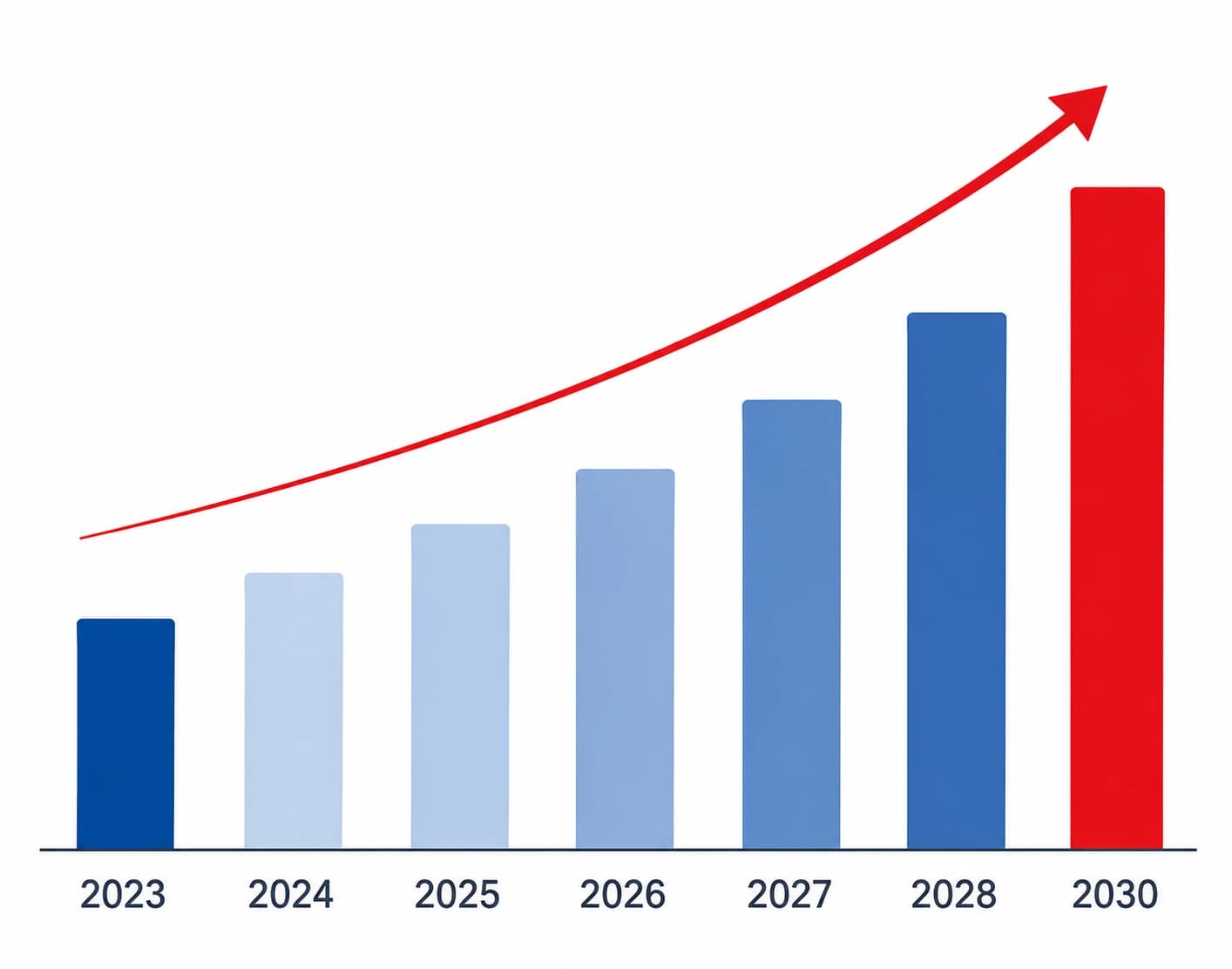
The global Sour Plum Beverage Concentrate market was valued at US$ 320 million in 2025 and is anticipated to reach US$ 477 million by 2032, at a CAGR of 5.8% from 2026 to 2032.
The 2025 U.S. tariff policies introduce profound uncertainty into the global economic landscape. This report critically examines the implications of recent tariff adjustments and international strategic countermeasures on Sour Plum Beverage Concentrate competitive dynamics, regional economic interdependencies, and supply chain reconfigurations.
Sour Plum Beverage Concentrate refers to a concentrated beverage base made from smoked or sour plum, ume, green plum or related stone-fruit materials, often blended with hawthorn, osmanthus, licorice, tangerine peel and other flavoring ingredients. It is produced through extraction, decoction, filtration, blending, concentration, pasteurization or aseptic filling processes, and is supplied in liquid concentrate, sour plum paste, syrup, BIB concentrate, foodservice pouches or high-strength ume extract formats. The product is diluted with water, iced water, soda, tea or other beverage bases before consumption and is mainly used by foodservice chains, hotpot and barbecue restaurants, tea shops, beverage factories and household consumers seeking standardized sour-sweet plum flavor and efficient drink preparation.
Based on our research, “Sour Plum Puree” is not the most appropriate professional scope for this topic. The more accurate industry term is “Sour Plum Beverage Concentrate,” which includes sour plum drink concentrate, sour plum paste, ume or smoked plum concentrate, osmanthus sour plum syrup and foodservice beverage bases. The category is structurally different from ordinary plum juice concentrate because it is usually a formulated beverage base rather than a single-fruit industrial juice ingredient. It is also different from ready-to-drink sour plum beverages because its primary value lies in foodservice standardization, dilution efficiency, shelf stability and flavor consistency for restaurants, beverage shops and drink manufacturers.
Demand growth is mainly driven by chain restaurant standardization, hotpot and barbecue beverage pairing, new Chinese-style wellness drinks and retail convenience. The category benefits from consumers’ interest in traditional flavors, digestive and refreshing occasions, and low-sugar or cleaner-label beverage formats. However, it remains a niche category with regional taste characteristics and seasonal demand. The most competitive suppliers will be those capable of combining authentic plum flavor extraction, stable large-scale production, compliant use of additives, aseptic or advanced filling formats, and flexible packaging for both foodservice and retail channels. The market is expected to grow steadily rather than explosively, with gradual consolidation among large B2B suppliers while regional brands and OEM manufacturers continue to serve fragmented local demand.
From an industry outlook perspective, sour plum beverage concentrate is not a high-growth mass market, but a steadily growing segment driven by the industrial upgrading of traditional beverages. Its market ceiling is constrained by the regional and seasonal nature of sour plum flavor, yet penetration still has room to increase in hotpot and barbecue restaurants, Chinese-style wellness drinks, tea beverage ingredients, and overseas Asian dining channels. Future competition will likely evolve around three paths: large-format, low-cost and stable-flavor products for B2B foodservice customers; time-honored brands, low-sugar formulas and health-oriented products for retail consumers; and distinctive plum-based concentrate products in Japan and Southeast Asia. Industry concentration is expected to rise gradually, while long-tail local brands and OEM manufacturers will continue to exist.
This report delivers a comprehensive overview of the global Sour Plum Beverage Concentrate market, with both quantitative and qualitative analyses, to help readers develop growth strategies, assess the competitive landscape, evaluate their position in the current market, and make informed business decisions regarding Sour Plum Beverage Concentrate. The Sour Plum Beverage Concentrate market size, estimates, and forecasts are provided in terms of sales volume (Tons) and revenue (US$ millions), with 2025 as the base year and historical and forecast data for 2021–2032.
The report segments the global Sour Plum Beverage Concentrate market comprehensively. Regional market sizes by Type, by Application, by Ingredient Base, and by company are also provided. For deeper insight, the report profiles the competitive landscape, key competitors, and their respective market rankings, and discusses technological trends and new product developments.
This report will assist Sour Plum Beverage Concentrate manufacturers, new entrants, and companies across the industry value chain with information on revenues, sales volume, and average prices for the overall market and its sub-segments, by company, by Type, by Application, and by region.
Chapter 1: Defines the scope of the report and presents an executive summary of market segments (by Type, by Application, by Ingredient Base, etc.), including the size of each segment and its future growth potential. It offers a high-level view of the current market and its likely evolution in the short, medium, and long term.
Chapter 2: Provides a detailed analysis of the competitive landscape for Sour Plum Beverage Concentrate manufacturers, covering pricing, sales and revenue shares, latest development plans, and mergers and acquisitions.
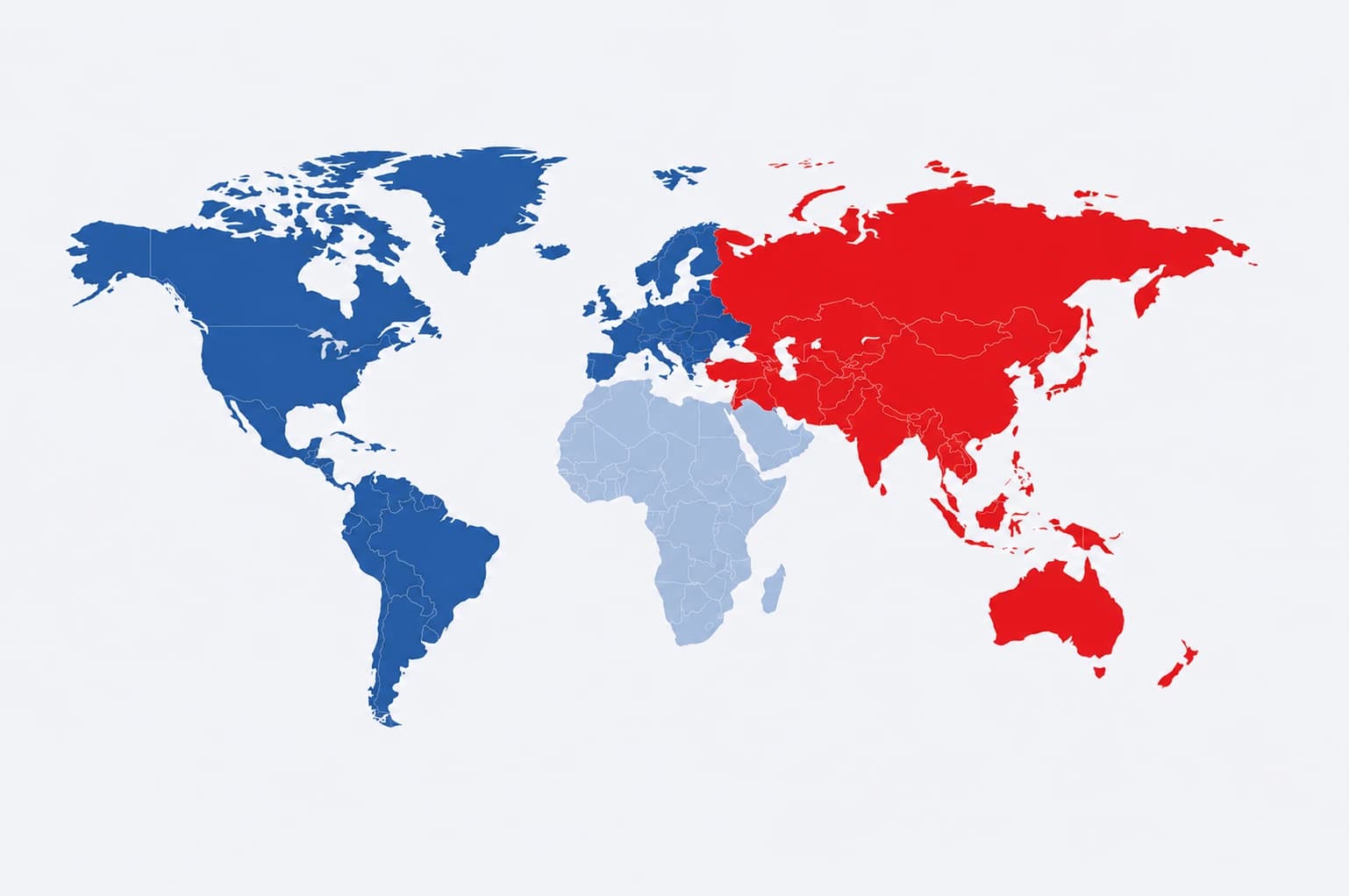
Chapter 3: Examines Sour Plum Beverage Concentrate sales and revenue at the regional and country levels. It quantifies market size and growth potential for each region and its key countries, and outlines market development, outlook, addressable space, and national market size.
Chapter 4: Analyzes segments by Type, detailing the size and growth potential of each segment to help readers identify “blue ocean” opportunities.
Chapter 5: Analyzes market segments by Application, covering the size and growth potential of each segment to help readers identify “blue ocean” opportunities in downstream markets.
Chapter 6: Profiles key players, presenting core information on leading companies, including product sales, revenue, pricing, gross margin, product portfolio/introductions, and recent developments.
Chapter 7: Reviews the industry value chain, including upstream and downstream segments.
Chapter 8: Discusses market dynamics and recent developments, including drivers, restraints, challenges and risks for manufacturers, U.S. Tariffs and relevant policy analysis.
Chapter 9: Summarizes the key findings and conclusions of the report.
- ★ What Is The Overall Market Size And Projected Growth Rate Across Global And Regional Segments?
- ★ How Does The Market Size And Growth Outlook Vary Across Major Countries?
- ★ Which Region Or Market Sub-Segment Is Anticipated To Dominate Growth During The Forecast Period?
- ★ What Are The Primary Factors Expected To Drive Market Expansion, And What Challenges May Restrain Growth?
- ★ Which Emerging Technologies And Market Trends Are Shaping The Future Landscape?
- ★ What Are The Most Significant Opportunities Available In The Market?
- ★ Who Are The Leading Manufacturers Actively Participating In The Global Market?
- ★ Which Company Currently Holds The Largest Share Of The Market?
- ★ What Are The Potential Growth Avenues For New Entrants In The Global Market?