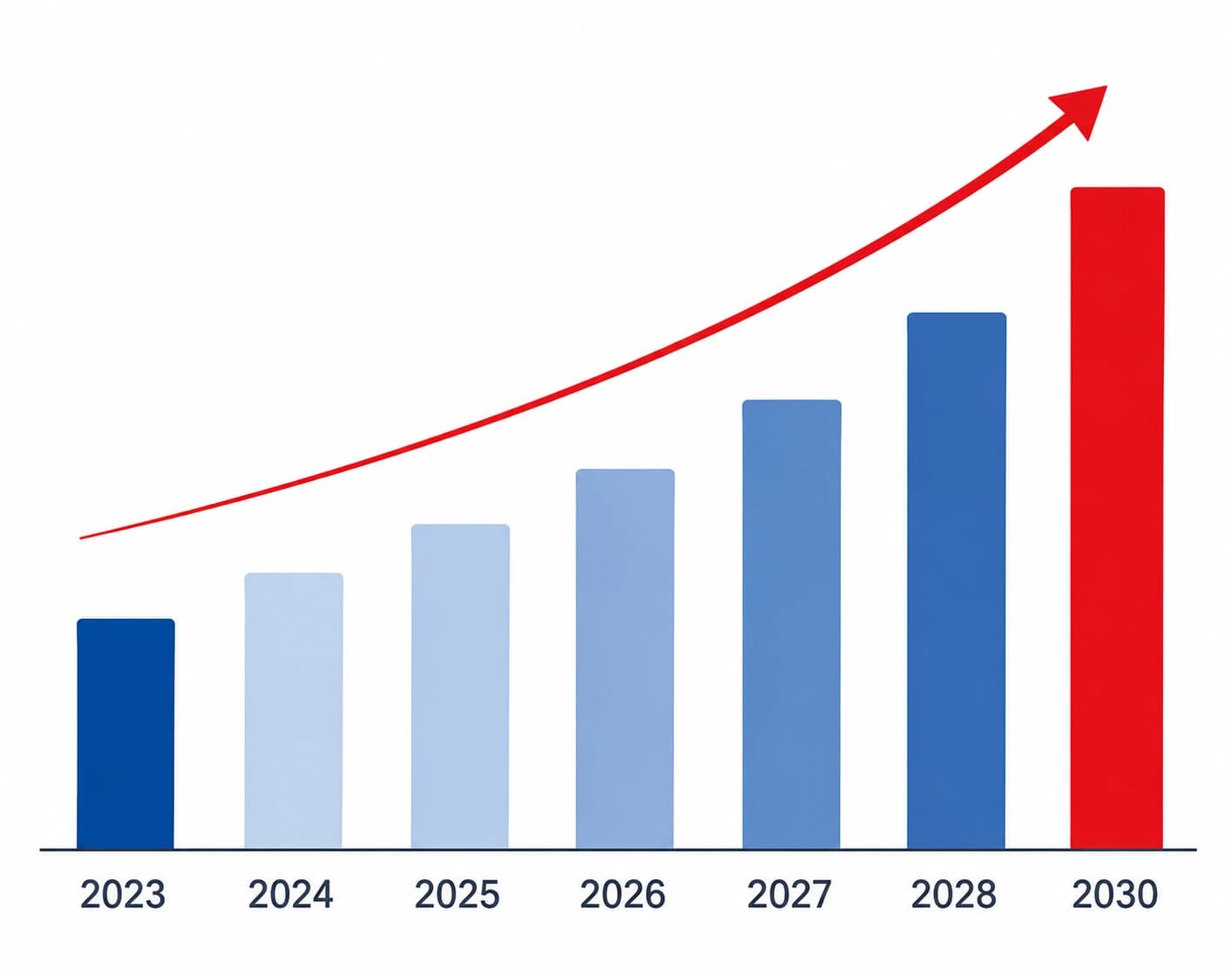
The global market for Food Grade Caffeine Anhydrous was estimated to be worth US$ 680 million in 2024 and is forecast to a readjusted size of US$ 1325 million by 2031 with a CAGR of 10.0% during the forecast period 2025-2031.
The potential shifts in the 2025 U.S. tariff framework pose substantial volatility risks to global markets. This report provides a comprehensive assessment of recent tariff adjustments and international strategic countermeasures on Food Grade Caffeine Anhydrous cross-border industrial footprints, capital allocation patterns, regional economic interdependencies, and supply chain reconfigurations.
Food grade caffeine anhydrous is a highly purified caffeine raw material refined to meet food safety standards, characterized by high stability, good solubility, and ease of application, and is widely used in beverage and food formulations. In 2024, the production of food grade caffeine anhydrous was 44,444 tons, with an average price of 15,300 USD per ton. The food grade caffeine anhydrous industry chain is led upstream by raw material suppliers of coffee beans and tea leaves, such as Louis Dreyfus Company, ECOM, and Mitsui & Co., Ltd; the midstream consists of caffeine extraction and refining; downstream applications include food and beverages, represented by Coca-Cola, PepsiCo, and Nestlé. In 2024, the annual production capacity per line was about 3,000 tons, with an average gross margin of approximately 50%.
The market outlook for food grade caffeine anhydrous is highly positive, with sustained growth driven by rising demand for functional drinks, sports nutrition, and health foods. Increasing consumer focus on energy supplementation, alertness, and wellness is pushing companies to invest more in formulation innovation and expanded applications. In the coming years, the global upgrade of the food and beverage industry will further boost the utilization of high-quality raw materials. Food grade caffeine anhydrous is expected to demonstrate greater advantages in stability, application diversification, and supply chain security, maintaining strong market growth momentum while attracting greater investment and R&D efforts.
This report aims to provide a comprehensive presentation of the global market for Food Grade Caffeine Anhydrous, focusing on the total sales volume, sales revenue, price, key companies market share and ranking, together with an analysis of Food Grade Caffeine Anhydrous by region & country, by Type, and by Application.
The Food Grade Caffeine Anhydrous market size, estimations, and forecasts are provided in terms of sales volume (Tons) and sales revenue ($ millions), considering 2024 as the base year, with history and forecast data for the period from 2020 to 2031. With both quantitative and qualitative analysis, to help readers develop business/growth strategies, assess the market competitive situation, analyze their position in the current marketplace, and make informed business decisions regarding Food Grade Caffeine Anhydrous.
Chapter 1: Introduces the report scope of the report, global total market size (value, volume and price). This chapter also provides the market dynamics, latest developments of the market, the driving factors and restrictive factors of the market, the challenges and risks faced by manufacturers in the industry, and the analysis of relevant policies in the industry.
Chapter 2: Detailed analysis of Food Grade Caffeine Anhydrous manufacturers competitive landscape, price, sales and revenue market share, latest development plan, merger, and acquisition information, etc.
Chapter 3: Provides the analysis of various market segments by Type, covering the market size and development potential of each market segment, to help readers find the blue ocean market in different market segments.
Chapter 4: Provides the analysis of various market segments by Application, covering the market size and development potential of each market segment, to help readers find the blue ocean market in different downstream markets.
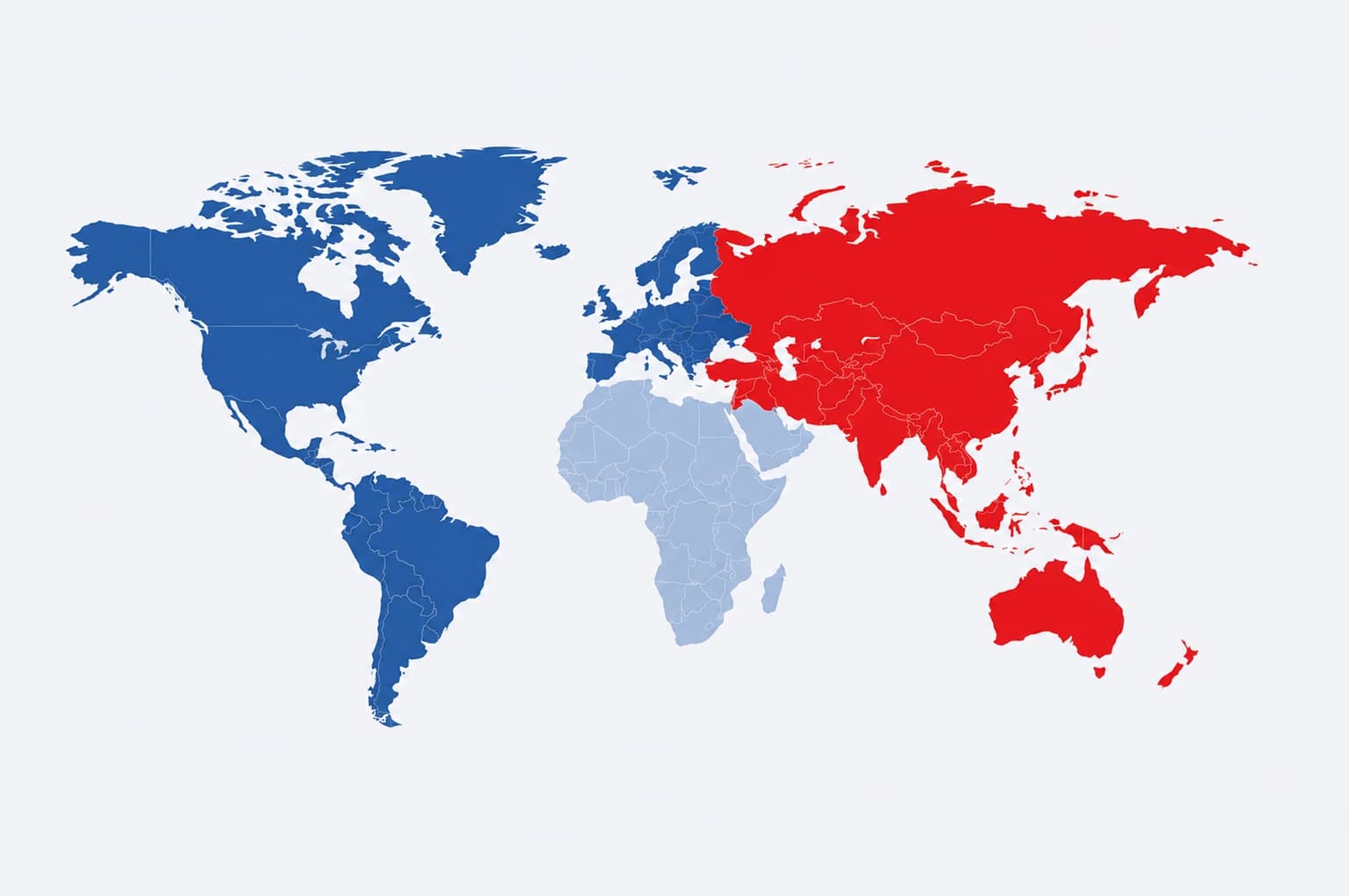
Chapter 5: Sales, revenue of Food Grade Caffeine Anhydrous in regional level. It provides a quantitative analysis of the market size and development potential of each region and introduces the market development, future development prospects, market space, and market size of each country in the world.
Chapter 6: Sales, revenue of Food Grade Caffeine Anhydrous in country level. It provides sigmate data by Type, and by Application for each country/region.
Chapter 7: Provides profiles of key players, introducing the basic situation of the main companies in the market in detail, including product sales, revenue, price, gross margin, product introduction, recent development, etc.
Chapter 8: Analysis of industrial chain, including the upstream and downstream of the industry.
- ★ What Is The Overall Market Size And Projected Growth Rate Across Global And Regional Segments?
- ★ How Does The Market Size And Growth Outlook Vary Across Major Countries?
- ★ Which Region Or Market Sub-Segment Is Anticipated To Dominate Growth During The Forecast Period?
- ★ What Are The Primary Factors Expected To Drive Market Expansion, And What Challenges May Restrain Growth?
- ★ Which Emerging Technologies And Market Trends Are Shaping The Future Landscape?
- ★ What Are The Most Significant Opportunities Available In The Market?
- ★ Who Are The Leading Manufacturers Actively Participating In The Global Market?
- ★ Which Company Currently Holds The Largest Share Of The Market?
- ★ What Are The Potential Growth Avenues For New Entrants In The Global Market?