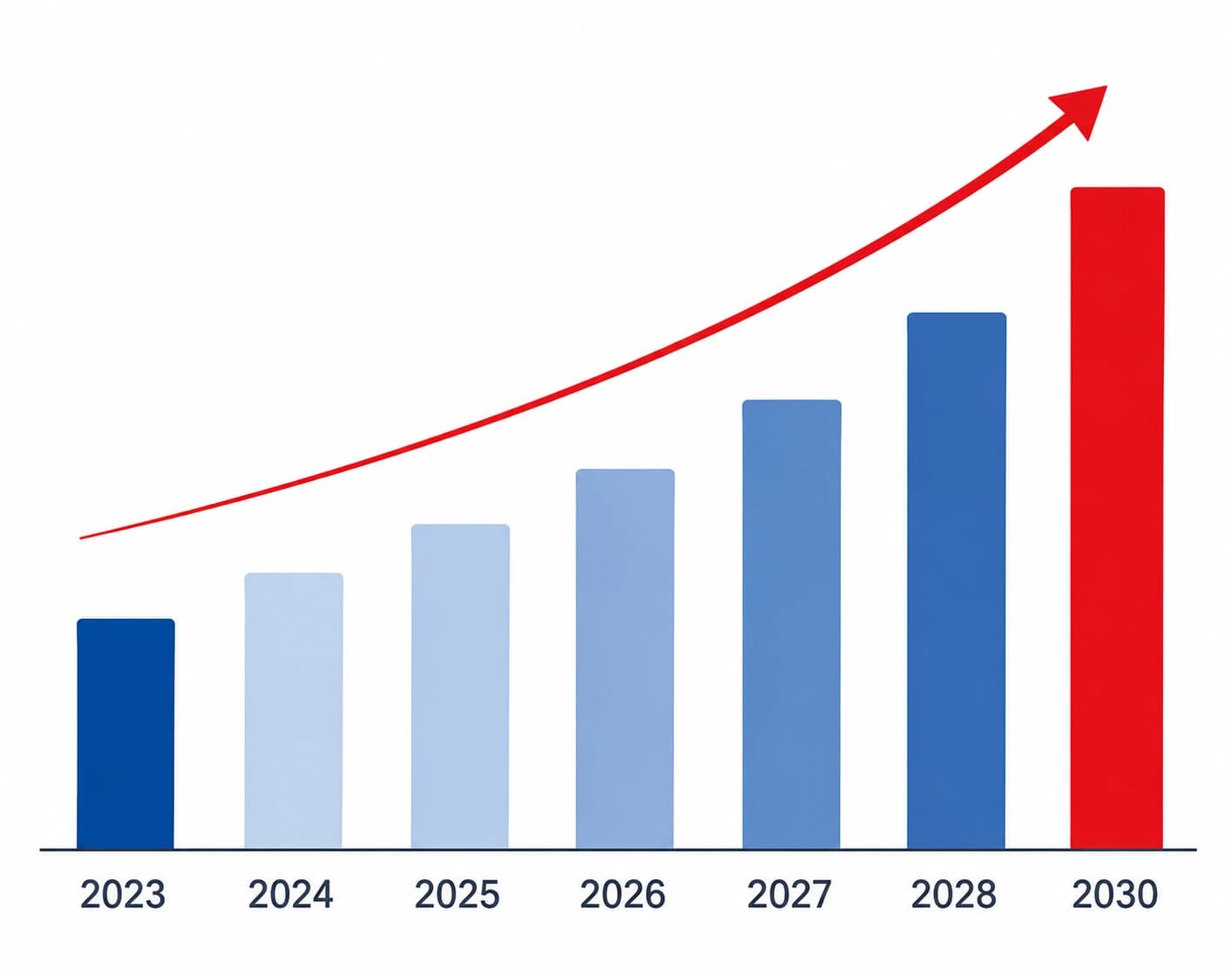
The global market for Lowboy Semi-trailer was estimated to be worth US$ 2919 million in 2025 and is projected to reach US$ 3633 million, growing at a CAGR of 3.0% from 2026 to 2032.
The potential shifts in the 2025 U.S. tariff framework pose substantial volatility risks to global markets. This report provides a comprehensive assessment of recent tariff adjustments and international strategic countermeasures on Lowboy Semi-trailer cross-border industrial footprints, capital allocation patterns, regional economic interdependencies, and supply chain reconfigurations.
Lowboy semi-trailers are a type of semi-trailer with a low platform height and a flat structure, specifically designed for transporting construction machinery, large equipment, and oversized cargo. They typically employ a low center of gravity design to reduce the overall transport height and improve driving stability. Widely used in construction engineering, mining, and energy equipment transportation, they are essential equipment in heavy-duty and special-purpose transport. Compared to low-bed semi-trailers, their structure is more flattened, making them suitable for transport tasks requiring high loading flexibility. In terms of price, lowboyd semi-trailers are considered mid-to-high-end products: basic models cost approximately $35,000–$70,000 per unit, mainstream models cost approximately $50,000–$120,000 per unit, while multi-axle heavy-duty or high-configuration models can reach over $120,000–$200,000; overall, the average selling price is typically concentrated in the $50,000–$100,000 range.
Against the backdrop of continuous global infrastructure construction and increasing demand for heavy equipment transportation, low-bed semi-trailers, as core equipment in engineering transportation systems, are experiencing stable development opportunities. These products, through their low platform design and high-strength frame structure, enable the safe transportation of construction machinery, mining equipment, and large industrial equipment, and are widely used in construction engineering, energy projects, and heavy industry. As the scale of large-scale global projects continues to expand, the importance of low-bed semi-trailers in heavy-duty transportation systems continues to rise.
From an industry development perspective, the lowboy semi-trailer market is closely related to infrastructure investment and industrial development cycles. In mature markets like Europe and North America, demand mainly comes from equipment upgrades and high-end customized upgrades, with products developing towards lightweighting and high load-bearing capacity. In China and emerging markets, large-scale infrastructure construction and energy projects are the main driving forces, driving continued market demand growth. At the same time, the increasing demand for transporting wind power equipment, construction machinery, and large manufacturing equipment also provides new growth opportunities for the industry.
From a market size and structure perspective, lowboy semi-trailers occupy an important position in the overall semi-trailer market, belonging to the mid-to-high-end segment. The unit price of these low-bed semi-trailers is higher than that of ordinary box semi-trailers but lower than that of modular heavy transport equipment, with the average selling price typically ranging from $50,000 to $100,000. With the application of high-strength steel and lightweight design, the product's advantages in improving transportation efficiency and reducing operating costs are becoming increasingly apparent, further enhancing its market competitiveness.
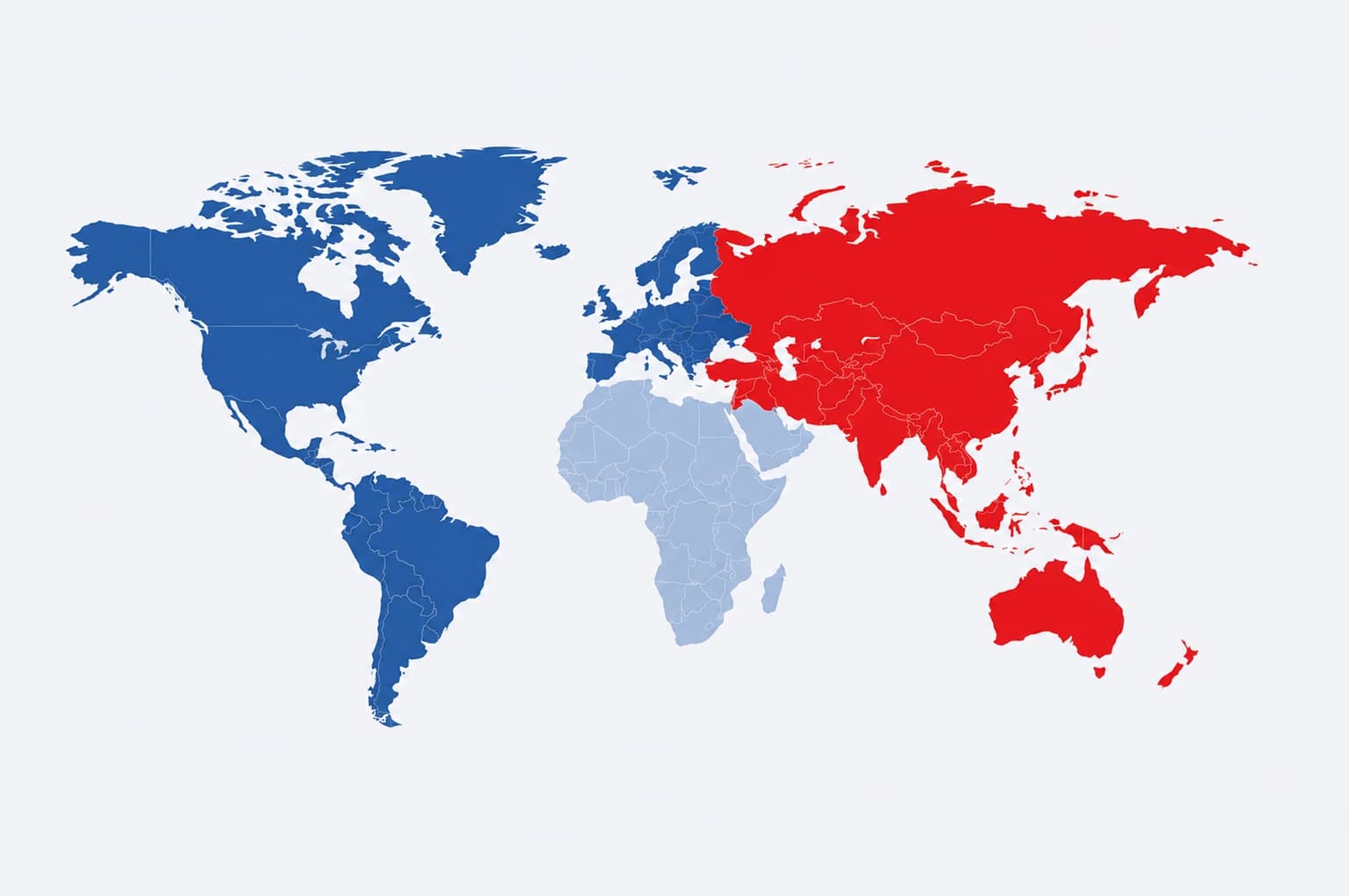
From a competitive landscape perspective, the lowboy semi-trailer market exhibits clear regional characteristics. European companies have a leading advantage in high-end design and structural optimization, North American companies maintain a stable market share by relying on mature engineering transportation systems, while Chinese companies are rapidly expanding in the mid-range market and export sectors thanks to their cost advantages and large-scale production capabilities. As market competition intensifies, companies are gradually shifting from product competition to solution competition, increasing market share through customized design and service capabilities.
Looking ahead, the lowboy semi-trailer industry will exhibit three major trends: First, the application of lightweight and high-strength materials will continue to advance to improve load-bearing capacity and reduce transportation costs; second, intelligent technologies will be gradually introduced, including remote monitoring and safety management systems, to improve transportation safety and operational efficiency; and finally, with the development of new energy and low-carbon transportation concepts, the industry will explore more environmentally friendly materials and design solutions. Driven by the continued growth in global infrastructure and industrial transportation demand, the low-flatbed semi-trailer market will maintain steady development and continue to play an important role in the heavy-duty transportation sector.
This report provides a comprehensive view of the global market for Lowboy Semi-trailer, covering total sales volume, sales revenue, pricing, the market share and ranking of key companies, along with analyses by region & country, by Type, and by Application.
The Lowboy Semi-trailer market size, estimations, and forecasts are presented in terms of sales volume (Units) and revenue ($ millions), with 2025 as the base year and historical and forecast data from 2021 to 2032. The report combines quantitative and qualitative analysis to help readers develop growth strategies, assess the competitive landscape, evaluate their position in the current marketplace, and make informed business decisions regarding Lowboy Semi-trailer.
Chapter 1: Introduces the scope of the report and the global market size (value, volume, and price). It also summarizes market dynamics and Recent Developments; identifies key drivers and restraints; outlines challenges and risks for manufacturers; reviews relevant industry policies and U.S. tariff implications.
Chapter 2: Provides a detailed analysis of the Lowboy Semi-trailer manufacturers' competitive landscape—including pricing, sales and revenue shares, Recent Developments plans, and mergers and acquisitions (M&A).
Chapter 3: Analyzes market segmentation by Type, presenting the size and growth potential of each segment to help readers identify blue-ocean opportunities.
Chapter 4: Analyzes market segmentation by Application, presenting the size and growth potential of each downstream segment to help readers identify blue-ocean opportunities.
Chapter 5: Presents Lowboy Semi-trailer sales and revenue at the regional level. It offers a quantitative assessment of market size and growth potential by region and summarizes market development, future prospects, addressable space, and country-level market size worldwide.
Chapter 6: Presents Lowboy Semi-trailer sales and revenue at the country level. It provides segmented data by Type and by Application for each country/region.
Chapter 7: Profiles key players, detailing the main companies' product sales, revenue, pricing, gross margin, product portfolios, Recent Developments, etc.
Chapter 8: Analyzes the industry value chain, including upstream suppliers and downstream applications/customers.
- ★ What Is The Overall Market Size And Projected Growth Rate Across Global And Regional Segments?
- ★ How Does The Market Size And Growth Outlook Vary Across Major Countries?
- ★ Which Region Or Market Sub-Segment Is Anticipated To Dominate Growth During The Forecast Period?
- ★ What Are The Primary Factors Expected To Drive Market Expansion, And What Challenges May Restrain Growth?
- ★ Which Emerging Technologies And Market Trends Are Shaping The Future Landscape?
- ★ What Are The Most Significant Opportunities Available In The Market?
- ★ Who Are The Leading Manufacturers Actively Participating In The Global Market?
- ★ Which Company Currently Holds The Largest Share Of The Market?
- ★ What Are The Potential Growth Avenues For New Entrants In The Global Market?