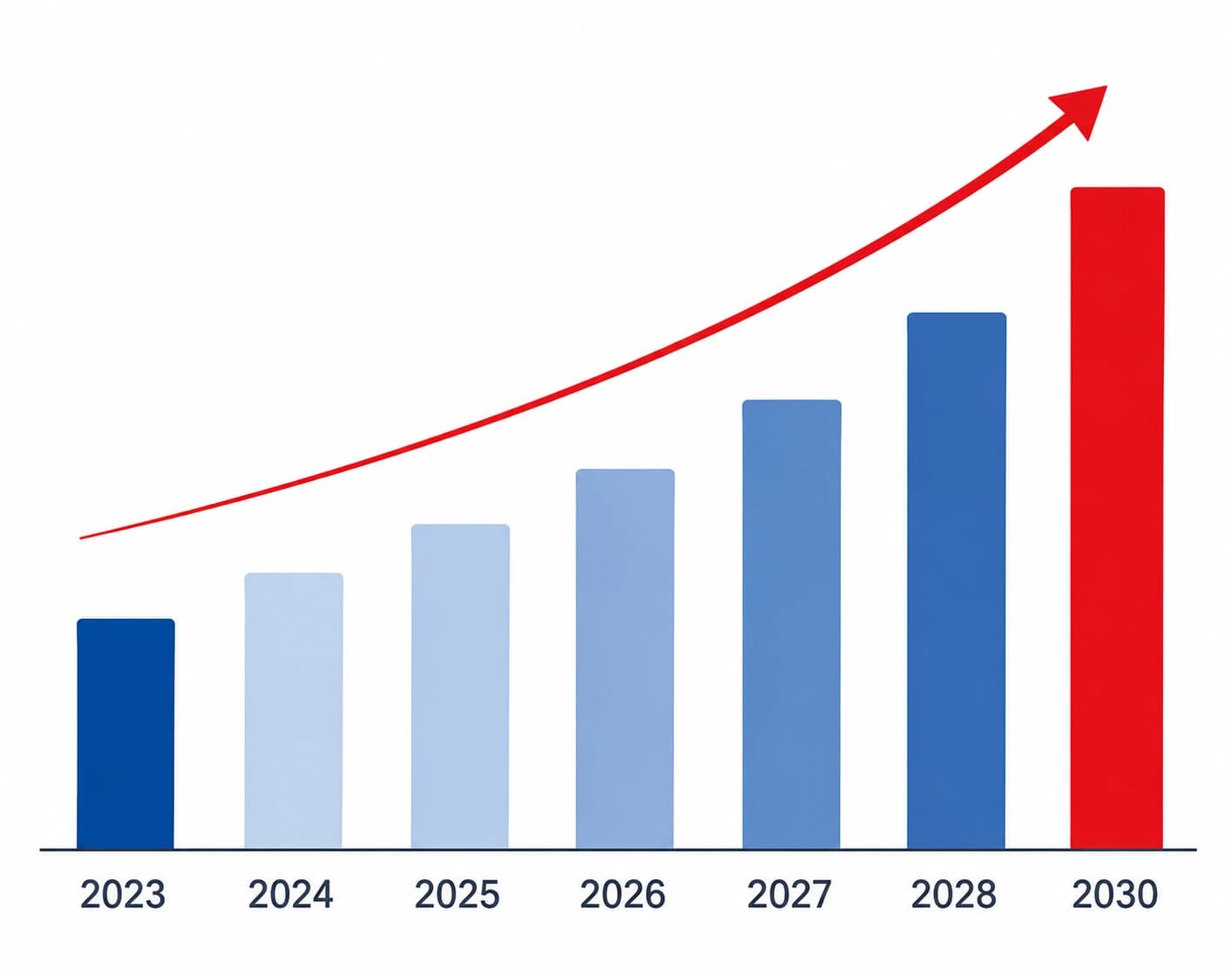
The global market for Precision Compression Spring was estimated to be worth US$ 4952 million in 2025 and is projected to reach US$ 7848 million, growing at a CAGR of 6.8% from 2026 to 2032.
The potential shifts in the 2025 U.S. tariff framework pose substantial volatility risks to global markets. This report provides a comprehensive assessment of recent tariff adjustments and international strategic countermeasures on Precision Compression Spring cross-border industrial footprints, capital allocation patterns, regional economic interdependencies, and supply chain reconfigurations.
A Precision Compression Spring is a highly accurate helical spring designed to resist compressive forces and return to its original length when the load is removed. It is manufactured with tight tolerances in terms of wire diameter, coil spacing, free length, and load-deflection characteristics, ensuring consistent mechanical performance in high-precision applications.These springs are typically made from high-performance materials such as stainless steel, music wire, or alloy steels, and are used in environments where reliability, repeatability, and dimensional accuracy are critical.In 2025, global Precision Compression Spring production reached approximately 11.79 B units, with an average global market price of around US$ 0.42 per unit. Annual production capacity is 13.5 B units. Gross Profit Margin:38%.The precision compression spring industry chain is relatively mature and highly fragmented. Upstream consists of steel wire materials such as music wire, stainless steel, and alloy steel, along with heat treatment and coating suppliers. Midstream is dominated by precision spring manufacturers that perform wire forming, coiling, heat treatment, grinding, and surface finishing. Downstream demand comes from automotive systems, consumer electronics, medical devices, connectors, and industrial automation equipment, where springs serve as critical elastic components for force control and energy storage.Precision compression springs are a “small but essential” industrial component with extremely high penetration across modern engineering systems. Although the unit price is low, their value is amplified by scale and system dependency. In my view, future growth will be driven more by high-end applications such as EVs, robotics, and medical micro-devices rather than traditional mechanical systems. The industry will continue to shift toward higher precision, tighter tolerances, and material specialization.
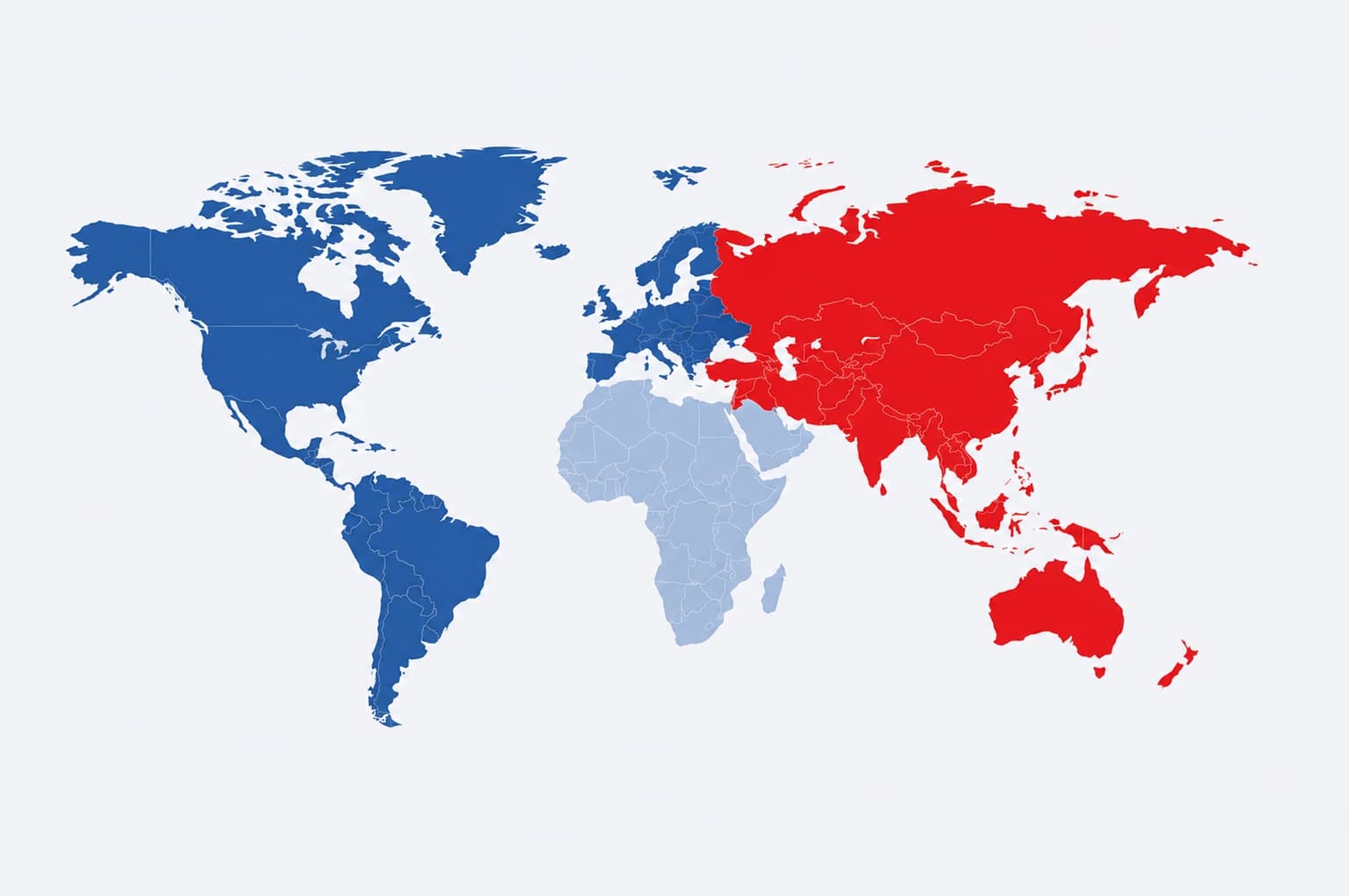
The North American market for Precision Compression Spring was valued at US$ million in 2025 and is projected to reach US$ million by 2032, at a CAGR of % from 2026 to 2032.
The Asia-Pacific market for Precision Compression Spring was valued at $ million in 2025 and is projected to climb to US$ million by 2032, at a CAGR of % from 2026 to 2032.
The European market for Precision Compression Spring was valued at $ million in 2025 and is projected to total US$ million by 2032, at a CAGR of % from 2026 to 2032.
The global key companies in the Precision Compression Spring market include Nhk Spring, Mubea Gmbh, Chuo Spring, Daewon Kang Up, Lesjöfors Ab, Sogefi Group, Mitsubishi Steel Mfg, Acxess Spring, Thyssenkrupp Ag, Eibach Gmbh, etc. In 2025, the five largest players accounted for approximately % of revenue.
This report provides a comprehensive view of the global market for Precision Compression Spring, covering total sales volume, sales revenue, pricing, the market share and ranking of key companies, along with analyses by region & country, by Precision Grade, and by Application.
The Precision Compression Spring market size, estimations, and forecasts are presented in terms of sales volume (Units) and revenue ($ millions), with 2025 as the base year and historical and forecast data from 2021 to 2032. The report combines quantitative and qualitative analysis to help readers develop growth strategies, assess the competitive landscape, evaluate their position in the current marketplace, and make informed business decisions regarding Precision Compression Spring.
Chapter 1: Introduces the scope of the report and the global market size (value, volume, and price). It also summarizes market dynamics and Recent Developments; identifies key drivers and restraints; outlines challenges and risks for manufacturers; reviews relevant industry policies and U.S. tariff implications.
Chapter 2: Provides a detailed analysis of the Precision Compression Spring manufacturers' competitive landscape—including pricing, sales and revenue shares, Recent Developments plans, and mergers and acquisitions (M&A).
Chapter 3: Analyzes market segmentation by Precision Grade, presenting the size and growth potential of each segment to help readers identify blue-ocean opportunities.
Chapter 4: Analyzes market segmentation by Application, presenting the size and growth potential of each downstream segment to help readers identify blue-ocean opportunities.
Chapter 5: Presents Precision Compression Spring sales and revenue at the regional level. It offers a quantitative assessment of market size and growth potential by region and summarizes market development, future prospects, addressable space, and country-level market size worldwide.
Chapter 6: Presents Precision Compression Spring sales and revenue at the country level. It provides segmented data by Precision Grade and by Application for each country/region.
Chapter 7: Profiles key players, detailing the main companies' product sales, revenue, pricing, gross margin, product portfolios, Recent Developments, etc.
Chapter 8: Analyzes the industry value chain, including upstream suppliers and downstream applications/customers.
- ★ What Is The Overall Market Size And Projected Growth Rate Across Global And Regional Segments?
- ★ How Does The Market Size And Growth Outlook Vary Across Major Countries?
- ★ Which Region Or Market Sub-Segment Is Anticipated To Dominate Growth During The Forecast Period?
- ★ What Are The Primary Factors Expected To Drive Market Expansion, And What Challenges May Restrain Growth?
- ★ Which Emerging Technologies And Market Trends Are Shaping The Future Landscape?
- ★ What Are The Most Significant Opportunities Available In The Market?
- ★ Who Are The Leading Manufacturers Actively Participating In The Global Market?
- ★ Which Company Currently Holds The Largest Share Of The Market?
- ★ What Are The Potential Growth Avenues For New Entrants In The Global Market?