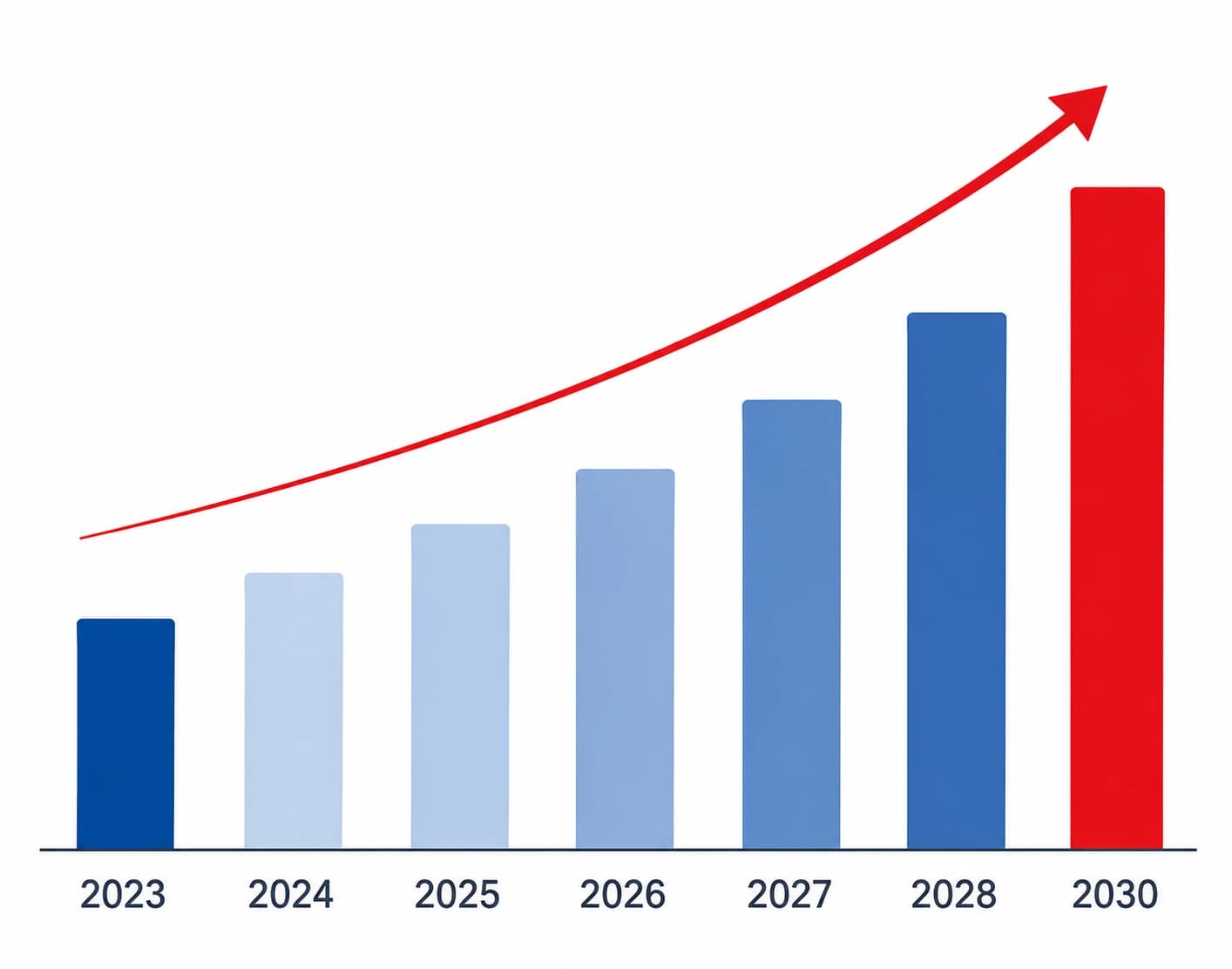
The global High-Precision Direct Drive Rotary Tables market is projected to grow from US$ 539 million in 2024 to US$ 855 million by 2031, at a CAGR of 6.8% (2025-2031), driven by critical product segments and diverse end‑use applications, while evolving U.S. tariff policies introduce trade‑cost volatility and supply‑chain uncertainty.
In 2024, global High-Precision Direct Drive Rotary Tables sales reached approximately 95,808 units, with an average global market price of around US$5,625 per unit.
High-Precision Direct Drive Rotary Table is an advanced motion control component characterized by its Direct Drive (DD) technology, meaning the motor rotor is directly coupled to the load platform without any intermediate mechanical transmission elements like gears, belts, or gearboxes. This design eliminates inherent issues associated with traditional mechanical drives, such as backlash, friction, wear, and elastic deformation. The rotary table integrates a high-torque motor (often a torque motor), high-precision bearings, and a high-resolution encoder for real-time position feedback. Its key advantages include achieving extremely high positioning accuracy (down to a few arc-seconds) and repeatability, high rigidity, high dynamic response (high speed and acceleration), and smooth, quiet operation. By eliminating mechanical wear, Direct Drive Rotary Tables offer an extended service life and low maintenance requirements. They are widely utilized in applications demanding precise angular positioning and high-speed continuous rotation, such as high-end CNC machine tools (as 4th/5th axes), semiconductor manufacturing equipment, precision inspection, and automated assembly systems.
The production model for Direct Drive Rotary Tables typically involves a Hybrid approach of Customized Design and Batch Manufacturing. While core components such as torque motors, high-resolution encoders, and bearings are standard parts acquired or manufactured in batches, the final rotary table product requires customized engineering design and system integration based on the specific load capacity, size, and precision requirements of downstream customers in CNC machines, semiconductor equipment, or precision inspection systems. Manufacturers therefore often use an Assemble-to-Order (ATO) or Engineer-to-Order (ETO) model. Given that this product is a core component in high-end precision machinery and motion control, characterized by high technical barriers and stringent material/process requirements, its gross margin is generally high, estimated to range between 30% and 50%, though the specific figure is subject to competitive intensity and the degree of customer customization. In terms of the supply chain, the upstream segment focuses on providing high-performance magnetic materials, high-resolution optical encoders, precision cross-roller bearings, and CNC drive systems; the midstream consists of the rotary table manufacturers responsible for the integration, assembly, calibration, and rigorous accuracy testing of the core components; the downstream applications are broad and high-end, encompassing automotive manufacturing (high-precision component machining), aerospace, semiconductor fabrication (wafer handling), medical devices, and automated inspection equipment, with market demand driven by industrial automation, multi-axis machining, and the pursuit of higher product quality.
Market Development Opportunities & Main Driving Factors
The High-Precision Direct Drive Rotary Table market is positioned at the intersection of technological upgrades and the industrial automation wave, facing explosive growth opportunities. The main driving factors include the global manufacturing sector’s urgent need for high precision, high efficiency, and flexible manufacturing. In the New Energy Vehicle (NEV) sector, the precise multi-axis machining of complex parts like battery trays and motor housings demands machine tools with superior dynamic response and positioning accuracy. Direct Drive Rotary Tables, with their zero-backlash and high-rigidity features, are crucial technologies for upgrading 3-axis machines into highly efficient 4/5-axis machining centers. Concurrently, the pursuit of micron and nano-level positioning accuracy in the semiconductor and 3C electronics industries renders traditional geared rotary tables inadequate. Government-led strategies promoting “Industry 4.0” and smart manufacturing upgrades accelerate the adoption of factory automation and robotics, rapidly increasing the market penetration of Direct Drive Rotary Tables as core actuators for high-speed, high-precision motion control. Furthermore, the inherent advantages of low maintenance and long lifespan effectively reduce the Total Life Cycle Cost (LCC) for businesses, offering a strong appeal to investors focused on long-term Return on Investment (ROI).
Market Challenges, Risks, & Restraints
While experiencing rapid growth, the High-Precision Direct Drive Rotary Table market also contends with core technological barriers and cost control challenges. The most significant challenge lies in the integration and optimization of torque motors, high-resolution encoders, and drive control systems. The performance of a Direct Drive Rotary Table is highly dependent on the quality and compatibility of these critical upstream components, necessitating substantial R&D expenditure and time commitment for manufacturers to master the core technology. Supply chain stability is particularly vulnerable to global market fluctuations. Additionally, the high initial acquisition cost remains the primary restraint limiting adoption in mid-to-low-end markets. Although long-term operational benefits are significant, the higher upfront capital expenditure can deter cost-sensitive small and medium-sized enterprises. From a technological risk perspective, the continuous demand for higher power density and more compact designs places elevated demands on manufacturers' heat dissipation technology and material science expertise. Market competition is also intensifying, with new entrants employing differentiation or low-price strategies, imposing persistent pricing pressure on the profitability of established high-end manufacturers.
Future downstream demand for High-Precision Direct Drive Rotary Tables will focus on deeper integration, intelligence, and ultra-high-precision applications. In the CNC machine tool sector, the trend is towards integrated 5-axis simultaneous solutions, requiring tables with larger center apertures (for easier cable and conduit routing) and higher rotational speeds to support mill-turn operations and high-speed cutting. In semiconductor equipment and precision metrology, the demand for ultra-high resolution (sub-arcsecond) and zero thermal drift is becoming mainstream, pushing the industry toward integrated water-cooling systems and advanced thermal management techniques. Moving forward, the Direct Drive Rotary Table will be viewed as an intelligent execution unit, with customers favoring products that offer Plug-and-Play capability, built-in condition monitoring sensors, and support for Industrial IoT (IIoT) protocols. This intelligence will enable predictive maintenance and remote diagnostics, minimizing downtime and helping companies achieve truly unattended, automated production lines.
This definitive report equips business leaders, decision-makers and stakeholders with a 360° view of the global High-Precision Direct Drive Rotary Tables market, seamlessly integrating production capacity and sales performance across the value chain. It analyzes historical production, revenue, and sales data (2020–2024) and delivers forecasts through 2031, illuminating demand trends and growth drivers.
By segmenting the market by Type and by Application, the study quantifies volume and value, growth rates, technical innovations, niche opportunities, and substitution risks, and analyzes downstream customers distribution pattern.
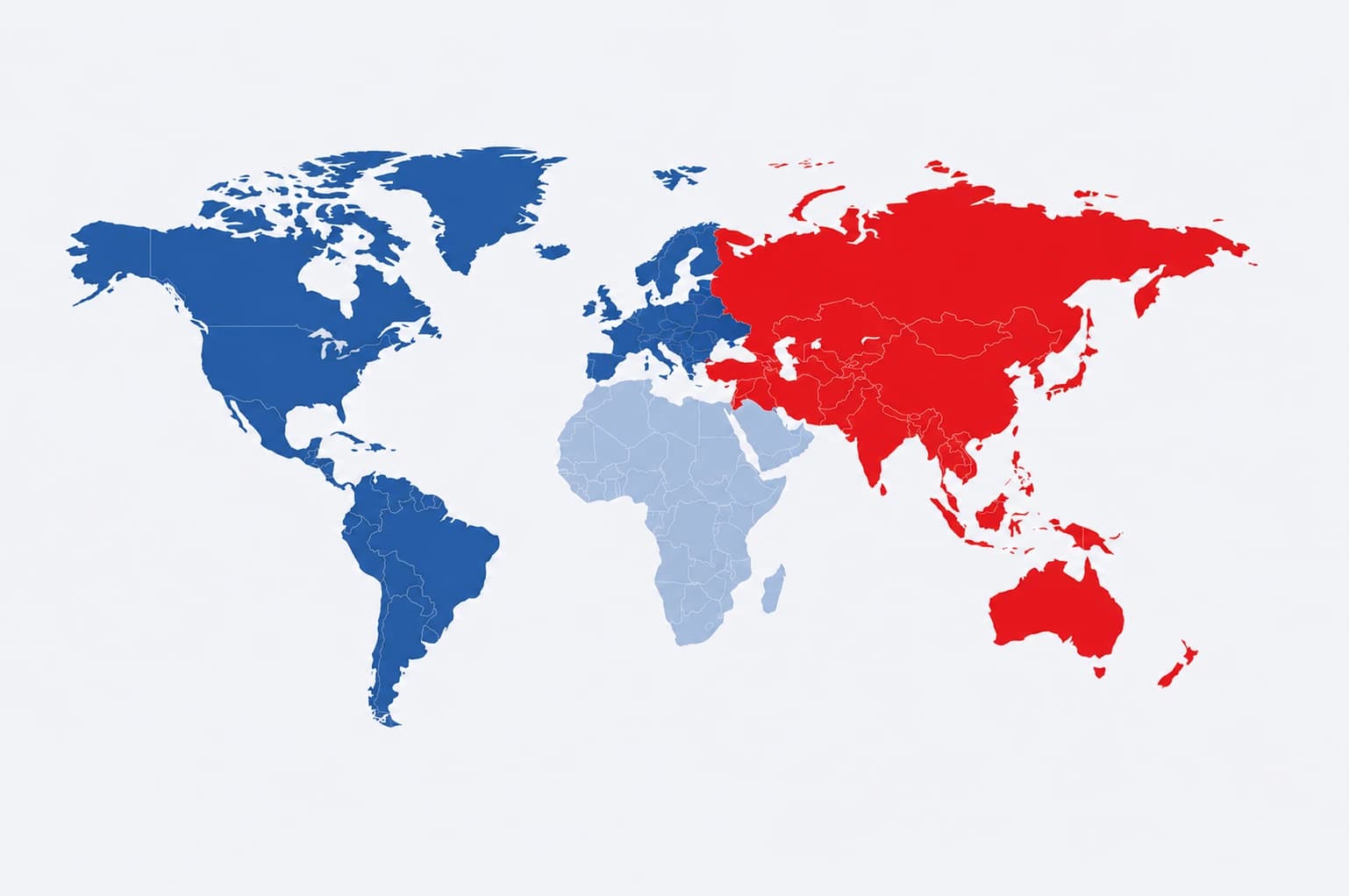
Granular regional insights cover five major markets—North America, Europe, APAC, South America, and MEA—with in‑depth analysis of 20+ countries. Each region’s dominant products, competitive landscape, and downstream demand trends are clearly detailed.
Critical competitive intelligence profiles manufacturers—capacity, sales volume, revenue, margins, pricing strategies, and major customers—and dissects the top-player positioning across product lines, applications, and regions to reveal strategic strengths.
A concise supply‑chain overview maps upstream suppliers, manufacturing technologies, cost structures, and distribution dynamics to identify strategic gaps and unmet demand.
Chapter 1: Defines the High-Precision Direct Drive Rotary Tables study scope, segments the market by Type and by Application, etc, highlights segment size and growth potential.
Chapter 2: Offers current market state, projects global revenue and sales to 2031, pinpointing high consumption regions and emerging market catalysts
Chapter 3: Maps global production capacity, utilization, and market share (2020–2031), identifies efficient hubs, reveals regulatory/trade policy impacts and bottlenecks.
Chapter 4: Dissects the manufacturer landscape—ranks by volume and revenue, analyzes profitability and pricing, maps production bases, details manufacturer performance by product type and evaluates concentration alongside M&A moves.
Chapter 5: Unlocks high margin product segments—compares sales, revenue, ASP, and technology differentiators, highlighting growth niches and substitution risks
Chapter 6: Targets downstream market opportunities—evaluates sales, revenue, and pricing by Application, identifies emerging use cases, and profiles leading customers by region and by Application.
Chapter 7: North America—breaks down sales and revenue by Type, by Application and country, profiles key manufacturers and assesses growth drivers and barriers.
Chapter 8: Europe—analyses regional sales, revenue and market by Type, by Application and manufacturers, flagging drivers and barriers.
Chapter 9: Asia Pacific—quantifies sales and revenue by Type, by Application, and region/country, profiles top manufacturers, and uncovers high potential expansion areas.
Chapter 10: Central & South America—measures sales and revenue by Type, by Application, and country, profiles top manufacturers, and identifies investment opportunities and challenges.
Chapter 11: Middle East and Africa—evaluates sales and revenue by Type, by Application, and country, profiles key manufacturers, and outlines investment prospects and market hurdles
Chapter 12: Profiles manufacturers in depth—details product specs, capacity, sales, revenue, margins; top manufactures 2024 sales breakdowns by product type, by Application, by sales region SWOT analysis, and recent strategic developments.
Chapter 13: Supply chain—analyses upstream raw materials and suppliers, manufacturing footprint and technology, cost drivers, plus downstream channels and distributor roles.
Chapter 14: Market dynamics—explores drivers, restraints, regulatory impacts, and risk mitigation strategies.
Chapter 15: Actionable conclusions and strategic recommendations.
Beyond standard market data, this analysis provides a clear profitability roadmap—empowering you to:
Allocate capital strategically to high growth regions (Chapters 7–11) and margin rich segments (Chapter 5).
Negotiate from strength with suppliers (Chapter 13) and customers (Chapter 6) using cost and demand intelligence.
Outmaneuver competitors with granular insights into their operations, margins, and strategies (Chapters 4 and 12).
Secure your supply chain against disruptions through upstream and downstream visibility (Chapters 13 and 14).
Leverage this 360° intelligence to turn market complexity into actionable competitive advantage.
- ★ What Is The Overall Market Size And Projected Growth Rate Across Global And Regional Segments?
- ★ How Does The Market Size And Growth Outlook Vary Across Major Countries?
- ★ Which Region Or Market Sub-Segment Is Anticipated To Dominate Growth During The Forecast Period?
- ★ What Are The Primary Factors Expected To Drive Market Expansion, And What Challenges May Restrain Growth?
- ★ Which Emerging Technologies And Market Trends Are Shaping The Future Landscape?
- ★ What Are The Most Significant Opportunities Available In The Market?
- ★ Who Are The Leading Manufacturers Actively Participating In The Global Market?
- ★ Which Company Currently Holds The Largest Share Of The Market?
- ★ What Are The Potential Growth Avenues For New Entrants In The Global Market?