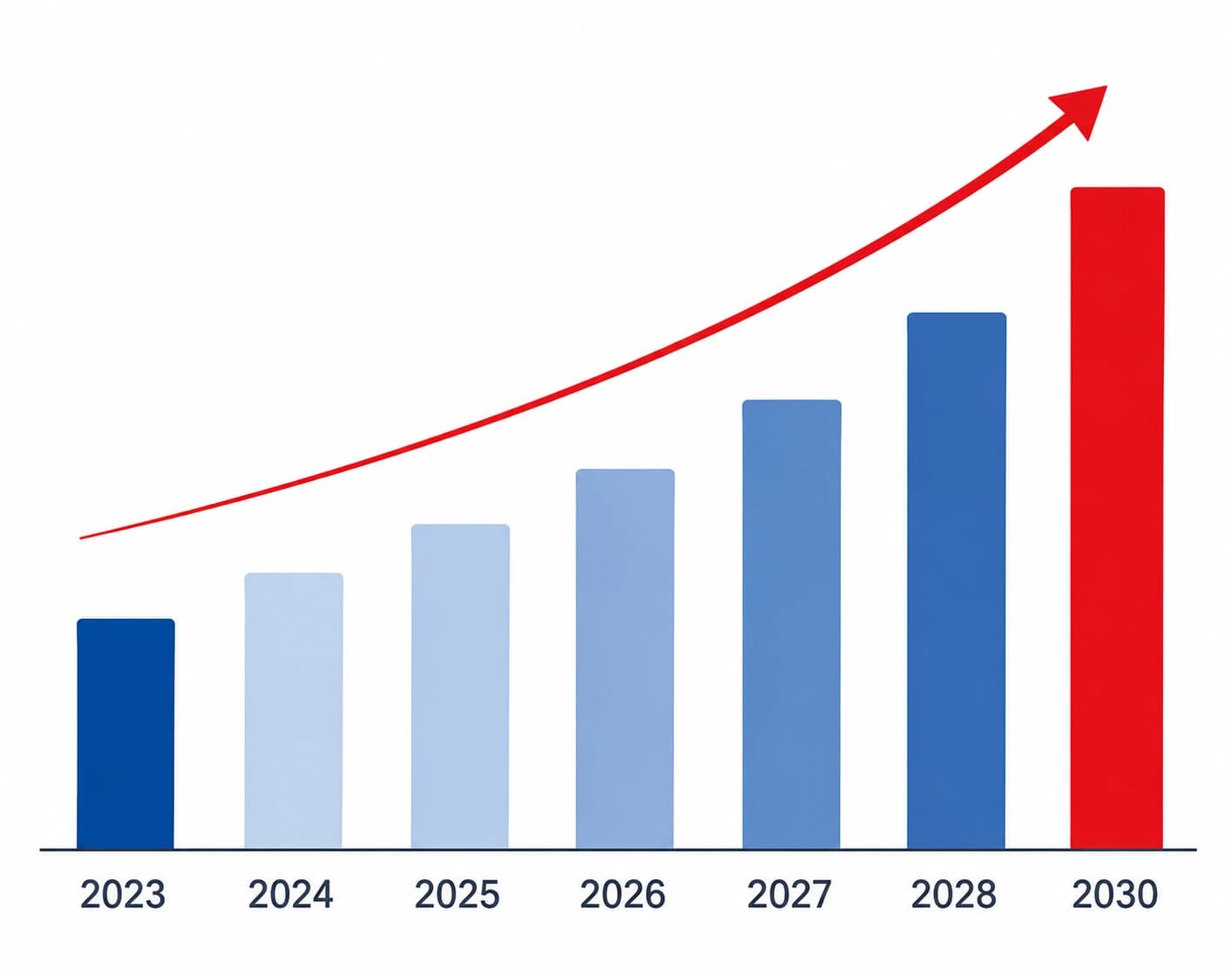
The global market for Insulated Food Cart was estimated to be worth US$ 581 million in 2025 and is projected to reach US$ 851 million, growing at a CAGR of 5.6% from 2026 to 2032.
Insulated Food Cart is a mobile temperature-controlled food transportation equipment designed for catering distribution, institutional meal delivery, and centralized food service applications. The product maintains food temperature stability through insulated structures, heating or cooling modules, temperature monitoring systems, and mobile chassis designs, enabling safe transportation of hot meals, cold foods, and prepared food products. The equipment typically consists of food-grade stainless-steel cabinets, polyurethane insulation layers, vacuum insulation materials, heating elements, refrigeration components, batteries or power modules, temperature sensors, digital control panels, caster systems, and tray storage structures. This research focuses on commercial insulated food carts used in foodservice and institutional catering environments, covering different insulation technologies, temperature control methods, capacity ranges, structural designs, and end-user applications.
Global insulated food cart sales reached approximately 465 thousand units in 2025 with an average selling price of US$1,250 per unit
Global production capacity reached approximately 620 thousand units annually with industry gross margins around 25%-35%
Passive insulated food carts remain the largest product category due to low operating costs and simple maintenance
50-150L capacity models represent a major commercial segment for institutional food distribution
Hotels, medical institutions, and central kitchen operators are key downstream users of insulated food carts
The insulated food cart industry is developing toward intelligent temperature management, energy-efficient operation, and digital food logistics solutions. Traditional passive insulation products are being upgraded with improved insulation materials, lightweight structures, and longer temperature retention capabilities, while electrically heated models are increasingly adopting precise temperature control modules and energy management technologies. With the expansion of central kitchens, prepared food supply chains, hospital catering services, and large-scale institutional dining, demand is increasing for carts equipped with IoT monitoring, wireless temperature tracking, automated scheduling, and data management functions. Future products will focus on modular designs, lower energy consumption, improved mobility, and integration with smart catering management systems.
The growth of insulated food carts is mainly driven by the expansion of centralized catering models, increasing food safety requirements, and the modernization of food distribution systems. Hospitals, schools, hotels, corporate cafeterias, and catering service providers are increasingly adopting standardized food transportation equipment to improve service efficiency and maintain food quality. The development of prepared food, meal delivery networks, and large-scale institutional catering further supports demand for reliable temperature-controlled transportation solutions.
Market development is limited by equipment replacement cycles, price sensitivity among small catering operators, and technical challenges in balancing insulation performance, capacity, weight, and mobility. High-performance electric heating and smart monitoring systems increase equipment costs, which may slow adoption among budget-conscious customers. In addition, different regions and application environments require customized designs, increasing manufacturing complexity.
Future opportunities are concentrated in smart catering logistics, IoT-enabled food transportation systems, lightweight insulation materials, and customized solutions for institutional customers. The integration of temperature monitoring, cloud-based management platforms, and automated food distribution systems can enhance operational efficiency and create higher-value equipment solutions. Growing demand from healthcare catering, airline meal services, and centralized food production facilities provides additional opportunities for manufacturers.
The industry faces challenges from increasing competition among global catering equipment suppliers, demand for customized products, and requirements for higher energy efficiency. Manufacturers need to balance product durability, thermal performance, cost control, and maintenance convenience. Building strong application expertise and providing complete service solutions will become important factors for long-term competitiveness.
The insulated food cart industry chain consists of upstream material suppliers, midstream equipment manufacturers, and downstream foodservice operators. Upstream suppliers provide stainless steel sheets, aluminum components, polyurethane insulation materials, vacuum insulation panels, heating elements, temperature control components, electronic modules, batteries, casters, and mechanical parts. Midstream manufacturers complete sheet metal fabrication, insulation structure design, heating and cooling system integration, temperature control development, assembly, and performance testing. Downstream users include hotels, medical institutions, schools, airline catering companies, central kitchen operators, catering service providers, and food delivery companies. Value creation is mainly concentrated in insulation technology, temperature stability, product durability, mobility design, and intelligent management capabilities.
Insulated food carts can be segmented by temperature control technology, structural design, capacity, and application environment. Passive insulated carts represent the largest segment because they offer lower costs, simple operation, and wide applicability in short- and medium-distance food distribution. Electrically heated carts are gaining adoption in scenarios requiring longer holding times and precise temperature maintenance, particularly in healthcare and institutional catering applications. Refrigerated insulated carts represent a specialized segment for cold food, dairy products, and temperature-sensitive food transportation.
By capacity, 50-150L models represent an important commercial segment because they provide a balance between transportation efficiency and operational flexibility. Larger capacity models above 150L are mainly used by central kitchens, hotels, and large-scale catering operators requiring high-volume meal distribution.
Downstream Market Opportunities
The downstream market mainly includes hotel groups, healthcare institutions, airline catering suppliers, schools, corporate cafeterias, central kitchens, and professional catering companies. Medical institutions and centralized catering operators have strong demand for reliable temperature-controlled transportation due to strict hygiene and food quality requirements. Future opportunities are expected from the expansion of prepared food supply chains, institutional meal services, smart catering operations, and large-scale food logistics networks.
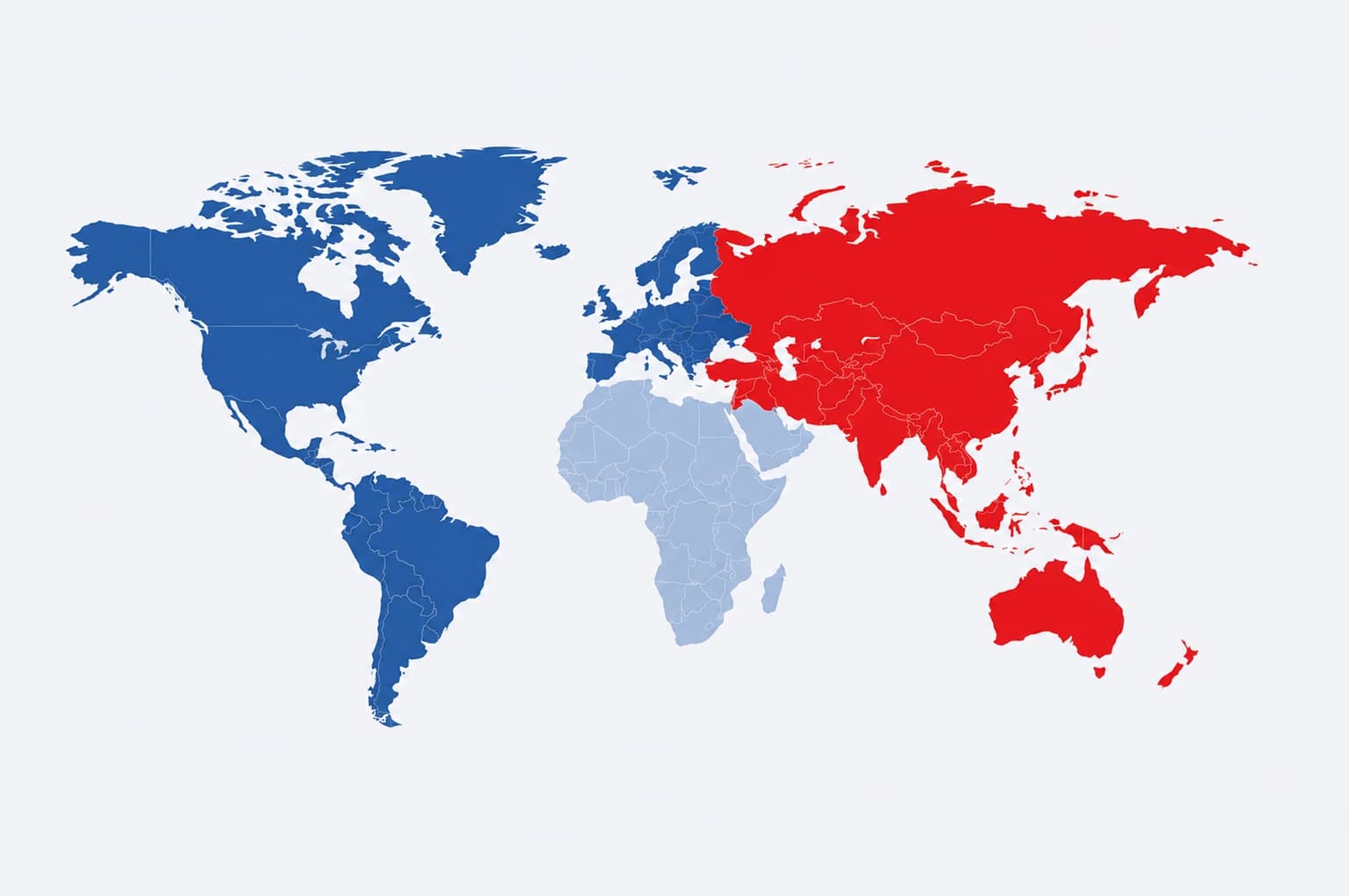
Europe and North America represent mature markets with strong demand from healthcare catering, hospitality services, and institutional food distribution sectors. These regions emphasize product reliability, hygiene standards, and operational efficiency. Asia-Pacific is becoming an important growth region driven by urbanization, expansion of catering services, development of central kitchens, and increasing investment in food logistics infrastructure. China, Japan, and Southeast Asian markets are gradually adopting more standardized food transportation equipment to improve catering efficiency and food safety management.
Competitive Landscape Analysis
The global insulated food cart market consists of professional catering equipment manufacturers, food transportation solution providers, and regional commercial kitchen equipment companies. Key participants include Cambro Manufacturing, RIEBER, B.PRO, Burlodge, Aladdin Temp-Rite, SDX Thermobox, ROCAM, Cres Cor, Fagor Professional, Lakeside Manufacturing, and regional manufacturers. Competition is mainly focused on insulation performance, temperature control capability, product durability, customization ability, and service support. Leading companies strengthen competitiveness through comprehensive catering equipment portfolios and institutional customer relationships, while regional suppliers compete through localized manufacturing, flexible customization, and cost advantages.
This report provides a comprehensive view of the global market for Insulated Food Cart, covering total sales volume, sales revenue, pricing, the market share and ranking of key companies, along with analyses by region & country, by Type, and by Application.
The Insulated Food Cart market size, estimations, and forecasts are presented in terms of sales volume (K Units) and revenue ($ millions), with 2025 as the base year and historical and forecast data from 2021 to 2032. The report combines quantitative and qualitative analysis to help readers develop growth strategies, assess the competitive landscape, evaluate their position in the current marketplace, and make informed business decisions regarding Insulated Food Cart.
Chapter 1: Introduces the scope of the report and the global market size (value, volume, and price). It also summarizes market dynamics and Recent Developments; identifies key drivers and restraints; outlines challenges and risks for manufacturers; reviews relevant industry policies and U.S. tariff implications.
Chapter 2: Provides a detailed analysis of the Insulated Food Cart manufacturers' competitive landscape—including pricing, sales and revenue shares, Recent Developments plans, and mergers and acquisitions (M&A).
Chapter 3: Analyzes market segmentation by Type, presenting the size and growth potential of each segment to help readers identify blue-ocean opportunities.
Chapter 4: Analyzes market segmentation by Application, presenting the size and growth potential of each downstream segment to help readers identify blue-ocean opportunities.
Chapter 5: Presents Insulated Food Cart sales and revenue at the regional level. It offers a quantitative assessment of market size and growth potential by region and summarizes market development, future prospects, addressable space, and country-level market size worldwide.
Chapter 6: Presents Insulated Food Cart sales and revenue at the country level. It provides segmented data by Type and by Application for each country/region.
Chapter 7: Profiles key players, detailing the main companies' product sales, revenue, pricing, gross margin, product portfolios, Recent Developments, etc.
Chapter 8: Analyzes the industry value chain, including upstream suppliers and downstream applications/customers.
- ★ What Is The Overall Market Size And Projected Growth Rate Across Global And Regional Segments?
- ★ How Does The Market Size And Growth Outlook Vary Across Major Countries?
- ★ Which Region Or Market Sub-Segment Is Anticipated To Dominate Growth During The Forecast Period?
- ★ What Are The Primary Factors Expected To Drive Market Expansion, And What Challenges May Restrain Growth?
- ★ Which Emerging Technologies And Market Trends Are Shaping The Future Landscape?
- ★ What Are The Most Significant Opportunities Available In The Market?
- ★ Who Are The Leading Manufacturers Actively Participating In The Global Market?
- ★ Which Company Currently Holds The Largest Share Of The Market?
- ★ What Are The Potential Growth Avenues For New Entrants In The Global Market?