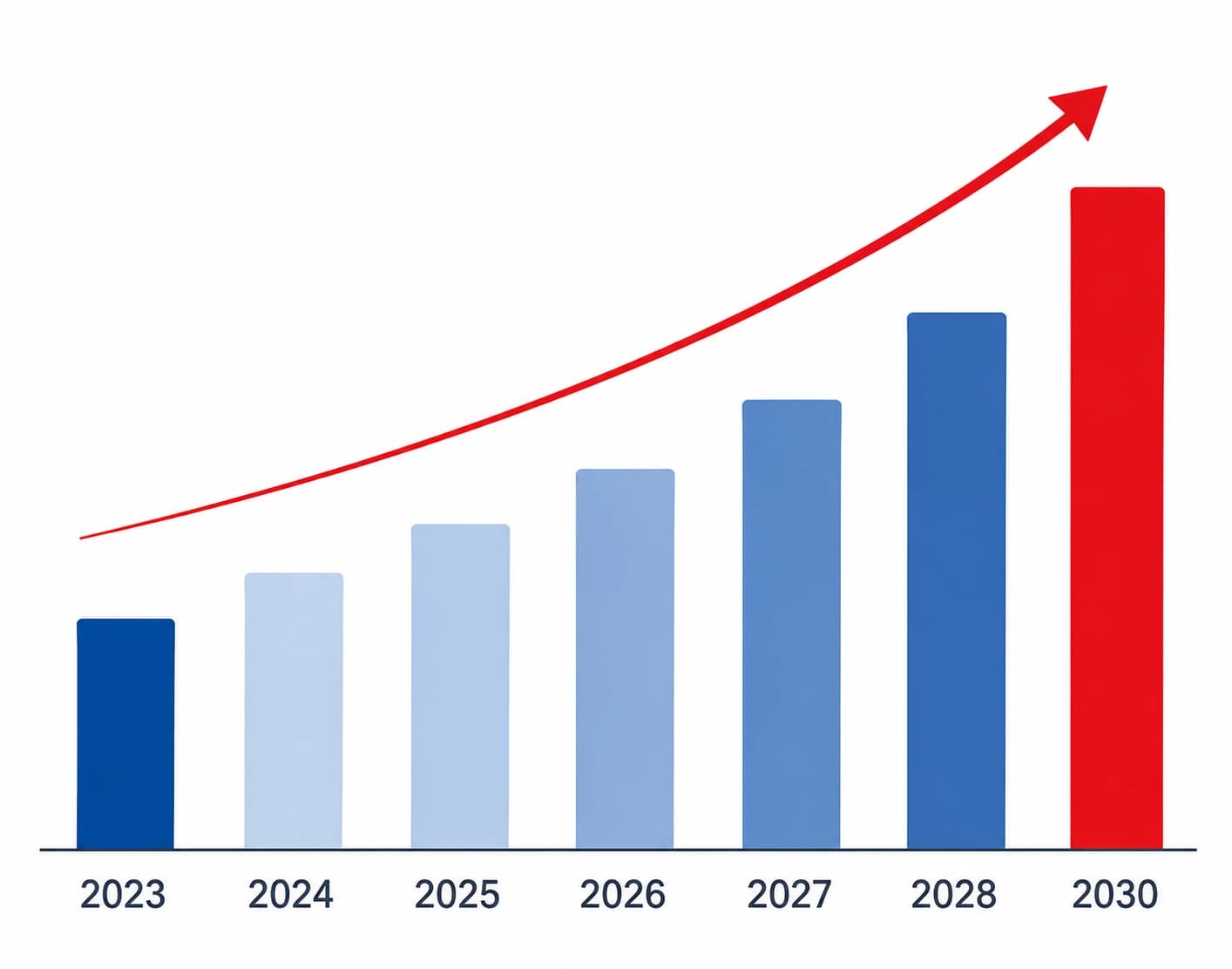
The global Biomass Green Methanol market was valued at US$ 475 million in 2025 and is anticipated to reach US$ 3405 million by 2032, witnessing a CAGR of 38.0% during the forecast period 2026-2032.
Biomass Green Methanol, also referred to as Biomethanol or Bio-Methanol, is methanol produced primarily from renewable biogenic carbon sources, including sustainable agricultural and forestry residues, pulping black liquor, the biogenic fraction of municipal solid waste, biogas and biomethane. Principal production pathways include biomass gasification and syngas conversion, biomethane reforming, recovery and purification of process by-products, and biomass-derived syngas conversion enhanced with renewable hydrogen. The resulting methanol is chemically compatible with conventional methanol and can be used directly as marine fuel, chemical feedstock, methanol derivative feedstock and industrial fuel.The market scope covers physically produced biomethanol and certified mass-balance methanol whose renewable carbon is demonstrably derived from biomass. It excludes e-methanol produced solely from captured carbon dioxide and renewable hydrogen, blue methanol and other fossil-based low-carbon methanol. Green qualification depends on feedstock sustainability, lifecycle greenhouse gas reduction, chain-of-custody traceability and recognized certification rather than on the process name alone. In 2025, global Biomass Green Methanol shipments are estimated at 500,000 tons, with a price of approximately US$950 per ton and a gross margin of approximately 20% to 35%.
Biomass Green Methanol Enters Commercial Scale-Up As Shipping Reconfigures The Fuel Supply Chain.
Biomass Green Methanol is moving from small demonstration facilities into its first meaningful phase of commercial scale-up. Earlier projects were primarily based on low-cost feedstocks such as pulping by-products, landfill gas and biogas, whereas new capacity increasingly combines agricultural and forestry residue gasification with renewable hydrogen to improve biogenic carbon utilization and increase plant scale. Long-term offtake agreements signed by shipping companies provide a more bankable demand base for project financing. European marine-fuel greenhouse gas requirements, abundant wind and solar resources in China and the expansion of methanol bunkering infrastructure in Asian ports are accelerating the transition from stand-alone fuel production toward integrated feedstock collection, renewable power, hydrogen, methanol synthesis, certification, logistics and bunkering systems.
Substantial constraints remain. Agricultural and forestry residues are geographically dispersed, seasonal, variable in moisture content and economical only within a limited transportation radius. Large plants therefore require reliable regional collection and preprocessing networks. Tar, ash, alkali metals and variations in syngas composition can reduce gasifier availability and methanol yield. Projects incorporating renewable hydrogen must also reconcile variable renewable electricity output with the stable operating requirements of chemical plants. Differences among certification schemes regarding feedstock eligibility, land-use change, chain of custody and lifecycle emissions create additional complexity. Green premiums, financing costs and uncertainty regarding the timing of international maritime regulation may consequently delay or eliminate a material portion of the announced project pipeline.
From 2026 to 2032, international shipping is expected to remain the principal source of incremental demand, particularly among container lines, feeder operators, chemical tanker fleets and vehicle carriers with methanol dual-fuel vessels, formal decarbonization targets and exposure to European routes. Chemical feedstock applications will provide a smaller but comparatively stable high-value market by reducing the product carbon footprint of formaldehyde, acetic acid, resins, engineering plastics and other methanol derivatives. Competitive advantage will increasingly depend on control of sustainable feedstock, access to low-cost renewable electricity, stable gasification performance, international certification, port logistics and long-term offtake contracts. Chinese projects combining these capabilities are positioned to become an important source of incremental global Biomass Green Methanol supply.
This report aims to provide a comprehensive presentation of the global market for Biomass Green Methanol, with both quantitative and qualitative analysis, to help readers develop business/growth strategies, assess the market competitive situation, analyze their position in the current marketplace, and make informed business decisions regarding Biomass Green Methanol.
The Biomass Green Methanol market size, estimations, and forecasts are provided in terms of sales quantity (Kilotons) and revenue ($ millions), considering 2025 as the base year, with history and forecast data for the period from 2021 to 2032. This report segments the global Biomass Green Methanol market comprehensively. Regional market sizes, concerning products by Type, by Application, and by players, are also provided.
For a more in-depth understanding of the market, the report provides profiles of the competitive landscape, key competitors, and their respective market ranks. The report also discusses technological trends and new product developments.
The report will help the Biomass Green Methanol manufacturers, new entrants, and industry chain related companies in this market with information on the revenues, sales, and average price for the overall market and the sub-segments across the different segments, by company, by Type, by Application, and by regions.
Chapter 1: Introduces the report scope of the report, executive summary of different market segments (by region, product type, application, etc), including the market size of each market segment, future development potential, and so on. It offers a high-level view of the current state of the market and its likely evolution in the short to mid-term, and long term.
Chapter 2: key insights, key emerging trends, etc.
Chapter 3: Manufacturers competitive analysis, detailed analysis of Biomass Green Methanol manufacturers competitive landscape, price, sales and revenue market share, latest development plan, merger, and acquisition information, etc.
Chapter 4: Provides profiles of key players, introducing the basic situation of the main companies in the market in detail, including product sales, revenue, price, gross margin, product introduction, recent development, etc.
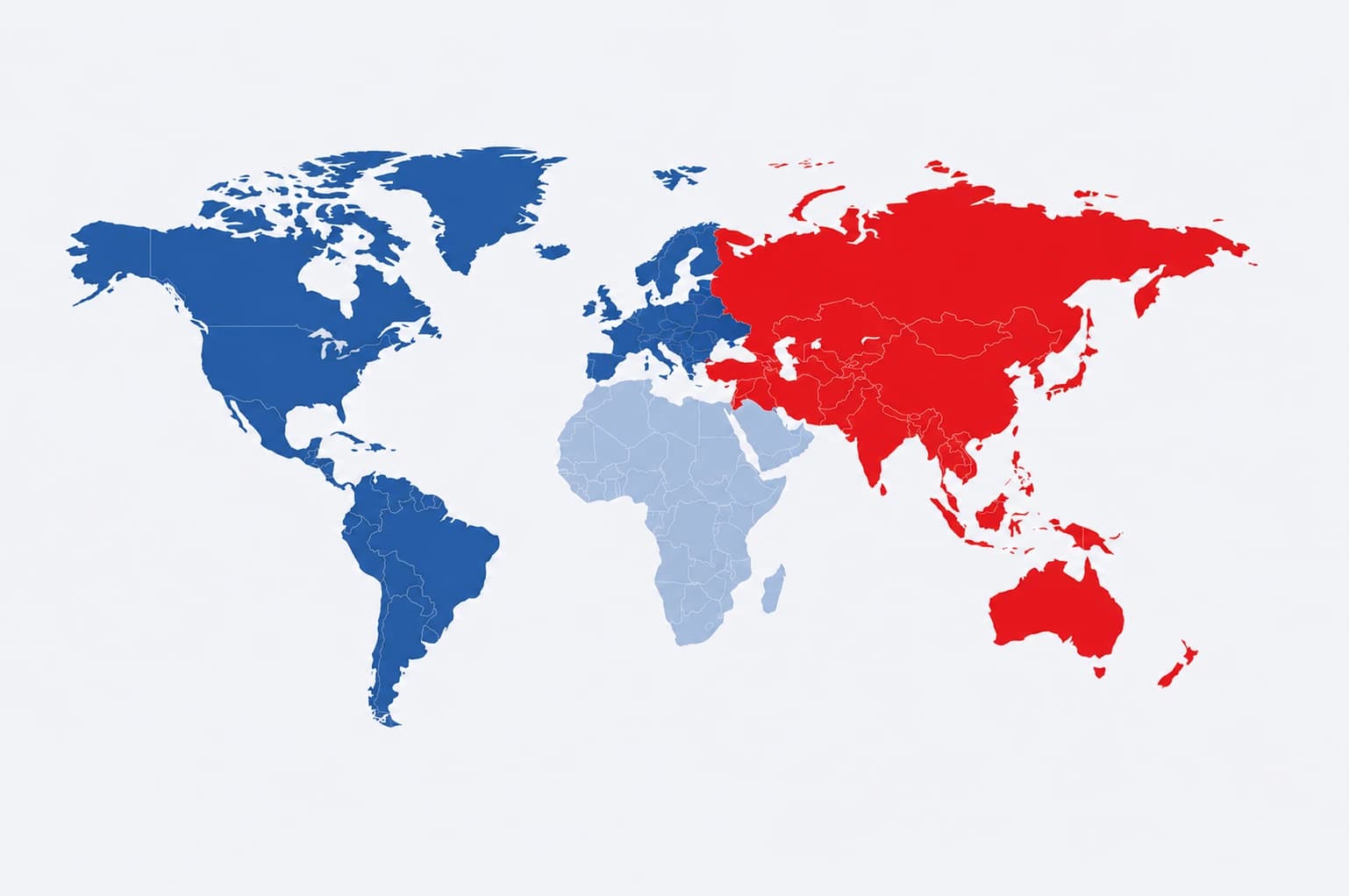
Chapter 5 & 6: Sales, revenue of Biomass Green Methanol in regional level and country level. It provides a quantitative analysis of the market size and development potential of each region and its main countries and introduces the market development, future development prospects, market space, and market size of each country in the world.
Chapter 7: Provides the analysis of various market segments by Type, covering the market size and development potential of each market segment, to help readers find the blue ocean market in different market segments.
Chapter 8: Provides the analysis of various market segments by Application, covering the market size and development potential of each market segment, to help readers find the blue ocean market in different downstream markets.
Chapter 9: Analysis of industrial chain, including the upstream and downstream of the industry.
Chapter 10: The main points and conclusions of the report.
- ★ What Is The Overall Market Size And Projected Growth Rate Across Global And Regional Segments?
- ★ How Does The Market Size And Growth Outlook Vary Across Major Countries?
- ★ Which Region Or Market Sub-Segment Is Anticipated To Dominate Growth During The Forecast Period?
- ★ What Are The Primary Factors Expected To Drive Market Expansion, And What Challenges May Restrain Growth?
- ★ Which Emerging Technologies And Market Trends Are Shaping The Future Landscape?
- ★ What Are The Most Significant Opportunities Available In The Market?
- ★ Who Are The Leading Manufacturers Actively Participating In The Global Market?
- ★ Which Company Currently Holds The Largest Share Of The Market?
- ★ What Are The Potential Growth Avenues For New Entrants In The Global Market?