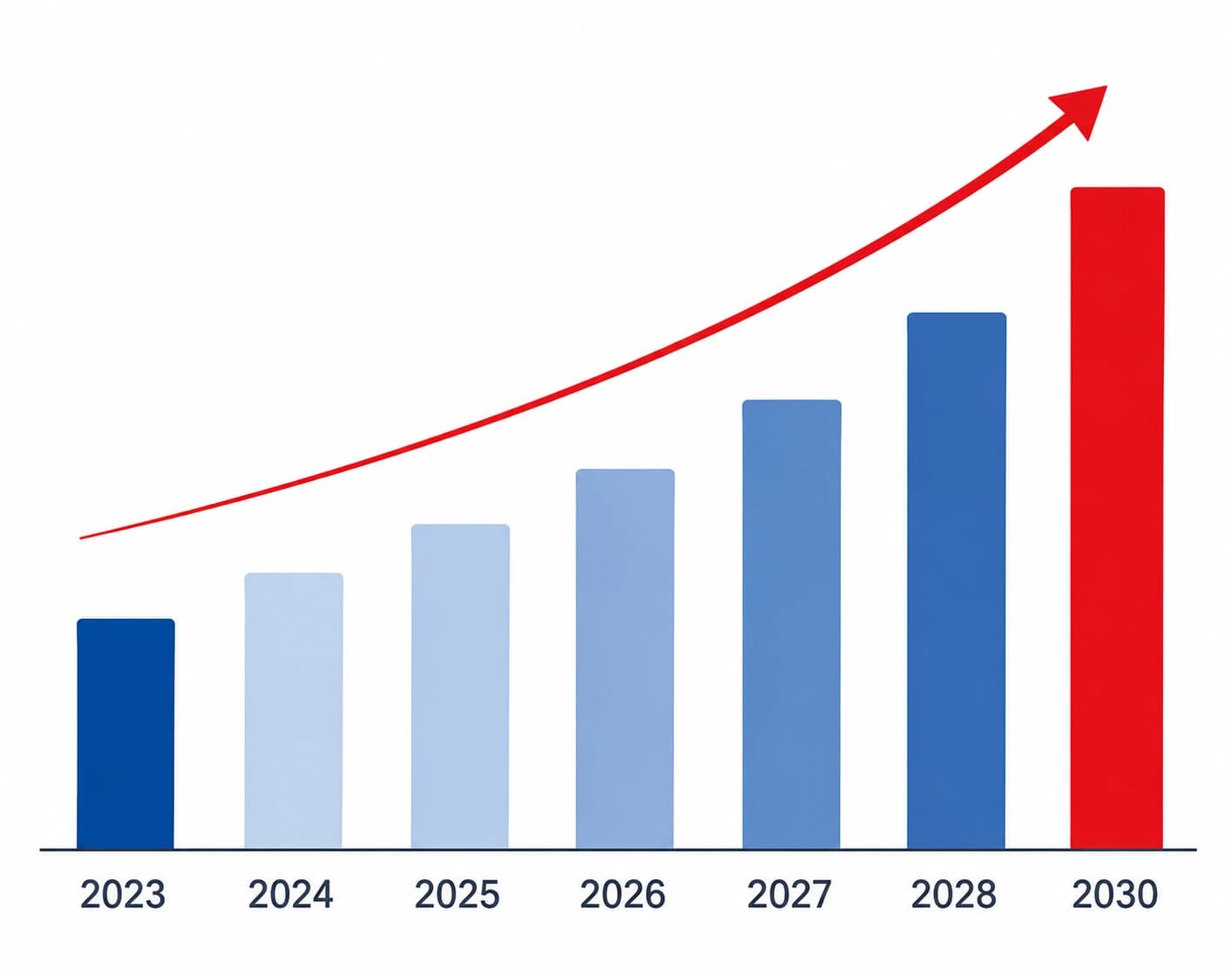
The global PA Horn Speaker market was valued at US$ 241 million in 2025 and is anticipated to reach US$ 293 million by 2032, witnessing a CAGR of 2.7% during the forecast period 2026-2032.
In 2025, global PA Horn Speaker production reached approximately 5,360 k units,with an average global market price of around US$ 45 per unit, and a gross profit margin of approximately 10%-30%. A PA horn speaker is a public-address loudspeaker designed to project speech and alert tones over long distances and high ambient noise by using a horn-loaded acoustic structure. Instead of relying only on a direct-radiating cone, the horn acts as an acoustic transformer that increases efficiency and narrows directivity, allowing more sound energy to be concentrated toward the target area. Most PA horn speakers use a compression driver (or a weather-resistant driver assembly) coupled to a horn flare, and many are built for constant-voltage distributed audio systems (70V/100V) with selectable transformer taps for easy power setting and multi-speaker wiring. Typical designs prioritize intelligibility, durability, and coverage control rather than hi-fi bandwidth, making them common for paging, emergency evacuation, outdoor announcements, industrial plants, campuses, transportation hubs, and street or parking-lot broadcasting. Key performance factors include maximum SPL, sensitivity, dispersion pattern, frequency response in the vocal band, and power handling, as well as environmental ratings (UV resistance, corrosion resistance, IP weatherproofing) for outdoor use.
Upstream, the supply chain includes compression drivers/diaphragms, magnets and voice coils, horn materials (ABS, fiberglass, aluminum), transformers for 70V/100V operation, gaskets and weather seals, mounting hardware, wiring and connectors, and protective coatings for corrosion/UV resistance. Midstream activities cover acoustic design (horn geometry and directivity), driver–horn matching, transformer tap design, mechanical and environmental engineering (drainage, sealing, vibration resistance), assembly, burn-in and acoustic testing, and compliance/certification for safety and emergency use where required. Downstream demand comes from system integrators and electrical contractors deploying PA and voice-alarm systems in industrial facilities, commercial buildings, public infrastructure, and outdoor venues; aftermarket revenue is driven by spares (drivers/diaphragms, brackets), periodic inspection and replacement in harsh environments, system expansion or re-zoning projects, and maintenance services to preserve speech intelligibility and reliable operation over the speaker’s service life.
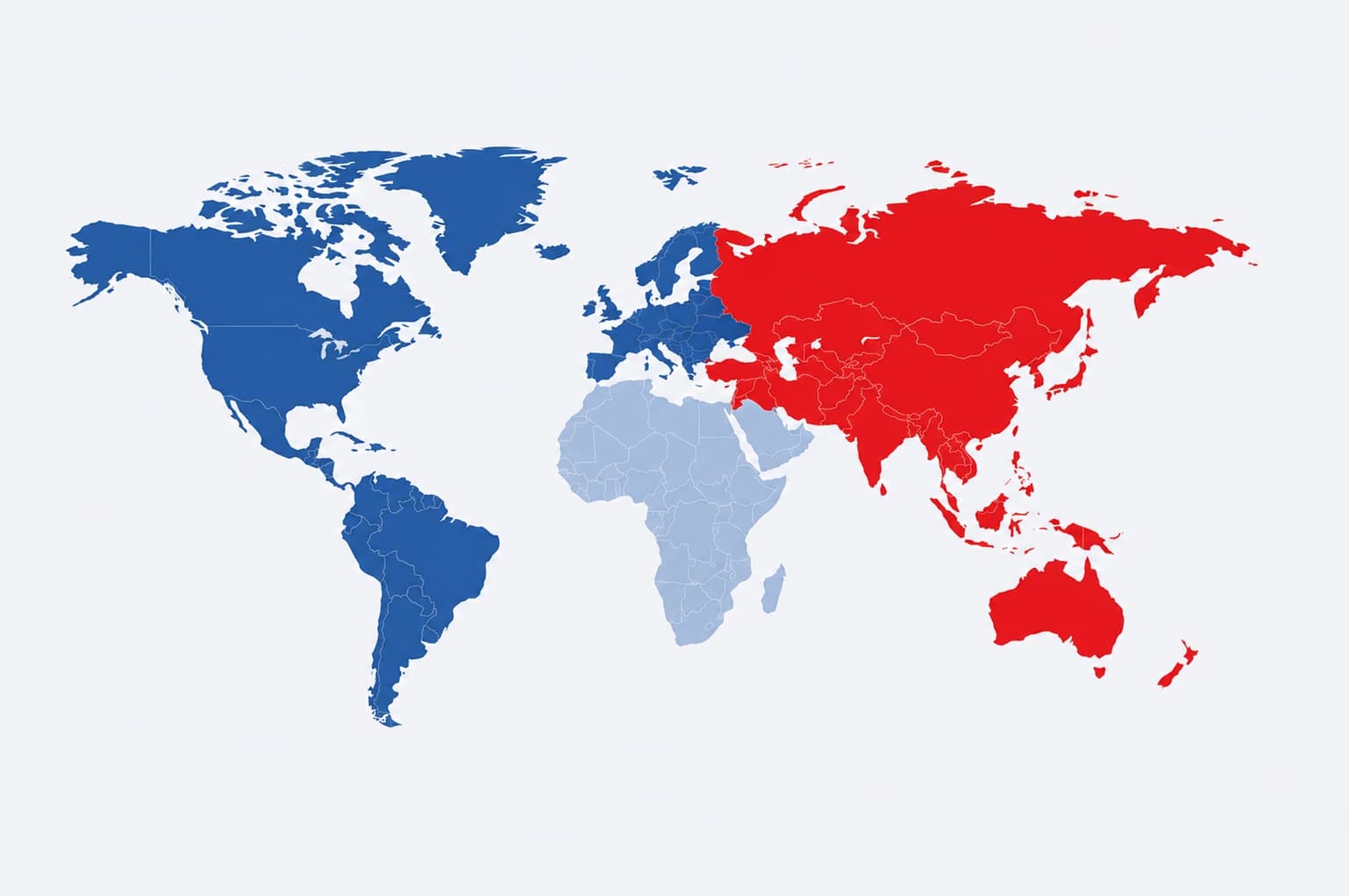
North American market for PA Horn Speaker is estimated to increase from $ million in 2025 to reach $ million by 2032, at a CAGR of % during the forecast period of 2026 through 2032.
Asia-Pacific market for PA Horn Speaker is estimated to increase from $ million in 2025 to reach $ million by 2032, at a CAGR of % during the forecast period of 2026 through 2032.
The major global manufacturers of PA Horn Speaker include Pyle, Bogen, AtlasIED, TOA Electronics, DSPPA, ITC Audio, Electro-Voice, AcousticBay, Keenfinity, Amperes Electronics, etc. In 2025, the world's top three vendors accounted for approximately % of the revenue.
This report aims to provide a comprehensive presentation of the global market for PA Horn Speaker, with both quantitative and qualitative analysis, to help readers develop business/growth strategies, assess the market competitive situation, analyze their position in the current marketplace, and make informed business decisions regarding PA Horn Speaker.
The PA Horn Speaker market size, estimations, and forecasts are provided in terms of sales quantity (K Units) and revenue ($ millions), considering 2025 as the base year, with history and forecast data for the period from 2021 to 2032. This report segments the global PA Horn Speaker market comprehensively. Regional market sizes, concerning products by Type, by Application, and by players, are also provided.
For a more in-depth understanding of the market, the report provides profiles of the competitive landscape, key competitors, and their respective market ranks. The report also discusses technological trends and new product developments.
The report will help the PA Horn Speaker manufacturers, new entrants, and industry chain related companies in this market with information on the revenues, sales, and average price for the overall market and the sub-segments across the different segments, by company, by Type, by Application, and by regions.
Chapter 1: Introduces the report scope of the report, executive summary of different market segments (by region, product type, application, etc), including the market size of each market segment, future development potential, and so on. It offers a high-level view of the current state of the market and its likely evolution in the short to mid-term, and long term.
Chapter 2: key insights, key emerging trends, etc.
Chapter 3: Manufacturers competitive analysis, detailed analysis of PA Horn Speaker manufacturers competitive landscape, price, sales and revenue market share, latest development plan, merger, and acquisition information, etc.
Chapter 4: Provides profiles of key players, introducing the basic situation of the main companies in the market in detail, including product sales, revenue, price, gross margin, product introduction, recent development, etc.
Chapter 5 & 6: Sales, revenue of PA Horn Speaker in regional level and country level. It provides a quantitative analysis of the market size and development potential of each region and its main countries and introduces the market development, future development prospects, market space, and market size of each country in the world.
Chapter 7: Provides the analysis of various market segments by Type, covering the market size and development potential of each market segment, to help readers find the blue ocean market in different market segments.
Chapter 8: Provides the analysis of various market segments by Application, covering the market size and development potential of each market segment, to help readers find the blue ocean market in different downstream markets.
Chapter 9: Analysis of industrial chain, including the upstream and downstream of the industry.
Chapter 10: The main points and conclusions of the report.
- ★ What Is The Overall Market Size And Projected Growth Rate Across Global And Regional Segments?
- ★ How Does The Market Size And Growth Outlook Vary Across Major Countries?
- ★ Which Region Or Market Sub-Segment Is Anticipated To Dominate Growth During The Forecast Period?
- ★ What Are The Primary Factors Expected To Drive Market Expansion, And What Challenges May Restrain Growth?
- ★ Which Emerging Technologies And Market Trends Are Shaping The Future Landscape?
- ★ What Are The Most Significant Opportunities Available In The Market?
- ★ Who Are The Leading Manufacturers Actively Participating In The Global Market?
- ★ Which Company Currently Holds The Largest Share Of The Market?
- ★ What Are The Potential Growth Avenues For New Entrants In The Global Market?