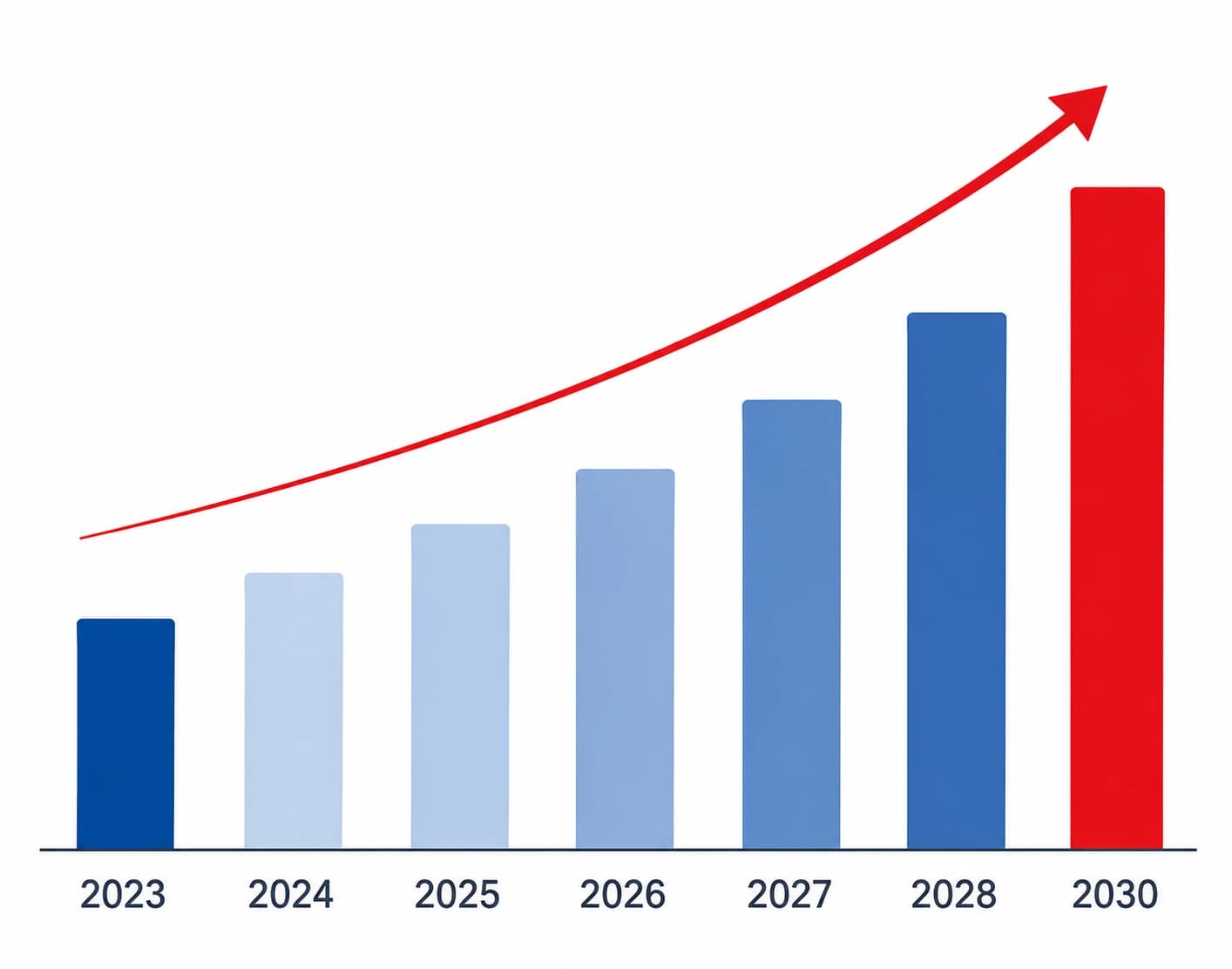
The global market for CNC Post-Processor Software was estimated to be worth US$ 177 million in 2025 and is projected to reach US$ 264 million, growing at a CAGR of 5.9% from 2026 to 2032.
CNC Post-Processor Software is specialized manufacturing software that converts toolpath data and cutter location information generated by computer-aided manufacturing (CAM) systems into machine-specific numerical control (NC) programs executable by CNC machine tools and their controllers. The software interprets machine kinematics, axis configurations, controller syntax, coordinate transformations, tool compensation, machining cycles and auxiliary commands to generate accurate and production-ready G-code or other controller-compatible NC instructions. Its primary product forms include standalone post-processing platforms, configurable post-processor generators, machine-specific post-processors, CAM-integrated post-processing modules and licensable post-processing software frameworks. Core applications cover CNC milling, turning, simultaneous five-axis machining, mill-turn operations, multi-channel machining and other complex manufacturing processes, supporting reliable communication between digital machining programs and physical machine tools.
CNC Post-Processor Software converts CAM toolpaths into machine-specific NC programs compatible with individual CNC controllers
CNC Post-Processor Software is delivered through standalone platforms, CAM-integrated modules and OEM-embedded software frameworks
The global supplier database identifies 20 core product providers and 21 additional CAM-integrated or extended suppliers
Siemens NX CAM Post Hub provides access to more than 1,000 machine-specific post-processing kits
Five-axis and mill-turn post-processing requires more specialized kinematic configuration and controller-specific programming than conventional three-axis applications
CNC Post-Processor Software is evolving from conventional static post-processing files toward configurable, machine-aware software platforms integrated with CAM programming, machining simulation and digital manufacturing environments. Increasing machine complexity and the diversification of CNC controllers are encouraging the development of more flexible post-processing architectures capable of handling rotary-axis transformations, multi-channel synchronization, machine-specific cycles and advanced machining functions. Cloud-based post-processor libraries and centralized configuration management are improving accessibility and reducing the effort required to maintain software across multiple machines and manufacturing sites. Integration with machine simulation and digital twin technologies is also becoming more important, enabling manufacturers to validate generated NC programs against actual machine configurations before production. Artificial intelligence is emerging as an auxiliary development technology for post-processor configuration, rule generation and troubleshooting, although production-grade output continues to require engineering validation and controller-specific testing.
Demand for CNC Post-Processor Software is primarily supported by the increasing complexity of CNC machine tools, expansion of five-axis and mill-turn machining, and growing diversity of machine controllers. Manufacturers operating multiple machine configurations and CAM platforms require reliable machine-specific NC output to reduce manual programming adjustments, improve machining consistency and minimize production errors. The modernization of manufacturing facilities, adoption of advanced machining equipment and increasing integration of digital manufacturing workflows further support demand for configurable post-processing platforms and software maintenance solutions.
Market development is constrained by the widespread availability of standard post-processing libraries within established CAM software packages and the increasing bundling of basic post-processing functionality with comprehensive manufacturing software. This reduces the willingness of customers to purchase separate products for conventional three-axis machining applications. In addition, post-processor development requires specialized engineering expertise, machine-specific testing and continuous adaptation to controller updates. The fragmented landscape of CNC machine architectures and controller programming languages increases development and maintenance costs, while customization requirements can limit software standardization and scalability.
Significant opportunities exist in advanced five-axis machining, mill-turn equipment, multi-channel CNC systems and other complex manufacturing applications where standard post-processing libraries cannot adequately address machine-specific requirements. Software developers can expand commercial opportunities through configurable post-processor development platforms, OEM licensing, embedded software frameworks and centralized post-processor management solutions. The growing installed base of CNC equipment also creates opportunities for upgrading existing post-processors, adapting legacy machining programs to new controllers and providing continuous software maintenance. Localized solutions compatible with domestic CAM systems and CNC controllers represent another potential growth direction in emerging manufacturing markets.
The industry faces persistent challenges associated with software reliability, machine compatibility, intellectual property protection and the validation of generated NC programs. Small changes in machine kinematics, controller configurations, tool compensation or machining parameters can affect program execution and create production risks. Maintaining compatibility across different CAM versions, machine generations and controller updates requires continuous technical investment. Furthermore, the long qualification cycles of industrial customers and the high proportion of machine-specific customization can increase customer acquisition costs and restrict the scalability of smaller software providers. Competition from increasingly capable integrated CAM solutions may also weaken the commercial position of independent providers offering standardized post-processing products.
The value chain of CNC Post-Processor Software begins with upstream technical inputs, including CAM toolpath formats, machine kinematic models, CNC controller specifications, programming interfaces and post-processing development frameworks. Midstream software providers transform these inputs into configurable post-processing engines, machine-specific software configurations and executable NC output through software development, controller adaptation, machine modeling, testing and verification. The downstream customer base primarily comprises manufacturers, CNC programming departments, machine-tool OEMs, CAM software developers and manufacturing engineering service providers. Value creation is concentrated in translating generic machining instructions into reliable machine-specific programs, reducing manual NC editing, improving machining efficiency and ensuring compatibility with actual production equipment. The principal cost components are specialized software engineering, machine testing, controller integration, technical support and continuous product maintenance. Commercialization generally follows standalone software licensing, subscriptions, OEM framework licensing, maintenance contracts and productized machine-specific software delivery. The ability to reuse validated software components across multiple machine configurations is a major determinant of development efficiency and profitability.
CNC Post-Processor Software is primarily differentiated by delivery architecture and machine application. Standalone post-processing platforms provide independent development and management capabilities and are particularly relevant to manufacturers operating multiple CAM systems or heterogeneous machine fleets. CAM-integrated post-processing modules offer greater workflow consistency and lower integration complexity, making them attractive for conventional machining environments. OEM-embedded post-processing frameworks provide software components that can be incorporated into CAM platforms or machine-tool digital solutions, creating opportunities for technology licensing and long-term customer integration. From the machine-complexity perspective, conventional two- and three-axis applications represent established demand, while indexed multi-axis, simultaneous five-axis and mill-turn applications require more sophisticated kinematic transformations, rotary-axis management, tool compensation and controller-specific logic. Certain advanced post-processing platforms support machine configurations of up to 15 axes. Product capabilities also demonstrate the breadth of available configurations: Siemens NX CAM Post Hub provides access to more than 1,000 machine kits, while ZW3D offers more than 80 default post-processors for milling and turning machines. These figures represent individual product-library capabilities rather than market-wide shipment or market-share indicators. Higher-value opportunities are concentrated in complex machine configurations, cross-platform compatibility and software that integrates post-processing with simulation and NC program verification.
Downstream Market Opportunities
Aerospace and defense manufacturing represents an important application market for CNC Post-Processor Software because complex structural components, engine parts and precision components frequently require advanced multi-axis machining. Customers prioritize accurate rotary-axis transformations, machine-specific kinematics, toolpath consistency and reliable NC output. Software suppliers can capture additional business through five-axis post-processor development, machine configuration upgrades and continuous validation services. Mold and precision machinery manufacturing represents another important application area, particularly for complex surface machining, high-speed milling and specialized machining centers. Customers require stable tool compensation, machining-cycle support and compatibility with different machine configurations, creating opportunities for customized software and upgraded post-processing libraries. General machinery, automotive suppliers and machining job shops represent a broader customer base, where purchasing decisions emphasize compatibility, ease of configuration, development efficiency and maintenance costs. Medical device manufacturers also require reliable post-processing for precision components and complex geometries, although their applications are more specialized. Across these markets, purchasing decisions are increasingly influenced by the ability to reduce manual NC modifications, shorten machine commissioning and programming preparation, and maintain consistent output across different CNC equipment. Suppliers can expand sales by targeting additional machine installations within existing customers, supporting newly introduced controllers and developing validated post-processors for specialized machining applications.
North America and Europe represent the most established supplier clusters in the global CNC Post-Processor Software industry. North America has a relatively strong presence of independent post-processing software developers and specialized technology providers, while Europe combines major industrial software groups, CAM platform developers and post-processing component suppliers. Japan has a specialized position in machine-tool-oriented software and complex machining applications, supported by its established precision manufacturing and machine-tool ecosystem. China is an important regional development market, with domestic industrial software companies expanding post-processing capabilities alongside localized CAM platforms and CNC controller technologies. Opportunities in China are particularly associated with compatibility between domestic CAM software, locally developed CNC systems and different machine-tool configurations. Other Asian markets may provide additional opportunities as manufacturing digitalization and advanced machining adoption expand. However, regional supplier concentration should not be interpreted directly as regional sales-market share. The available industry structure supports the identification of North America and Europe as major supply clusters, but does not establish a definitive ranking of regional sales markets or the fastest-growing region. Future regional competition will depend on local machine-tool ecosystems, software localization, controller compatibility and the ability to provide continuous technical support.
Competitive Landscape Analysis
The global CNC Post-Processor Software market is characterized by the coexistence of diversified industrial software groups, independent post-processing specialists and CAM software providers with integrated post-processing capabilities. Sandvik AB, Siemens AG, Autodesk, Inc., Hexagon AB and Dassault Systèmes SE participate through broader manufacturing software ecosystems and specialized post-processing technologies, benefiting from established industrial customers, CAM integration and complementary simulation capabilities. Independent providers such as IMS Software, Inc., Austin N.C., Inc., ModuleWorks GmbH and other specialized developers compete through configurable software platforms, cross-CAM compatibility and expertise in complex machine configurations. AIKOKU ALPHA CORPORATION and DMG MORI CO., LTD. represent machine-tool-oriented product development and specialized manufacturing software capabilities. Industry consolidation is strengthening the integration of post-processing technology into broader digital manufacturing platforms. The incorporation of Icam technology into the Vericut software ecosystem and the integration of SGPOST into DELMIA Machining illustrate this direction. Chinese suppliers, including Guangzhou Jingkong Ruanjian Keji Youxian Gongsi, are developing localized post-processing software capabilities alongside domestic CAM and industrial software ecosystems. The broader supplier landscape also includes CAM-integrated providers such as OPEN MIND Technologies AG, SolidCAM Ltd. and ZWSOFT CO., LTD. Competitive differentiation increasingly depends on machine-specific engineering expertise, controller compatibility, software reliability, validated NC output, maintenance capabilities and integration with machining simulation rather than the availability of basic post-processing functions alone.
This report provides a comprehensive view of the global market for CNC Post-Processor Software, covering total sales revenue, the market share and ranking of key companies, along with analyses by region & country, by Type, and by Application.
The CNC Post-Processor Software market size, estimations, and forecasts are presented in terms of sales revenue ($ millions), with 2025 as the base year and historical and forecast data from 2021 to 2032. The report combines quantitative and qualitative analysis to help readers develop growth strategies, assess the competitive landscape, evaluate their position in the current marketplace, and make informed business decisions regarding CNC Post-Processor Software.
Chapter 1: Introduces the scope of the report and the global market size (value). It also summarizes market dynamics and recent developments; identifies key drivers and restraints; outlines challenges and risks for players; reviews relevant industry policies.
Chapter 2: Provides a detailed analysis of the CNC Post-Processor Software companies' competitive landscape—including revenue shares, recent development plans, and mergers and acquisitions (M&A).
Chapter 3: Analyzes market segmentation by Type, presenting the size and growth potential of each segment to help readers identify blue-ocean opportunities.
Chapter 4: Analyzes market segmentation by Application, presenting the size and growth potential of each downstream segment to help readers identify blue-ocean opportunities.
Chapter 5: Presents CNC Post-Processor Software revenue at the regional level. It offers a quantitative assessment of market size and growth potential by region and summarizes market development, future prospects, addressable space, and country-level market size worldwide.
Chapter 6: Presents CNC Post-Processor Software revenue at the country level. It provides segmented data by Type and by Application for each country/region.
Chapter 7: Profiles key players, detailing the main companies' product revenue, gross margin, product portfolios, recent developments, etc.
Chapter 8: Analysis of Value Chain, including the upstream and downstream of the industry.
- ★ What Is The Overall Market Size And Projected Growth Rate Across Global And Regional Segments?
- ★ How Does The Market Size And Growth Outlook Vary Across Major Countries?
- ★ Which Region Or Market Sub-Segment Is Anticipated To Dominate Growth During The Forecast Period?
- ★ What Are The Primary Factors Expected To Drive Market Expansion, And What Challenges May Restrain Growth?
- ★ Which Emerging Technologies And Market Trends Are Shaping The Future Landscape?
- ★ What Are The Most Significant Opportunities Available In The Market?
- ★ Who Are The Leading Manufacturers Actively Participating In The Global Market?
- ★ Which Company Currently Holds The Largest Share Of The Market?
- ★ What Are The Potential Growth Avenues For New Entrants In The Global Market?