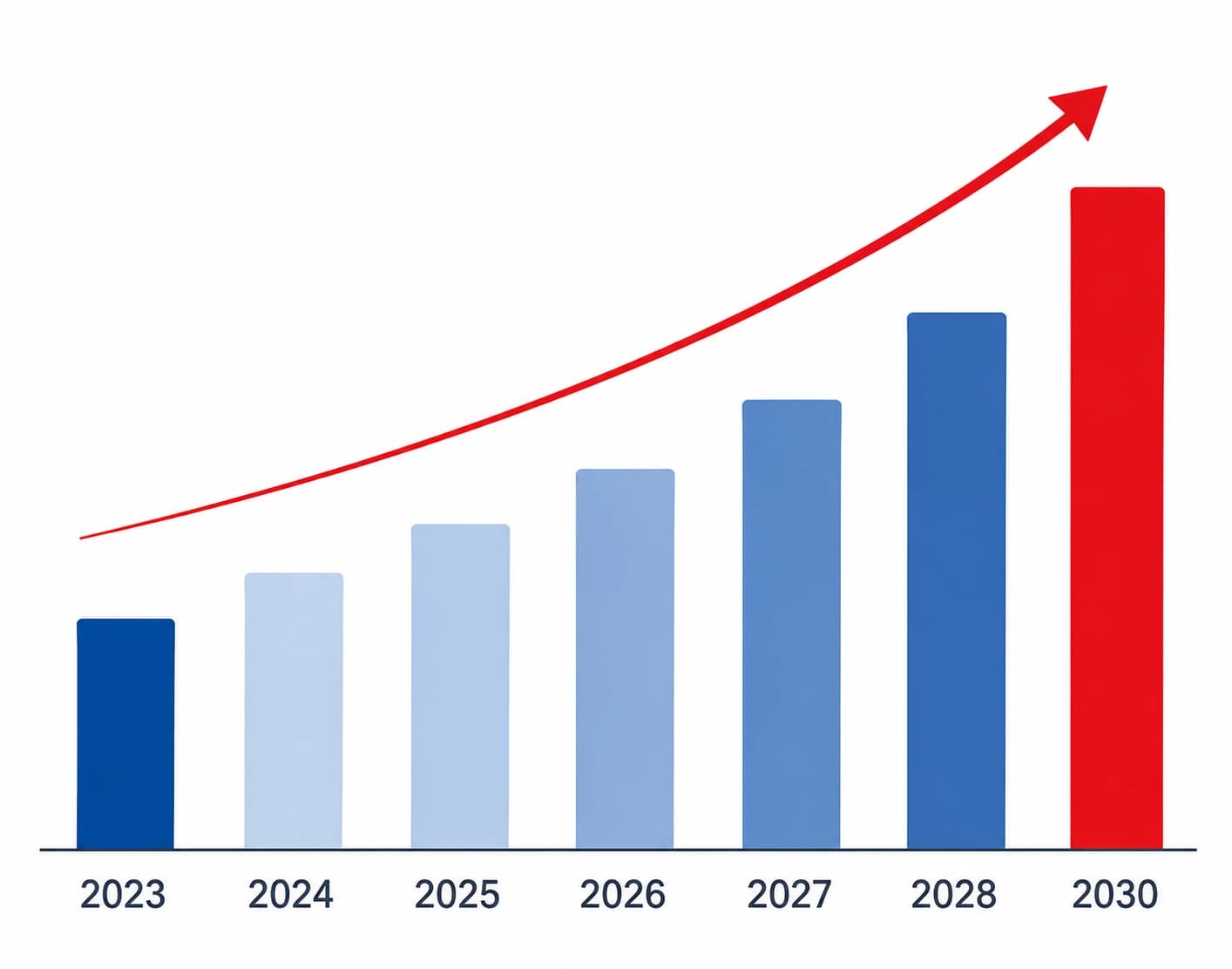
The global market for Automotive Chip Tuning Services was estimated to be worth US$ 1254 million in 2025 and is projected to reach US$ 2028 million, growing at a CAGR of 7.3% from 2026 to 2032.
Automotive chip tuning services refer to professional automotive aftermarket services that optimize vehicle engine management and powertrain performance through electronic control unit calibration, software modification, and program reconfiguration. These services primarily involve reading original ECU data, analyzing engine calibration maps, adjusting parameters such as fuel injection, ignition timing, boost pressure, torque limits, and throttle response, and writing modified calibration files back to the vehicle control unit. Depending on vehicle architecture and customer requirements, service providers may use diagnostic-port programming, bench programming, or direct ECU access, supported by diagnostic equipment, calibration software, and dynamometer testing. Automotive chip tuning services are generally categorized into basic performance tuning, advanced custom tuning, and economy optimization tuning, with delivery through physical workshops, remote tuning arrangements, and professional calibration file services. The principal applications include passenger cars and commercial vehicles.
Basic performance tuning services represent a core category of professional automotive chip tuning services
Passenger cars constitute an important downstream market for automotive chip tuning services worldwide
The Automotive Chip Tuning Services industry is developing from conventional standardized ECU remapping toward customized calibration, integrated powertrain optimization, and remote digital service delivery. Professional tuning providers increasingly combine engine calibration development with vehicle diagnostics, data logging, and dynamometer-based verification to improve service accuracy and consistency. Modern ECU security architectures and increasingly complex engine management systems are strengthening the importance of vehicle-specific software capabilities and technical expertise. Meanwhile, remote tuning platforms and centralized calibration file databases are enabling professional workshops to access specialized engineering resources without maintaining comprehensive in-house calibration development capabilities. Service differentiation is gradually shifting toward calibration reliability, vehicle coverage, technical support, and standardized delivery processes.
Demand for automotive chip tuning services is supported by automotive performance customization, the expansion of specialized aftermarket workshops, and continuing interest in optimizing vehicle powertrain characteristics. Turbocharged gasoline and diesel vehicles provide important technical applications because engine management parameters can be recalibrated to modify power delivery and torque characteristics within appropriate operating constraints. Established professional tuning networks also facilitate service commercialization through local workshops, authorized dealers, and specialized automotive service providers.
Market development is constrained by vehicle manufacturer software protection, regulatory requirements, warranty considerations, and the technical complexity of modern electronic control units. The availability of factory-installed performance modes and increasingly sophisticated engine management strategies may reduce the perceived value of certain aftermarket calibration services. Professional tuning also requires suitable programming equipment, calibrated software, experienced technicians, and reliable vehicle diagnostics, increasing the operational requirements for service providers.
Commercial opportunities are emerging in advanced custom calibration, remote tuning, professional file development, and specialized services for newly introduced engine control architectures. Service providers can expand their customer base by developing additional vehicle-specific calibration solutions and establishing authorized workshop networks. Integrated engine and transmission calibration, dynamometer-supported optimization, and professional technical support offer opportunities for higher-value services. Centralized calibration development platforms can also enable regional workshops to broaden their service portfolios and improve customer coverage.
The industry faces continuing challenges related to vehicle software security, calibration validation, emissions compliance, and potential liability arising from inappropriate engine modifications. Increasingly protected electronic control units can require specialized access procedures, while changes in manufacturer software may affect existing tuning compatibility. Service quality varies between providers, making engineering expertise, diagnostic capability, documentation, and after-sales support important competitive factors. Operators must also manage differences in vehicle modification regulations and customer expectations across regional markets.
The Automotive Chip Tuning Services value chain begins with ECU software research, automotive calibration engineering, vehicle communication technology, and specialized programming equipment. Upstream participants supply calibration editing software, ECU reading and flashing tools, diagnostic systems, dynamometer equipment, and technical reference data. Calibration development specialists use these resources to analyze original engine management programs and create vehicle-specific tuning files. Their principal value contribution lies in engineering expertise, calibration validation, and the ability to support multiple vehicle platforms.
Midstream activities include direct vehicle tuning, customized software development, remote calibration services, and professional tuning file distribution. Downstream customers consist of individual vehicle owners, automotive performance workshops, specialized repair providers, and selected commercial vehicle operators. Revenue is generated through completed tuning jobs, customized calibration services, and professional file delivery. Service profitability depends on engineering efficiency, labor utilization, software and equipment costs, customer acquisition, and technical support requirements. Companies with centralized calibration development and distributed workshop networks can benefit from shared engineering resources, although local service execution and customer relationships remain important determinants of commercial performance.
Automotive Chip Tuning Services are principally divided into Basic Performance Tuning Services, Advanced Custom Tuning Services, and Economy Optimization Tuning Services. Basic performance tuning typically involves recalibrating an otherwise standard vehicle to modify engine output characteristics, torque delivery, and driving response. This category commonly corresponds to Stage 1 tuning and represents a principal service offering for professional ECU remapping workshops. Customers generally prioritize vehicle compatibility, service price, drivability, and calibration reliability.
Advanced custom tuning services involve vehicle-specific calibration development, often associated with modified intake systems, turbochargers, exhaust components, or other powertrain hardware. These projects may require repeated calibration adjustments, data logging, and dynamometer testing, resulting in greater engineering complexity and higher service value. Economy optimization tuning focuses on modifying engine operating characteristics for specific efficiency-oriented applications, subject to vehicle operating conditions and regulatory requirements. Remote tuning and professional file services represent an additional commercial development direction, enabling centralized calibration specialists to support multiple workshops while reducing the requirement for every local service provider to maintain a complete engineering team.
Downstream Market Opportunities
Passenger cars represent a central application for automotive chip tuning services, particularly among owners of turbocharged gasoline and diesel vehicles seeking customized power delivery and improved driving characteristics. Professional workshops provide ECU reading, calibration modification, software programming, and verification services according to the vehicle model and customer requirements. Customer purchasing decisions are influenced by service reliability, supported vehicle models, technical capability, expected performance characteristics, and after-sales support. Providers with broad calibration databases and established engineering processes can improve service efficiency and increase vehicle coverage.
SUVs and off-road vehicles form another important application group, with customers seeking calibration solutions suited to different driving characteristics and powertrain configurations. Light commercial vehicles offer specialized demand associated with torque delivery and vehicle operating requirements, while medium and heavy commercial vehicles require particular attention to engine durability, fleet maintenance, and regulatory compliance. Professional service providers can pursue growth through additional vehicle-specific calibration programs, integrated engine and transmission tuning, regional workshop partnerships, and advanced testing services. These opportunities depend on maintaining appropriate technical validation and compliance with applicable vehicle regulations.
Europe is an important market for automotive chip tuning services, supported by established performance tuning companies, specialized calibration engineering capabilities, and extensive workshop distribution networks. The United Kingdom, Germany, Belgium, and other European countries host recognized providers of ECU remapping, professional tuning file services, and customized vehicle calibration. North America also represents a significant market, with demand associated with automotive performance culture, specialized aftermarket services, and software-based upgrades for selected vehicle platforms. Regional commercial conditions are influenced by vehicle composition, consumer spending, and regulations governing engine modifications.
Asia-Pacific presents opportunities associated with automotive aftermarket development, local performance tuning services, and expanding professional workshop networks. China has established domestic ECU tuning service businesses, including providers offering vehicle-specific software upgrades and customized performance calibration. Japan and Australia have specialized automotive performance markets with distinct vehicle and service requirements. The Middle East and Latin America also offer opportunities for professional ECU calibration services, particularly through regional distributors and independent workshops.
Competitive Landscape Analysis
The global Automotive Chip Tuning Services market is fragmented, comprising professional calibration developers, established automotive performance companies, regional workshop networks, and independent tuning specialists. Quantum Tuning, Celtic Tuning, VIEZU Technologies, BR-Performance, Shiftech, and Superchips are representative participants with established ECU remapping and vehicle calibration services. APR, Unitronic, Revo, and EcuTek provide specialized performance calibration solutions and professional software distribution networks, while Dyno-ChiptuningFiles and other file service providers support workshops through centralized calibration development. In China, companies and brands such as AESCN Tuning, DME Tuning, CCR Tuning, GETuned, and TBT Tuning participate in ECU calibration and automotive performance service activities.
This report provides a comprehensive view of the global market for Automotive Chip Tuning Services, covering total sales revenue, the market share and ranking of key companies, along with analyses by region & country, by Type, and by Application.
The Automotive Chip Tuning Services market size, estimations, and forecasts are presented in terms of sales revenue ($ millions), with 2025 as the base year and historical and forecast data from 2021 to 2032. The report combines quantitative and qualitative analysis to help readers develop growth strategies, assess the competitive landscape, evaluate their position in the current marketplace, and make informed business decisions regarding Automotive Chip Tuning Services.
Chapter 1: Introduces the scope of the report and the global market size (value). It also summarizes market dynamics and recent developments; identifies key drivers and restraints; outlines challenges and risks for players; reviews relevant industry policies.
Chapter 2: Provides a detailed analysis of the Automotive Chip Tuning Services companies' competitive landscape—including revenue shares, recent development plans, and mergers and acquisitions (M&A).
Chapter 3: Analyzes market segmentation by Type, presenting the size and growth potential of each segment to help readers identify blue-ocean opportunities.
Chapter 4: Analyzes market segmentation by Application, presenting the size and growth potential of each downstream segment to help readers identify blue-ocean opportunities.
Chapter 5: Presents Automotive Chip Tuning Services revenue at the regional level. It offers a quantitative assessment of market size and growth potential by region and summarizes market development, future prospects, addressable space, and country-level market size worldwide.
Chapter 6: Presents Automotive Chip Tuning Services revenue at the country level. It provides segmented data by Type and by Application for each country/region.
Chapter 7: Profiles key players, detailing the main companies' product revenue, gross margin, product portfolios, recent developments, etc.
Chapter 8: Analysis of Value Chain, including the upstream and downstream of the industry.
- ★ What Is The Overall Market Size And Projected Growth Rate Across Global And Regional Segments?
- ★ How Does The Market Size And Growth Outlook Vary Across Major Countries?
- ★ Which Region Or Market Sub-Segment Is Anticipated To Dominate Growth During The Forecast Period?
- ★ What Are The Primary Factors Expected To Drive Market Expansion, And What Challenges May Restrain Growth?
- ★ Which Emerging Technologies And Market Trends Are Shaping The Future Landscape?
- ★ What Are The Most Significant Opportunities Available In The Market?
- ★ Who Are The Leading Manufacturers Actively Participating In The Global Market?
- ★ Which Company Currently Holds The Largest Share Of The Market?
- ★ What Are The Potential Growth Avenues For New Entrants In The Global Market?