Bio-Isoprene is a renewable carbon-based isoprene monomer produced from biomass-derived feedstocks through microbial fermentation, fermentation–catalytic conversion, and related biological manufacturing technologies. With the molecular formula C₅H₈, Bio-Isoprene has the same molecular structure as conventional petroleum-derived isoprene and can serve as a building block for synthetic polyisoprene rubber, styrene-isoprene-styrene (SIS) block copolymers, and selected specialty elastomers. The product is generally handled as a liquid industrial chemical, with polymerization-grade materials typically requiring high chemical purity, stringent impurity control, and suitable stabilization and storage procedures. Polymerization Grade (≥99.5%) and General Industrial Grade (Below 99.5%) represent two product quality categories, while renewable carbon content is evaluated separately from chemical purity. Industrial production involves renewable feedstock preparation, biological or catalytic conversion, monomer recovery, purification, quality assurance, and hazardous chemical logistics. The principal downstream applications include tires, adhesives and sealants, and other industrial elastomer products. Bio-Isoprene offers a route for introducing renewable carbon into established polymerization processes while retaining the fundamental chemical characteristics of the conventional monomer. The market scope covers industrial-use Bio-Isoprene monomer supplied for chemical and polymer manufacturing, including qualifying industrial production and related monomer transactions. It excludes petroleum-derived isoprene, natural rubber, downstream polymer and finished rubber product revenues, research-only reagents, laboratory materials, and unrelated engineering services.
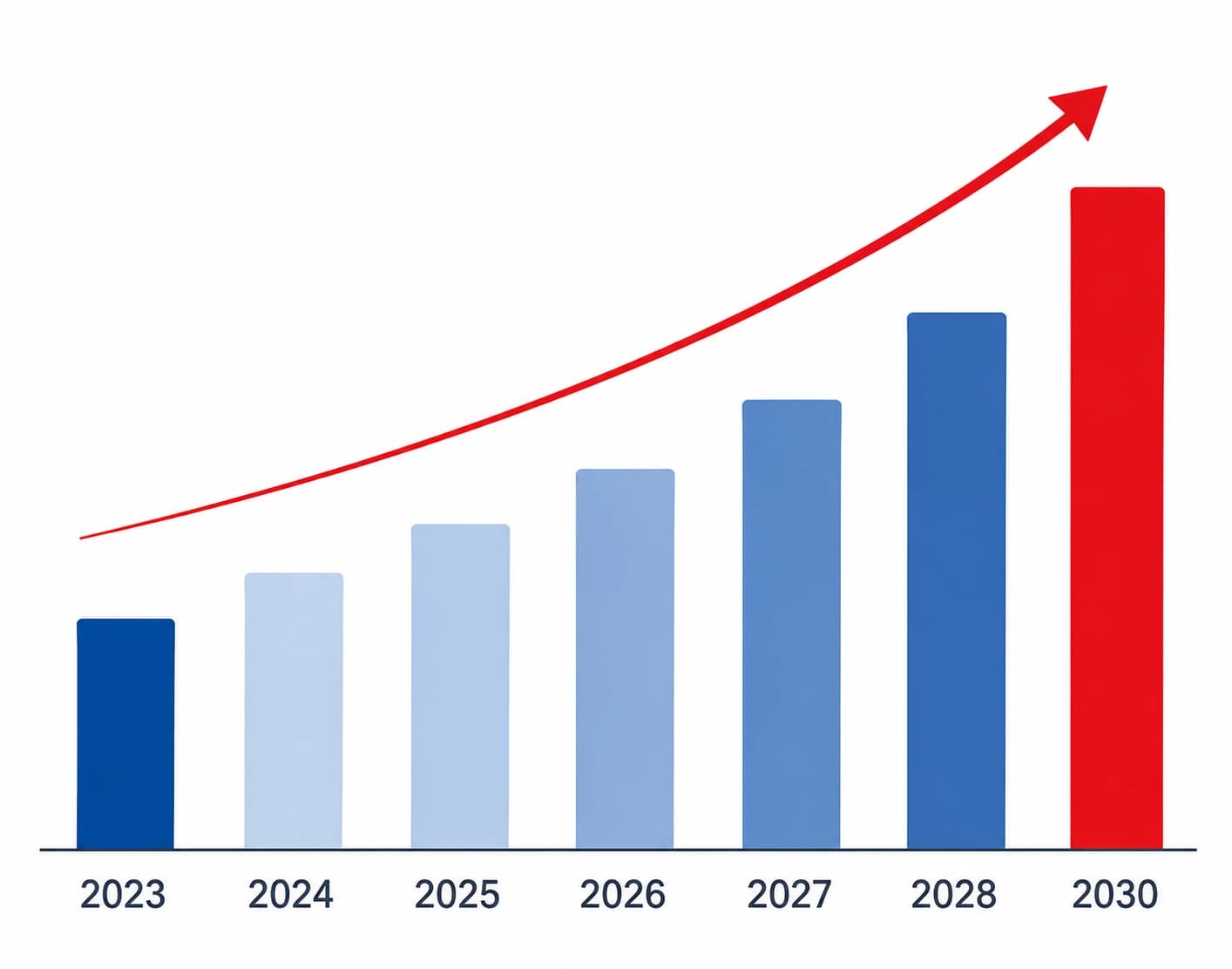
The modeled global Bio-Isoprene market generated USD 9.80 thousand in revenue and 3,335 kg in sales volume in 2025. Revenue is forecast to increase from USD 27.92 thousand in 2026 to USD 407.40 million in 2032, representing a 394.33% CAGR. Sales volume is projected to grow from 9,851 kg to 221,885 metric tons, representing a 431.42% CAGR.
Bio-Isoprene production by feedstock is led by Sucrose etc Sugar Feedstock, accounting for 69.90% of modeled global volume in 2025. Lignocellulosic Feedstock contributes 20.96%, while Others accounts for 9.15%, reflecting the initial importance of readily fermentable renewable carbohydrates.
Direct Microbial Fermentation represents 66.72% of modeled Bio-Isoprene sales volume in 2025, compared with 33.28% for Fermentation–catalytic Conversion. The two production routes differ in biological conversion, intermediate processing, catalyst requirements, product recovery, and industrial manufacturing integration.
Polymerization Grade (≥99.5%) accounts for 82.46% of modeled Bio-Isoprene volume in 2025, while General Industrial Grade (Below 99.5%) represents 17.54%. High-purity monomer is especially relevant to synthetic rubber and block copolymer manufacturing, where individual impurities influence polymerization performance.
Tires represent the largest modeled Bio-Isoprene application, accounting for 64.44% of global sales volume in 2025. Adhesives and Sealants contribute 26.03%, while Others accounts for 9.54%, including industrial rubber products and selected specialty elastomer applications.
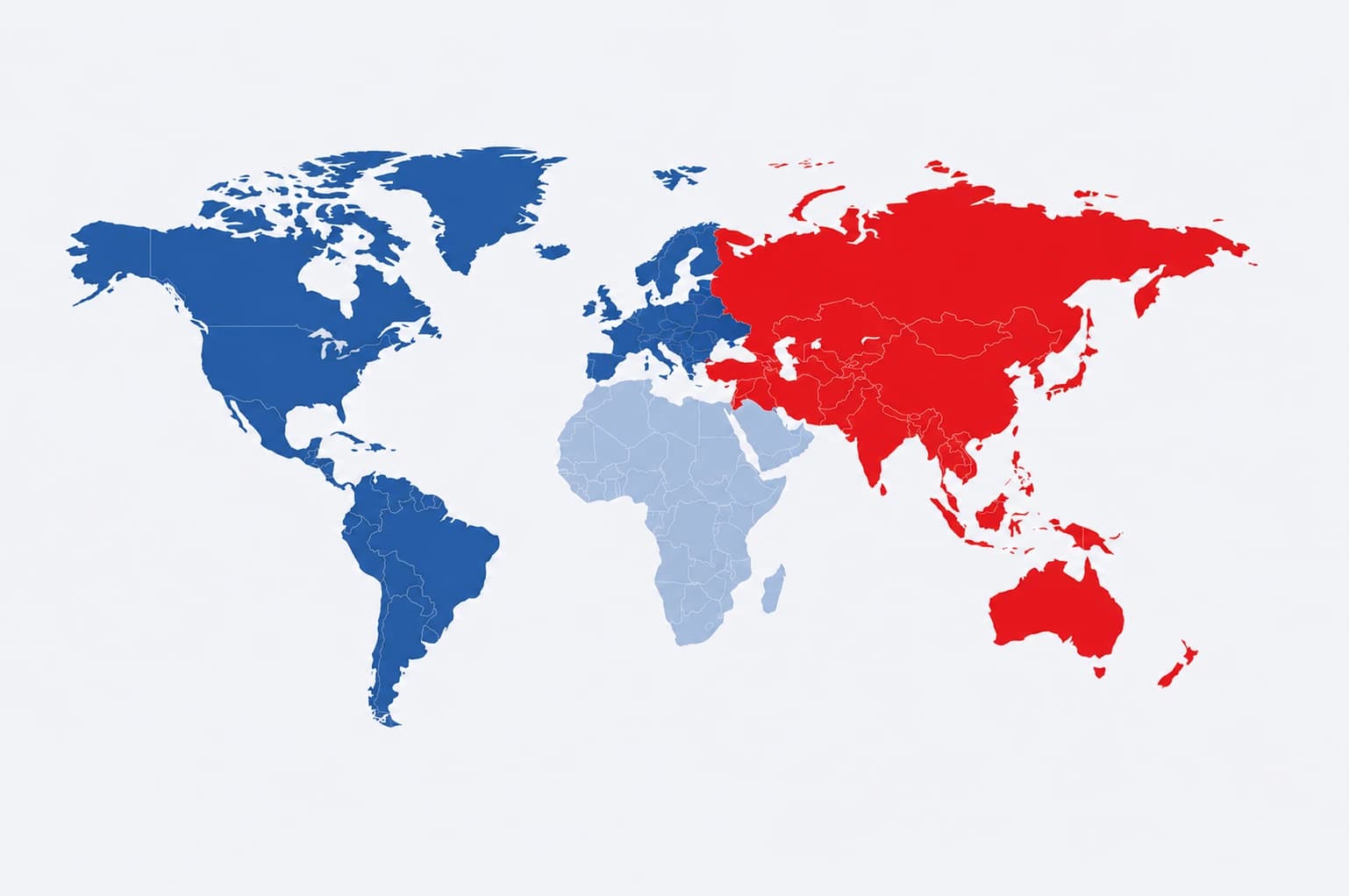
Europe, Asia-Pacific, and North America account for 32.17%, 31.03%, and 28.88% of modeled Bio-Isoprene volume in 2025, respectively. Together, these regions represent 92.08% of the modeled global market, supported by their chemical manufacturing, industrial biotechnology, and downstream rubber industry infrastructure.
The five named Bio-Isoprene industry participants account for 60.00% of modeled global revenue in 2025. Braskem, Goodyear, Sumitomo Riko, Zeon, and GlycosBio contribute different technological, manufacturing, and downstream application capabilities, while their commercial monomer production status remains distinct from their development activities.
The Bio-Isoprene industry is progressing through the transition from renewable chemical technology development toward integrated industrial manufacturing systems. Earlier development efforts concentrated on microbial conversion of plant-derived sugars, with subsequent research expanding toward lignocellulosic biomass, agricultural residues, and alternative renewable carbon substrates. Improvements in metabolic engineering, enzyme performance, fermentation control, and recovery technology are central to the development of commercially viable production processes. Direct Microbial Fermentation offers a pathway for converting renewable substrates into isoprene through engineered microorganisms, while Fermentation–catalytic Conversion combines biological intermediate production with chemical upgrading to obtain the target monomer. These routes create opportunities for different manufacturing configurations, ranging from integrated biorefineries to specialized chemical production facilities. Industrial development is also increasingly focused on the interaction between upstream monomer technology and downstream polymer manufacturing. Zeon and Visolis have advanced their collaboration involving renewable isoprene and sustainable aviation fuel, including technological feasibility assessment and preparation for future production investment. Such projects reflect the potential for shared biological conversion platforms to support several renewable chemical products. On the demand side, tire manufacturers, synthetic rubber producers, and specialty polymer companies are evaluating renewable feedstocks as part of broader material sustainability and supply chain strategies. The development of bio-based SIS and related elastomers demonstrates the importance of validating not only monomer production but also downstream polymer characteristics and finished material performance. Between 2026 and 2032, the principal market trend will be the progression from technical validation to operational manufacturing capability, supported by feedstock integration, process automation, industrial quality management, and customer qualification. The scale and timing of market growth will depend on commercial investment decisions, successful plant construction, manufacturing reliability, and the availability of customers prepared to adopt renewable monomers.
The long-term development of Bio-Isoprene is supported by renewable material procurement, industrial biotechnology improvements, and the need to diversify conventional petrochemical supply chains. Synthetic polyisoprene rubber and isoprene-containing polymers have established applications in tires, adhesives, sealants, and industrial rubber products, creating a technical foundation for introducing monomers manufactured from renewable carbon sources. For tire producers, the principal attraction of Bio-Isoprene is the potential to incorporate renewable feedstocks without fundamentally changing the chemical structure of the polymerization input. For adhesive manufacturers, renewable isoprene can support the development of bio-based SIS and related specialty formulations, particularly where customers place importance on material traceability and renewable content. Improvements in fermentation technology, microbial strain engineering, catalyst development, and chemical separation systems can also increase process reliability and reduce material losses. The availability of sugar-processing infrastructure, industrial fermentation equipment, and chemical engineering capabilities provides an industrial foundation for manufacturing scale-up. Customer participation is another important growth driver, because early material validation, jointly developed specifications, and longer-term procurement arrangements can reduce commercialization uncertainty. These factors are expected to contribute to demand expansion as commercial manufacturing capabilities mature and the resulting materials meet conventional polymer quality requirements.
Bio-Isoprene commercialization remains constrained by manufacturing technology, production economics, capital intensity, and downstream qualification requirements. Direct Microbial Fermentation requires stable microbial performance, efficient carbon conversion, reliable fermentation operation, and effective recovery of volatile isoprene from processing gases. Fermentation–catalytic Conversion introduces additional requirements for intermediate separation, catalyst stability, reaction selectivity, and coordination between biological and chemical processing operations. Feedstock costs are influenced by agricultural cycles, competition from food and fuel applications, and regional logistics conditions. Lignocellulosic materials require more complex pretreatment and hydrolysis, while alternative renewable substrates often introduce additional contamination and conversion challenges. Downstream polymerization processes impose stringent impurity specifications, and small variations in monomer composition can affect catalyst behavior and finished polymer properties. Commercial production facilities also require specialized safety equipment, vapor control, suitable storage systems, and operational procedures for handling flammable materials. The established supply chain for petroleum-derived isoprene presents a further competitive barrier because customers already have qualified suppliers, established procurement systems, and standardized manufacturing processes. These constraints place considerable importance on the ability to achieve dependable industrial operation before undertaking large-scale capacity expansion.
Bio-Isoprene creates opportunities across renewable monomer production, specialty polymers, industrial biotechnology, and integrated chemical manufacturing. Polymerization-grade monomer is a particularly relevant product category because synthetic rubber producers and SIS manufacturers require stringent chemical specifications and consistent feedstock performance. Tire manufacturers represent potential industrial customers for renewable polyisoprene and related rubber systems, while adhesive and sealant manufacturers offer opportunities for specialty renewable-content polymer formulations. The adoption of lignocellulosic feedstocks also creates industrial opportunities in biomass pretreatment, enzymatic hydrolysis, fermentation integration, and renewable carbon supply management. Hybrid conversion technologies provide additional opportunities for companies specializing in chemical catalysis, intermediate purification, and process engineering. Regional manufacturing opportunities are linked to the availability of renewable feedstocks, chemical industry infrastructure, downstream customers, and suitable industrial utilities. North America offers industrial biotechnology and carbohydrate processing capabilities; Europe has established specialty polymer and sustainable material development networks; Japan possesses significant synthetic rubber and precision chemical manufacturing expertise; and China has extensive industrial fermentation, chemical equipment, and rubber manufacturing infrastructure. Future opportunities will be strongest where renewable feedstock availability, validated conversion technology, and downstream customer requirements can be integrated into commercially sustainable production systems.
Bio-Isoprene faces significant technical and commercial challenges during industrial scale-up. The transition from laboratory or demonstration production to continuous industrial operation requires improvements in fermentation productivity, microbial stability, process control, and monomer recovery. Volatile isoprene production introduces demanding safety and environmental requirements, particularly in processes involving oxygen-containing fermentation gases and flammable hydrocarbon streams. Hybrid manufacturing processes must additionally address catalyst performance, intermediate purity, and the integration of multiple reaction stages. Feedstock fluctuations can affect process consistency, while changes in energy costs, agricultural material prices, and equipment availability influence manufacturing economics. Downstream customers typically require comprehensive polymerization testing and application validation before adopting alternative raw material suppliers. The timing of commercial investment therefore creates an important risk: production capacity developed ahead of qualified demand can lead to weak utilization, while inadequate manufacturing capacity can restrict customer adoption. Long-term challenges include competition from established petroleum-based monomers, uncertainty surrounding renewable-content certification, intellectual property protection, and the need to establish internationally coordinated manufacturing and supply arrangements. Industrial success will depend on converting renewable chemical technology into predictable production performance and commercially acceptable material specifications.
The Bio-Isoprene industry chain comprises upstream renewable feedstocks and manufacturing inputs, midstream monomer conversion and purification, and downstream polymer manufacturing and industrial applications. Upstream materials include sugarcane-derived sugars, starch hydrolysates, lignocellulosic biomass, and other renewable carbon substrates. Supporting inputs include fermentation nutrients, industrial enzymes, engineered microbial systems, catalysts, separation materials, and processing utilities. Feedstock availability is linked to agricultural and industrial processing regions such as Brazil, the United States, China, and other countries with established carbohydrate or biomass supply infrastructure. Specialized microorganisms, fermentation technologies, catalyst systems, and advanced purification equipment represent important technological resources. Midstream production is divided principally between Direct Microbial Fermentation and Fermentation–catalytic Conversion. Direct fermentation converts renewable substrates into isoprene through microbial pathways, followed by off-gas recovery and monomer purification. Hybrid conversion uses biological processing to produce suitable intermediates that undergo further catalytic reactions before final separation. Industrial manufacturing requires controlled reaction conditions, automated process monitoring, reliable equipment, contamination prevention, and appropriate safety systems for volatile and flammable chemicals. Product quality is influenced by feedstock composition, conversion selectivity, recovery efficiency, and impurity management. Manufacturers must also ensure that the finished monomer meets the specifications required for downstream polymerization, particularly in applications sensitive to moisture, oxygenated compounds, and catalyst-reactive contaminants. Downstream customers include synthetic rubber manufacturers, SIS producers, adhesive formulators, tire manufacturers, and industrial rubber product companies. Procurement decisions generally involve supplier technical evaluation, material testing, polymerization trials, finished-product qualification, and assessment of long-term supply reliability. The most important manufacturing barriers are therefore associated with integrated process performance, operating stability, product consistency, safety compliance, and customer acceptance. As commercial production develops, supply chain competition will increasingly depend on the ability to coordinate renewable feedstock procurement, industrial manufacturing, quality certification, and dependable customer deliveries.
Bio-Isoprene can be classified by feedstock, production process, and chemical purity, with each dimension representing a distinct aspect of industrial manufacturing. In the 2025 model, Sucrose etc Sugar Feedstock accounts for 69.90% of global volume, followed by Lignocellulosic Feedstock at 20.96% and Others at 9.15%. Sugar-based processing benefits from established agricultural and fermentation infrastructure, whereas lignocellulosic processing requires additional pretreatment and mixed-sugar utilization capabilities. Other renewable feedstocks include selected biogenic glycerol and alternative renewable carbon streams. By production process, Direct Microbial Fermentation represents 66.72% of modeled sales volume, compared with 33.28% for Fermentation–catalytic Conversion. Direct fermentation places particular emphasis on microbial strain stability, fermentation performance, and volatile product recovery; hybrid conversion requires intermediate purification and catalytic processing alongside biological manufacturing. By purity, Polymerization Grade (≥99.5%) accounts for 82.46% of modeled volume, while General Industrial Grade (Below 99.5%) represents 17.54%. Polymerization-grade material is especially important where trace impurities can affect polymerization catalyst activity and polymer characteristics. The 2025 modeled average ex-factory price is approximately USD 2.94/kg, with product price differences reflecting feedstock preparation, manufacturing complexity, purification requirements, and intended customer applications. Between 2026 and 2032, lignocellulosic and alternative renewable feedstocks offer additional technical development opportunities, while the commercialization of high-purity monomer is closely connected to downstream polymer qualification and reliable industrial production.
The downstream application structure of Bio-Isoprene is dominated by Tires, Adhesives and Sealants, and Others. Tires account for 64.44% of modeled global volume in 2025, reflecting the use of isoprene-derived elastomers in tire manufacturing. Adhesives and Sealants account for 26.03%, primarily through SIS and related elastomeric materials, while Others contributes 9.54%, covering industrial rubber products, selected medical elastomers, footwear materials, and specialty applications. Tire manufacturers require consistent polymer quality and mechanical performance, including durability, elasticity, fatigue resistance, and processing stability. SIS producers and adhesive manufacturers emphasize controlled polymer architecture, rheological behavior, adhesive performance, and compatibility with formulation components. Industrial rubber manufacturers focus on product-specific durability, mechanical strength, chemical compatibility, and manufacturing consistency. Customer adoption typically involves supplier qualification, laboratory-scale polymerization, material characterization, application trials, and validation of finished products under relevant operating conditions. Large industrial users also evaluate material traceability, the stability of the production process, and suppliers' ability to meet long-term delivery commitments. Between 2026 and 2032, tire applications provide a potential foundation for large-scale raw material replacement, while adhesives, sealants, and specialty elastomer applications offer opportunities for differentiated product development. Market penetration will depend on reliable Bio-Isoprene availability, acceptable production economics, and successful integration with established downstream polymer manufacturing processes.
Downstream Market Opportunities
The most significant downstream market opportunity for Bio-Isoprene is the substitution of petroleum-derived monomer within established synthetic rubber and polymer production systems. Tire manufacturing provides a major prospective industrial application because of its extensive use of rubber materials and its established systems for technical validation and supplier qualification. The development of renewable polyisoprene and related rubber formulations requires cooperation between monomer producers, synthetic rubber manufacturers, and tire companies. Adhesives and Sealants provide an additional opportunity through renewable-content SIS and other specialty polymers used in pressure-sensitive adhesives, packaging, hygiene products, and industrial bonding systems. These customers can evaluate renewable monomer through laboratory polymerization and finished-product testing before broader industrial adoption. Industrial rubber components, medical elastomers, and footwear materials provide further application opportunities where material performance, traceability, and specific customer requirements influence adoption. The development of downstream demand will increasingly be linked to joint material qualification, dependable industrial delivery, and renewable carbon documentation. Manufacturers capable of supporting customer formulation development and establishing long-term supply relationships will have stronger commercial opportunities than suppliers relying solely on general renewable material positioning.
The prospective global Bio-Isoprene market is concentrated in North America, Europe, and Asia-Pacific, reflecting the geographical distribution of industrial biotechnology capabilities, chemical manufacturing infrastructure, and downstream rubber industries. In the 2025 model, Europe accounts for 32.17% of global volume, followed by Asia-Pacific at 31.03% and North America at 28.88%. Latin America contributes 6.90%, while the Middle East and Africa account for 1.02%. North America benefits from advanced biotechnology research, carbohydrate processing, and major tire manufacturing operations, with the United States hosting Goodyear, GlycosBio, and several related technology developers. Europe has an established specialty chemical and industrial rubber industry, alongside customer interest in renewable and traceable materials. Asia-Pacific is supported by substantial rubber production, chemical processing, and industrial manufacturing infrastructure. Japan has particular strengths in synthetic rubber technology, with Zeon and Sumitomo Riko participating in renewable monomer and circular material research. China possesses integrated industrial capabilities in starch processing, fermentation equipment, chemical separation, synthetic rubber, and tire manufacturing, providing an industrial foundation for future Bio-Isoprene projects. Latin America, particularly Brazil, offers sugarcane processing capabilities and renewable chemical development experience. Future regional development will depend on manufacturing investment, feedstock availability, industrial infrastructure, customer qualification, and the establishment of reliable supply arrangements. The modeled regional demand distribution describes a potential industrial market structure rather than independently verified commercial Bio-Isoprene sales.
Competitive Landscape Analysis
Competition in Bio-Isoprene is primarily associated with industrial biotechnology, renewable feedstock conversion, process engineering, and downstream polymer application development. The modeled Top 5 company revenue concentration ratio is 60.00% in 2025, covering Braskem, Goodyear, Sumitomo Riko, Zeon, and GlycosBio. The companies occupy different positions within the industry chain. Braskem has petrochemical manufacturing and renewable chemical development experience. Goodyear contributes tire manufacturing expertise and downstream rubber application capabilities. Sumitomo Riko has experience in industrial rubber materials and circular feedstock research. Zeon combines synthetic rubber manufacturing knowledge with the development of renewable isoprene-related polymer materials. GlycosBio represents a historical industrial biotechnology development participant. The Zeon–Visolis collaboration is particularly relevant because it connects biological and catalytic conversion technologies with downstream polymer evaluation and industrialization planning. Competitive advantages are expected to depend increasingly on validated production technology, manufacturing reliability, monomer purification, environmental and safety compliance, customer certification, and access to renewable feedstocks. As industrial projects advance, confirmed production capacity, actual commercial deliveries, customer relationships, and production economics will become more meaningful measures of competitive position than historical technology announcements or planned capacity alone.
This report aims to provide a comprehensive presentation of the global market for Bio-Isoprene, with both quantitative and qualitative analysis, to help readers develop business/growth strategies, assess the market competitive situation, analyze their position in the current marketplace, and make informed business decisions regarding Bio-Isoprene.
The Bio-Isoprene market size, estimations, and forecasts are provided in terms of sales volume (Kg) and revenue ($ millions), considering 2025 as the base year, with history and forecast data for the period from 2021 to 2032. This report segments the global Bio-Isoprene market comprehensively. Regional market sizes, concerning products by Type, by Application, and by players, are also provided.
For a more in-depth understanding of the market, the report provides profiles of the competitive landscape, key competitors, and their respective market ranks. The report also discusses technological trends and new product developments.
This report will help the readers to understand the competition within the industries and strategies for the competitive environment to enhance the potential profit. The report also focuses on the competitive landscape of the global Bio-Isoprene market, and introduces in detail the market share, industry ranking, competitor ecosystem, market performance, new product development, operation situation, expansion, and acquisition. etc. of the main players, which helps the readers to identify the main competitors and deeply understand the competition pattern of the market.
Chapter One: Introduces the study scope of this report, executive summary of market segments by Type, market size segments for North America, Europe, Asia Pacific, Latin America, Middle East & Africa.
Chapter Two: Detailed analysis of Bio-Isoprene manufacturers competitive landscape, price, sales, revenue, market share and ranking, latest development plan, merger, and acquisition information, etc.
Chapter Three: Sales, revenue of Bio-Isoprene in regional level. It provides a quantitative analysis of the market size and development potential of each region and introduces the future development prospects, and market space in the world.
Chapter Four: Introduces market segments by Application, market size segment for North America, Europe, Asia Pacific, Latin America, Middle East & Africa.
Chapter Five, Six, Seven, Eight and Nine: North America, Europe, Asia Pacific, Latin America, Middle East & Africa, sales and revenue by country.
Chapter Ten: Provides profiles of key players, introducing the basic situation of the main companies in the market in detail, including product sales, revenue, price, gross margin, product introduction, recent development, etc.
Chapter Eleven: Analysis of industrial chain, key raw materials, manufacturing cost, and market dynamics. Introduces the market dynamics, latest developments of the market, the driving factors and restrictive factors of the market, the challenges and risks faced by manufacturers in the industry, and the analysis of relevant policies in the industry.
Chapter Twelve: Analysis of sales channel, distributors and customers.
Chapter Thirteen: Research Findings and Conclusion.
- ★ What Is The Overall Market Size And Projected Growth Rate Across Global And Regional Segments?
- ★ How Does The Market Size And Growth Outlook Vary Across Major Countries?
- ★ Which Region Or Market Sub-Segment Is Anticipated To Dominate Growth During The Forecast Period?
- ★ What Are The Primary Factors Expected To Drive Market Expansion, And What Challenges May Restrain Growth?
- ★ Which Emerging Technologies And Market Trends Are Shaping The Future Landscape?
- ★ What Are The Most Significant Opportunities Available In The Market?
- ★ Who Are The Leading Manufacturers Actively Participating In The Global Market?
- ★ Which Company Currently Holds The Largest Share Of The Market?
- ★ What Are The Potential Growth Avenues For New Entrants In The Global Market?