
Report Overview
Agricultural Machinery Market Insights:
According to QY Research, the global Agricultural Machinery market was valued at USD 135,847 million in 2024 and is anticipated to reach USD 187,079 million by 2031, witnessing a CAGR of 4.9% during the forecast period 2025–2031.
Agricultural machinery encompasses a wide range of mechanical devices designed to aid in various farming operations. These machines are pivotal in enhancing productivity, reducing labor costs, and ensuring timely completion of agricultural tasks. The primary categories of agricultural machinery include tractors, harvesters, spraying equipment, planting equipment, hay and forage equipment, and other specialized tools. Tractors serve as the backbone of mechanized farming, providing the necessary power to operate various implements. Harvesters are essential for efficiently gathering crops, minimizing losses, and reducing the time required for harvesting. Spraying equipment ensures the effective application of pesticides and fertilizers, safeguarding crop health. Planting equipment facilitates precise sowing of seeds, optimizing crop yields. Hay and forage equipment is crucial for livestock farming, aiding in the collection and processing of feed.
By Company
- John Deere
- CNH Industrial (Case IH and New Holland)
- Kubota
- AGCO
- Mahindra
- Yanmar
- LOVOL
- SDF
- JCB
- YTO Group
- Tractors and Farm Equipment (TAFE)
- ISEKI
- Escorts Kubota
- Wuzheng
- Horsch Maschinen
- Rostselmash
- Dongfeng Farm
- Lemken
- Shandong Shifeng
- Zoomlion
Report Scope:
This report aims to provide a comprehensive presentation of the global market for Agricultural Machinery, with both quantitative and qualitative analysis, to help readers develop business/growth strategies, assess the market competitive situation, analyze their position in the current marketplace, and make informed business decisions regarding Agricultural Machinery.
The Agricultural Machinery market size, estimations, and forecasts are provided in terms of revenue ($ millions), considering 2024 as the base year, with history and forecast data for the period from 2020 to 2031. This report segments the global Agricultural Machinery market comprehensively. Regional market sizes, concerning products by Type, by Application, and by players, are also provided.
For a more in-depth understanding of the market, the report provides profiles of the competitive landscape, key competitors, and their respective market ranks. The report also discusses technological trends and new product developments.
The report will help the Agricultural Machinery manufacturers, new entrants, and industry chain related companies in this market with information on the revenues for the overall market and the sub-segments across the different segments, by company, by Type, by Application, and by regions.
The agricultural machinery market can be broadly categorized by function into tractors, harvesters, spraying equipment, planting equipment, hay and forage equipment, and other specialized machines. Among these, tractors represent the largest and most important category, commanding approximately 55% of the global agricultural machinery market. Tractors are the cornerstone of modern mechanized agriculture due to their high versatility, power, and adaptability to a range of field tasks. Harvesters, which support the efficient gathering of crops, are crucial in minimizing harvest loss and labor costs. Spraying equipment is used in crop protection, enabling precision application of pesticides and fertilizers. Planting equipment ensures accurate seed distribution and planting depth, which is key to improving yield. Hay and forage equipment is critical in livestock farming, supporting feed collection and processing.
In terms of application, agricultural machinery is primarily used in crop farming, forestry, and horticulture. Crop farming is by far the dominant segment, accounting for around 73% of global application share. This is driven by the large-scale cultivation of staple and cash crops, where mechanization has proven to significantly boost output and reduce the reliance on manual labor. Forestry applications include equipment for land clearing, logging, and timber transportation. Horticulture, including fruit and vegetable farming, increasingly utilizes compact, specialized machinery suitable for greenhouse and orchard operations.
Geographically, the Asia-Pacific region is the largest consumer market for agricultural machinery, contributing to approximately 44% of the global revenue. Countries such as China and India are key contributors to this demand, supported by large agricultural land bases, growing population, and active government initiatives aimed at agricultural modernization. The need to increase farm productivity, combined with policy-driven subsidies and mechanization programs, has accelerated the adoption of tractors, harvesters, and related equipment. As a result, the Asia-Pacific market continues to lead global demand, serving as a hub of both production and consumption.
Key Factors Of Agricultural Machinery Market:
Several key factors are driving the growth of the agricultural machinery market. The increasing global population requires higher food output, pushing farmers to invest in efficient technologies. A shrinking rural labor force and rising labor costs in many countries make mechanization a necessary alternative. Furthermore, agricultural machinery has benefited from the wave of digital transformation. Innovations such as GPS-guided tractors, drone-based spraying systems, automated harvesters, and AI-powered crop monitoring tools are enhancing productivity and reducing waste. Farmers are increasingly embracing precision agriculture techniques, and agricultural machinery plays an instrumental role in delivering these practices.
However, the market is not without its challenges. The high initial investment required for modern agricultural machinery can be a major barrier for small and marginal farmers. Even with government subsidies, affordability remains a key concern in many developing regions. Additionally, machinery requires skilled operation and regular maintenance, which is not always readily available in remote areas. Infrastructural issues such as fragmented land plots, poor road access, and lack of electricity further complicate machinery adoption, particularly for larger and more advanced equipment.
In conclusion, the global agricultural machinery market is set for continued expansion, driven by the need for food security, efficiency, and sustainability. The dominance of tractors and crop-related equipment is expected to persist, particularly in high-growth regions such as Asia-Pacific. To meet the evolving demands of the market, manufacturers must focus on producing cost-effective, adaptable, and technologically advanced equipment. Investments in local after-sales support, farmer training, and flexible financing options will also be critical to ensuring the widespread adoption of agricultural machinery. As the industry embraces smart farming technologies and sustainable solutions, agricultural machinery will remain a pillar of global food systems for decades to come.
Chapter Outline:
Chapter 1: Introduces the report scope of the report, executive summary of different market segments (by region, product type, application, etc), including the market size of each market segment, future development potential, and so on. It offers a high-level view of the current state of the market and its likely evolution in the short to mid-term, and long term.
Chapter 2: key insights, key emerging trends, etc.
Chapter 3: Manufacturers competitive analysis, detailed analysis of Agricultural Machinery manufacturers competitive landscape, revenue market share, latest development plan, merger, and acquisition information, etc.
Chapter 4: Provides profiles of key players, introducing the basic situation of the main companies in the market in detail, including product revenue, gross margin, product introduction, recent development, etc.
Chapter 5 & 6: Revenue of Agricultural Machinery in regional level and country level. It provides a quantitative analysis of the market size and development potential of each region and its main countries and introduces the market development, future development prospects, market space, and market size of each country in the world.
Chapter 7: Provides the analysis of various market segments by Type, covering the market size and development potential of each market segment, to help readers find the blue ocean market in different market segments.
Chapter 8: Provides the analysis of various market segments by Application, covering the market size and development potential of each market segment, to help readers find the blue ocean market in different downstream markets.
Chapter 9: Analysis of industrial chain, including the upstream and downstream of the industry.
Chapter 10: The main points and conclusions of the report.
- ★ What Is The Overall Market Size And Projected Growth Rate Across Global And Regional Segments?
- ★ How Does The Market Size And Growth Outlook Vary Across Major Countries?
- ★ Which Region Or Market Sub-Segment Is Anticipated To Dominate Growth During The Forecast Period?
- ★ What Are The Primary Factors Expected To Drive Market Expansion, And What Challenges May Restrain Growth?
- ★ Which Emerging Technologies And Market Trends Are Shaping The Future Landscape?
- ★ What Are The Most Significant Opportunities Available In The Market?
- ★ Who Are The Leading Manufacturers Actively Participating In The Global Market?
- ★ Which Company Currently Holds The Largest Share Of The Market?
- ★ What Are The Potential Growth Avenues For New Entrants In The Global Market?
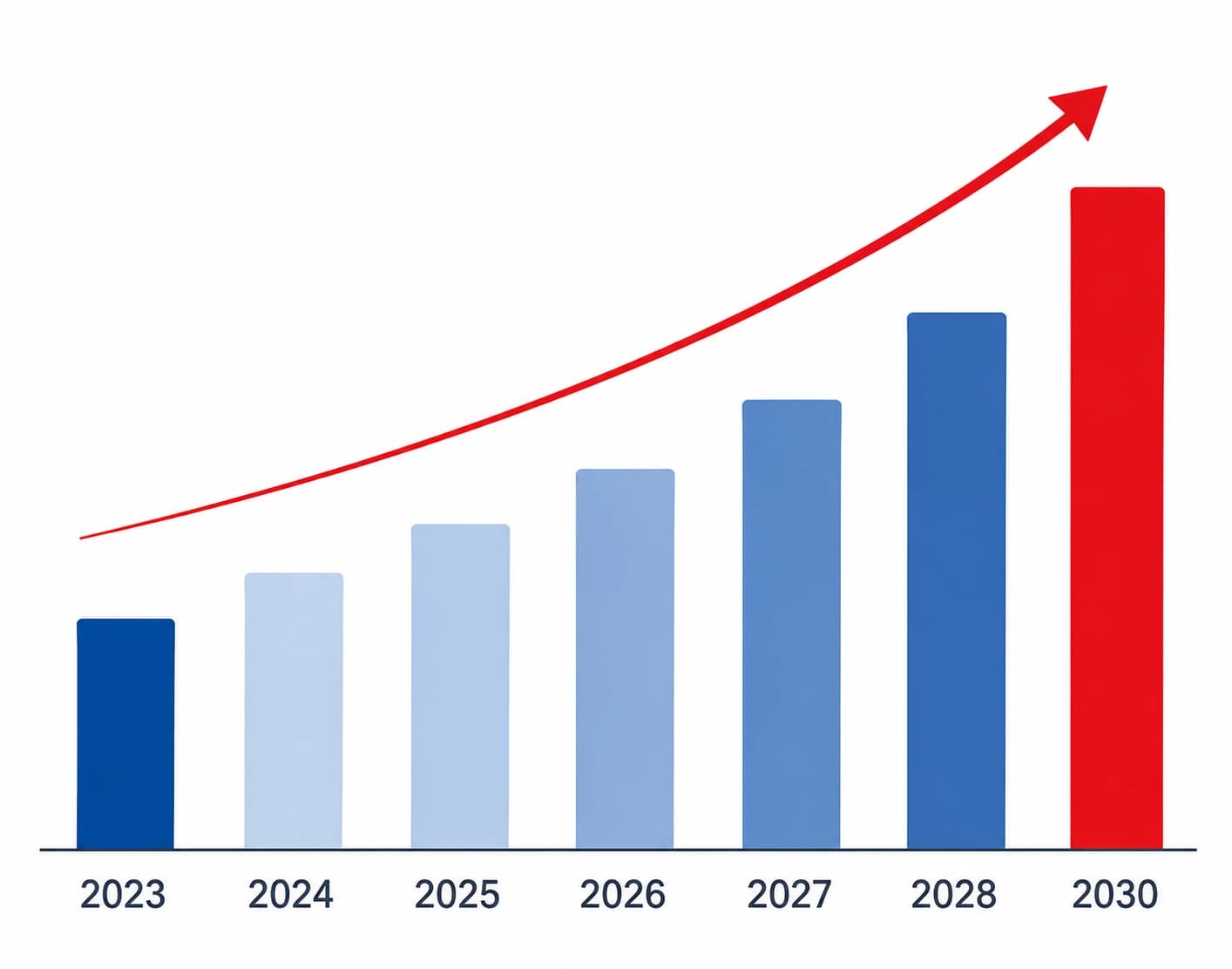
Market Size Overview
-
2026-
2032-
CAGR (2024-2032)Key Market Segmentation

By Type
- Tractors
- Harvesters
- Spraying Equipment
- Planting Equipment
- Hay & Forage Equipment
- Others

By Application
- Crops
- Forestry
- Horticulture
- Others

By Region
- North America
- Europe
- Asia Pacific
- Latin America
- Middle East & Africa
Regional Market Insights
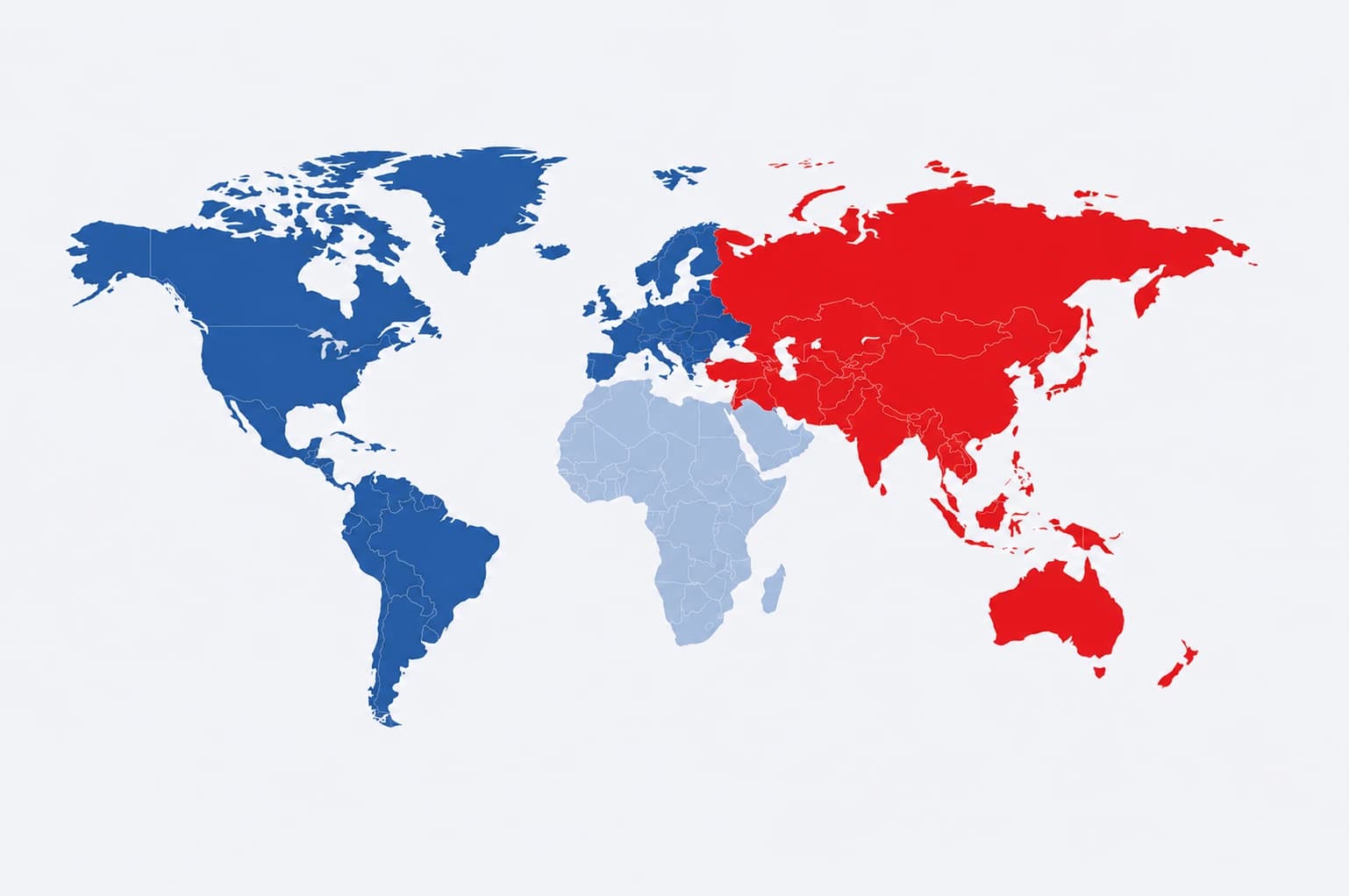

Asia Pacific
China, Japan, South Korea, Southeast Asia, India

North America
U.S., Canada, Mexico

Europe
Germany, France, UK, Italy

South America
Brazil, etc.

Middle East and Africa
Turkey, GCC Countries, Africa, etc.
Global Perspective. Local Insight.
Our reports deliver comprehensive regional coverage to help you understand market dynamics, identify growth opportunities, and make informed decisions.
Why Buy This Report?
Actionable insights. Trusted data. Smarter decisions.
Everything you need to stay ahead with confidence.
Gain a comprehensive understanding of the market
Make informed business decisions with data-backed insights
Identify growth opportunities and emerging markets
Stay ahead of competitors with actionable intelligence
Support strategic planning and investment decisions
Access detailed market segmentation and regional analysis
Benchmark key players, pricing, and market share
Benefit from reliable forecasts, trends, and future outlook
Understand customer demand, sales potential, and industry dynamics
Save research time with expert-validated data and analysis

Need Customization?
Reliable Reports
Trusted by Leaders
Global Coverage
100+ Countries
24/7 Support
We're Here to Help
Secure Payments
Safe & Trusted