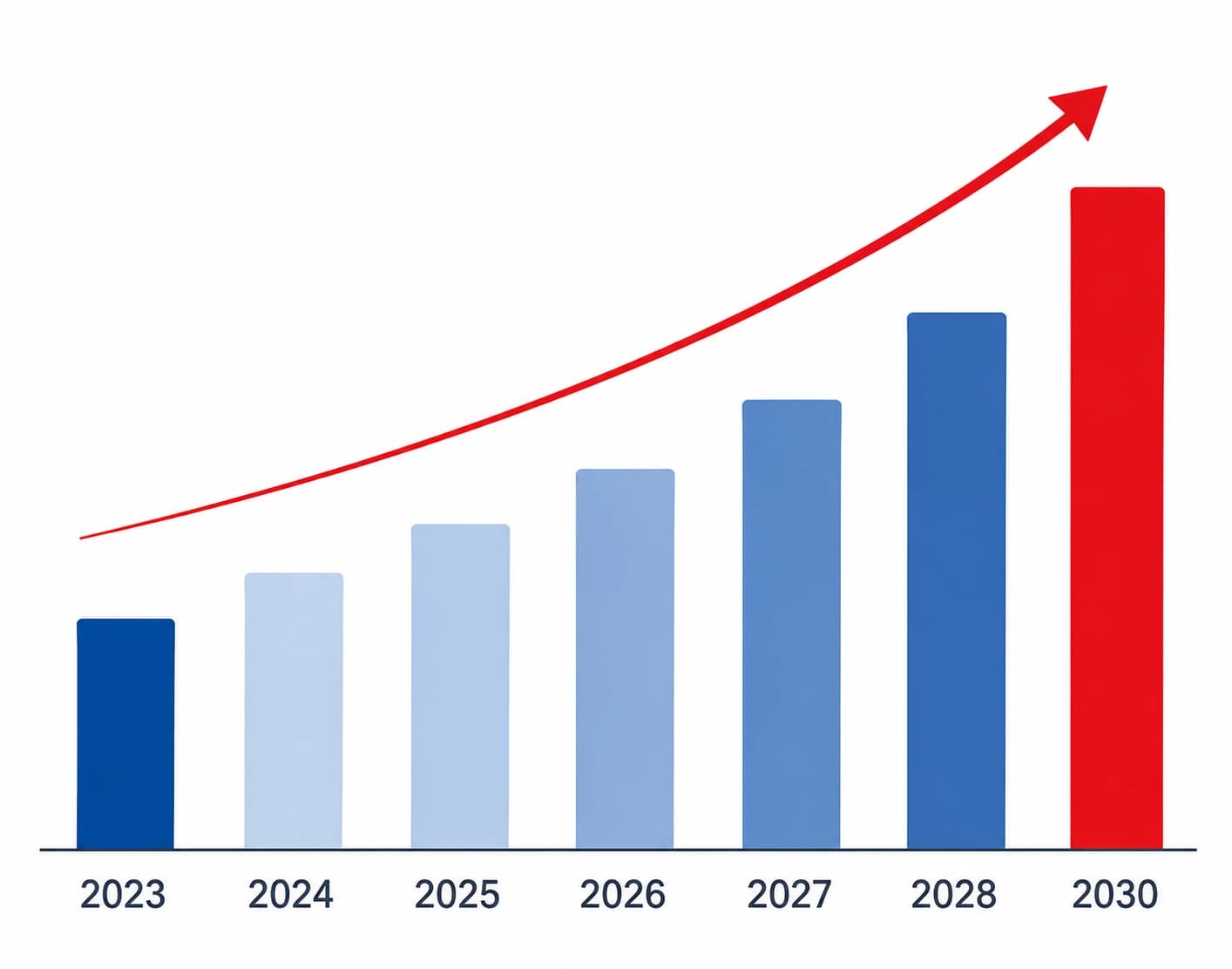
The global Residual Current Transformer (RCT) market was valued at US$ 455 million in 2025 and is anticipated to reach US$ 648 million by 2032, witnessing a CAGR of 5.5% during the forecast period 2026-2032.
Residual current transformers (RCTs) are specialized detection components designed for low-voltage and certain medium-voltage distribution safety scenarios. Their core function is to perform a vector summation of the currents flowing through the phase conductors and the neutral conductor, converting changes in residual current caused by leakage, ground faults, or insulation degradation into signals that can be recognized by relays, monitoring modules, or fire detection systems. The key technical focuses primarily include: high sensitivity for detecting very small residual currents, the ability to recover after exposure to high current surges, temperature stability, compatibility of window size with busbars, adaptation to AC, pulsating DC, or more complex fault currents, and system compatibility with residual current relays, insulation fault locators, measurement modules, electrical fire monitoring devices, and charging facility safety units. Typical customers include switchgear manufacturers, relay protection vendors, building electrical system integrators, industrial equipment OEMs, renewable energy and charging infrastructure providers, and operation & maintenance units. From a business model perspective, this sector is mainly driven by accessory-based and project-based revenue. While the unit product value is not high, its role in electrical safety, continuous monitoring, and system reliability is extremely critical.
Although the residual current transformer industry does not have a high unit device value, its position in the modern power distribution safety system is shifting from a traditional protection accessory to a foundational sensor for continuous monitoring and early warning. The core of industry competition is no longer simply whether a company has transformers, but who can turn transformers into a system entry point compatible with relays, monitoring modules, insulation locators, and platform software. European manufacturers place greater emphasis on continuous monitoring, nuisance-trip suppression, and uninterrupted operation in grounding systems such as TN-S and TT. Japanese manufacturers highlight high-precision ZCTs, through-hole and split-core structures, and retrofit installation capabilities from busbars to feeders. Chinese manufacturers, meanwhile, focus more on serialized product layouts around electrical fire monitoring, motor protection, and complete-system integration. From this perspective, this industry is not simply a magnetic components track, but a functional sensor track increasingly tied to low-voltage distribution safety, industrial continuous operation, and building electrical digitalization. Judging from the information disclosed on product pages, manufacturers have already built complete matrices around window size, installation method, applicable current type, and supporting module interfaces. This means that customers’ procurement logic is also shifting from single-point price comparison to selection by application scenario. Especially in data centers, rail transit, medical, manufacturing, and new-energy power distribution scenarios, requirements for high sensitivity and high reliability are rising simultaneously.
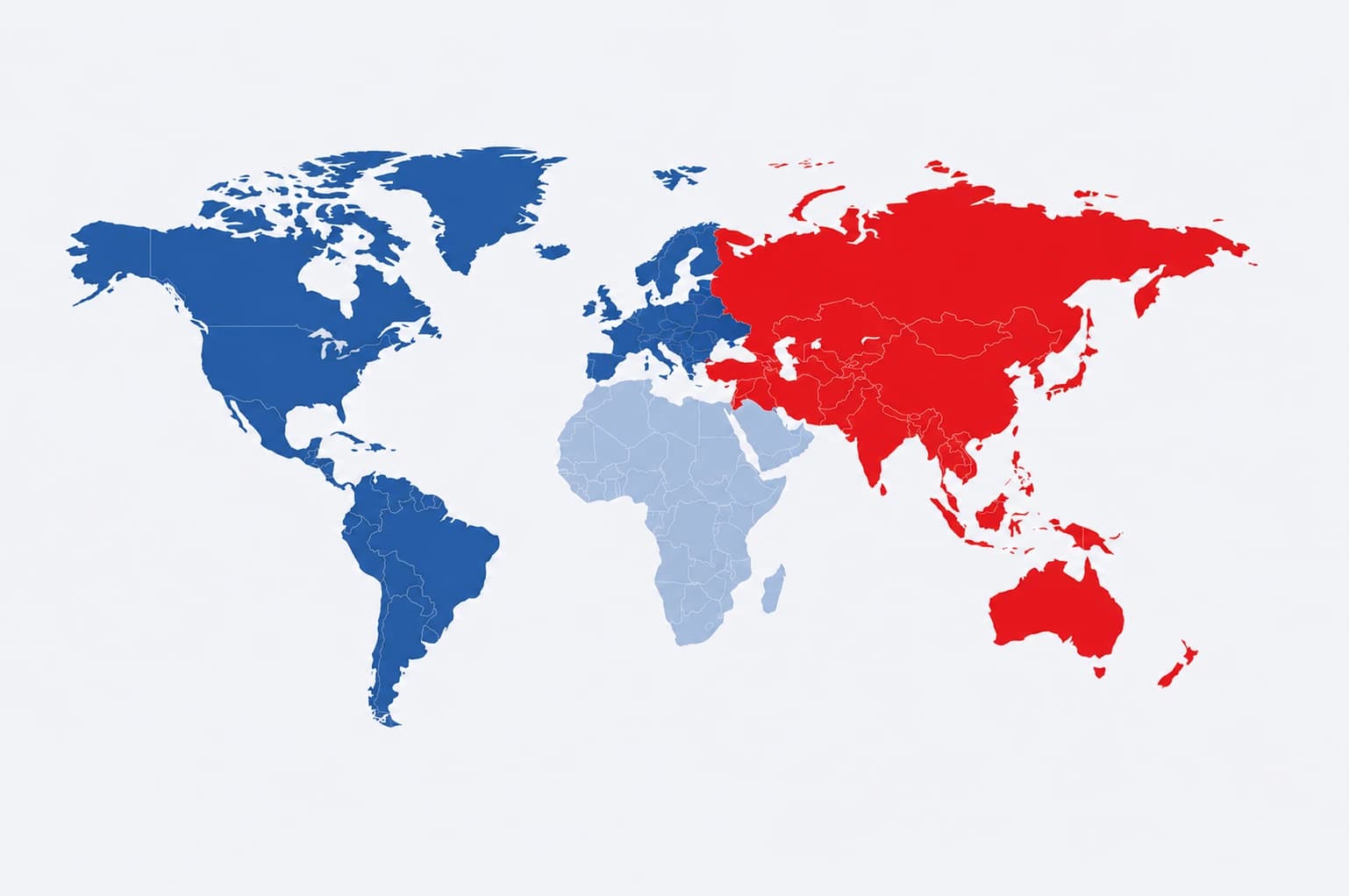
From the perspective of the competitive landscape, the residual current transformer industry shows clear regional stratification and capability stratification. European manufacturers from Germany, France, Spain, and other countries rely on their long-term accumulation in power distribution protection, insulation monitoring, and power quality systems to occupy the high-end industrial, building, and continuous monitoring markets. Their advantages lie in standards compliance, system compatibility with monitoring relays, product portfolios covering Type A to more complex fault-current scenarios, and engineering selection capabilities for large-scale projects. Japanese manufacturers continue along the zero-phase current transformer route, maintaining a strong presence in high-voltage receiving and distribution equipment, ground-fault relay matching, and high-precision structural components. Their product descriptions place greater emphasis on segmented forms such as through-hole type, split type, and primary-conductor-integrated type. Manufacturers in mainland China and Taiwan are characterized by fast response, dense model coverage, and flexible customization of window sizes and structures, enabling them to better match electrical fire monitoring, industrial OEM, and regional distribution retrofit projects. Future industry leaders will not necessarily be the companies with the most models, but more likely those that can simultaneously solve sensitivity, anti-interference performance, temperature drift, installation convenience, and system adaptability, because these factors together determine whether customers are willing to repurchase over the long term in real projects. This also explains why official product pages generally describe aperture size, busbar compatibility, output method, and compatible relays in great detail. In this industry, the real moat is not a single model, but the selection database, certification system, and supporting delivery experience built around typical operating conditions. This highly engineering-oriented form of competition also means that increases in industry concentration usually occur first in mid- to high-end system projects, rather than being fully reflected in shipment volume.
The industry outlook is generally optimistic because residual current transformers are benefiting from the expansion of three types of demand at the same time. The first is the safety upgrade of traditional low-voltage distribution and building electrical systems. Existing distribution systems continue to have demand for live retrofits, reduced false alarms, and electrical fire warnings, giving open-core, split-core, and modular solutions stable replacement space. The second is the deeper monitoring demand in industrial continuous-operation scenarios. Manufacturing equipment, data centers, hospitals, rail transit, and energy facilities are placing increasing importance on detecting insulation aging and minor leakage current without shutdown, driving the penetration of high-sensitivity and long-term stable products. The third is the expansion of new energy and electric vehicle charging infrastructure. More complex DC components and higher standard requirements are pushing the market to extend from traditional Type A solutions toward architectures that support more complex fault-current detection. At the same time, standards and regulations such as AFIR, IEC 61869-1, and IEC 62955 are making safety monitoring requirements more explicit, bringing demand for supporting sensors forward into the design stage. For enterprises, future growth will not only come from selling more transformers, but also from embedding transformers into relay protection, fire monitoring, charging safety, and digital operation and maintenance systems, forming continuous matching and project reuse. Therefore, what is most worth watching in this industry is not the shipment volume of devices in a single year, but the continuous rise of its position as a foundational sensor in electrical safety digitalization, power-electronics-driven energy systems, and existing facility retrofits. This will make market demand more resilient than that of traditional protection accessories. As long as the above three types of scenarios continue to expand, the product matrix and value density of RCTs are expected to rise in tandem.
This report aims to provide a comprehensive presentation of the global market for Residual Current Transformer (RCT), with both quantitative and qualitative analysis, to help readers develop business/growth strategies, assess the market competitive situation, analyze their position in the current marketplace, and make informed business decisions regarding Residual Current Transformer (RCT).
The Residual Current Transformer (RCT) market size, estimations, and forecasts are provided in terms of sales quantity (K Pcs) and revenue ($ millions), considering 2025 as the base year, with history and forecast data for the period from 2021 to 2032. This report segments the global Residual Current Transformer (RCT) market comprehensively. Regional market sizes, concerning products by Type, by Application, and by players, are also provided.
For a more in-depth understanding of the market, the report provides profiles of the competitive landscape, key competitors, and their respective market ranks. The report also discusses technological trends and new product developments.
The report will help the Residual Current Transformer (RCT) manufacturers, new entrants, and industry chain related companies in this market with information on the revenues, sales, and average price for the overall market and the sub-segments across the different segments, by company, by Type, by Application, and by regions.
Chapter 1: Introduces the report scope of the report, executive summary of different market segments (by region, product type, application, etc), including the market size of each market segment, future development potential, and so on. It offers a high-level view of the current state of the market and its likely evolution in the short to mid-term, and long term.
Chapter 2: key insights, key emerging trends, etc.
Chapter 3: Manufacturers competitive analysis, detailed analysis of Residual Current Transformer (RCT) manufacturers competitive landscape, price, sales and revenue market share, latest development plan, merger, and acquisition information, etc.
Chapter 4: Provides profiles of key players, introducing the basic situation of the main companies in the market in detail, including product sales, revenue, price, gross margin, product introduction, recent development, etc.
Chapter 5 & 6: Sales, revenue of Residual Current Transformer (RCT) in regional level and country level. It provides a quantitative analysis of the market size and development potential of each region and its main countries and introduces the market development, future development prospects, market space, and market size of each country in the world.
Chapter 7: Provides the analysis of various market segments by Type, covering the market size and development potential of each market segment, to help readers find the blue ocean market in different market segments.
Chapter 8: Provides the analysis of various market segments by Application, covering the market size and development potential of each market segment, to help readers find the blue ocean market in different downstream markets.
Chapter 9: Analysis of industrial chain, including the upstream and downstream of the industry.
Chapter 10: The main points and conclusions of the report.
- ★ What Is The Overall Market Size And Projected Growth Rate Across Global And Regional Segments?
- ★ How Does The Market Size And Growth Outlook Vary Across Major Countries?
- ★ Which Region Or Market Sub-Segment Is Anticipated To Dominate Growth During The Forecast Period?
- ★ What Are The Primary Factors Expected To Drive Market Expansion, And What Challenges May Restrain Growth?
- ★ Which Emerging Technologies And Market Trends Are Shaping The Future Landscape?
- ★ What Are The Most Significant Opportunities Available In The Market?
- ★ Who Are The Leading Manufacturers Actively Participating In The Global Market?
- ★ Which Company Currently Holds The Largest Share Of The Market?
- ★ What Are The Potential Growth Avenues For New Entrants In The Global Market?