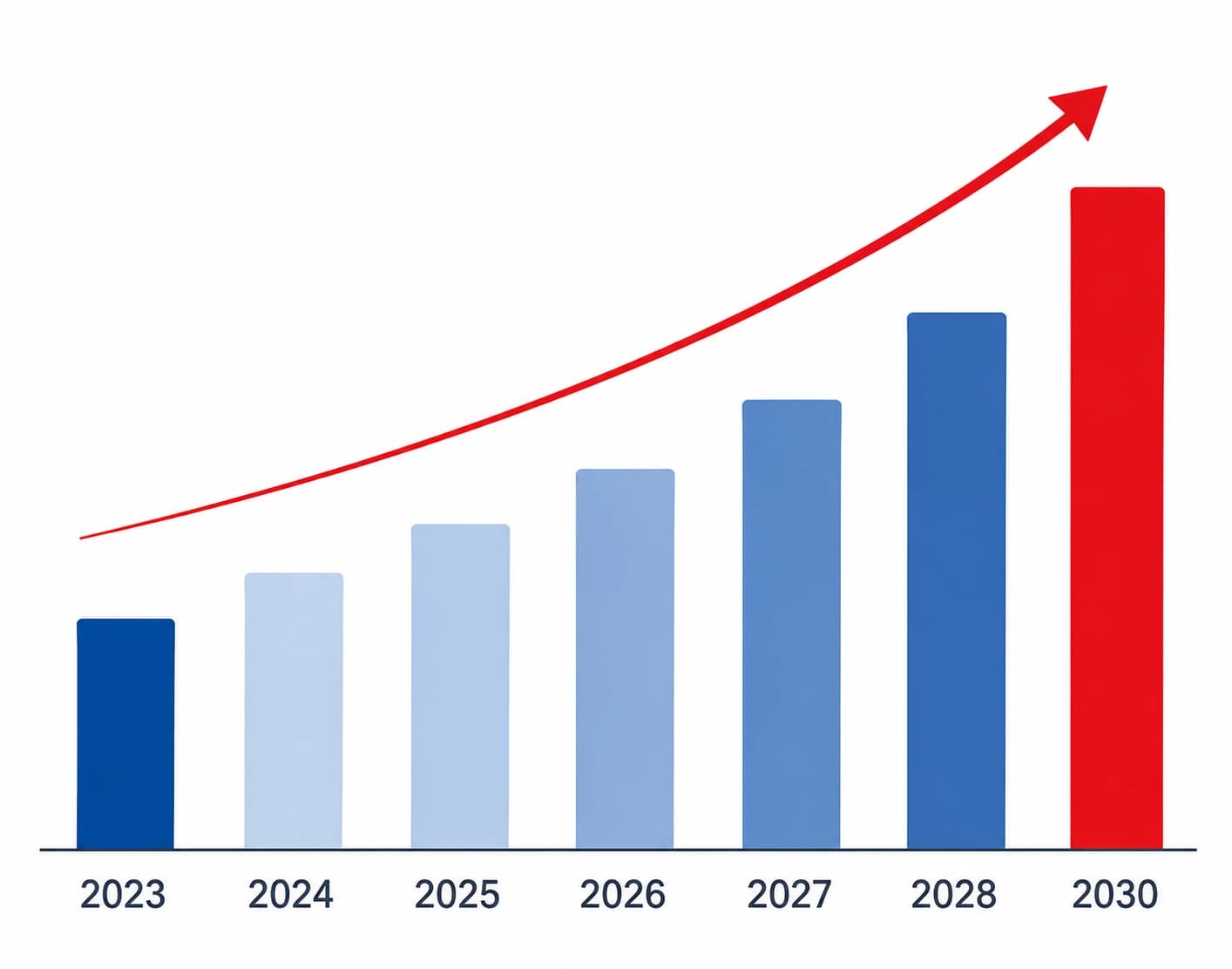
The global High Voltage Alternative Current (HVAC) Cable market was valued at US$ 36726 million in 2025 and is anticipated to reach US$ 57724 million by 2032, witnessing a CAGR of 6.8% during the forecast period 2026-2032.
High voltage alternating current cables are high-grade insulated cables and cable systems designed for large-capacity AC power transmission. They are commonly used to connect generation assets, offshore wind farms, island grids, subsea crossings, urban load centers, and large industrial users to main power grids. Their core function is to deliver stable, safe, and low-loss power transmission in constrained corridors, marine areas, or complex underground environments. The products use copper or aluminum conductors as the current-carrying element and solid insulation systems such as cross-linked polyethylene to control electric field stress and thermal aging risks. A complete delivery package is formed through metallic shielding, radial water barriers, lead sheaths, aluminum sheaths, outer sheaths, armoring, optical fiber units, terminations, joints, monitoring, installation, and construction. Typical voltage classes include 66kV, 110kV, 220kV, 275kV, 400kV, and 500kV. Product structures can be divided into single-core land underground cables, three-core submarine export cables, composite power and optical submarine cables, and dynamic cables for floating offshore wind. Major customers include transmission system operators, offshore wind developers, power generation companies, EPC contractors, urban grid companies, and large industrial and mining parks.
The market foundation for high voltage alternating current cables comes from the sustained need to improve transmission capacity, grid connection capability, and power supply reliability as power systems move toward higher levels of electrification and decarbonization. Compared with conventional overhead lines, high voltage AC cables are better suited for urban centers, marine areas, mountainous regions, river and sea crossings, industrial parks, and environmentally sensitive areas, enabling high-capacity transmission within limited corridors while reducing visual impact and external environmental interference. As renewable energy bases, offshore wind, island grids, data centers, electrified transportation, and large industrial loads continue to expand, demand for high voltage underground cables, submarine export cables, and critical interconnection cables is expected to remain robust. The product is not a single standardized cable, but an engineering system closely linked to voltage class, installation environment, system short-circuit capacity, thermal resistivity, number of joints, testing standards, and operation and maintenance requirements. As a result, customer purchasing decisions place greater emphasis on reliability, project execution, lifecycle cost, and long-term service capability.
From a technical perspective, competition in high voltage AC cables is extending from materials and manufacturing capability to system engineering capability. XLPE insulation, ultra-clean extrusion, metallic sheaths, water-blocking structures, armoring design, optical fiber monitoring, terminations, joints, and field testing jointly determine reliability under high-voltage, large-conductor, and long-distance conditions. Land underground cables emphasize current-carrying capacity, thermal stability, route layout, and maintainability, while submarine cables further emphasize mechanical protection, installation windows, seabed adaptability, and long-length continuous production capability. As voltage classes rise to 220kV, 275kV, 400kV, and 500kV, suppliers must have capabilities in high-cleanliness insulation extrusion, long-length production, factory joint control, submarine cable loading, installation, and project management. Industry barriers are therefore significantly higher than those of ordinary power cables, and leading suppliers typically reinforce their competitive positions through integrated delivery of cable bodies, accessories, installation, testing, and lifecycle services.
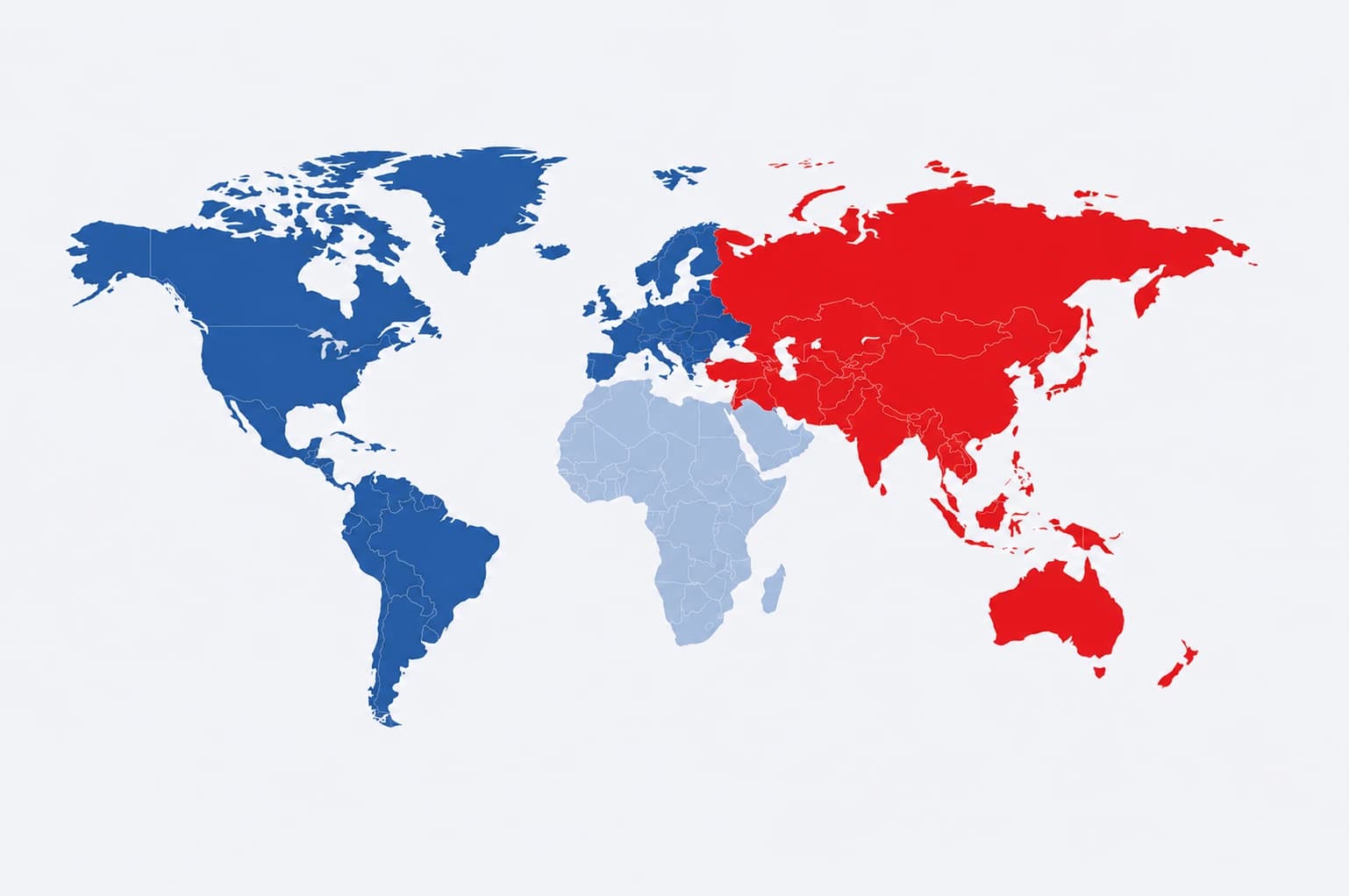
In terms of regional structure, Europe is supported by offshore wind, cross-border interconnection, and grid renewal, creating stable demand for high voltage AC submarine and underground cables. East Asia, backed by manufacturing capabilities in China, Japan, and South Korea, has built strong supply capacity in 500kV AC cables, submarine cables, and renewable energy export projects. North America is releasing demand for high voltage underground cables due to grid aging, renewable energy integration, and underground transmission projects. India, the Middle East, and North Africa are seeing a new round of EHV cable opportunities driven by urbanization, industrialization, transmission and distribution upgrades, and large energy projects. Future growth will mainly come from offshore wind moving toward larger-capacity projects, urban grid undergrounding and reliability upgrades, rising subsea and interregional interconnection projects, and greater demand for localized power infrastructure supply. Overall, the high voltage AC cable industry is characterized by high project value, high technical barriers, strong customer stickiness, and prominent long-term service attributes.
This report aims to provide a comprehensive presentation of the global market for High Voltage Alternative Current (HVAC) Cable, with both quantitative and qualitative analysis, to help readers develop business/growth strategies, assess the market competitive situation, analyze their position in the current marketplace, and make informed business decisions regarding High Voltage Alternative Current (HVAC) Cable.
The High Voltage Alternative Current (HVAC) Cable market size, estimations, and forecasts are provided in terms of sales quantity (Km) and revenue ($ millions), considering 2025 as the base year, with history and forecast data for the period from 2021 to 2032. This report segments the global High Voltage Alternative Current (HVAC) Cable market comprehensively. Regional market sizes, concerning products by Voltage Class, by Application, and by players, are also provided.
For a more in-depth understanding of the market, the report provides profiles of the competitive landscape, key competitors, and their respective market ranks. The report also discusses technological trends and new product developments.
The report will help the High Voltage Alternative Current (HVAC) Cable manufacturers, new entrants, and industry chain related companies in this market with information on the revenues, sales, and average price for the overall market and the sub-segments across the different segments, by company, by Voltage Class, by Application, and by regions.
Chapter 1: Introduces the report scope of the report, executive summary of different market segments (by region, product type, application, etc), including the market size of each market segment, future development potential, and so on. It offers a high-level view of the current state of the market and its likely evolution in the short to mid-term, and long term.
Chapter 2: key insights, key emerging trends, etc.
Chapter 3: Manufacturers competitive analysis, detailed analysis of High Voltage Alternative Current (HVAC) Cable manufacturers competitive landscape, price, sales and revenue market share, latest development plan, merger, and acquisition information, etc.
Chapter 4: Provides profiles of key players, introducing the basic situation of the main companies in the market in detail, including product sales, revenue, price, gross margin, product introduction, recent development, etc.
Chapter 5 & 6: Sales, revenue of High Voltage Alternative Current (HVAC) Cable in regional level and country level. It provides a quantitative analysis of the market size and development potential of each region and its main countries and introduces the market development, future development prospects, market space, and market size of each country in the world.
Chapter 7: Provides the analysis of various market segments by Voltage Class, covering the market size and development potential of each market segment, to help readers find the blue ocean market in different market segments.
Chapter 8: Provides the analysis of various market segments by Application, covering the market size and development potential of each market segment, to help readers find the blue ocean market in different downstream markets.
Chapter 9: Analysis of industrial chain, including the upstream and downstream of the industry.
Chapter 10: The main points and conclusions of the report.
- ★ What Is The Overall Market Size And Projected Growth Rate Across Global And Regional Segments?
- ★ How Does The Market Size And Growth Outlook Vary Across Major Countries?
- ★ Which Region Or Market Sub-Segment Is Anticipated To Dominate Growth During The Forecast Period?
- ★ What Are The Primary Factors Expected To Drive Market Expansion, And What Challenges May Restrain Growth?
- ★ Which Emerging Technologies And Market Trends Are Shaping The Future Landscape?
- ★ What Are The Most Significant Opportunities Available In The Market?
- ★ Who Are The Leading Manufacturers Actively Participating In The Global Market?
- ★ Which Company Currently Holds The Largest Share Of The Market?
- ★ What Are The Potential Growth Avenues For New Entrants In The Global Market?