3D Animation Software establish a virtual world in the computer first. The animator usually starts by creating a 3D polygon mesh to manipulate. A mesh typically includes many vertices that are connected by edges and faces, which give the visual appearance of form to a 3D object or 3D environment. Sometimes, the mesh is given an internal digital skeletal structure called an armature that can be used to control the mesh by weighting the vertices. This process is called rigging and can be used in conjunction with keyframes to create movement.
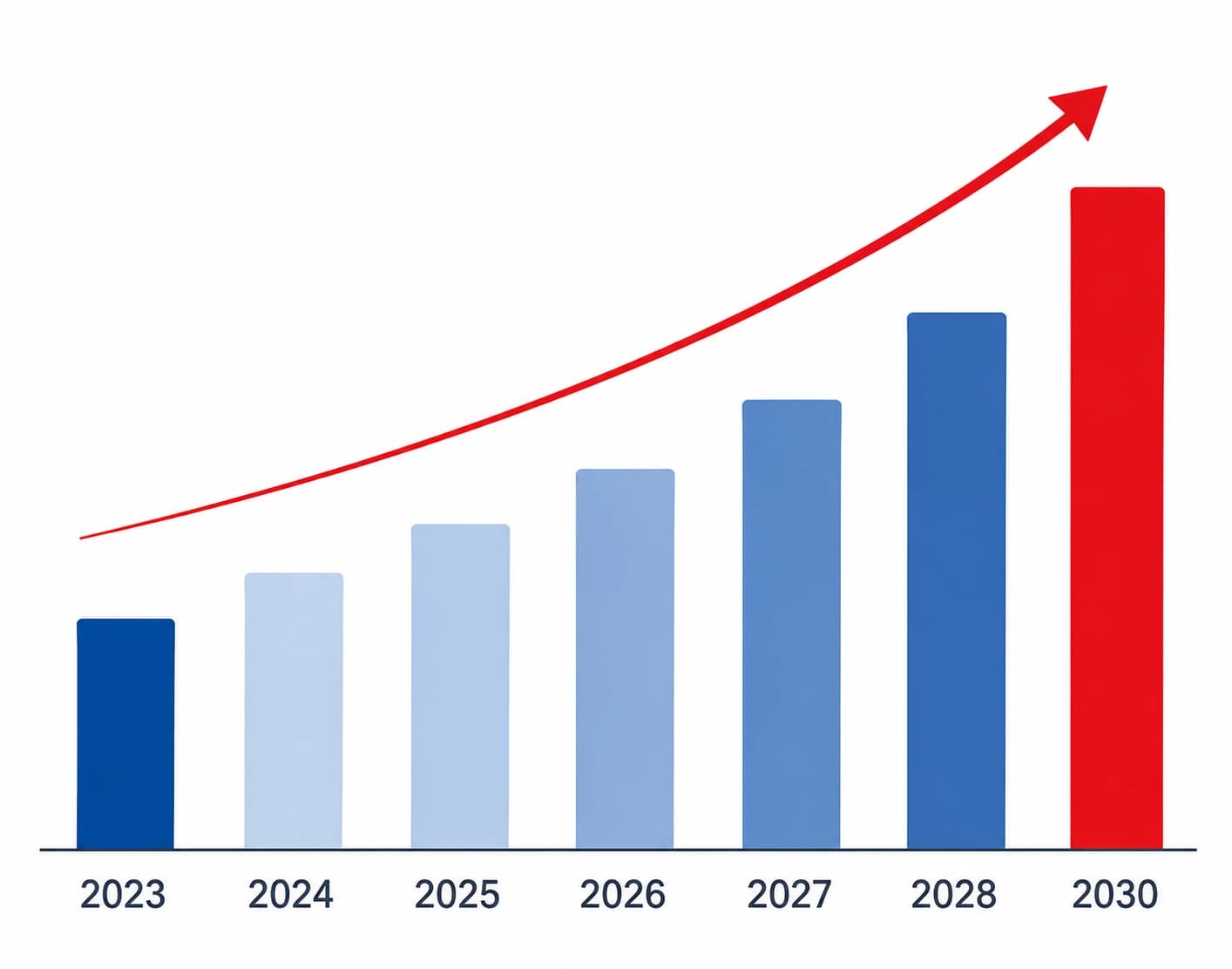
The global 3D Animation Software market size is expected to reach US$ 210.5 million by 2029, growing at a CAGR of -0.1% from 2023 to 2029. The market is mainly driven by the significant applications of 3D Animation Software in various end use industries. The expanding demands from the Construction Field, Animation Field, Media Field and Other Fields, are propelling 3D Animation Software market. The Standard Version, one of the segments analysed in this report, is projected to record % CAGR and reach US$ million by the end of the analysis period. Growth in the Professional Version segment is estimated at % CAGR for the next seven-year period.
Increased technology is a key driver, including practicality and verisimilitude.
This report provides market insight on the different segments, by players, by Type, by Application. Market size and forecast (2018-2029) has been provided in the report. The primary objectives of this report are to provide 1) global market size and forecasts, growth rates, market dynamics, industry structure and developments, market situation, trends; 2) global market share and ranking by company; 3) comprehensive presentation of the global market for 3D Animation Software, with both quantitative and qualitative analysis through detailed segmentation; 4) detailed value chain analysis and review of growth factors essential for the existing market players and new entrants; 5) emerging opportunities in the market and the future impact of major drivers and restraints of the market.
Key Features of The Study:
This report provides in-depth analysis of the global 3D Animation Software market, and provides market size (US$ million) and CAGR for the forecast period (2023-2029), considering 2022 as the base year.
This report profiles key players in the global 3D Animation Software market based on the following parameters - company details (found date, headquarters, manufacturing bases), products portfolio, 3D Animation Software sales data, market share and ranking.
This report elucidates potential market opportunities across different segments and explains attractive investment proposition matrices for this market.
This report illustrates key insights about market drivers, restraints, opportunities, market trends, regional outlook.
Key companies of 3D Animation Software covered in this report include Adobe Systems, Autodesk, Corel, Electric Image, Maxon Computer, Side Effects Software, Corastar, Corus entertainment and Magix, etc.
The global 3D Animation Software market report caters to various stakeholders in this industry including investors, suppliers, product players, distributors, new entrants, and financial analysts.
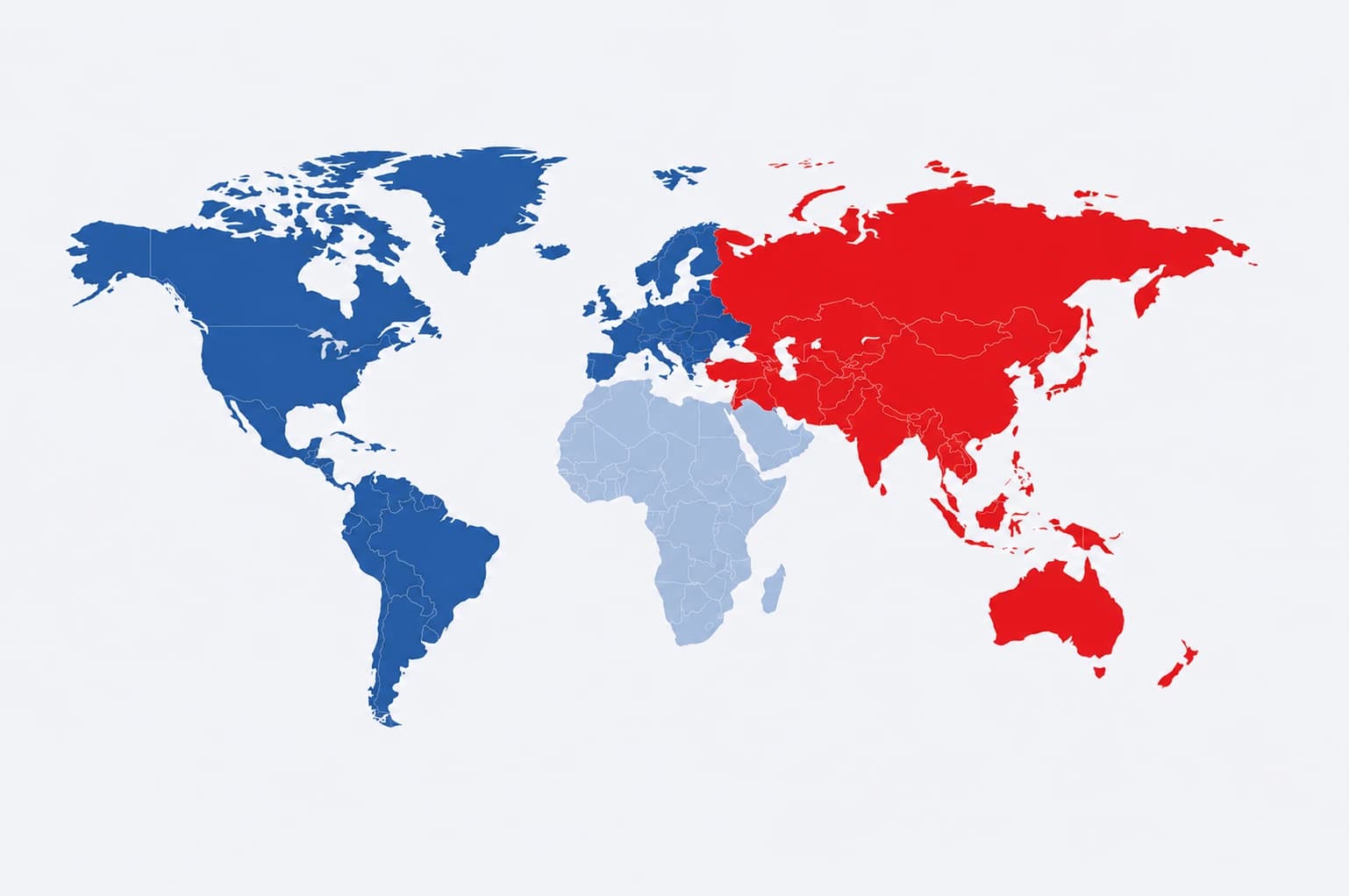
Global 3D Animation Software market, by region:
North America (U.S., Canada, Mexico)
Europe (Germany, France, UK, Italy, etc.)
Asia Pacific (China, Japan, South Korea, Southeast Asia, India, etc.)
South America (Brazil, etc.)
Middle East and Africa (Turkey, GCC Countries, Africa, etc.)
Global 3D Animation Software market, Segment by Type:
Global 3D Animation Software market, by Application
Chapter One: Introduces the report scope of the report, executive summary of global and regional market size and CAGR for the history and forecast period (2018-2023, 2024-2029). It offers a high-level view of the current state of the market and its likely evolution in the short to mid-term, and long term.
Chapter Two: Provides the analysis of various market segments by Type, covering the market size and development potential of each market segment, to help readers find the blue ocean market in different market segments.
Chapter Three: Provides the analysis of various market segments by Application, covering the market size and development potential of each market segment, to help readers find the blue ocean market in different downstream markets.
Chapter Four: Detailed analysis of 3D Animation Software companies’ competitive landscape, revenue, market share and ranking, latest development plan, merger, and acquisition information, etc.
Chapter Five: Provides profiles of key players, introducing the basic situation of the main companies in the market in detail, including product introduction, revenue, recent development, etc.
Chapter Six, Seven, Eight, Nine and Ten: North America, Europe, Asia Pacific, Latin America, Middle East & Africa, revenue by country.
Chapter Eleven: this section also introduces the market dynamics, latest developments of the market, the driving factors and restrictive factors of the market, the challenges and risks faced by companies in the industry, and the analysis of relevant policies in the industry.
Chapter Twelve: Research Finding/Conclusion