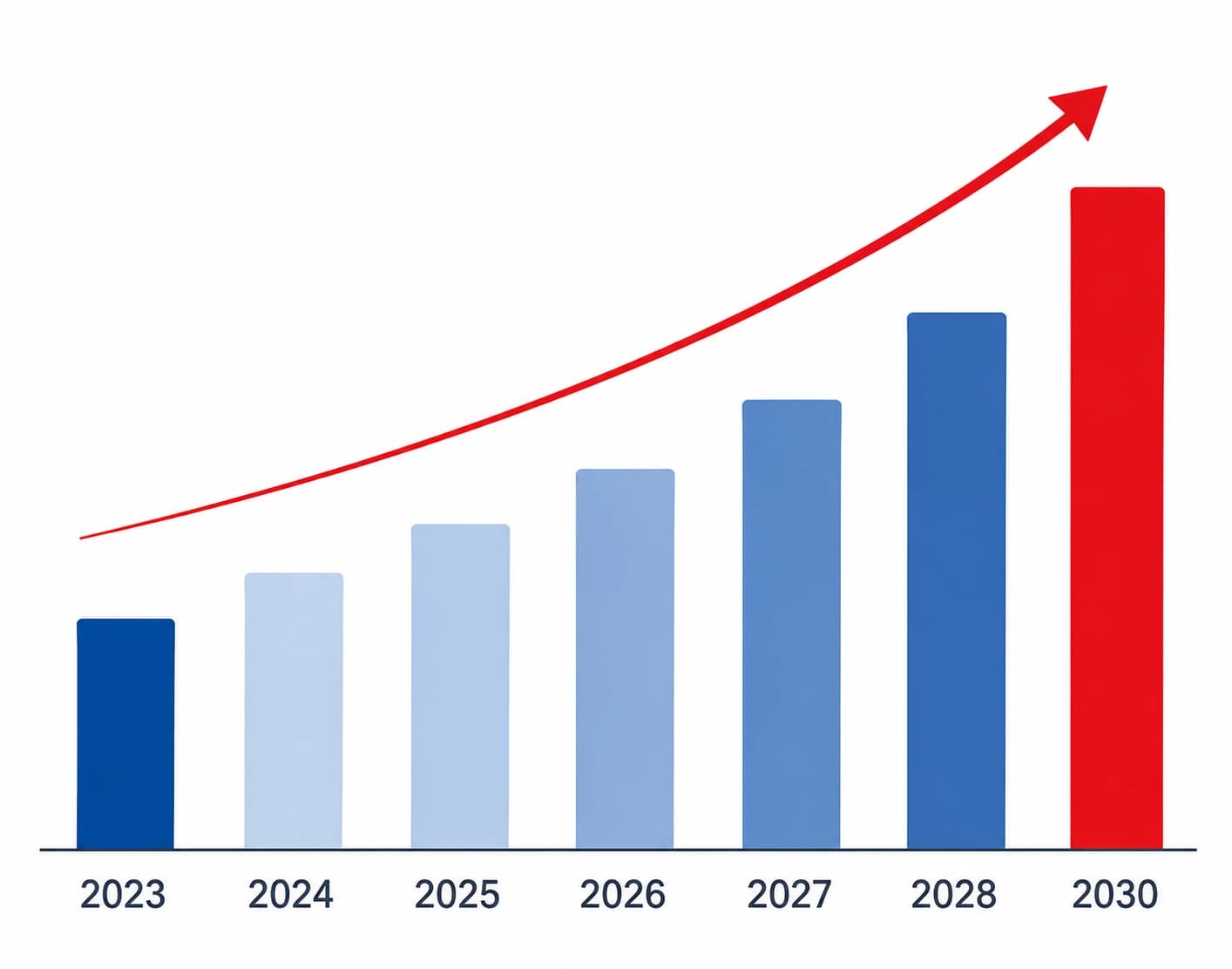
The global Chemicals for Swimming Pool market was valued at US$ 1577 million in 2025 and is anticipated to reach US$ 2026 million by 2032, witnessing a CAGR of 3.6% during the forecast period 2026-2032.
The Swimming Pool Treatment Chemicals market refers to all the products and chemical solutions that are used to keep swimming pool water clean, safe, and healthy for people to swim in. At its core, it includes the manufacturing, distribution, and sale of chemicals that help control microbes (like bacteria and algae), balance water chemistry (like pH and chlorine levels), and keep water clear and free from contaminants.
These chemicals are essential because pool water is constantly exposed to dirt, sweat, sunscreen, body oils, leaves, insects, rain, and other materials that can quickly degrade water quality if left untreated. Without proper chemical treatment, pool water can become green with algae, full of harmful germs, irritating to skin and eyes, and dangerous to swim in.
The Swimming Pool Treatment Chemicals market is recurring in nature. Once a pool is installed, the chemicals required to maintain it are consumed on an ongoing basis. This creates stable demand over time, because:
Chemicals must be replenished regularly (often weekly or monthly depending on use and weather).
Water quality deteriorates with use and environmental exposure.
Regulations or health standards often require minimum levels of sanitation to prevent illness.
Because of this recurring need, industry sales often follow seasonal patterns: demand peaks in spring and summer when pools are most used, then slows in winter months in cooler climates. In warmer regions or indoor pools, demand can be more steady year-round.
The Swimming Pool Treatment Chemicals market is the economic space where all products used to keep pool water safe and clean are made, marketed, and sold. It includes sanitizers, pH balancers, algaecides, and many other products that ensure swimming pool water stays clear, healthy, and safe for people to swim in. Growth in the number of pools, increasing health awareness, expanding recreational and hospitality use, rising disposable incomes, and regulatory standards are all strong drivers pushing this market forward. Meanwhile, trends like eco-friendly chemicals, smart dosing technology, multifunctional products, and online sales reflect how the market is evolving to meet consumer needs and preferences. Despite some challenges around regulations and raw material costs, the industry’s long-term outlook remains positive as pools continue to be a central part of recreation and leisure worldwide.
In 2025, global Chemicals for Swimming Pool production reached approximately 1038.9 K MT, with an average global market price of around US$ 1518 per MT. The global single-line production capacity ranges from 30 to 50 K MT per year. The industry's gross profit margin is approximately 20%-25%.
The Swimming Pool Treatment Chemicals market has several important trends that shape how products are developed, marketed, and used. Some of the biggest trends include:
1. Sustainability and Eco-Friendly Products
An increasing number of pool owners want treatment chemicals that are safer for the environment, swimmers, and pets. This has led to more eco-friendly and biodegradable pool chemicals. These products may:
Reduce the use of traditional chlorine compounds that can form harmful disinfection byproducts.
Use alternative sanitizers like oxygen-based agents or enzymes.
Be formulated to degrade naturally or with lower toxicity.
Consumers, especially in developed markets, are more aware of environmental impact and want products that reflect those values. Suppliers are responding with greener formulations and marketing them as safer and more sustainable options.
2. Integration of Automation and Smart Technologies
Pool maintenance is increasingly supported by technology. Smart chemical dosing systems can monitor water quality (pH, chlorine levels, temperature) electronically and add chemicals automatically. These systems make maintenance simpler and more accurate, reducing human error and wasted chemicals.
Even simple home systems are adopting digital monitoring that links to phones or pool management devices. In commercial settings, automated dosing helps comply with health regulations and keeps water safe with less manual labor.
3. Multifunctional Products
Rather than having many different chemicals for separate tasks, newer products combine functions — for example, a single tablet that sanitizes, controls algae, and helps balance water. These multifunctional products make pool care easier for end users, especially residential pool owners who prefer convenience.
4. Increased Online Sales and E-Commerce
Like many consumer products, pool treatment chemicals are increasingly sold online. Homeowners can order what they need directly, often with home delivery. This trend has grown as people become more comfortable purchasing technical products online and comparing pricing digitally. The convenience factor is significant for many smaller consumers.
5. Demand for Stabilized and Long-Lasting Formulations
There’s a growing interest in chemical formats that are less affected by sunlight or temperature — such as stabilized chlorine — because they last longer in the water and require less frequent additions. This trend is noticeable in markets where maintenance simplicity is a priority.
This report aims to provide a comprehensive presentation of the global market for Chemicals for Swimming Pool, with both quantitative and qualitative analysis, to help readers develop business/growth strategies, assess the market competitive situation, analyze their position in the current marketplace, and make informed business decisions regarding Chemicals for Swimming Pool.
The Chemicals for Swimming Pool market size, estimations, and forecasts are provided in terms of sales quantity (Kiloton) and revenue ($ millions), considering 2025 as the base year, with history and forecast data for the period from 2021 to 2032. This report segments the global Chemicals for Swimming Pool market comprehensively. Regional market sizes, concerning products by Type, by Application, and by players, are also provided.
For a more in-depth understanding of the market, the report provides profiles of the competitive landscape, key competitors, and their respective market ranks. The report also discusses technological trends and new product developments.
The report will help the Chemicals for Swimming Pool manufacturers, new entrants, and industry chain related companies in this market with information on the revenues, sales, and average price for the overall market and the sub-segments across the different segments, by company, by Type, by Application, and by regions.
Chapter 1: Introduces the report scope of the report, executive summary of different market segments (by region, product type, application, etc), including the market size of each market segment, future development potential, and so on. It offers a high-level view of the current state of the market and its likely evolution in the short to mid-term, and long term.
Chapter 2: key insights, key emerging trends, etc.
Chapter 3: Manufacturers competitive analysis, detailed analysis of Chemicals for Swimming Pool manufacturers competitive landscape, price, sales and revenue market share, latest development plan, merger, and acquisition information, etc.
Chapter 4: Provides profiles of key players, introducing the basic situation of the main companies in the market in detail, including product sales, revenue, price, gross margin, product introduction, recent development, etc.
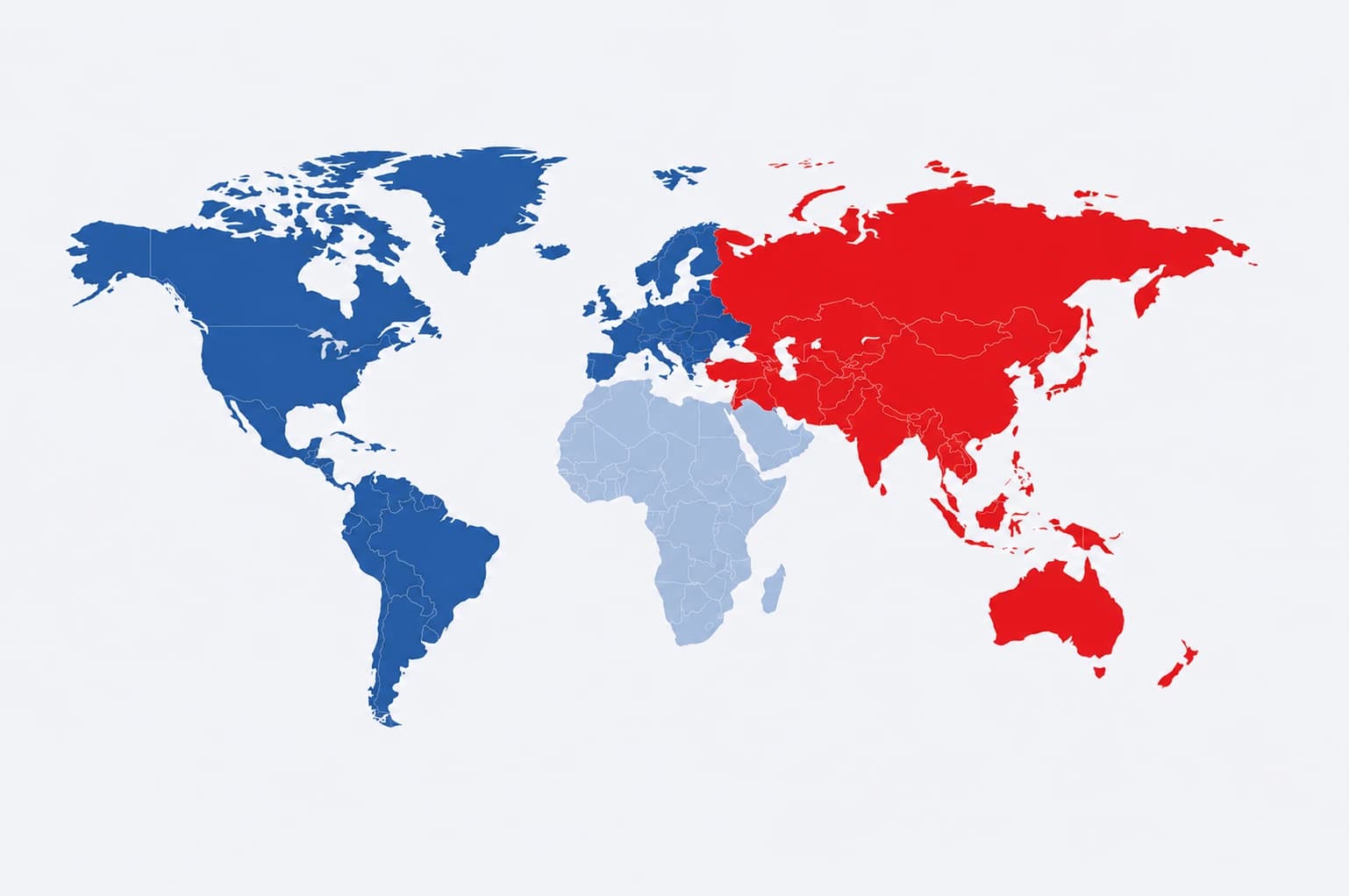
Chapter 5 & 6: Sales, revenue of Chemicals for Swimming Pool in regional level and country level. It provides a quantitative analysis of the market size and development potential of each region and its main countries and introduces the market development, future development prospects, market space, and market size of each country in the world.
Chapter 7: Provides the analysis of various market segments by Type, covering the market size and development potential of each market segment, to help readers find the blue ocean market in different market segments.
Chapter 8: Provides the analysis of various market segments by Application, covering the market size and development potential of each market segment, to help readers find the blue ocean market in different downstream markets.
Chapter 9: Analysis of industrial chain, including the upstream and downstream of the industry.
Chapter 10: The main points and conclusions of the report.
- ★ What Is The Overall Market Size And Projected Growth Rate Across Global And Regional Segments?
- ★ How Does The Market Size And Growth Outlook Vary Across Major Countries?
- ★ Which Region Or Market Sub-Segment Is Anticipated To Dominate Growth During The Forecast Period?
- ★ What Are The Primary Factors Expected To Drive Market Expansion, And What Challenges May Restrain Growth?
- ★ Which Emerging Technologies And Market Trends Are Shaping The Future Landscape?
- ★ What Are The Most Significant Opportunities Available In The Market?
- ★ Who Are The Leading Manufacturers Actively Participating In The Global Market?
- ★ Which Company Currently Holds The Largest Share Of The Market?
- ★ What Are The Potential Growth Avenues For New Entrants In The Global Market?