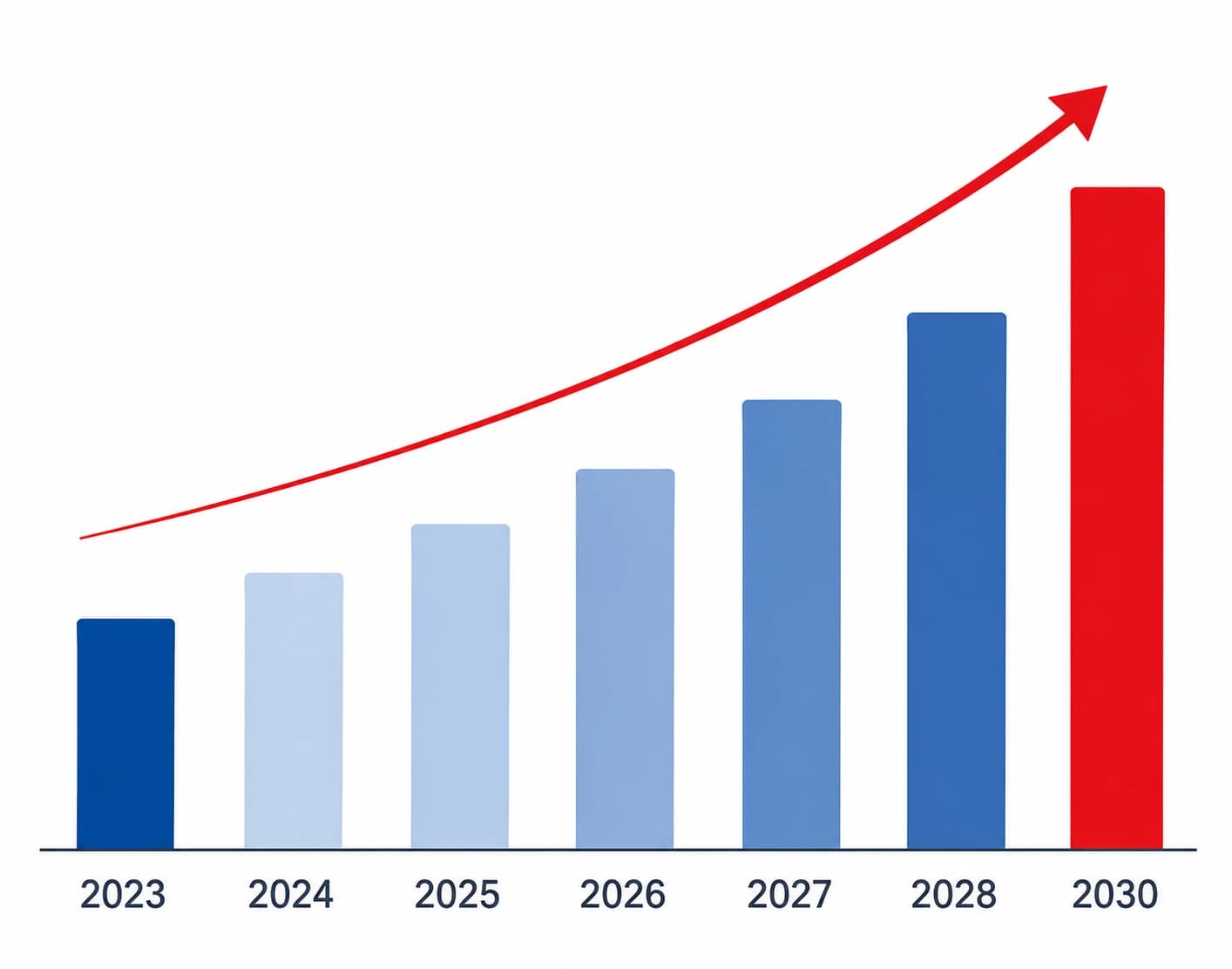
The global Fully Automatic Insertion Machine market was valued at US$ 164 million in 2024 and is anticipated to reach US$ 228 million by 2031, witnessing a CAGR of 4.7% during the forecast period 2025-2031.
A Fully Automatic Insertion Machine is a specialized piece of equipment used in the electronics manufacturing industry. Its primary function is to automate the process of placing electronic components onto printed circuit boards (PCBs) during the assembly process. These machines are designed to handle a wide variety of electronic components, including through-hole components (such as resistors, capacitors, and connectors) that have leads or pins that need to be inserted through holes in the PCB. The machine's automation capabilities significantly increase the speed and accuracy of the component insertion process compared to manual methods.
The global shift towards automation in manufacturing industries has led to the rapid evolution of production technologies, including the use of fully automatic insertion machines. Fully automatic insertion machines are critical to the electronics manufacturing industry, allowing for high-speed, precise, and efficient placement of electronic components onto printed circuit boards (PCBs) without human intervention. These machines form a key part of modern electronic assembly lines, especially for high-volume production in sectors such as consumer electronics, automotive electronics, telecommunications, aerospace, and industrial automation.
Increasing Demand for Consumer Electronics: With the explosion of devices like smartphones, tablets, wearable technology, and smart home products, manufacturers are seeking faster, more reliable ways to produce PCBs at scale. Fully automatic insertion machines significantly enhance throughput and reduce defect rates, making them indispensable in consumer electronics manufacturing. Growth in Automotive Electronics: Modern vehicles, particularly electric and autonomous vehicles, feature sophisticated electronic systems. These include power management systems, infotainment units, safety systems, and sensor networks. The demand for high-reliability, high-precision PCB assembly in the automotive sector strongly drives the adoption of fully automatic insertion technologies. Labor Cost Pressures and Workforce Shortages: Rising labor costs and the increasing shortage of skilled workers in manufacturing regions are pushing companies to automate more production processes. Fully automatic insertion machines eliminate the need for manual component insertion, significantly reducing operational costs and human error. Advancements in Industrial Automation and Industry 4.0: The evolution of smart factories under the Industry 4.0 paradigm emphasizes automation, connectivity, and data-driven operations. Fully automatic insertion machines, equipped with IoT sensors, AI-based inspection systems, and real-time monitoring, fit perfectly within these smart manufacturing ecosystems.
Integration of AI and Machine Vision: Leading manufacturers are embedding AI algorithms and advanced machine vision systems into fully automatic insertion machines. This enhances: Real-time defect detection. Adaptive component placement. Predictive maintenance through condition monitoring. AI-powered machines can optimize production runs autonomously, improving quality and reducing downtime. High-Speed, High-Mix Capabilities: To meet the increasing need for smaller batch sizes and customized electronics, manufacturers are developing machines capable of handling multiple component types with rapid changeovers. Machines are now designed with: Quick feeder change mechanisms. Flexible tooling. Automated program switching. This enables high-mix, low-volume production without compromising efficiency. Remote Monitoring and Predictive Maintenance: Remote monitoring features are becoming standard, allowing operators to supervise multiple machines across facilities via cloud-connected platforms. Predictive maintenance analytics help preempt machine failures, thus enhancing uptime and reducing maintenance costs. Focus on Energy Efficiency and Sustainability: Environmental regulations and corporate sustainability goals are leading to the design of machines that consume less power, generate less heat, and require fewer resources over their operational lifespan.
This report aims to provide a comprehensive presentation of the global market for Fully Automatic Insertion Machine, with both quantitative and qualitative analysis, to help readers develop business/growth strategies, assess the market competitive situation, analyze their position in the current marketplace, and make informed business decisions regarding Fully Automatic Insertion Machine.
The Fully Automatic Insertion Machine market size, estimations, and forecasts are provided in terms of sales quantity (Units) and revenue ($ millions), considering 2024 as the base year, with history and forecast data for the period from 2020 to 2031. This report segments the global Fully Automatic Insertion Machine market comprehensively. Regional market sizes, concerning products by Type, by Application, and by players, are also provided.
For a more in-depth understanding of the market, the report provides profiles of the competitive landscape, key competitors, and their respective market ranks. The report also discusses technological trends and new product developments.
The report will help the Fully Automatic Insertion Machine manufacturers, new entrants, and industry chain related companies in this market with information on the revenues, sales, and average price for the overall market and the sub-segments across the different segments, by company, by Type, by Application, and by regions.
Chapter 1: Introduces the report scope of the report, executive summary of different market segments (by region, product type, application, etc), including the market size of each market segment, future development potential, and so on. It offers a high-level view of the current state of the market and its likely evolution in the short to mid-term, and long term.
Chapter 2: key insights, key emerging trends, etc.
Chapter 3: Manufacturers competitive analysis, detailed analysis of Fully Automatic Insertion Machine manufacturers competitive landscape, price, sales and revenue market share, latest development plan, merger, and acquisition information, etc.
Chapter 4: Provides profiles of key players, introducing the basic situation of the main companies in the market in detail, including product sales, revenue, price, gross margin, product introduction, recent development, etc.
Chapter 5 & 6: Sales, revenue of Fully Automatic Insertion Machine in regional level and country level. It provides a quantitative analysis of the market size and development potential of each region and its main countries and introduces the market development, future development prospects, market space, and market size of each country in the world.
Chapter 7: Provides the analysis of various market segments by Type, covering the market size and development potential of each market segment, to help readers find the blue ocean market in different market segments.
Chapter 8: Provides the analysis of various market segments by Application, covering the market size and development potential of each market segment, to help readers find the blue ocean market in different downstream markets.
Chapter 9: Analysis of industrial chain, including the upstream and downstream of the industry.
Chapter 10: The main points and conclusions of the report.
- ★ What Is The Overall Market Size And Projected Growth Rate Across Global And Regional Segments?
- ★ How Does The Market Size And Growth Outlook Vary Across Major Countries?
- ★ Which Region Or Market Sub-Segment Is Anticipated To Dominate Growth During The Forecast Period?
- ★ What Are The Primary Factors Expected To Drive Market Expansion, And What Challenges May Restrain Growth?
- ★ Which Emerging Technologies And Market Trends Are Shaping The Future Landscape?
- ★ What Are The Most Significant Opportunities Available In The Market?
- ★ Who Are The Leading Manufacturers Actively Participating In The Global Market?
- ★ Which Company Currently Holds The Largest Share Of The Market?
- ★ What Are The Potential Growth Avenues For New Entrants In The Global Market?