Virtual Rehabilitation and Telerehabilitation System is a term used to describe the provision of rehabilitation across the spectrum of acute, sub-acute and community settings at a distance, using telecommunications technology as the service delivery medium. Telerehabilitation relates to the services delivered by a number of health disciplines including physiotherapy. Telerehabilitation utilises a broad range of technologies to facilitate physiotherapy treatment.
Image based technologies can be successfully used for the remote diagnosis and management of clients. Sensor based telerehabilitation utilises sensor technologies such as tilt switches, accelerometers and gyroscopes to sample and quantify movement through three-dimensional space.
Virtual reality based telerehabilitation systems make use of configurable computer-generated threedimensional virtual environments to elicit specific movement and motor responses by the client.
The virtual environment can be displayed to the client via computer screen. Fully immersive environments are possible with the use of head-mounted visual displays and haptic feedback devices. Physiotherapists are able to manipulate these environments to incorporate key rehabilitation concepts such as task repetition, feedback and motivation which have been demonstrated to result in the learning of new motor skills which translate to the real world.
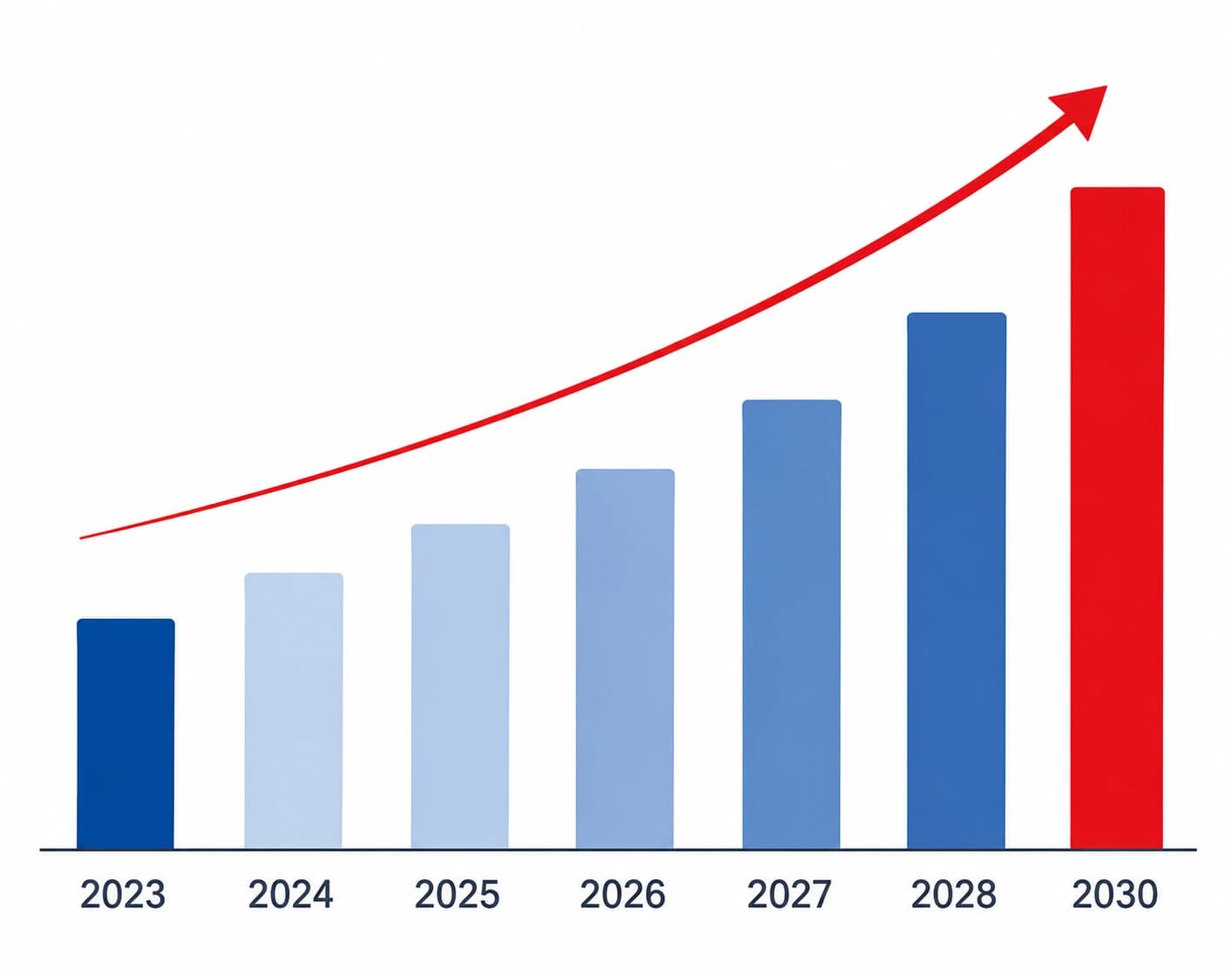
The global Virtual Rehabilitation and Telerehabilitation Systems market was valued at US$ 581 million in 2023 and is anticipated to reach US$ 1978 million by 2030, witnessing a CAGR of 19.4% during the forecast period 2024-2030.
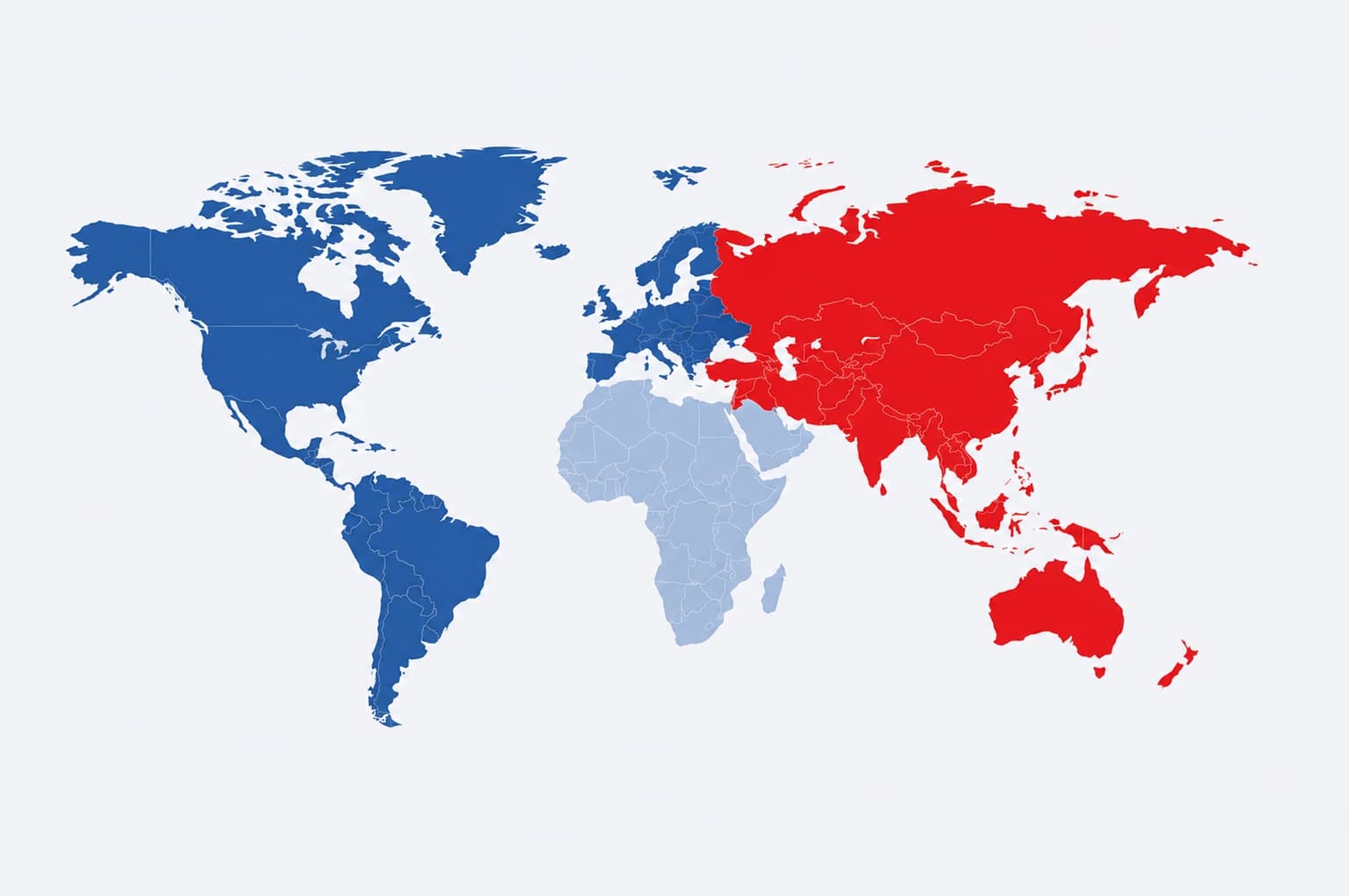
In this virtual rehabilitation and tele-rehabilitation system market, the main companies are GestureTek Health, Hinge Health and Brontes Processing.The top 3 companies hold a market share of close to 32%. The main regions is North America, with a market share of more than 46%,followed by Europe with the share about 33%.
This report aims to provide a comprehensive presentation of the global market for Virtual Rehabilitation and Telerehabilitation Systems, with both quantitative and qualitative analysis, to help readers develop business/growth strategies, assess the market competitive situation, analyze their position in the current marketplace, and make informed business decisions regarding Virtual Rehabilitation and Telerehabilitation Systems.
The Virtual Rehabilitation and Telerehabilitation Systems market size, estimations, and forecasts are provided in terms of revenue ($ millions), considering 2023 as the base year, with history and forecast data for the period from 2019 to 2030. This report segments the global Virtual Rehabilitation and Telerehabilitation Systems market comprehensively. Regional market sizes, concerning products by Type, by Application, and by players, are also provided.
For a more in-depth understanding of the market, the report provides profiles of the competitive landscape, key competitors, and their respective market ranks. The report also discusses technological trends and new product developments.
The report will help the Virtual Rehabilitation and Telerehabilitation Systems manufacturers, new entrants, and industry chain related companies in this market with information on the revenues for the overall market and the sub-segments across the different segments, by company, by Type, by Application, and by regions.
Chapter 1: Introduces the report scope of the report, executive summary of different market segments (by region, product type, application, etc), including the market size of each market segment, future development potential, and so on. It offers a high-level view of the current state of the market and its likely evolution in the short to mid-term, and long term.
Chapter 2: key insights, key emerging trends, etc.
Chapter 3: Manufacturers competitive analysis, detailed analysis of Virtual Rehabilitation and Telerehabilitation Systems manufacturers competitive landscape, revenue market share, latest development plan, merger, and acquisition information, etc.
Chapter 4: Provides profiles of key players, introducing the basic situation of the main companies in the market in detail, including product revenue, gross margin, product introduction, recent development, etc.
Chapter 5 & 6: Revenue of Virtual Rehabilitation and Telerehabilitation Systems in regional level and country level. It provides a quantitative analysis of the market size and development potential of each region and its main countries and introduces the market development, future development prospects, market space, and market size of each country in the world.
Chapter 7: Provides the analysis of various market segments by Type, covering the market size and development potential of each market segment, to help readers find the blue ocean market in different market segments.
Chapter 8: Provides the analysis of various market segments by Application, covering the market size and development potential of each market segment, to help readers find the blue ocean market in different downstream markets.
Chapter 9: Analysis of industrial chain, including the upstream and downstream of the industry.
Chapter 10: The main points and conclusions of the report.
- ★ What Is The Overall Market Size And Projected Growth Rate Across Global And Regional Segments?
- ★ How Does The Market Size And Growth Outlook Vary Across Major Countries?
- ★ Which Region Or Market Sub-Segment Is Anticipated To Dominate Growth During The Forecast Period?
- ★ What Are The Primary Factors Expected To Drive Market Expansion, And What Challenges May Restrain Growth?
- ★ Which Emerging Technologies And Market Trends Are Shaping The Future Landscape?
- ★ What Are The Most Significant Opportunities Available In The Market?
- ★ Who Are The Leading Manufacturers Actively Participating In The Global Market?
- ★ Which Company Currently Holds The Largest Share Of The Market?
- ★ What Are The Potential Growth Avenues For New Entrants In The Global Market?