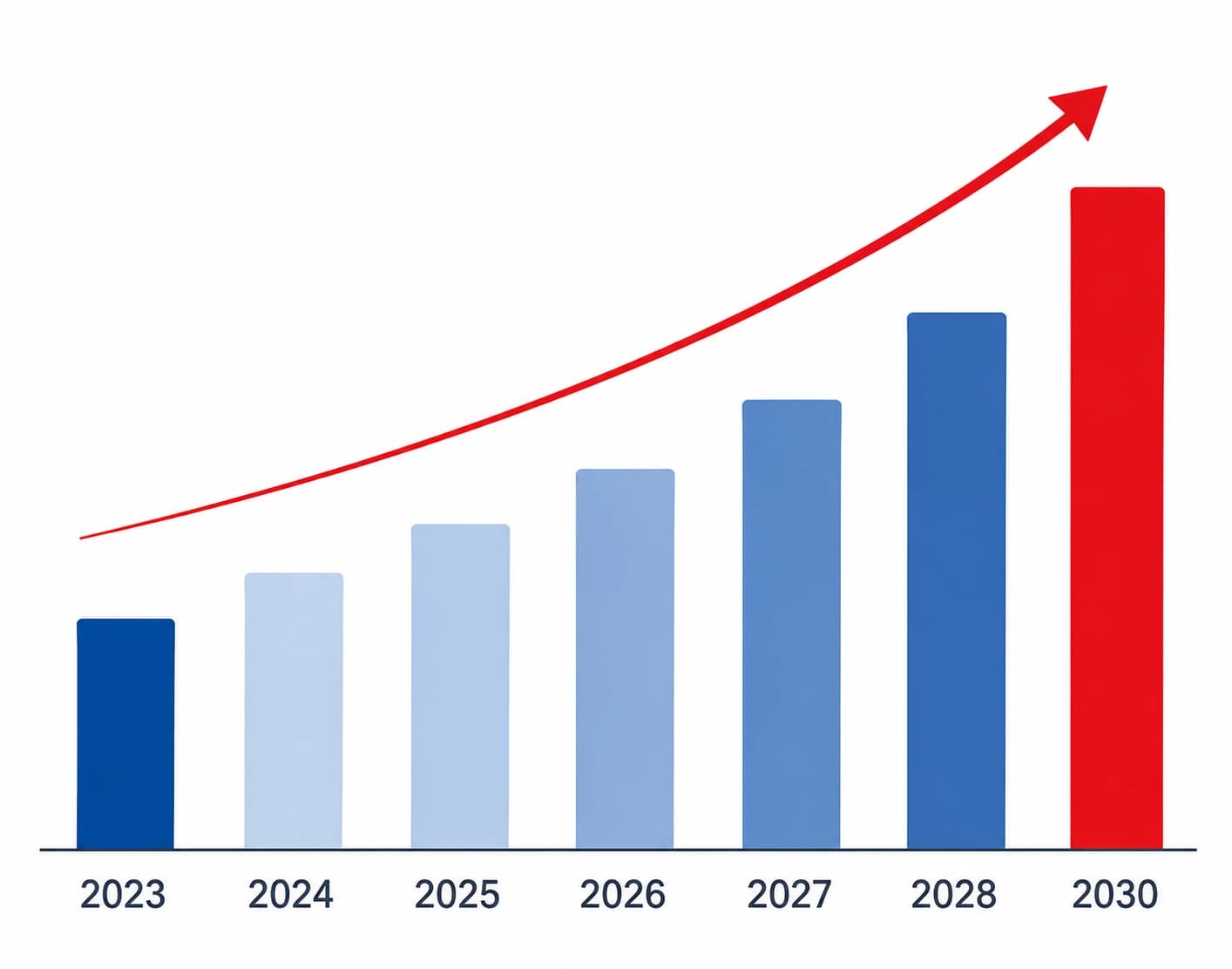
The global market for Forklift Battery Reconditioning Services was estimated to be worth US$ 909 million in 2025 and is projected to reach US$ 1831 million, growing at a CAGR of 10.5% from 2026 to 2032.
Forklift Traction Battery Reconditioning Services refer to specialized technical services designed to restore and extend the usable performance and service life of traction batteries used in electric forklifts and other industrial material handling vehicles. Core activities include battery diagnostics, capacity assessment, desulfation, equalization charging, electrolyte treatment, individual cell replacement, electrical connection repair, controlled charge-discharge testing, and complete battery refurbishment. The primary service market covers industrial lead-acid traction batteries, including PzS and PzB configurations, across common voltage classes such as 24V, 36V, 48V, 72V, and 80V. Service delivery models include on-site restoration, workshop-based refurbishment, complete battery rebuilds, and replacement-supported maintenance programs. With increasing lithium-ion forklift adoption, the service scope is also extending toward battery pack diagnostics, module replacement, battery management system (BMS) troubleshooting, and pack-level performance restoration. These services enable industrial fleet operators to improve battery asset utilization, reduce replacement expenditure, minimize equipment downtime, and optimize the total cost of ownership of electric material handling fleets.
Forklift Traction Battery Reconditioning Services remain primarily concentrated in lead-acid traction batteries used by electric forklift fleets
Forklift Traction Battery Reconditioning Services feature fragmented regional supply networks, with North America and Europe among the established markets
Lead-acid desulfation, individual cell replacement, and complete battery refurbishment represent the core service segments
Warehousing, third-party logistics, and manufacturing are the principal downstream demand markets for forklift battery restoration
Forklift Traction Battery Reconditioning Services are evolving from conventional maintenance and basic desulfation toward more systematic battery diagnostics, cell-level fault identification, capacity restoration, and performance verification. Service providers are increasingly focusing on measurable restoration outcomes, standardized testing procedures, and documented battery health assessments to improve service reliability and customer confidence. The growing adoption of lithium-ion forklifts is also changing the technical composition of the aftermarket. Traditional electrolyte treatment and desulfation remain relevant to lead-acid batteries, while lithium-ion applications are creating demand for battery pack diagnostics, module replacement, BMS troubleshooting, and electronic component repair. Digital battery monitoring, predictive maintenance, and integrated battery lifecycle management are gradually becoming important complementary capabilities.
The expansion of electric forklift fleets and the increasing installed base of industrial traction batteries provide a stable foundation for reconditioning demand. Warehouse operators, manufacturing facilities, and logistics companies are seeking to extend battery service life and reduce the total cost of ownership of material handling equipment. High battery replacement costs, the need to maintain equipment availability, and growing attention to resource efficiency encourage fleet operators to evaluate professional restoration services before purchasing replacement batteries. The expansion of industrial battery leasing and maintenance programs also creates opportunities for recurring reconditioning demand.
The economic viability of forklift battery reconditioning depends heavily on the remaining structural condition, recoverable capacity, and degradation characteristics of individual batteries. Severely deteriorated or damaged batteries may be unsuitable for restoration, making replacement more economical. Service quality can vary significantly according to technical expertise, testing equipment, and restoration procedures, while transportation, labor, safety management, and warranty costs increase operating expenses. In addition, the growing penetration of lithium-ion forklift batteries reduces the applicability of conventional lead-acid desulfation and electrolyte restoration services.
Opportunities are emerging in professional battery diagnostics, complete battery refurbishment, cell-level replacement, and integrated battery lifecycle management. Service providers can expand revenue by developing long-term maintenance contracts with warehouse operators, logistics companies, and manufacturing customers, particularly those operating large forklift fleets. The growing lithium-ion installed base also creates opportunities in battery pack diagnostics, module replacement, BMS repair, and electronic fault restoration. Regional service network expansion, mobile restoration capabilities, and standardized capacity verification can help providers acquire new customers and improve service value per battery.
The industry faces challenges associated with inconsistent definitions of battery regeneration, refurbishment, and repair, making service quality and commercial performance difficult to compare across providers. Battery condition varies substantially according to charging practices, operating temperatures, discharge depth, and maintenance history, limiting the standardization of restoration procedures. Service providers must also balance restoration costs against battery replacement economics while maintaining reliable performance and safety. The transition from lead-acid to lithium-ion technology creates additional uncertainty regarding long-term demand, required technical capabilities, and investment in specialized testing and repair infrastructure.
The upstream industry chain consists of industrial battery components, replacement cells, electrolyte materials, electrical connectors, cables, charging equipment, battery testing instruments, and specialized maintenance tools. These inputs support the diagnostic, repair, and restoration processes performed by downstream service providers. The midstream comprises professional battery reconditioning companies, industrial battery maintenance operators, forklift aftermarket service providers, and battery lifecycle management businesses. Their activities cover battery collection, inspection, fault diagnosis, restoration planning, component replacement, controlled charging, performance testing, and final delivery. The downstream customer base includes warehousing, third-party logistics, manufacturing, retail distribution, ports, and other industrial material handling operators. Value creation primarily comes from extending the useful life of existing battery assets and reducing replacement expenditure and equipment downtime. The principal operating cost components are technical labor, replacement cells and components, transportation, testing equipment, safety management, and warranty obligations. Service providers with efficient repair processes, regional service coverage, and reliable restoration results are better positioned to achieve sustainable margins and retain industrial customers.
The market is primarily structured around lead-acid battery regeneration, component-level repair, complete battery refurbishment, and emerging lithium-ion battery pack repair. Lead-acid traction battery reconditioning remains the central segment because of the established installed base of electric forklifts using flooded industrial batteries, including PzS and PzB configurations. Common system voltage classes include 24V, 36V, 48V, 72V, and 80V, with service requirements varying according to battery capacity, cell condition, and operating intensity. Desulfation, equalization charging, electrolyte management, and individual cell replacement are important restoration procedures. Complete battery refurbishment provides additional value where multiple cells or structural components require coordinated replacement and testing. By comparison, lithium-ion forklift battery services represent an emerging technical segment centered on battery pack diagnostics, module replacement, BMS troubleshooting, and electronic component repair. The commercial value of lithium-ion services increasingly depends on diagnostic accuracy, component compatibility, and restoration safety. From a competitive perspective, providers with capabilities covering both conventional lead-acid restoration and lithium-ion battery repair are better positioned to address changing forklift fleet requirements.
Downstream Market Opportunities
Warehousing and third-party logistics represent important demand markets for Forklift Traction Battery Reconditioning Services because electric forklifts and warehouse trucks are essential to continuous material handling operations. Customers operating large distribution centers and multi-shift warehouses prioritize battery availability, charging reliability, and minimized equipment downtime. Professional battery restoration can help these operators extend existing battery utilization and reduce the frequency of complete battery replacement. Manufacturing is another important application market, particularly in facilities using electric counterbalance forklifts, reach trucks, and other material handling equipment for internal logistics. Industrial customers typically evaluate restored capacity, operating reliability, service turnaround time, and warranty conditions before selecting a service provider. Retail and wholesale distribution facilities also provide demand through their use of electric forklifts for inventory movement and goods handling. For suppliers, the main commercial opportunities lie in long-term maintenance agreements, fleet-level battery health assessments, on-site restoration, replacement-supported services, and integrated battery lifecycle management. The development of lithium-ion forklift fleets creates additional opportunities for module-level repair and BMS diagnostics, particularly among customers seeking to avoid complete battery pack replacement.
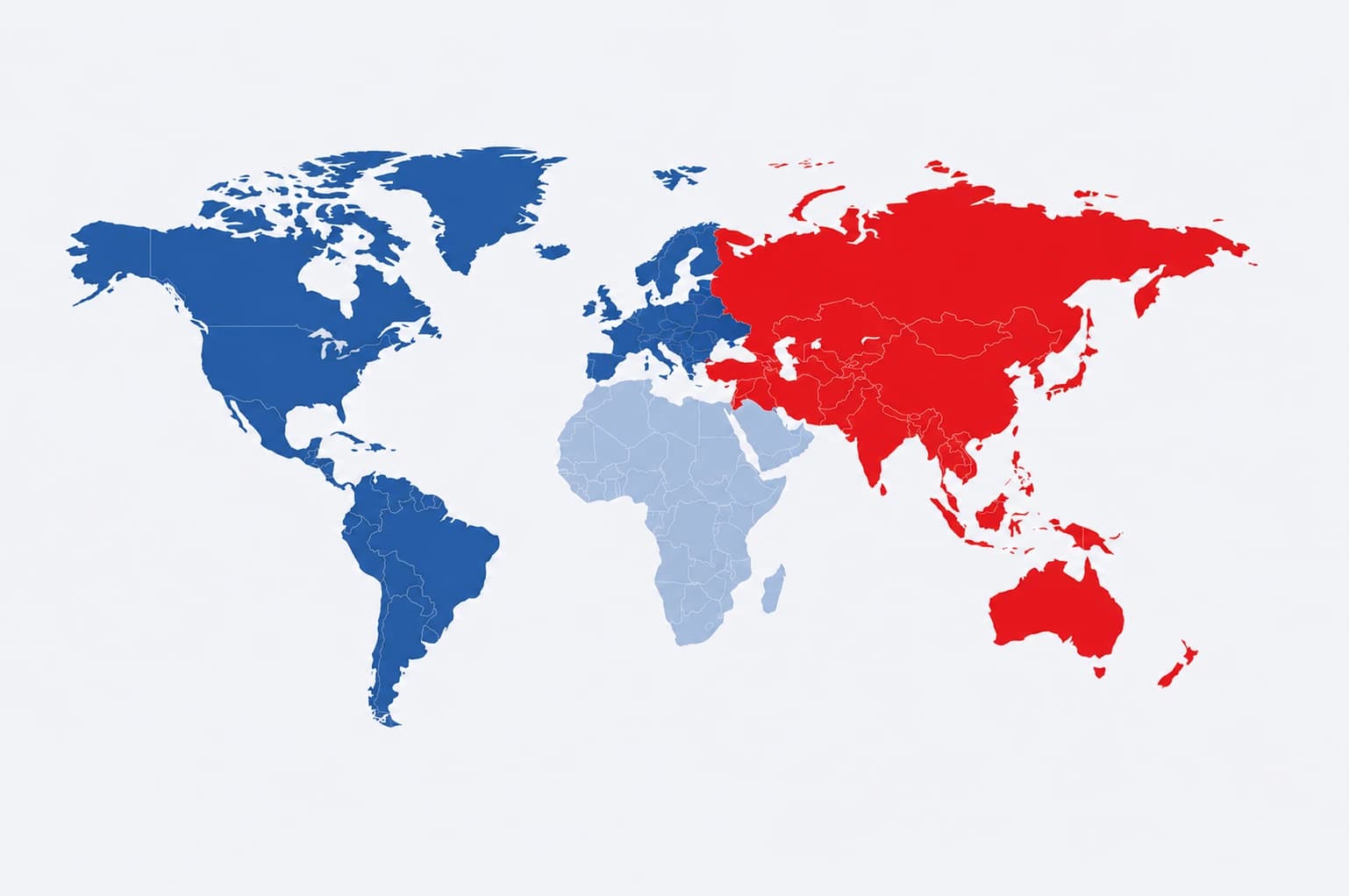
North America represents one of the most established regional markets for Forklift Traction Battery Reconditioning Services, supported by a developed industrial battery aftermarket, a substantial forklift installed base, and a broad network of specialized service providers. The market is characterized by on-site maintenance, workshop refurbishment, battery leasing, and integrated charging equipment services. Europe is another important market, with Germany, the United Kingdom, France, Italy, and other industrial economies supporting specialized traction battery restoration businesses. European service providers place considerable emphasis on technical diagnostics, battery performance verification, environmental compliance, and standardized refurbishment procedures. Japan has a relatively specialized supplier structure, with companies focusing on forklift battery restoration, capacity recovery, and cell-level maintenance. China represents an important developing market characterized by integrated battery supply, repair, leasing, replacement, and lifecycle services. Australia and New Zealand also have established industrial battery service businesses, while India and Southeast Asia offer opportunities associated with expanding electric material handling fleets and the development of local maintenance networks. Regional competitive conditions are influenced by the installed base of lead-acid batteries, labor costs, battery replacement economics, regulatory requirements, and the availability of qualified technical service providers.
Competitive Landscape Analysis
The global Forklift Traction Battery Reconditioning Services market is characterized by fragmented competition, regional service networks, and a combination of specialized battery restoration companies and integrated industrial equipment service providers. North American participants such as Exponential Power and Green Power Forklift Batteries emphasize industrial battery maintenance, refurbishment, and technical service capabilities, while European businesses such as BSI servis d.o.o. and Be Energy focus on battery regeneration and performance restoration. In Japan, Idemitsu Energy Solutions Co., Ltd. and 3SB Co., Ltd. represent specialized service providers in forklift battery restoration. In China, Wanshaode Group has an integrated business model covering forklift battery maintenance, leasing, replacement, and related aftermarket services. Industrial Batteries Australia represents the established regional service structure in Oceania. Competitive differentiation increasingly depends on technical restoration capabilities, battery testing accuracy, service response time, replacement battery support, and the ability to provide consistent performance results. Companies combining traditional lead-acid restoration with lithium-ion battery diagnostics and repair are positioned to adapt to changing industrial battery technologies and evolving customer requirements.
This report provides a comprehensive view of the global market for Forklift Battery Reconditioning Services, covering total sales revenue, the market share and ranking of key companies, along with analyses by region & country, by Type, and by Application.
The Forklift Battery Reconditioning Services market size, estimations, and forecasts are presented in terms of sales revenue ($ millions), with 2025 as the base year and historical and forecast data from 2021 to 2032. The report combines quantitative and qualitative analysis to help readers develop growth strategies, assess the competitive landscape, evaluate their position in the current marketplace, and make informed business decisions regarding Forklift Battery Reconditioning Services.
Chapter 1: Introduces the scope of the report and the global market size (value). It also summarizes market dynamics and recent developments; identifies key drivers and restraints; outlines challenges and risks for players; reviews relevant industry policies.
Chapter 2: Provides a detailed analysis of the Forklift Battery Reconditioning Services companies' competitive landscape—including revenue shares, recent development plans, and mergers and acquisitions (M&A).
Chapter 3: Analyzes market segmentation by Type, presenting the size and growth potential of each segment to help readers identify blue-ocean opportunities.
Chapter 4: Analyzes market segmentation by Application, presenting the size and growth potential of each downstream segment to help readers identify blue-ocean opportunities.
Chapter 5: Presents Forklift Battery Reconditioning Services revenue at the regional level. It offers a quantitative assessment of market size and growth potential by region and summarizes market development, future prospects, addressable space, and country-level market size worldwide.
Chapter 6: Presents Forklift Battery Reconditioning Services revenue at the country level. It provides segmented data by Type and by Application for each country/region.
Chapter 7: Profiles key players, detailing the main companies' product revenue, gross margin, product portfolios, recent developments, etc.
Chapter 8: Analysis of Value Chain, including the upstream and downstream of the industry.
- ★ What Is The Overall Market Size And Projected Growth Rate Across Global And Regional Segments?
- ★ How Does The Market Size And Growth Outlook Vary Across Major Countries?
- ★ Which Region Or Market Sub-Segment Is Anticipated To Dominate Growth During The Forecast Period?
- ★ What Are The Primary Factors Expected To Drive Market Expansion, And What Challenges May Restrain Growth?
- ★ Which Emerging Technologies And Market Trends Are Shaping The Future Landscape?
- ★ What Are The Most Significant Opportunities Available In The Market?
- ★ Who Are The Leading Manufacturers Actively Participating In The Global Market?
- ★ Which Company Currently Holds The Largest Share Of The Market?
- ★ What Are The Potential Growth Avenues For New Entrants In The Global Market?