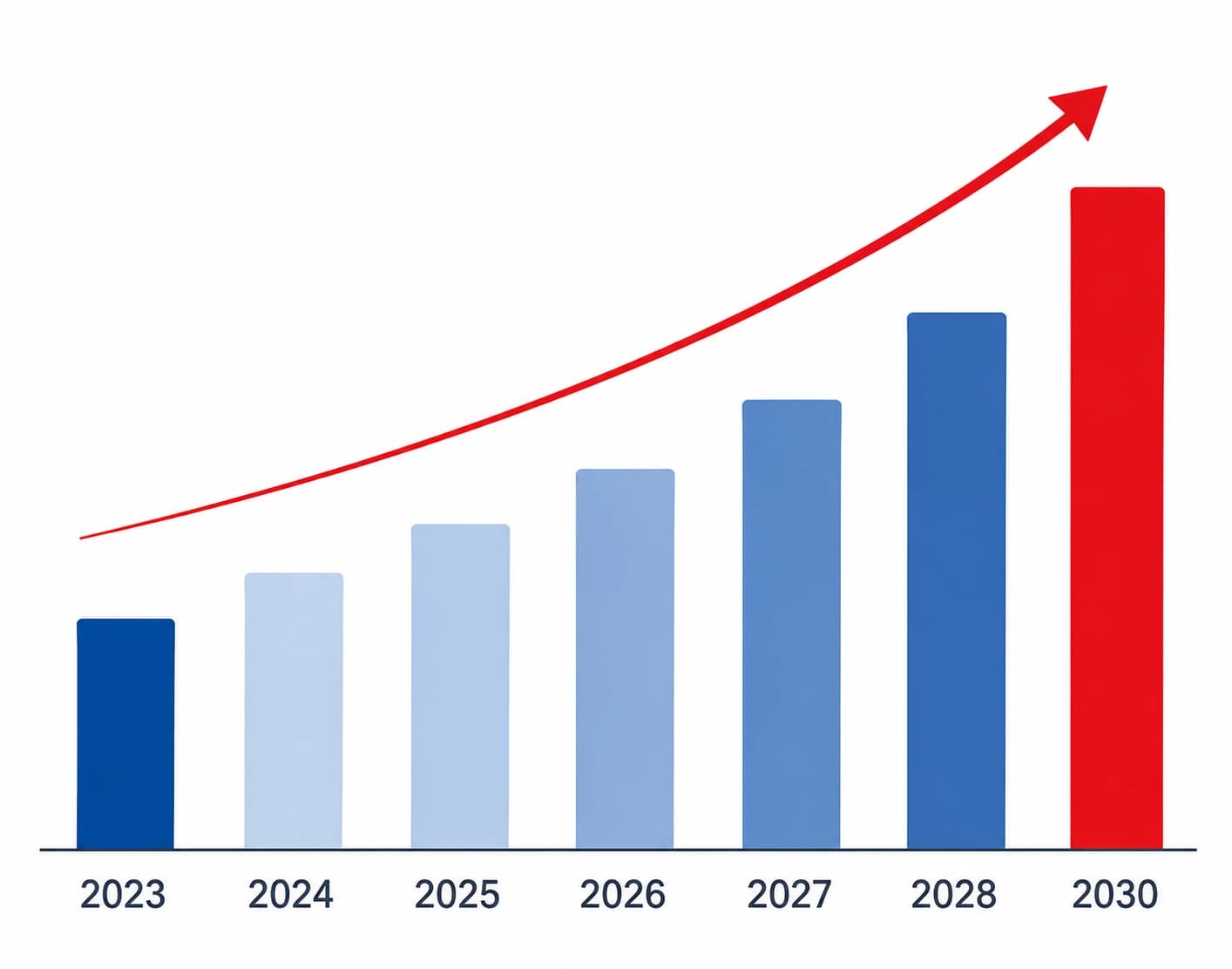
The global Lead Phosphate market was valued at US$ 877 million in 2025 and is anticipated to reach US$ 1402 million by 2032, witnessing a CAGR of 7.0% during the forecast period 2026-2032.
Lead phosphate is an inorganic compound with the chemical formula Pb₃(PO₄)₂, typically appearing as a white or grayish powder. It exhibits excellent high-temperature resistance and chemical corrosion resistance, making it widely used in glass, ceramics, pigments, catalysts, battery manufacturing, and as a stabilizer in plastics. The compound also plays a role in environmental remediation as a stable sink for lead, and in drinking water distribution systems, the formation of lead phosphate scales results in significantly lower soluble lead concentrations. The global average selling price for lead phosphate is approximately US$950 per ton. The average sales volume in the base year is estimated at 923k tons. The industry average gross margin is approximately 32%, with typical ranges between 25% and 40%, reflecting the commodity chemical nature of the product combined with varying purity grades and application-specific requirements. The upstream segment includes lead ore miners and refiners, phosphate rock suppliers, and chemical raw material providers. The midstream segment comprises manufacturers that produce, purify, and process lead phosphate into various grades including industrial grade and reagent grade. The downstream segment encompasses battery manufacturers, glass and ceramics producers, pigment and paint makers, construction and automotive preservative producers, and plastics manufacturers that utilize lead phosphate as a stabilizer and additive.
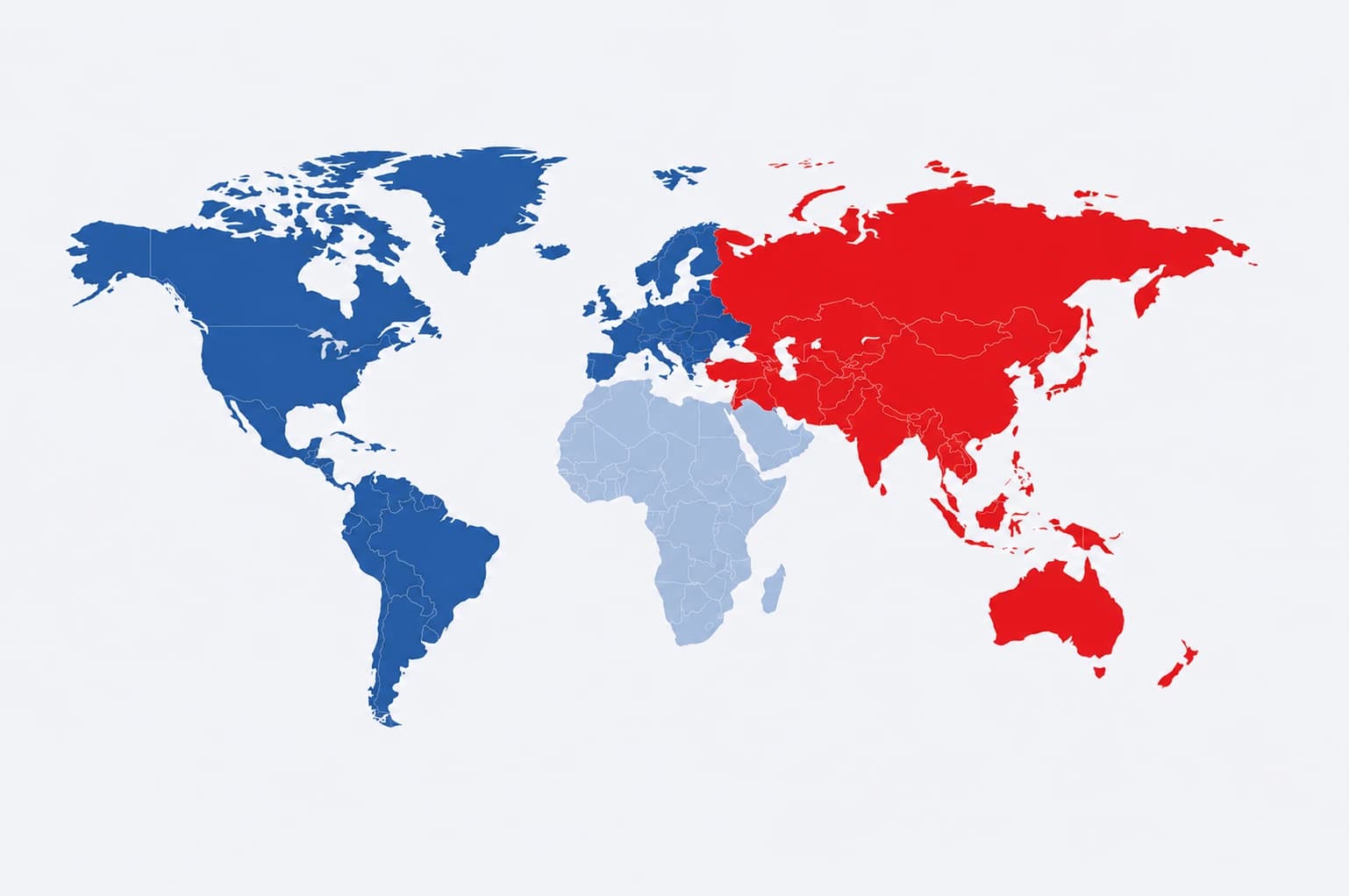
The lead phosphate market is experiencing steady growth driven by the expanding demand from downstream industries and the compound's unique performance characteristics. The battery manufacturing sector represents a significant growth driver, as lead phosphate is increasingly used as an additive in lead-acid batteries, improving battery performance and cycle life. The glass and ceramics industry continues to be a major consumer, leveraging lead phosphate's high-temperature stability and refractive properties for specialty glass production. The compound's role as a stabilizer in plastics, particularly in PVC opaque products, remains important due to its excellent thermal stability, weather resistance, and UV-shielding performance. Environmental regulations and sustainability trends are reshaping the market landscape. Increasing environmental and health concerns regarding lead compounds are prompting regulatory scrutiny and driving research into alternative materials. Compliance requirements are pushing the industry toward greener production processes, with manufacturers investing in cleaner technologies and waste treatment systems. The Asia-Pacific region, led by China, dominates global production and consumption, with China being one of the world's leading producers of high-quality lead phosphate. North America and Europe maintain significant market shares due to established industrial bases and stringent quality standards. The market is witnessing a trend toward higher purity grades and specialized formulations tailored to specific applications, as manufacturers seek to differentiate their products in a competitive landscape. The introduction of new tariff measures in key markets has introduced complexities to global supply chains, prompting producers to reassess sourcing strategies and explore localized manufacturing footprints.
This report aims to provide a comprehensive presentation of the global market for Lead Phosphate, with both quantitative and qualitative analysis, to help readers develop business/growth strategies, assess the market competitive situation, analyze their position in the current marketplace, and make informed business decisions regarding Lead Phosphate.
The Lead Phosphate market size, estimations, and forecasts are provided in terms of sales quantity (Kilotons) and revenue ($ millions), considering 2025 as the base year, with history and forecast data for the period from 2021 to 2032. This report segments the global Lead Phosphate market comprehensively. Regional market sizes, concerning products by Type, by Application, and by players, are also provided.
For a more in-depth understanding of the market, the report provides profiles of the competitive landscape, key competitors, and their respective market ranks. The report also discusses technological trends and new product developments.
The report will help the Lead Phosphate manufacturers, new entrants, and industry chain related companies in this market with information on the revenues, sales, and average price for the overall market and the sub-segments across the different segments, by company, by Type, by Application, and by regions.
Chapter 1: Introduces the report scope of the report, executive summary of different market segments (by region, product type, application, etc), including the market size of each market segment, future development potential, and so on. It offers a high-level view of the current state of the market and its likely evolution in the short to mid-term, and long term.
Chapter 2: key insights, key emerging trends, etc.
Chapter 3: Manufacturers competitive analysis, detailed analysis of Lead Phosphate manufacturers competitive landscape, price, sales and revenue market share, latest development plan, merger, and acquisition information, etc.
Chapter 4: Provides profiles of key players, introducing the basic situation of the main companies in the market in detail, including product sales, revenue, price, gross margin, product introduction, recent development, etc.
Chapter 5 & 6: Sales, revenue of Lead Phosphate in regional level and country level. It provides a quantitative analysis of the market size and development potential of each region and its main countries and introduces the market development, future development prospects, market space, and market size of each country in the world.
Chapter 7: Provides the analysis of various market segments by Type, covering the market size and development potential of each market segment, to help readers find the blue ocean market in different market segments.
Chapter 8: Provides the analysis of various market segments by Application, covering the market size and development potential of each market segment, to help readers find the blue ocean market in different downstream markets.
Chapter 9: Analysis of industrial chain, including the upstream and downstream of the industry.
Chapter 10: The main points and conclusions of the report.
- ★ What Is The Overall Market Size And Projected Growth Rate Across Global And Regional Segments?
- ★ How Does The Market Size And Growth Outlook Vary Across Major Countries?
- ★ Which Region Or Market Sub-Segment Is Anticipated To Dominate Growth During The Forecast Period?
- ★ What Are The Primary Factors Expected To Drive Market Expansion, And What Challenges May Restrain Growth?
- ★ Which Emerging Technologies And Market Trends Are Shaping The Future Landscape?
- ★ What Are The Most Significant Opportunities Available In The Market?
- ★ Who Are The Leading Manufacturers Actively Participating In The Global Market?
- ★ Which Company Currently Holds The Largest Share Of The Market?
- ★ What Are The Potential Growth Avenues For New Entrants In The Global Market?