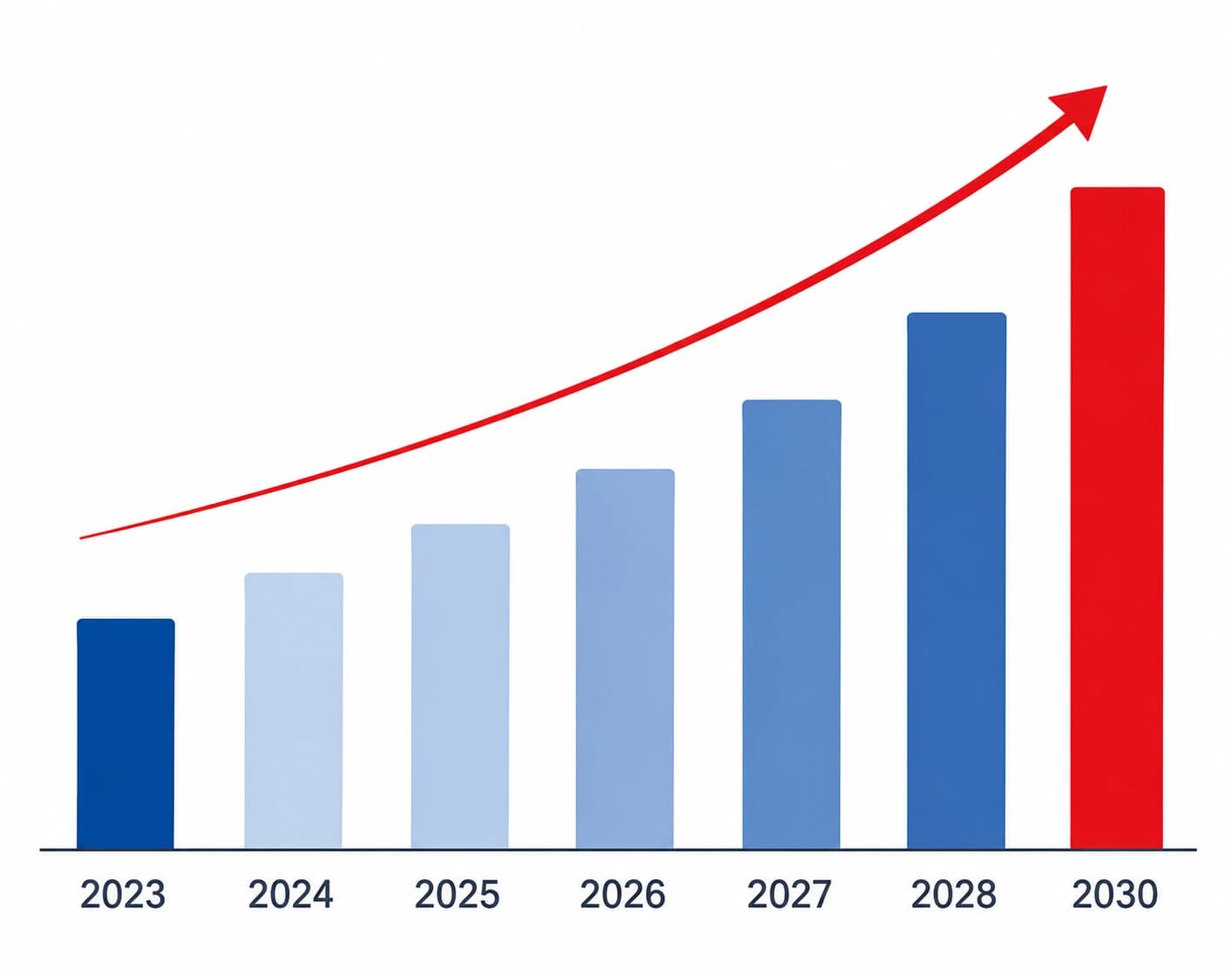
The global ABS Toughening Agent market was valued at US$ 2481 million in 2025 and is anticipated to reach US$ 3779 million by 2032, witnessing a CAGR of 6.2% during the forecast period 2026-2032.
In 2025, global ABS Toughening Agent production reached approximately 950k tons, with an average global market price of around US$ 2600 per ton.
An ABS toughening agent (impact modifier) is a polymeric modifier added to ABS and ABS alloys (e.g., PC/ABS) to improve impact resistance and low-temperature toughness. It works by creating well-dispersed rubbery domains or core–shell particles that absorb impact energy and hinder crack initiation/propagation, while maintaining a balance among melt flow, surface appearance, dimensional stability, and processability—widely used in appliances, automotive interior/exterior parts, consumer electronics, and general injection-molded components.
Upstream consists of monomers and elastomer/rubber feedstocks plus auxiliaries (e.g., styrene, acrylonitrile, butadiene, MMA, elastomer bases like PE/SEBS, and initiators/emulsifiers/stabilizers). Midstream includes impact-modifier producers and compounders that supply and formulate different modifier families (MBS, AIM, CPE, SEBS, etc.) via blending, compounding, and recipe tuning. Downstream demand comes from ABS compounds and end-use sectors such as appliances, automotive components, consumer electronics, toys/consumer goods, and profiles. Representative upstream ecosystem names include BASF, Dow, Evonik, SABIC, and LyondellBasell; representative downstream application companies include Haier/Midea/Gree (appliances) and OEM ecosystems such as Volkswagen/Toyota/GM (automotive).
The annual production capacity of a single-line ABS Toughening Agent is approximately 8k tons, with a gross profit margin of approximately 20%-40%.
The ABS impact-modifier market is characterized by “stable baseline demand with structural upgrading, increasing formulation complexity, and value shifting toward higher-end grades plus application support.” Persistent requirements for impact resistance, low-temperature toughness, and durability in appliances, consumer electronics, and automotive parts sustain steady demand. Meanwhile, lightweighting and thinner-wall designs reduce safety margins, pushing customers to optimize multi-objective tradeoffs among toughness, flow, appearance, and dimensional stability—favoring more segmented core–shell and functional elastomer solutions. Key trends include more specialized grades for weatherability, low-odor/low-VOC needs, and compatibility with flame-retardant or highly filled systems, alongside longer qualification cycles as compounders and OEMs prioritize supply consistency and minimize formulation switching risk. Headwinds include feedstock volatility, pricing pressure in commoditized products, and rising environmental/compliance requirements that increase re-development and qualification workload. Overall, suppliers that can deliver repeatable performance windows across resin systems—backed by strong formulation/process co-engineering, reliable delivery, and robust quality management—tend to be more competitive.
This report aims to provide a comprehensive presentation of the global market for ABS Toughening Agent, with both quantitative and qualitative analysis, to help readers develop business/growth strategies, assess the market competitive situation, analyze their position in the current marketplace, and make informed business decisions regarding ABS Toughening Agent.
The ABS Toughening Agent market size, estimations, and forecasts are provided in terms of sales quantity (Tons) and revenue ($ millions), considering 2025 as the base year, with history and forecast data for the period from 2021 to 2032. This report segments the global ABS Toughening Agent market comprehensively. Regional market sizes, concerning products by Type, by Application, and by players, are also provided.
For a more in-depth understanding of the market, the report provides profiles of the competitive landscape, key competitors, and their respective market ranks. The report also discusses technological trends and new product developments.
The report will help the ABS Toughening Agent manufacturers, new entrants, and industry chain related companies in this market with information on the revenues, sales, and average price for the overall market and the sub-segments across the different segments, by company, by Type, by Application, and by regions.
Chapter 1: Introduces the report scope of the report, executive summary of different market segments (by region, product type, application, etc), including the market size of each market segment, future development potential, and so on. It offers a high-level view of the current state of the market and its likely evolution in the short to mid-term, and long term.
Chapter 2: key insights, key emerging trends, etc.
Chapter 3: Manufacturers competitive analysis, detailed analysis of ABS Toughening Agent manufacturers competitive landscape, price, sales and revenue market share, latest development plan, merger, and acquisition information, etc.
Chapter 4: Provides profiles of key players, introducing the basic situation of the main companies in the market in detail, including product sales, revenue, price, gross margin, product introduction, recent development, etc.
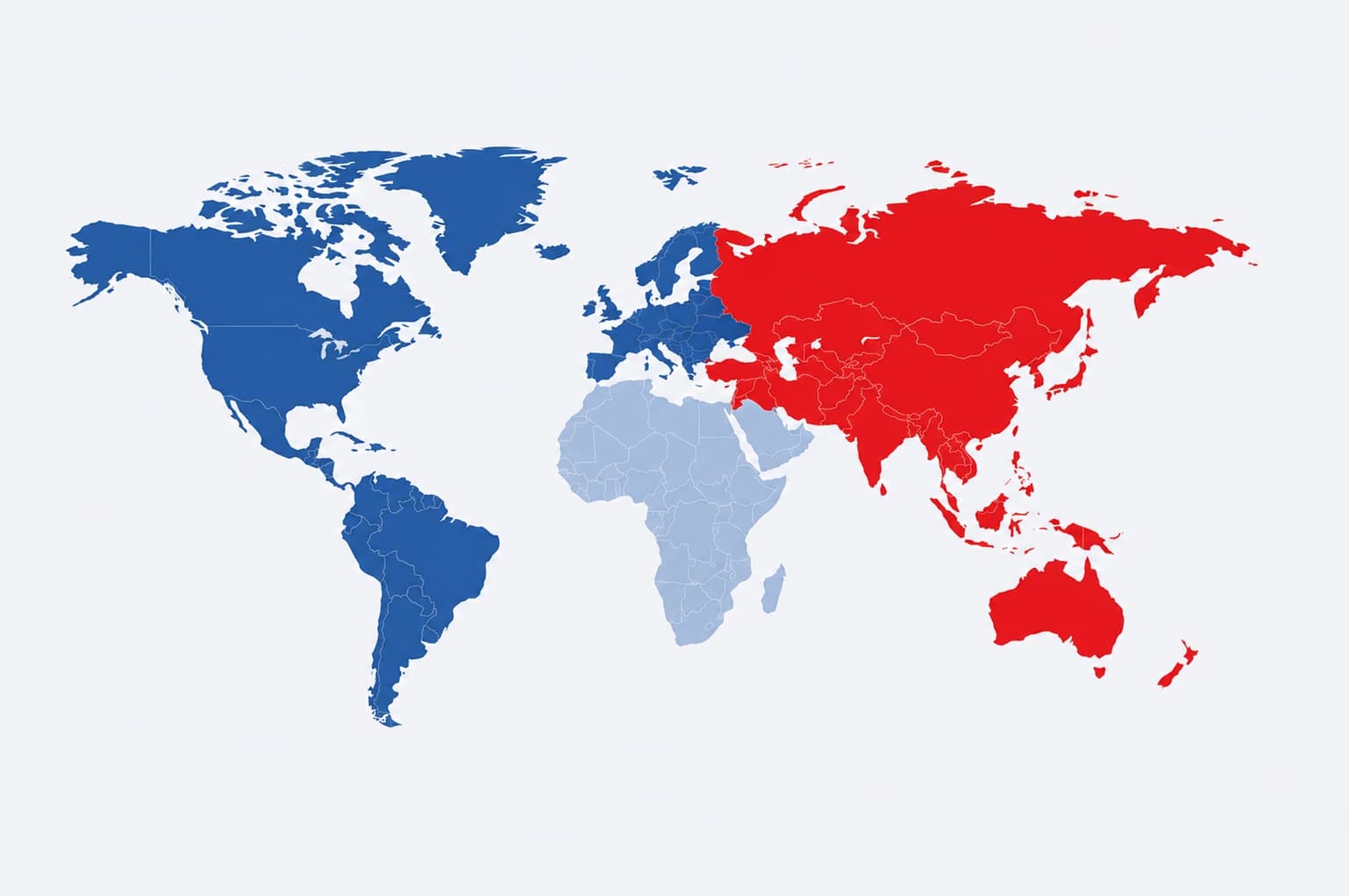
Chapter 5 & 6: Sales, revenue of ABS Toughening Agent in regional level and country level. It provides a quantitative analysis of the market size and development potential of each region and its main countries and introduces the market development, future development prospects, market space, and market size of each country in the world.
Chapter 7: Provides the analysis of various market segments by Type, covering the market size and development potential of each market segment, to help readers find the blue ocean market in different market segments.
Chapter 8: Provides the analysis of various market segments by Application, covering the market size and development potential of each market segment, to help readers find the blue ocean market in different downstream markets.
Chapter 9: Analysis of industrial chain, including the upstream and downstream of the industry.
Chapter 10: The main points and conclusions of the report.
- ★ What Is The Overall Market Size And Projected Growth Rate Across Global And Regional Segments?
- ★ How Does The Market Size And Growth Outlook Vary Across Major Countries?
- ★ Which Region Or Market Sub-Segment Is Anticipated To Dominate Growth During The Forecast Period?
- ★ What Are The Primary Factors Expected To Drive Market Expansion, And What Challenges May Restrain Growth?
- ★ Which Emerging Technologies And Market Trends Are Shaping The Future Landscape?
- ★ What Are The Most Significant Opportunities Available In The Market?
- ★ Who Are The Leading Manufacturers Actively Participating In The Global Market?
- ★ Which Company Currently Holds The Largest Share Of The Market?
- ★ What Are The Potential Growth Avenues For New Entrants In The Global Market?