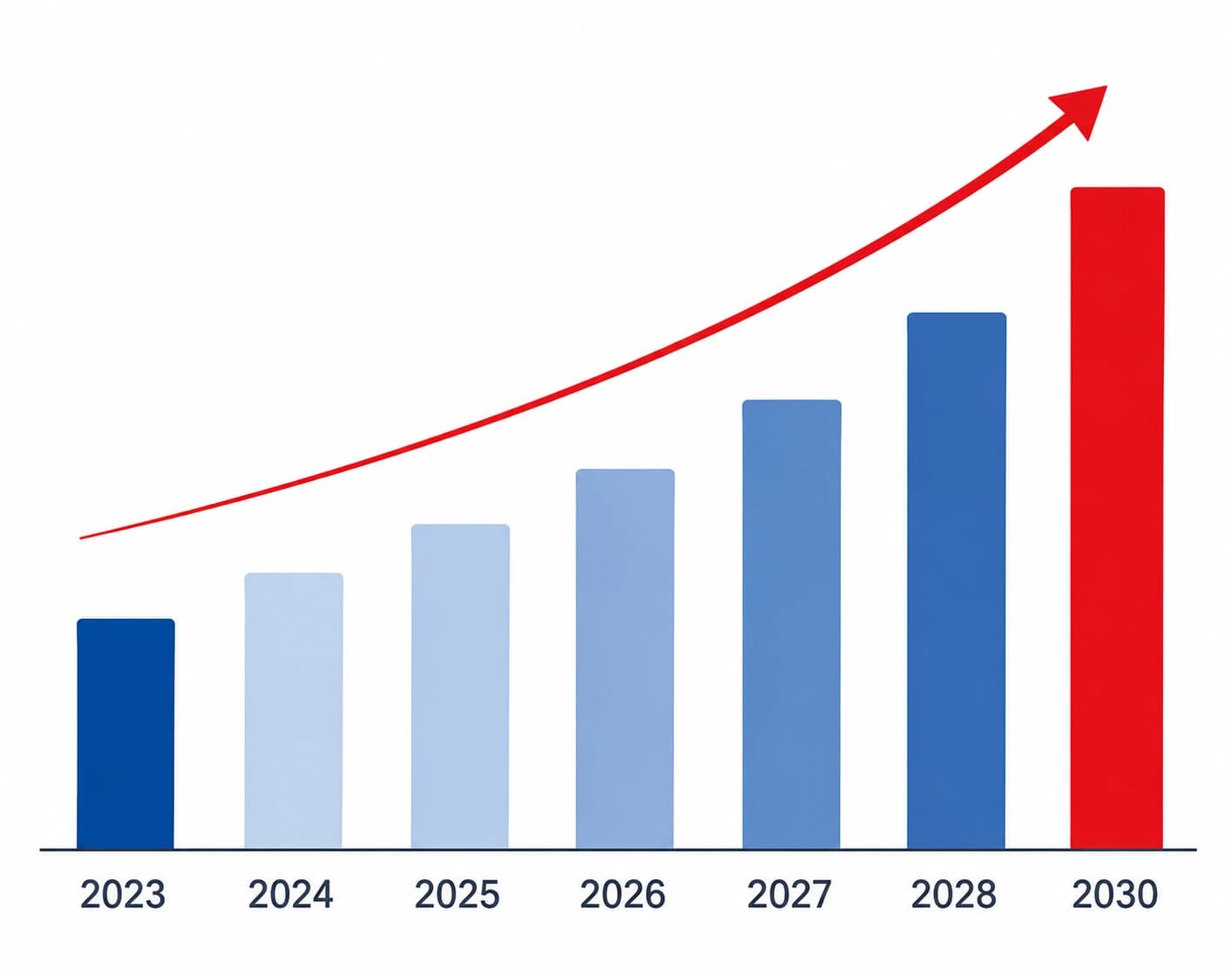
The global Harmonics & Flicker Tester market was valued at US$ 667 million in 2025 and is anticipated to reach US$ 965 million by 2032, witnessing a CAGR of 5.5% during the forecast period 2026-2032.
Harmonics & Flicker Tester is a precision instrument specially used to evaluate the influence of electrical equipment on power quality of power grid. It mainly detects harmonic current and voltage fluctuation/flicker parameters generated during equipment operation.
Market Concentration and Key Players:
Internationally, the harmonic flicker analyzer market is highly concentrated, such as large manufacturers in Europe and America, such as Ametek and Kikusui Electronics, etc.; Japanese and Korean companies are also closely followed, such as Kikusui Electronics and Yokogawa. From the domestic point of view, harmonic flicker analyzer market concentration is not high, such as Hangzhou remote photoelectric information.
Manufacturing Processes and Market Trends:
The manufacturing process of harmonic flicker analyzer involves the integration of precision electronic components, the design of high-precision sensors and the development of complex signal processing algorithms. Its core lies in ensuring that the equipment can detect and accurately analyze harmonics and voltage fluctuations in power systems within a wide frequency range. Advanced electromagnetic compatibility (EMC) technology is used in manufacturing to reduce interference, while modular design improves test flexibility and scalability. As semiconductor technology advances, test instruments are becoming smaller in size and lower in power consumption, but functional integration has increased significantly, such as real-time data processing and automated test flows through embedded systems.
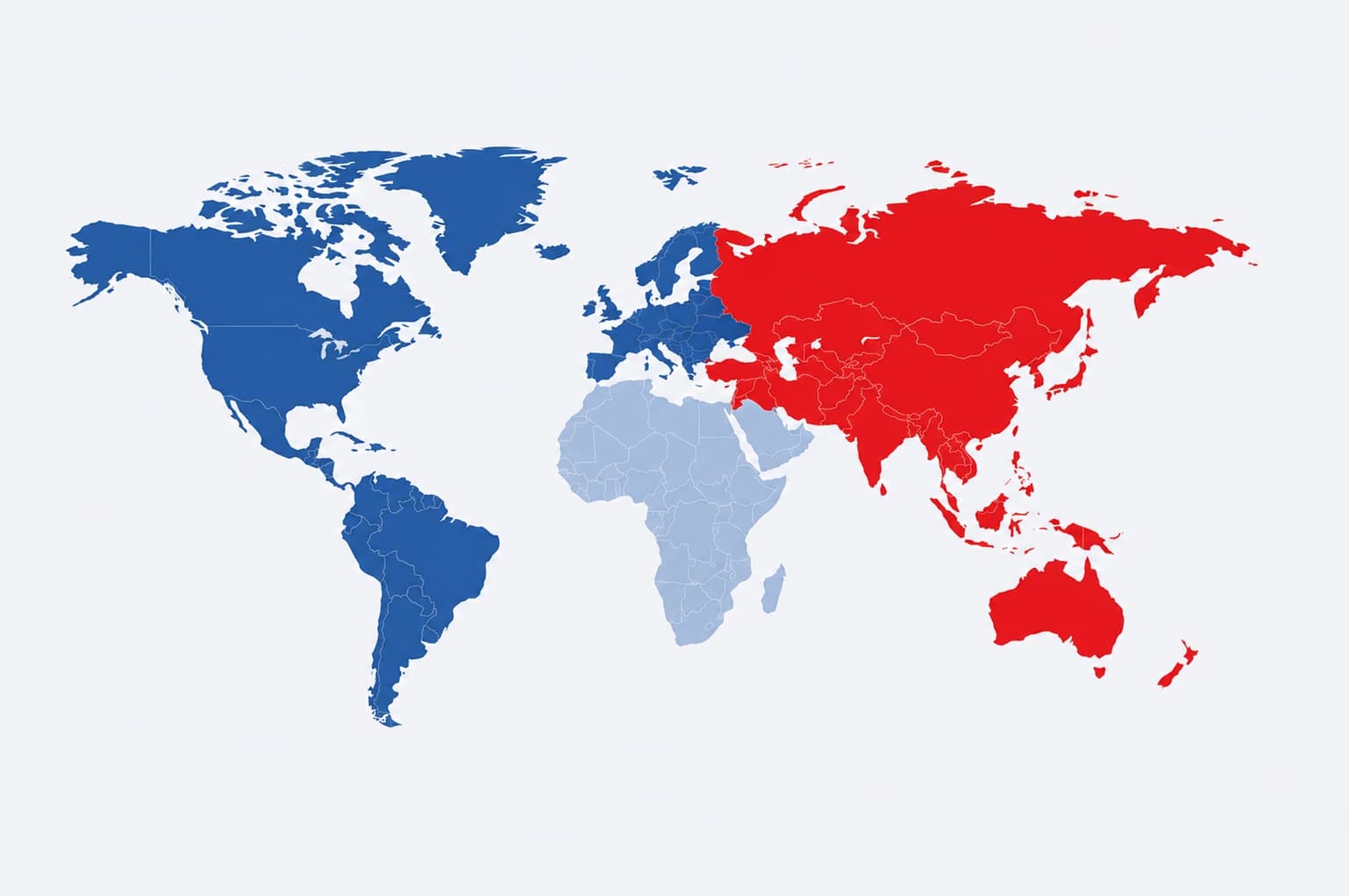
From the perspective of market trends, the global demand for harmonic flicker analyzers continues to grow driven by new energy grid-connection, smart grid construction and industrial automation upgrades. As one of the key markets, China benefited from the promotion of "double carbon" policy, and the demand in photovoltaic, electric vehicle charging facilities and other fields surged, driving local enterprises to accelerate technology research and development to break through import dependence. The Asia-Pacific region as a whole is expected to grow faster than the global average, while the European and American markets will maintain steady growth due to the demand for existing grid retrofits. In terms of competition pattern, head enterprises strengthen technological advantages through merger and integration, while chip and sensor suppliers upstream of the industrial chain collaborate with midstream manufacturers to innovate to promote product iteration. In the future, with the tightening of international standards for power quality requirements, test equipment will develop towards higher precision, multi-protocol compatibility and cloud data interconnection, further expanding the application scenarios in Industry 4.0 and smart energy.
This report aims to provide a comprehensive presentation of the global market for Harmonics & Flicker Tester, with both quantitative and qualitative analysis, to help readers develop business/growth strategies, assess the market competitive situation, analyze their position in the current marketplace, and make informed business decisions regarding Harmonics & Flicker Tester.
The Harmonics & Flicker Tester market size, estimations, and forecasts are provided in terms of sales quantity (Units) and revenue ($ millions), considering 2025 as the base year, with history and forecast data for the period from 2021 to 2032. This report segments the global Harmonics & Flicker Tester market comprehensively. Regional market sizes, concerning products by Type, by Application, and by players, are also provided.
For a more in-depth understanding of the market, the report provides profiles of the competitive landscape, key competitors, and their respective market ranks. The report also discusses technological trends and new product developments.
The report will help the Harmonics & Flicker Tester manufacturers, new entrants, and industry chain related companies in this market with information on the revenues, sales, and average price for the overall market and the sub-segments across the different segments, by company, by Type, by Application, and by regions.
Chapter 1: Introduces the report scope of the report, executive summary of different market segments (by region, product type, application, etc), including the market size of each market segment, future development potential, and so on. It offers a high-level view of the current state of the market and its likely evolution in the short to mid-term, and long term.
Chapter 2: key insights, key emerging trends, etc.
Chapter 3: Manufacturers competitive analysis, detailed analysis of Harmonics & Flicker Tester manufacturers competitive landscape, price, sales and revenue market share, latest development plan, merger, and acquisition information, etc.
Chapter 4: Provides profiles of key players, introducing the basic situation of the main companies in the market in detail, including product sales, revenue, price, gross margin, product introduction, recent development, etc.
Chapter 5 & 6: Sales, revenue of Harmonics & Flicker Tester in regional level and country level. It provides a quantitative analysis of the market size and development potential of each region and its main countries and introduces the market development, future development prospects, market space, and market size of each country in the world.
Chapter 7: Provides the analysis of various market segments by Type, covering the market size and development potential of each market segment, to help readers find the blue ocean market in different market segments.
Chapter 8: Provides the analysis of various market segments by Application, covering the market size and development potential of each market segment, to help readers find the blue ocean market in different downstream markets.
Chapter 9: Analysis of industrial chain, including the upstream and downstream of the industry.
Chapter 10: The main points and conclusions of the report.
- ★ What Is The Overall Market Size And Projected Growth Rate Across Global And Regional Segments?
- ★ How Does The Market Size And Growth Outlook Vary Across Major Countries?
- ★ Which Region Or Market Sub-Segment Is Anticipated To Dominate Growth During The Forecast Period?
- ★ What Are The Primary Factors Expected To Drive Market Expansion, And What Challenges May Restrain Growth?
- ★ Which Emerging Technologies And Market Trends Are Shaping The Future Landscape?
- ★ What Are The Most Significant Opportunities Available In The Market?
- ★ Who Are The Leading Manufacturers Actively Participating In The Global Market?
- ★ Which Company Currently Holds The Largest Share Of The Market?
- ★ What Are The Potential Growth Avenues For New Entrants In The Global Market?