The molecular formula of glycerol formal is C4H8O3. At room temperature glycerol formal is a clear, colorless, practically odorless, mobile liquid.
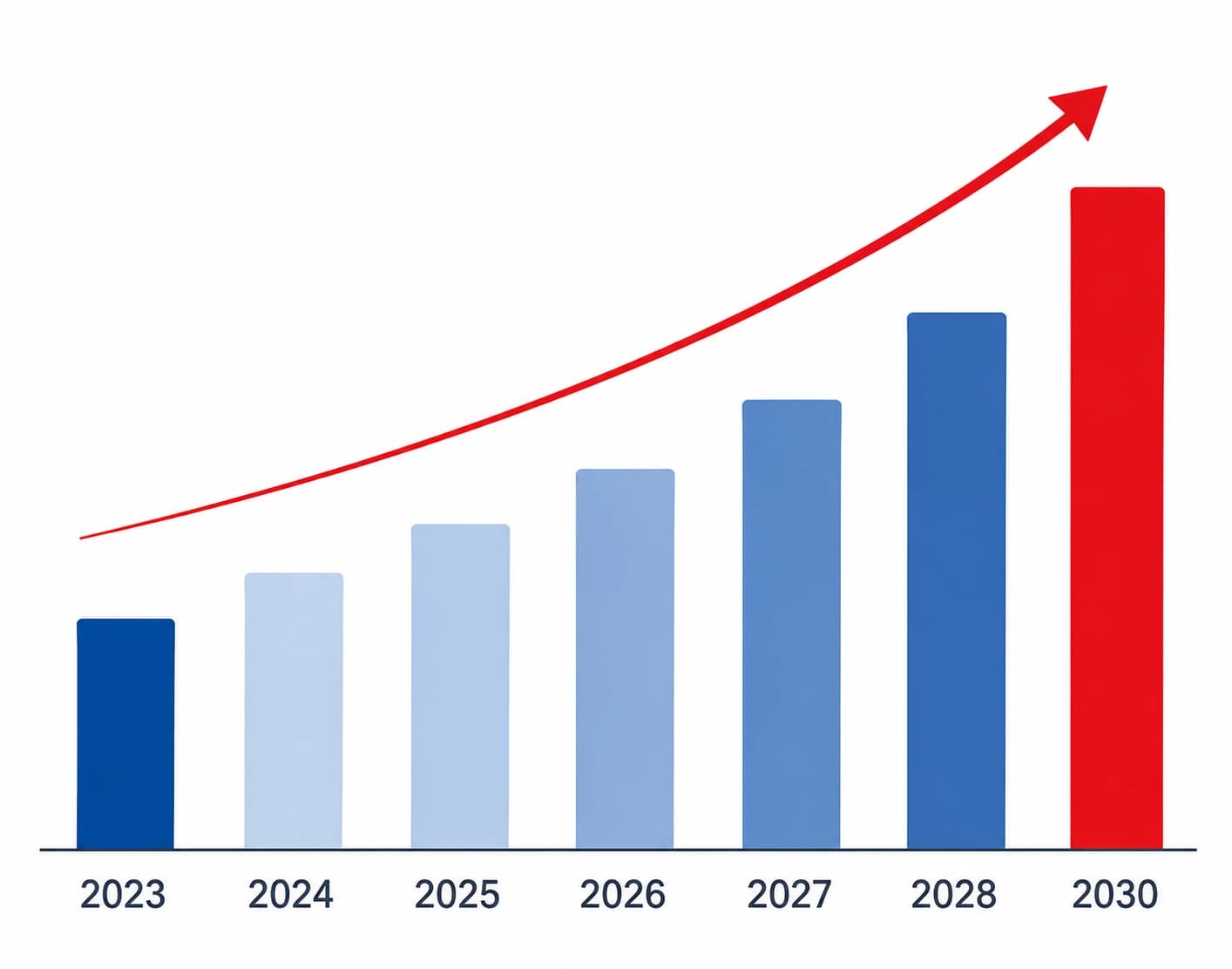
The global Glycerol Formal market size is expected to reach US$ 178 million by 2029, growing at a CAGR of 1.7% from 2023 to 2029. The market is mainly driven by the significant applications of Glycerol Formal in various end use industries. The expanding demands from the Pharmaceutical Application and Others, are propelling Glycerol Formal market. 99% Purity, one of the segments analysed in this report, is projected to record % CAGR and reach US$ million by the end of the analysis period. Growth in the 99.5% Purity segment is estimated at % CAGR for the next seven-year period.
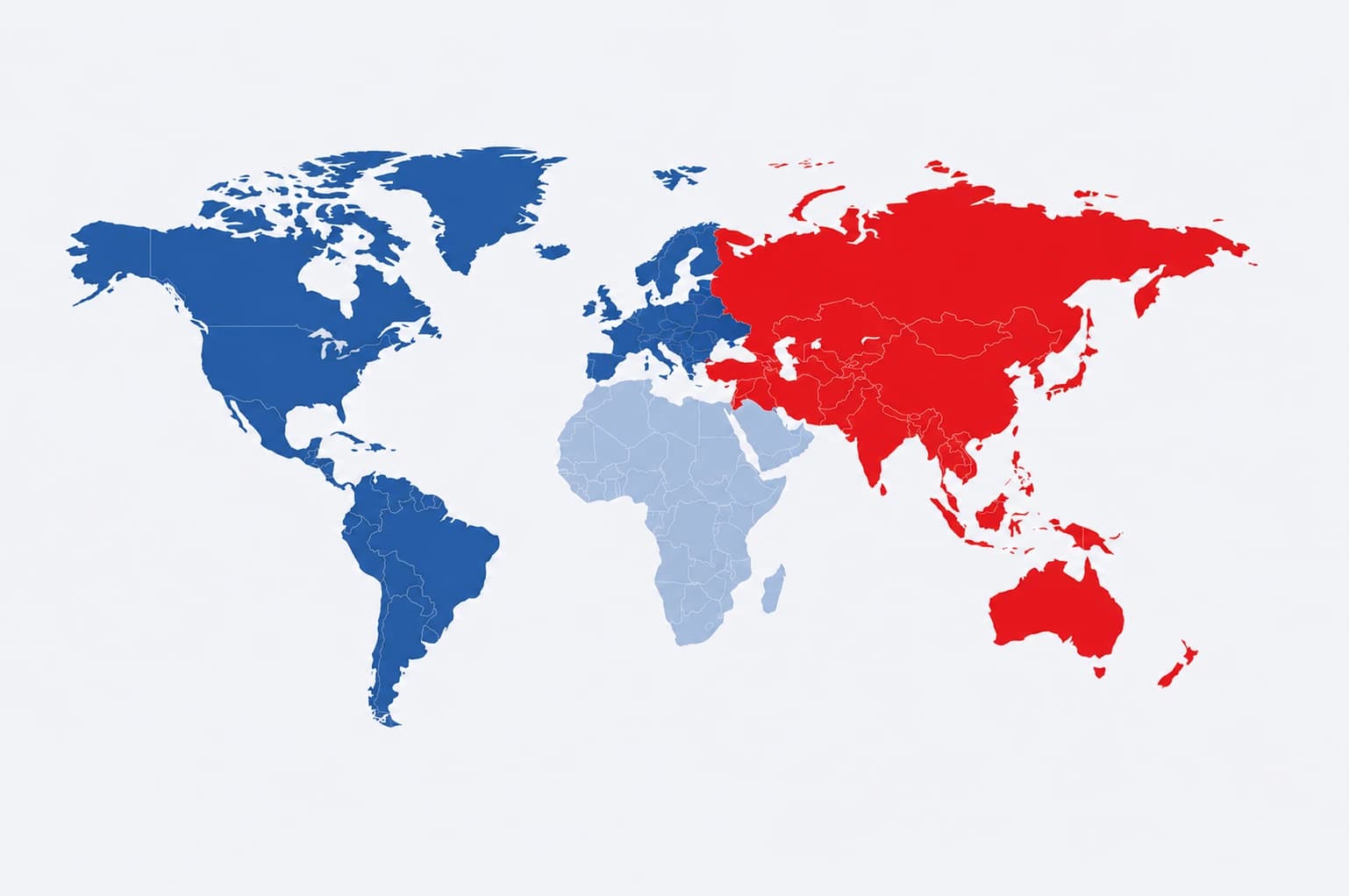
Global glycerol formal consumption and production market, by geography is segmented into Europe, the United States, China and the rest of world. Europe and United States belong to the larger consumer, together accounted for more than 70% of global consumption. As for main production regions, Europe accounted 46% of global glycerol formal output, while USA ranked second position with about 24% share.
This report provides market insight on the different segments, by manufacturers, by Purity, by Application. Market size and forecast (2018-2029) has been provided in the report. The primary objectives of this report are to provide 1) global market size and forecasts, growth rates, market dynamics, industry structure and developments, market situation, trends; 2) global market share and ranking by company; 3) comprehensive presentation of the global market for Glycerol Formal, with both quantitative and qualitative analysis through detailed segmentation; 4) detailed value chain analysis and review of growth factors essential for the existing market players and new entrants; 5) emerging opportunities in the market and the future impact of major drivers and restraints of the market.
Key Features of The Study:
This report provides in-depth analysis of the global Glycerol Formal market, and provides market size (US$ million) and CAGR for the forecast period (2023-2029), considering 2022 as the base year.
This report profiles key players in the global Glycerol Formal market based on the following parameters - company details (found date, headquarters, manufacturing bases), products portfolio, Glycerol Formal sales data, market share and ranking.
This report elucidates potential market opportunities across different segments and explains attractive investment proposition matrices for this market.
This report illustrates key insights about market drivers, restraints, opportunities, market trends, regional outlook.
Key companies of Glycerol Formal covered in this report include Lambiotte & Cie, McGean, Glaconchemie, Wenzhou OPAL, Haisun and Fuyang Taian, etc.
The global Glycerol Formal market report caters to various stakeholders in this industry including investors, suppliers, product manufacturers, distributors, new entrants, and financial analysts.
Global Glycerol Formal market, by region:
North America (U.S., Canada, Mexico)
Europe (Germany, France, UK, Italy, etc.)
Asia Pacific (China, Japan, South Korea, Southeast Asia, India, etc.)
South America (Brazil, etc.)
Middle East and Africa (Turkey, GCC Countries, Africa, etc.)
Global Glycerol Formal market, Segment by Purity:
Global Glycerol Formal market, by Application
Pharmaceutical Application
Chapter One: Introduces the study scope of this report, executive summary of market segments by Purity, market size segments for North America, Europe, Asia Pacific, South America, Middle East & Africa.
Chapter Two: Detailed analysis of Glycerol Formal manufacturers competitive landscape, price, sales, revenue, market share and ranking, latest development plan, merger, and acquisition information, etc.
Chapter Three: Sales, revenue of Glycerol Formal in regional level. It provides a quantitative analysis of the market size and development potential of each region and introduces the future development prospects, and market space in the world.
Chapter Four: Introduces market segments by Application, market size segment for North America, Europe, Asia Pacific, South America, Middle East & Africa.
Chapter Five, Six, Seven, Eight and Nine: North America, Europe, Asia Pacific, South America, Middle East & Africa, sales and revenue by country.
Chapter Ten: Provides profiles of key players, introducing the basic situation of the main companies in the market in detail, including product sales, revenue, price, gross margin, product introduction, recent development, etc.
Chapter Eleven: Analysis of industrial chain, key raw materials, manufacturing cost, and market dynamics. Introduces the market dynamics, latest developments of the market, the driving factors and restrictive factors of the market, the challenges and risks faced by manufacturers in the industry, and the analysis of relevant policies in the industry.
Chapter Twelve: Analysis of sales channel, distributors and customers.
Chapter Thirteen: Research Findings and Conclusion.