Report Overview
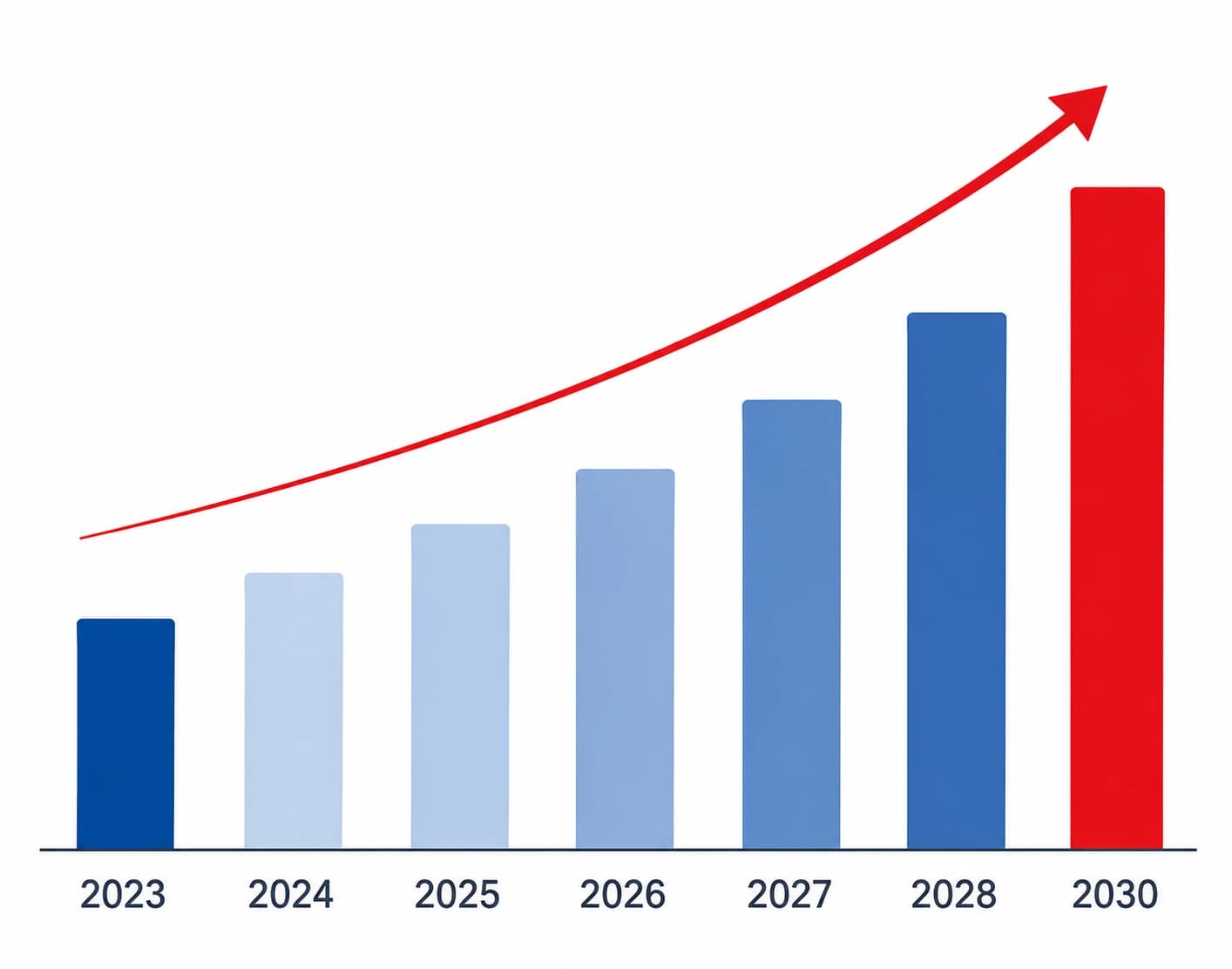
The global Molded Tantalum Chip Capacitors market was valued at US$ 1391 million in 2025 and is anticipated to reach US$ 1970 million by 2032, at a CAGR of 5.0% from 2026 to 2032.
The 2025 U.S. tariff policies introduce profound uncertainty into the global economic landscape. This report critically examines the implications of recent tariff adjustments and international strategic countermeasures on Molded Tantalum Chip Capacitors competitive dynamics, regional economic interdependencies, and supply chain reconfigurations.
Molded tantalum chip capacitors are chip-type electrolytic capacitors composed of a sintered tantalum anode, a tantalum pentoxide dielectric layer, a solid electrolyte, a cathode layer, a lead frame, and a molded epoxy resin case. They are designed to meet the needs of electronic equipment for high capacitance density, miniaturization, stable power supply, and noise suppression. Their core functions are to provide stable energy storage, filtering, decoupling, and ripple control within limited printed circuit board space. The main technology routes include manganese dioxide solid tantalum capacitors and conductive polymer solid tantalum capacitors. These products are typically delivered in the form of standardized part numbers, tape-and-reel packaging, and surface-mount devices, making them suitable for automated placement and large-scale electronic assembly. Typical customers include industrial control, communications infrastructure, servers, portable electronics, automotive electronics, medical devices, and aerospace electronics.
Molded tantalum chip capacitors occupy a critical position among high-reliability, miniaturized energy-storage and filtering components. Demand is driven by the continued miniaturization of electronic equipment, the increasing number of power rails, higher module current density, and rising requirements for system stability. Compared with standard multilayer ceramic capacitors, tantalum chip capacitors offer advantages in larger capacitance, DC bias stability, and volumetric efficiency. Compared with aluminum electrolytic capacitors, chip tantalum capacitors are better suited for automated mounting, compact layouts, and high-density printed circuit boards. Their value is not determined only by capacitance or price, but by a combined set of attributes including package size, equivalent series resistance, leakage current, temperature behavior, failure rate, tape-and-reel assembly compatibility, and long-term supply capability. As servers, communications infrastructure, solid-state drives, industrial control systems, and automotive electronics become increasingly dependent on stable power delivery and reliable components, molded tantalum chip capacitors are expected to maintain a stable demand base within the mid-to-high-end passive component market.
From an industry structure perspective, the molded tantalum chip capacitor market is characterized by concentration among leading suppliers with strong technical capabilities and customer resources. International suppliers usually maintain complete product portfolios, mature part-number systems, reliability screening capabilities, and global sales networks, enabling them to serve general industrial, communications, automotive, medical, aerospace, and other customer tiers. Japanese and North American companies have deep capabilities in high-reliability and polymer tantalum technologies, Korean suppliers retain chip-type tantalum capacitor product lines, and Chinese companies continue to advance domestic substitution in chip solid-electrolyte tantalum capacitors and specialized electronics applications. The core of competition is not simple capacity expansion, but gaining access to customer qualification systems through lower equivalent series resistance, smaller packages, higher temperature tolerance, lower leakage current, and more stable supply. Because tantalum capacitors involve raw-material compliance, process consistency, and long-term reliability validation, new entrants typically need a long period to complete customer qualification and part-number adoption.
Looking ahead, molded tantalum chip capacitors still have steady structural growth opportunities. Conductive polymer tantalum capacitors will benefit from demand in servers, communications power supplies, solid-state drives, and high-frequency digital circuits for low equivalent series resistance and high ripple-current capability. Manganese dioxide solid tantalum capacitors will continue to maintain a solid base in mature industrial, high-reliability, and long-lifecycle equipment. Rising requirements in automotive electronics, industrial automation, and high-reliability equipment for stable power delivery, temperature resistance, and long-term reliability will encourage suppliers to strengthen their automotive-grade, high-temperature, and high-reliability product lines. At the same time, tantalum raw-material compliance, customer qualification cycles, and global supply-chain security will continue to influence procurement strategies. Companies with multi-region manufacturing, clear compliance systems, and long-term supply capabilities are more likely to gain the trust of core customers. Overall, this industry is unlikely to show explosive consumer-electronics-style growth, but it has strong resilience under the demand for reliability, miniaturization, and power stability, while the product mix continues to move toward low equivalent series resistance, high temperature, high voltage, and thinner profiles.
This report delivers a comprehensive overview of the global Molded Tantalum Chip Capacitors market, with both quantitative and qualitative analyses, to help readers develop growth strategies, assess the competitive landscape, evaluate their position in the current market, and make informed business decisions regarding Molded Tantalum Chip Capacitors. The Molded Tantalum Chip Capacitors market size, estimates, and forecasts are provided in terms of output/shipments (Million Units) and revenue (US$ millions), with 2025 as the base year and historical and forecast data for 2021–2032.
The report segments the global Molded Tantalum Chip Capacitors market comprehensively. Regional market sizes by Cathode System, by Application, by Anode Structure, and by company are also provided. For deeper insight, the report profiles the competitive landscape, key competitors, and their respective market rankings, and discusses technological trends and new product developments.
This report will assist Molded Tantalum Chip Capacitors manufacturers, new entrants, and companies across the industry value chain with information on revenues, production, and average prices for the overall market and its sub-segments, by company, by Cathode System, by Application, and by region.
Chapter Outline
Chapter 1: Defines the scope of the report and presents an executive summary of market segments (by Cathode System, by Application, by Anode Structure, etc.), including the size of each segment and its future growth potential. It offers a high-level view of the current market and its likely evolution in the short, medium, and long term.
Chapter 2: Provides a detailed analysis of the competitive landscape for Molded Tantalum Chip Capacitors manufacturers, including prices, production, value-based market shares, latest development plans, and information on mergers and acquisitions.
Chapter 3: Examines Molded Tantalum Chip Capacitors production/output and value by region and country, providing a quantitative assessment of market size and growth potential for each region over the next six years.
Chapter 4: Analyzes Molded Tantalum Chip Capacitors consumption at the regional and country levels. It quantifies market size and growth potential for each region and its key countries, and outlines market development, outlook, addressable space, and national production.
Chapter 5: Analyzes market segments by Cathode System, covering the size and growth potential of each segment to help readers identify “blue ocean” opportunities.
Chapter 6: Analyzes market segments by Application, covering the size and growth potential of each segment to help readers identify “blue ocean” opportunities in downstream markets.
Chapter 7: Profiles key players, detailing the fundamentals of major companies, including product production/output, value, price, gross margin, product portfolio/introductions, and recent developments.
Chapter 8: Reviews the industry value chain, including upstream and downstream segments.
Chapter 9: Discusses market dynamics and recent developments, including drivers, restraints, challenges and risks for manufacturers, U.S. Tariffs and relevant policy analysis.
Chapter 10: Summarizes the key findings and conclusions of the report.
- ★ What Is The Overall Market Size And Projected Growth Rate Across Global And Regional Segments?
- ★ How Does The Market Size And Growth Outlook Vary Across Major Countries?
- ★ Which Region Or Market Sub-Segment Is Anticipated To Dominate Growth During The Forecast Period?
- ★ What Are The Primary Factors Expected To Drive Market Expansion, And What Challenges May Restrain Growth?
- ★ Which Emerging Technologies And Market Trends Are Shaping The Future Landscape?
- ★ What Are The Most Significant Opportunities Available In The Market?
- ★ Who Are The Leading Manufacturers Actively Participating In The Global Market?
- ★ Which Company Currently Holds The Largest Share Of The Market?
- ★ What Are The Potential Growth Avenues For New Entrants In The Global Market?
Market Size Overview
US$ 1391 million
2026US$ 1970 million
20325.0%
CAGR (2024-2032)Key Market Segmentation

By Type
- Manganese Dioxide Solid Tantalum Capacitors
- Conductive Polymer Solid Tantalum Capacitors
- Other

By Application
- Consumer Electronics
- Communication Equipment
- Industrial Electronics
- Automotive Electronics
- Medical Electronics
- Aerospace
- Other

By Region
- North America
- Europe
- Asia Pacific
- Latin America
- Middle East & Africa
Regional Market Insights
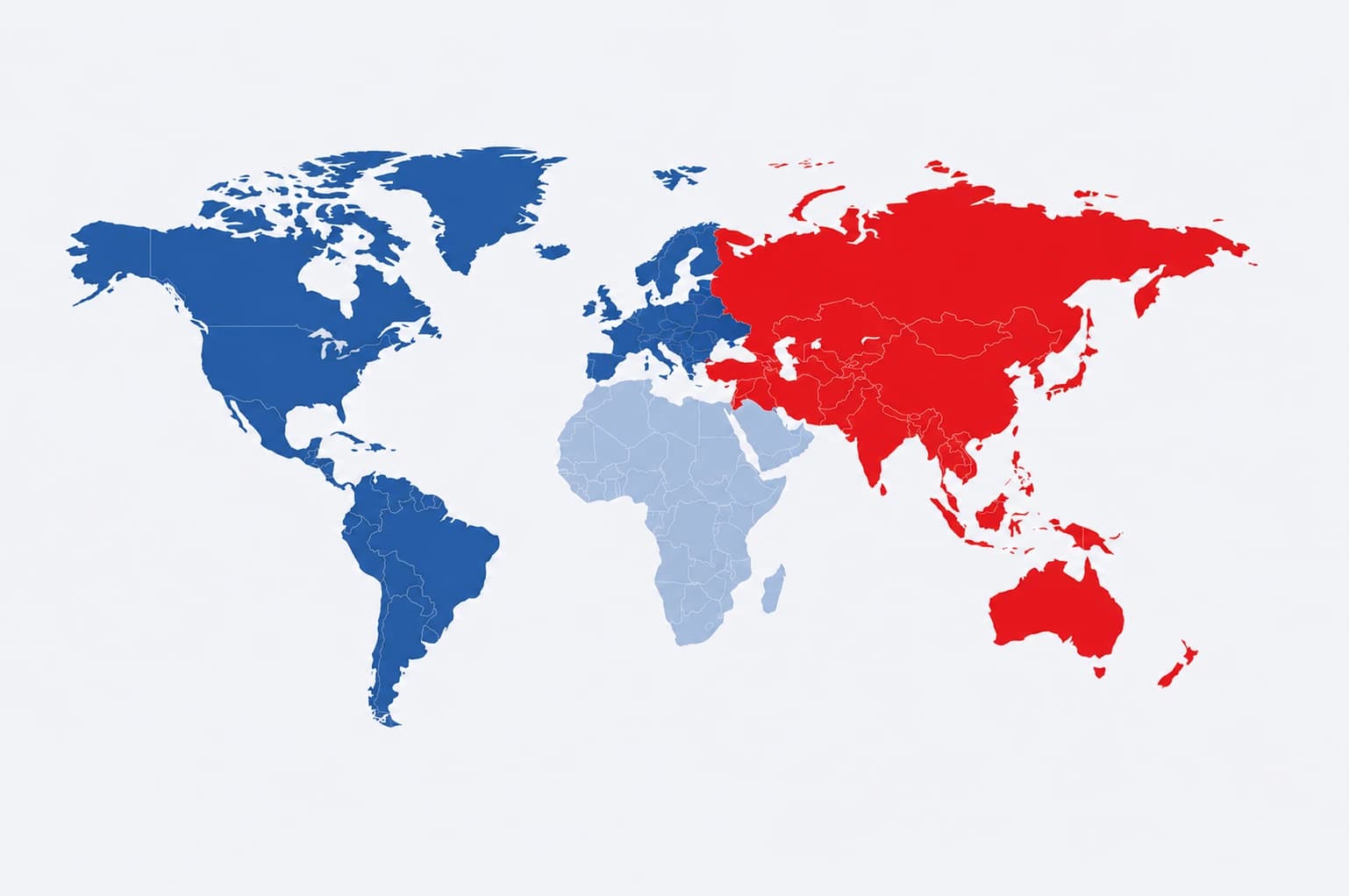

Asia Pacific
China, Japan, South Korea, Southeast Asia, India

North America
U.S., Canada, Mexico

Europe
Germany, France, UK, Italy

South America
Brazil, etc.

Middle East and Africa
Turkey, GCC Countries, Africa, etc.
Global Perspective. Local Insight.
Our reports deliver comprehensive regional coverage to help you understand market dynamics, identify growth opportunities, and make informed decisions.
Why Buy This Report?
Actionable insights. Trusted data. Smarter decisions.
Everything you need to stay ahead with confidence.
Gain a comprehensive understanding of the market
Make informed business decisions with data-backed insights
Identify growth opportunities and emerging markets
Stay ahead of competitors with actionable intelligence
Support strategic planning and investment decisions
Access detailed market segmentation and regional analysis
Benchmark key players, pricing, and market share
Benefit from reliable forecasts, trends, and future outlook
Understand customer demand, sales potential, and industry dynamics
Save research time with expert-validated data and analysis

Need Customization?
Reliable Reports
Trusted by Leaders
Global Coverage
100+ Countries
24/7 Support
We're Here to Help
Secure Payments
Safe & Trusted