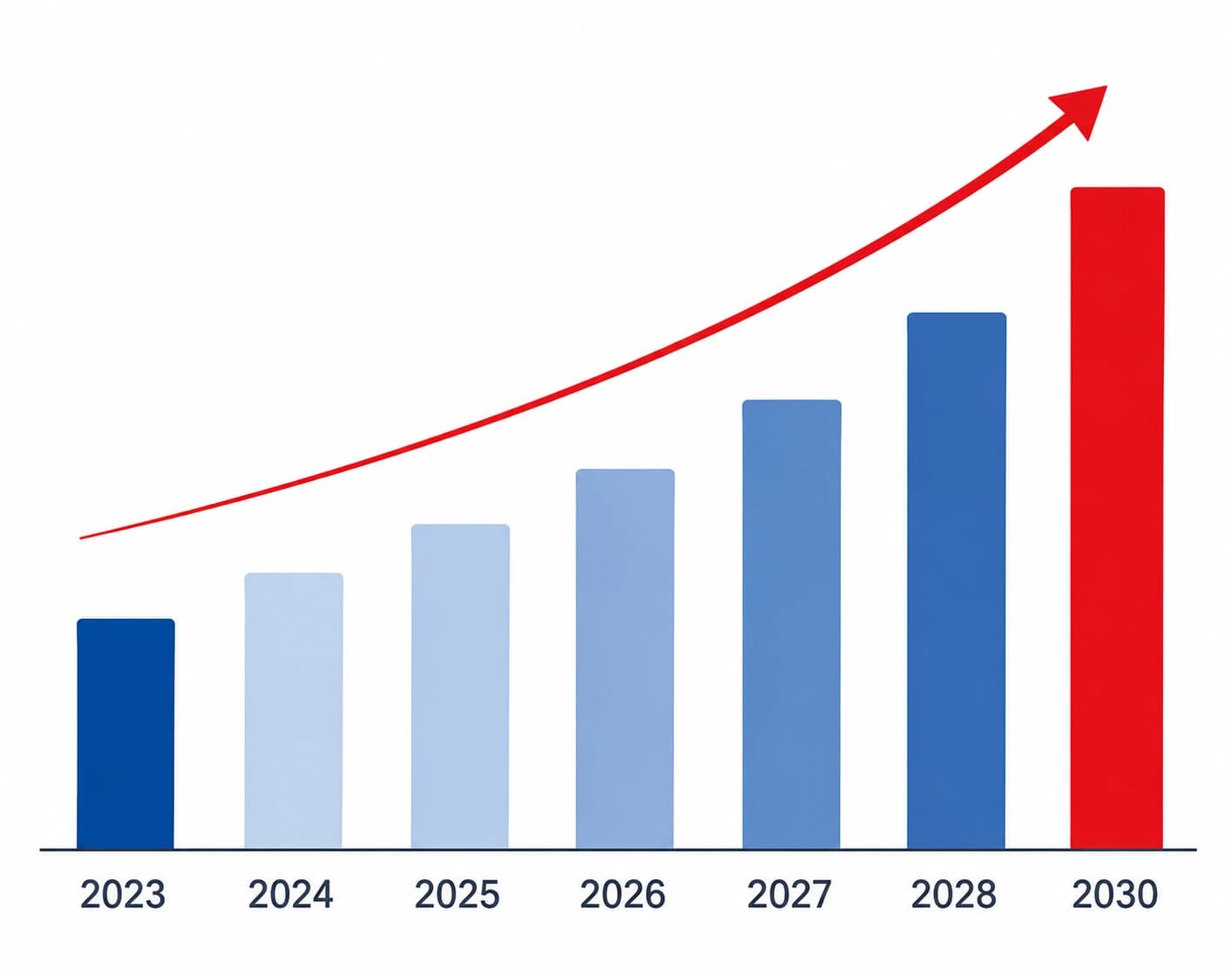
The global Power by the Hour (PBH) market was valued at US$ 27350 million in 2025 and is anticipated to reach US$ 40840 million by 2032, witnessing a CAGR of 6.0% during the forecast period 2026-2032.
Power by the Hour (PBH) is a maintenance program provided by aircraft manufacturers as well as aircraft engine & component providers to aircraft operators. Power by the Hour (PBH) contracts allow better and efficient management of budgets. Thus, costs allocated towards MRO services can be rationalised.
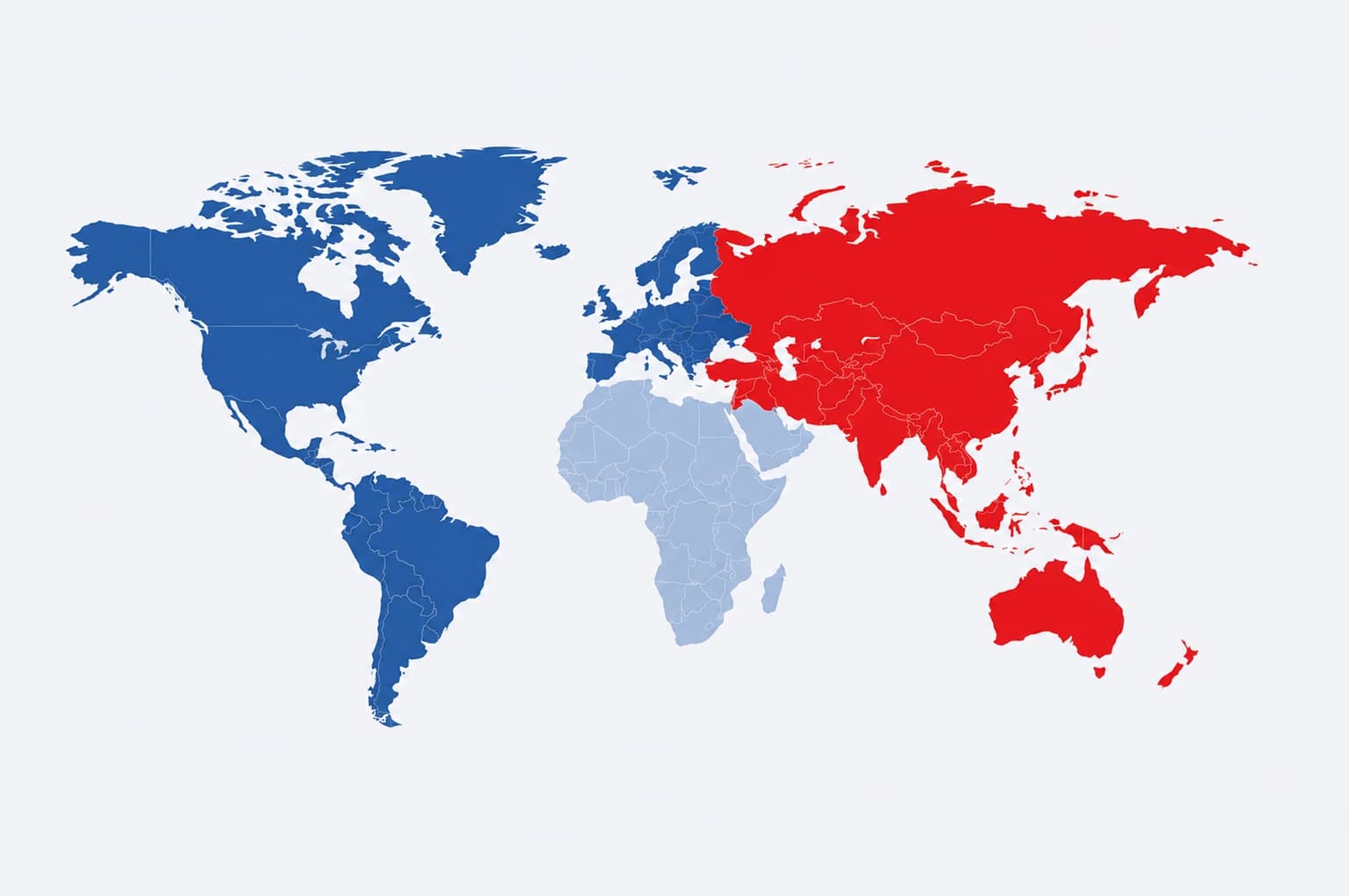
Global 5 largest manufacturers of Power by the Hour (PBH) are GE Aviation, Rolls-Royce plc, MTU Aero Engines AG, AFI KLM E&M and Raytheon Technologies, which make up over 52%. Among them, GE Aviation is the leader with about 22% market share. North America is the largest market, with a share over 30%, followed by Europe and Asia-Pacific, both with the share about 25%. In terms of product type, Engine occupies the largest share of the total market, about 40%. And in terms of application, the largest application is Commercial Aviation, followed by Business Jet.
The driving factors of the Power by the Hour (PBH) market can be summarized as follows:
1. Cost-effectiveness and customer relations
Cost predictability: The PBH model allows airlines and operators to pay for the operation and maintenance of aircraft engines at a fixed hourly rate, thus providing cost predictability. This cost structure helps airlines better manage their budgets and reduce the financial risks associated with engine maintenance.
Deepening customer relationships: The PBH model promotes a closer cooperative relationship between suppliers and customers (airlines). Through long-term cooperation, both parties can build trust and achieve a win-win situation.
2. Industry development trends and demand
Global expansion of the aviation industry: As airlines advance their global expansion strategies, route networks continue to expand, and the demand for engine maintenance also grows. The PBH model can efficiently meet this cross-regional maintenance demand and promote market development.
Demand for energy conservation and environmental protection: The PBH model may incentivize suppliers to adopt more advanced engine technologies to improve fuel efficiency and reduce emissions. This is in line with the aviation industry's growing concern about energy conservation and environmental protection, and is also an important factor driving the development of the PBH market.
3. Technology and supply chain support
Technological progress: With the continuous development of aviation technology, the technology of aircraft and engines is also constantly updated. PBH suppliers need to constantly adapt to new technologies and provide high-quality maintenance services to meet customer needs. This technological progress has promoted the continued development of the PBH market.
Supply chain stability: The instability of the global supply chain and the fluctuation of raw material prices may have an adverse impact on PBH suppliers. However, with the continuous maturity and improvement of supply chain management, PBH suppliers are better able to cope with these challenges and ensure the timeliness and stability of spare parts supply, thereby promoting market development.
4. Market competition and cooperation
Market competition: In the PBH market, there are many competitive suppliers, such as GE Aviation, Rolls-Royce plc, MTU Aero Engines, etc. These suppliers compete for market share by providing high-quality services and continuous innovation, which has promoted the prosperity of the PBH market.
Cooperation and win-win: The PBH model promotes cooperation between suppliers and airlines. By sharing risks and responsibilities, both parties can achieve a win-win situation. This cooperation model helps to promote the further development of the PBH market.
In summary, the driving factors of the PBH market mainly include cost-effectiveness and deepening of customer relationships, industry development trends and growth in demand, support from technology and supply chains, and market competition and cooperation. These factors have jointly promoted the continuous development and growth of the PBH market.
This report aims to provide a comprehensive presentation of the global market for Power by the Hour (PBH), with both quantitative and qualitative analysis, to help readers develop business/growth strategies, assess the market competitive situation, analyze their position in the current marketplace, and make informed business decisions regarding Power by the Hour (PBH).
The Power by the Hour (PBH) market size, estimations, and forecasts are provided in terms of revenue ($ millions), considering 2025 as the base year, with history and forecast data for the period from 2021 to 2032. This report segments the global Power by the Hour (PBH) market comprehensively. Regional market sizes, concerning products by Type, by Application, and by players, are also provided.
For a more in-depth understanding of the market, the report provides profiles of the competitive landscape, key competitors, and their respective market ranks. The report also discusses technological trends and new product developments.
The report will help the Power by the Hour (PBH) manufacturers, new entrants, and industry chain related companies in this market with information on the revenues for the overall market and the sub-segments across the different segments, by company, by Type, by Application, and by regions.
Chapter 1: Introduces the report scope of the report, executive summary of different market segments (by region, product type, application, etc), including the market size of each market segment, future development potential, and so on. It offers a high-level view of the current state of the market and its likely evolution in the short to mid-term, and long term.
Chapter 2: key insights, key emerging trends, etc.
Chapter 3: Manufacturers competitive analysis, detailed analysis of Power by the Hour (PBH) manufacturers competitive landscape, revenue market share, latest development plan, merger, and acquisition information, etc.
Chapter 4: Provides profiles of key players, introducing the basic situation of the main companies in the market in detail, including product revenue, gross margin, product introduction, recent development, etc.
Chapter 5 & 6: Revenue of Power by the Hour (PBH) in regional level and country level. It provides a quantitative analysis of the market size and development potential of each region and its main countries and introduces the market development, future development prospects, market space, and market size of each country in the world.
Chapter 7: Provides the analysis of various market segments by Type, covering the market size and development potential of each market segment, to help readers find the blue ocean market in different market segments.
Chapter 8: Provides the analysis of various market segments by Application, covering the market size and development potential of each market segment, to help readers find the blue ocean market in different downstream markets.
Chapter 9: Analysis of industrial chain, including the upstream and downstream of the industry.
Chapter 10: The main points and conclusions of the report.
- ★ What Is The Overall Market Size And Projected Growth Rate Across Global And Regional Segments?
- ★ How Does The Market Size And Growth Outlook Vary Across Major Countries?
- ★ Which Region Or Market Sub-Segment Is Anticipated To Dominate Growth During The Forecast Period?
- ★ What Are The Primary Factors Expected To Drive Market Expansion, And What Challenges May Restrain Growth?
- ★ Which Emerging Technologies And Market Trends Are Shaping The Future Landscape?
- ★ What Are The Most Significant Opportunities Available In The Market?
- ★ Who Are The Leading Manufacturers Actively Participating In The Global Market?
- ★ Which Company Currently Holds The Largest Share Of The Market?
- ★ What Are The Potential Growth Avenues For New Entrants In The Global Market?