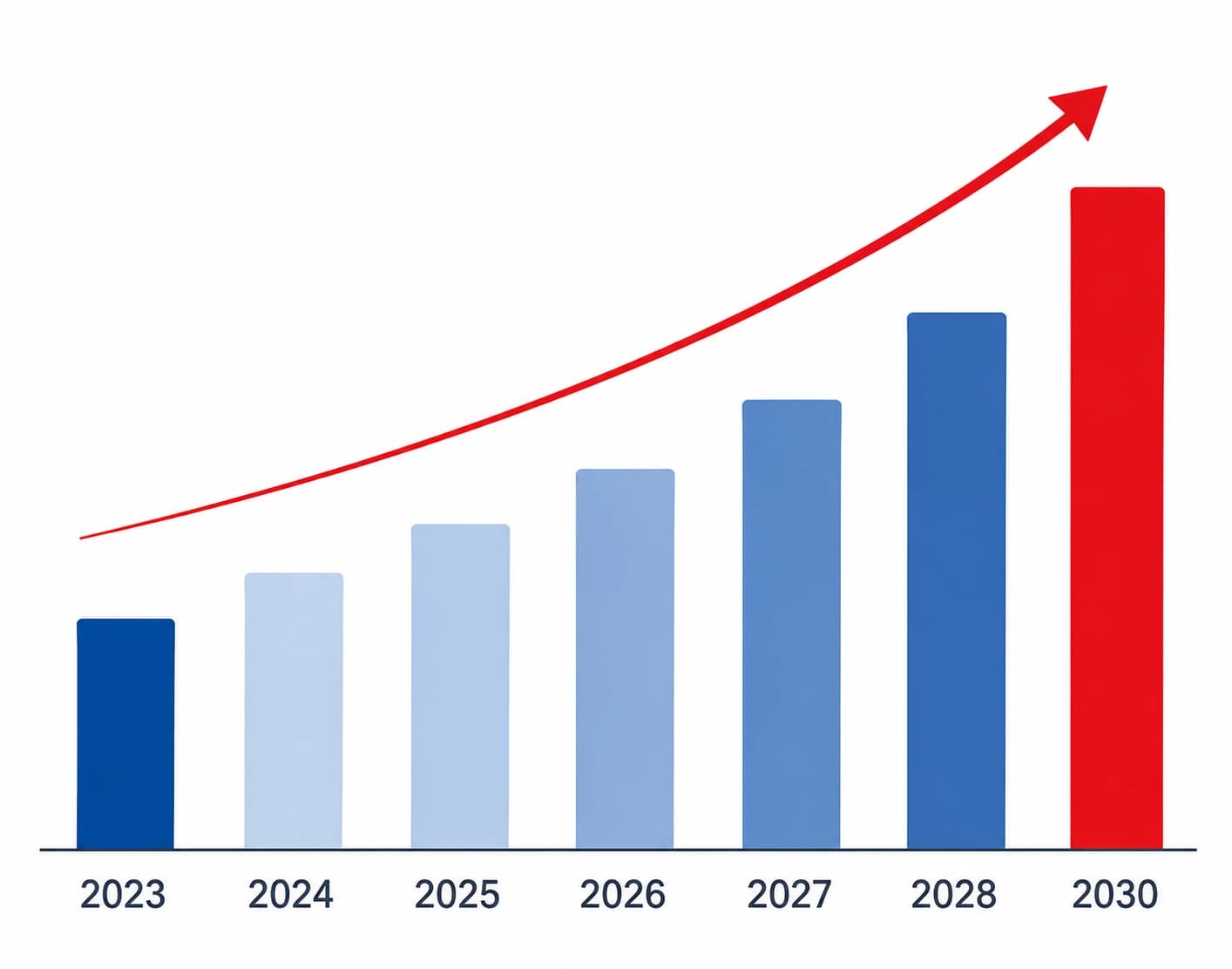
The global Blended Batana Oil market was valued at US$ 215 million in 2025 and is anticipated to reach US$ 386 million by 2032, at a CAGR of 8.7% from 2026 to 2032.
The 2025 U.S. tariff policies introduce profound uncertainty into the global economic landscape. This report critically examines the implications of recent tariff adjustments and international strategic countermeasures on Blended Batana Oil competitive dynamics, regional economic interdependencies, and supply chain reconfigurations.
Blended Batana Oil is a formulated cosmetic oil that combines traditional batana oil—a dense, nutrient-rich oil extracted from the nuts of the American palm (Elaeis oleifera), long used by the Miskito people of Central America for hair repair and growth—with lighter carrier oils such as coconut, castor, argan, jojoba, or sunflower oil to improve spreadability, stability, scent, and consumer usability. The supply chain begins upstream with wild or semi-cultivated Elaeis oleifera palms in Honduras and neighboring Central American regions, where palm nuts are harvested, cooked or roasted, and mechanically pressed to obtain raw batana oil; this crude oil then moves to midstream processors that perform filtration, deodorization, or mild refining before formulation, where batana oil is blended with selected carrier oils and sometimes antioxidants or fragrances under cosmetic GMP standards; downstream, the blended product is filled, branded, and distributed through beauty brands, DTC channels, salons, and online marketplaces, with value increasingly concentrated in formulation, branding, and marketing rather than raw oil extraction. In 2025, global blended batana oil production was about 8,200 tons, supported by a total installed capacity of 10,500 tons, indicating moderate spare capacity. Average unit prices range from USD 21,000 to 35,000 per ton depending on formulation and branding, while leading producers typically achieve gross margins of around 42%.
The North American market for Blended Batana Oil is projected to increase from US$ million in 2025 to US$ million by 2032, at a CAGR of % over 2026–2032.
The Asia-Pacific market for Blended Batana Oil is projected to rise from US$ million in 2025 to US$ million by 2032, at a CAGR of % over 2026–2032.
Major global manufacturers of Blended Batana Oil include Artnaturals (USA), Botanic Hearth (USA), Sunny Isle (USA), Majestic Pure (USA), RA Cosmetics (USA), Well's Oil (USA), Difeel (USA), Fiora Naturals (USA), Hair Chemist (USA), Svvimer (USA), etc. In 2025, the world's top three vendors accounted for approximately % of revenue.
This report delivers a comprehensive overview of the global Blended Batana Oil market, with both quantitative and qualitative analyses, to help readers develop growth strategies, assess the competitive landscape, evaluate their position in the current market, and make informed business decisions regarding Blended Batana Oil. The Blended Batana Oil market size, estimates, and forecasts are provided in terms of output/shipments (Tons) and revenue (US$ millions), with 2025 as the base year and historical and forecast data for 2021–2032.
The report segments the global Blended Batana Oil market comprehensively. Regional market sizes by Type, by Application, by Processing Level, and by company are also provided. For deeper insight, the report profiles the competitive landscape, key competitors, and their respective market rankings, and discusses technological trends and new product developments.
This report will assist Blended Batana Oil manufacturers, new entrants, and companies across the industry value chain with information on revenues, production, and average prices for the overall market and its sub-segments, by company, by Type, by Application, and by region.
Chapter 1: Defines the scope of the report and presents an executive summary of market segments (by Type, by Application, by Processing Level, etc.), including the size of each segment and its future growth potential. It offers a high-level view of the current market and its likely evolution in the short, medium, and long term.
Chapter 2: Provides a detailed analysis of the competitive landscape for Blended Batana Oil manufacturers, including prices, production, value-based market shares, latest development plans, and information on mergers and acquisitions.
Chapter 3: Examines Blended Batana Oil production/output and value by region and country, providing a quantitative assessment of market size and growth potential for each region over the next six years.
Chapter 4: Analyzes Blended Batana Oil consumption at the regional and country levels. It quantifies market size and growth potential for each region and its key countries, and outlines market development, outlook, addressable space, and national production.
Chapter 5: Analyzes market segments by Type, covering the size and growth potential of each segment to help readers identify “blue ocean” opportunities.
Chapter 6: Analyzes market segments by Application, covering the size and growth potential of each segment to help readers identify “blue ocean” opportunities in downstream markets.
Chapter 7: Profiles key players, detailing the fundamentals of major companies, including product production/output, value, price, gross margin, product portfolio/introductions, and recent developments.
Chapter 8: Reviews the industry value chain, including upstream and downstream segments.
Chapter 9: Discusses market dynamics and recent developments, including drivers, restraints, challenges and risks for manufacturers, U.S. Tariffs and relevant policy analysis.
Chapter 10: Summarizes the key findings and conclusions of the report.
- ★ What Is The Overall Market Size And Projected Growth Rate Across Global And Regional Segments?
- ★ How Does The Market Size And Growth Outlook Vary Across Major Countries?
- ★ Which Region Or Market Sub-Segment Is Anticipated To Dominate Growth During The Forecast Period?
- ★ What Are The Primary Factors Expected To Drive Market Expansion, And What Challenges May Restrain Growth?
- ★ Which Emerging Technologies And Market Trends Are Shaping The Future Landscape?
- ★ What Are The Most Significant Opportunities Available In The Market?
- ★ Who Are The Leading Manufacturers Actively Participating In The Global Market?
- ★ Which Company Currently Holds The Largest Share Of The Market?
- ★ What Are The Potential Growth Avenues For New Entrants In The Global Market?