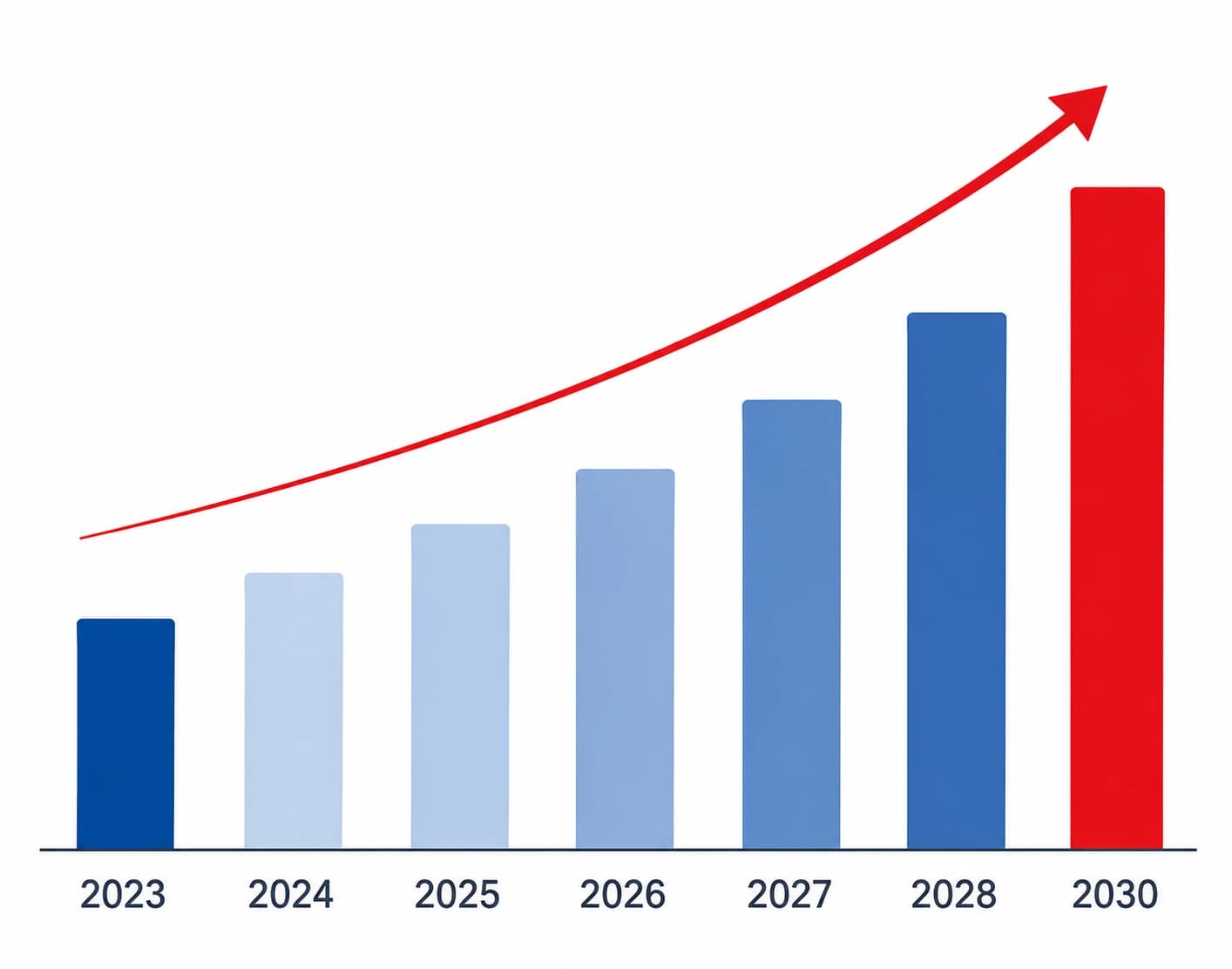
The global market for Automotive ECU Tuning Software was estimated to be worth US$ 195 million in 2025 and is projected to reach US$ 319 million, growing at a CAGR of 7.5% from 2026 to 2032.
Automotive ECU Tuning Software refers to specialized software applications used to access, analyze, modify, calibrate, and reprogram electronic control units in vehicles, particularly engine control units responsible for fuel injection, ignition timing, boost pressure, torque management, and other powertrain functions. These software solutions enable calibration engineers, professional tuning workshops, automotive service providers, and vehicle enthusiasts to optimize engine performance, driving characteristics, and operational efficiency. The principal product categories include ECU calibration editing software, ECU reading and flashing software, and integrated ECU tuning software. Typical technical capabilities include calibration map identification, two-dimensional and three-dimensional parameter editing, firmware reading and writing, checksum correction, real-time data logging, diagnostic analysis, and vehicle-specific programming. Commercial offerings are generally delivered through desktop applications, cloud-based platforms, or integrated software and hardware ecosystems, with licensing arrangements based on permanent licenses, subscriptions, individual vehicles, or usage credits.
ECU calibration editing software represents a core category of professional Automotive ECU Tuning Software
Automotive tuning workshops constitute a principal commercial application market for Automotive ECU Tuning Software
The Automotive ECU Tuning Software industry is evolving from conventional standalone calibration editors toward integrated tuning platforms combining firmware access, calibration development, vehicle programming, data logging, and remote service capabilities. Increasing ECU complexity and software protection mechanisms are placing greater importance on vehicle compatibility, calibration data libraries, automated map recognition, and secure programming workflows. Cloud-based calibration environments are also improving collaboration between software developers, professional tuners, and workshop networks. Product differentiation is gradually shifting from basic editing functionality toward broader vehicle coverage, workflow efficiency, calibration reliability, and continuously updated software capabilities.
Demand for Automotive ECU Tuning Software is supported by automotive performance customization, professional aftermarket services, and the increasing electronic complexity of modern powertrains. The expansion of specialized tuning workshops and demand for vehicle-specific calibration solutions provide opportunities for software vendors to commercialize additional licenses, calibration modules, and technical support services.
Market development is constrained by ECU cybersecurity protection, proprietary programming protocols, software licensing costs, and the technical expertise required for reliable calibration. Modern vehicle architectures frequently require specialized interfaces and authorized access procedures, increasing the total cost of software deployment. Emissions regulations and vehicle warranty requirements also restrict certain modification activities.
Commercial opportunities are emerging in cloud-based calibration platforms, automated map recognition, remote tuning workflows, and software support for newly introduced ECU architectures. Vendors can expand recurring revenue through vehicle-specific software modules, subscription services, calibration databases, and professional workshop partnerships. Specialized solutions for commercial vehicles and performance-oriented powertrains also offer opportunities for product differentiation.
The industry faces persistent challenges associated with ECU software compatibility, intellectual property protection, cybersecurity controls, and regulatory compliance. Continuous vehicle software updates can reduce the compatibility of existing tuning tools, requiring sustained investment in protocol development and technical support. Increasing competition among integrated tuning ecosystems may also intensify pressure on software pricing and customer acquisition.
The Automotive ECU Tuning Software value chain begins with ECU architecture research, communication protocol development, calibration algorithms, and software engineering. Upstream capabilities include access to electronic control unit interfaces, calibration reference data, software development tools, and specialized automotive engineering expertise. Midstream activities involve developing calibration editors, flashing applications, vehicle compatibility modules, licensing platforms, and technical support systems. Downstream distribution takes place through direct software licensing, authorized distributors, professional tuning workshops, and specialized automotive service networks.
Value creation depends primarily on proprietary software functionality, vehicle coverage, calibration database quality, programming reliability, and the frequency of technical updates. Software developers can generate revenue through initial licenses, subscriptions, paid vehicle modules, and usage credits. Companies operating integrated hardware and software ecosystems may also benefit from customer retention and complementary product sales. Long-term competitiveness increasingly depends on maintaining software compatibility while delivering reliable calibration workflows and responsive technical support.
Automotive ECU Tuning Software is principally divided into ECU Calibration Editing Software, ECU Reading and Flashing Software, and Integrated ECU Tuning Software. ECU Calibration Editing Software provides functions for identifying and modifying engine calibration maps, including fuel delivery, ignition timing, boost pressure, and torque limitations. Professional editing platforms commonly support hexadecimal, two-dimensional, and three-dimensional data representations, allowing advanced users to develop customized calibration files. This category is particularly important to specialized calibration developers and tuning file suppliers, where technical flexibility and supported calibration definitions influence purchasing decisions.
ECU Reading and Flashing Software focuses on communication with vehicle control units, firmware extraction, programming, and data recovery. Compatibility with diagnostic-port, bench, and boot-mode programming is an important purchasing consideration. Integrated ECU Tuning Software combines calibration, programming, diagnostic monitoring, and vehicle-specific licensing within a coordinated workflow. These integrated solutions offer commercial value to workshops seeking operational efficiency and simplified software management. Future product development is expected to emphasize automated calibration assistance, expanded ECU compatibility, and cloud-based delivery, enabling suppliers to differentiate through advanced functionality and recurring software authorization revenue.
Downstream Market Opportunities
Automotive tuning workshops represent a central commercial application for Automotive ECU Tuning Software. These customers use calibration editing and programming platforms to modify engine power delivery, throttle response, torque characteristics, and other vehicle-specific settings. Procurement decisions typically depend on supported vehicle models, programming reliability, software functionality, training requirements, and technical support. Integrated software platforms can provide additional value by reducing workflow complexity and supporting repeatable calibration procedures across multiple vehicle brands.
Automotive repair and maintenance providers represent another application area, particularly where control unit programming, software restoration, and powertrain diagnostics are required. Motorsport and racing teams use specialized calibration software for performance development, data analysis, and adjustments to changing operating conditions. Individual vehicle owners and enthusiasts form a more selective market for model-specific tuning applications and licensed calibration solutions. Software suppliers can expand their customer base by developing vehicle-specific modules, supporting additional control unit generations, and establishing partnerships with professional service providers.
North America and Europe are key commercial markets for Automotive ECU Tuning Software, supported by established automotive aftermarket industries, specialized performance workshops, and internationally recognized software suppliers. North America benefits from a developed performance vehicle market and established software licensing ecosystems, while Europe maintains a strong position in professional ECU calibration editing, programming tools, and multi-brand tuning technologies. These markets also play an important role in software development and international distribution.
Asia-Pacific represents an important opportunity for vehicle compatibility expansion, localized software distribution, and professional aftermarket services. China has an extensive automotive market and a growing ecosystem of calibration service providers, but local commercial activity includes both independently developed solutions and international software distributed through domestic channels. Japan and other developed Asian markets offer specialized opportunities associated with performance vehicles and professional calibration services. Latin America and the Middle East present additional opportunities through automotive aftermarket networks, with market development influenced by purchasing power, vehicle composition, and local regulatory conditions.
Competitive Landscape Analysis
The Automotive ECU Tuning Software market comprises specialized calibration software developers, integrated tuning platform providers, and ECU programming software suppliers. EVC electronic occupies a recognized position in professional calibration editing through WinOLS, while Alientech combines ECM Titanium with its broader tuning and programming ecosystem. HP Tuners and EcuTek provide vehicle-specific software authorization and professional tuning functionality, and Magicmotorsport integrates its StageX calibration environment with programming hardware. EFILive, COBB Tuning, Hondata, and KTuner serve specialized vehicle and performance tuning applications. Competition is centered on software functionality, ECU coverage, authorization systems, compatibility updates, calibration data resources, and professional distribution networks. Companies offering integrated software, vehicle licensing, and technical services can strengthen customer relationships through coordinated product ecosystems, while independent software specialists compete through calibration depth, technical flexibility, and workflow specialization.
This report provides a comprehensive view of the global market for Automotive ECU Tuning Software, covering total sales revenue, the market share and ranking of key companies, along with analyses by region & country, by Type, and by Application.
The Automotive ECU Tuning Software market size, estimations, and forecasts are presented in terms of sales revenue ($ millions), with 2025 as the base year and historical and forecast data from 2021 to 2032. The report combines quantitative and qualitative analysis to help readers develop growth strategies, assess the competitive landscape, evaluate their position in the current marketplace, and make informed business decisions regarding Automotive ECU Tuning Software.
Chapter 1: Introduces the scope of the report and the global market size (value). It also summarizes market dynamics and recent developments; identifies key drivers and restraints; outlines challenges and risks for players; reviews relevant industry policies.
Chapter 2: Provides a detailed analysis of the Automotive ECU Tuning Software companies' competitive landscape—including revenue shares, recent development plans, and mergers and acquisitions (M&A).
Chapter 3: Analyzes market segmentation by Type, presenting the size and growth potential of each segment to help readers identify blue-ocean opportunities.
Chapter 4: Analyzes market segmentation by Application, presenting the size and growth potential of each downstream segment to help readers identify blue-ocean opportunities.
Chapter 5: Presents Automotive ECU Tuning Software revenue at the regional level. It offers a quantitative assessment of market size and growth potential by region and summarizes market development, future prospects, addressable space, and country-level market size worldwide.
Chapter 6: Presents Automotive ECU Tuning Software revenue at the country level. It provides segmented data by Type and by Application for each country/region.
Chapter 7: Profiles key players, detailing the main companies' product revenue, gross margin, product portfolios, recent developments, etc.
Chapter 8: Analysis of Value Chain, including the upstream and downstream of the industry.
- ★ What Is The Overall Market Size And Projected Growth Rate Across Global And Regional Segments?
- ★ How Does The Market Size And Growth Outlook Vary Across Major Countries?
- ★ Which Region Or Market Sub-Segment Is Anticipated To Dominate Growth During The Forecast Period?
- ★ What Are The Primary Factors Expected To Drive Market Expansion, And What Challenges May Restrain Growth?
- ★ Which Emerging Technologies And Market Trends Are Shaping The Future Landscape?
- ★ What Are The Most Significant Opportunities Available In The Market?
- ★ Who Are The Leading Manufacturers Actively Participating In The Global Market?
- ★ Which Company Currently Holds The Largest Share Of The Market?
- ★ What Are The Potential Growth Avenues For New Entrants In The Global Market?