Alzheimer's disease is a progressive neurodegenerative disorder that primarily affects the brain, leading to cognitive decline and memory loss. It is the most common cause of dementia, a syndrome characterized by a decline in cognitive function that interferes with daily life. Alzheimer's disease is named after Dr. Alois Alzheimer, who first identified the condition in 1906.
Currently, there is not significant leading product on the market, and the competition landscape for AD diagnostic reagents is relatively good. In the future, with the approval of more accurate mass spectrometry and other kits, the application of combined detection methods, and the approval of more AD treatment drugs, the AD diagnostic industry has huge development potential, and the market space may further expand.
The cerebrospinal fluid (CSF) biomarkers, that were first developed by Fujirebio more than 25 years ago, have evolved over time from research biomarkers into specialized diagnostic testing tools, and from manual usage by early adopters to a widespread implementation in fully automated routine testing today.
Diagnosis for Alzheimer’s disease using CSF samples allows the detection of four proteins: two forms of amyloid (Aβ1-42 and Aβ1-40) proteins and two forms of Tau (Total Tau and phospho-Tau) proteins. If a patient has Alzheimer’s disease, then these proteins will be present in abnormally low (Aβ1-42 and Aβ1-42/Aβ1-40 ratio) and high (Total Tau and phospho-Tau) levels. The Aβ1-42 levels and the Aβ1-42/Aβ1-40 ratio will even be low long before the symptoms of the disease start to show.
In the clinical community today, there are high hopes for the use of blood-based testing for even simpler and potentially more widespread testing for Alzheimer’s disease in clinical routine.
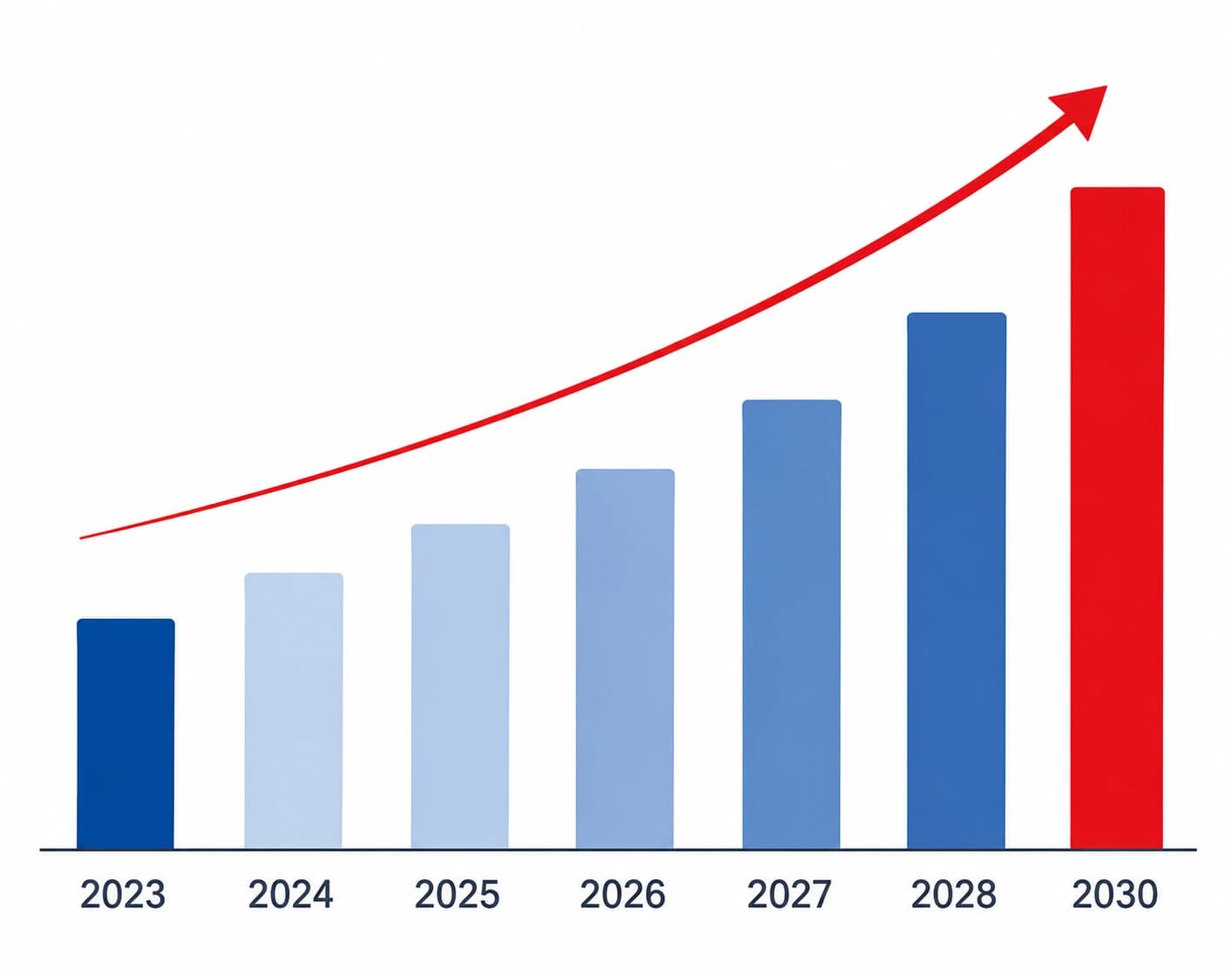
The global Alzheimer's Disease Blood Test Kit market was valued at US$ 34.6 million in 2023 and is anticipated to reach US$ 124 million by 2030, witnessing a CAGR of 18.7% during the forecast period 2024-2030.
Rising Prevalence of Alzheimer's Disease: The increasing global prevalence of Alzheimer's disease is a significant driver for the development of early diagnosis kits. As the aging population grows, the demand for reliable diagnostic tools for early detection becomes more critical.
Focus on Early Intervention and Treatment: With the recognition that early intervention and treatment may have a more significant impact on disease progression, there is a growing emphasis on the development of tools that enable early diagnosis. This shift in therapeutic strategies encourages investment in early detection technologies.
Technological Innovations in Diagnostics: Advances in diagnostic technologies, including imaging techniques, molecular diagnostics, and blood-based assays, contribute to the development of more sophisticated and precise early diagnosis kits. These innovations enhance the sensitivity and specificity of diagnostic tools.
This report aims to provide a comprehensive presentation of the global market for Alzheimer's Disease Blood Test Kit, with both quantitative and qualitative analysis, to help readers develop business/growth strategies, assess the market competitive situation, analyze their position in the current marketplace, and make informed business decisions regarding Alzheimer's Disease Blood Test Kit.
The Alzheimer's Disease Blood Test Kit market size, estimations, and forecasts are provided in terms of sales quantity (K Units) and revenue ($ millions), considering 2023 as the base year, with history and forecast data for the period from 2019 to 2030. This report segments the global Alzheimer's Disease Blood Test Kit market comprehensively. Regional market sizes, concerning products by Type, by Application, and by players, are also provided.
For a more in-depth understanding of the market, the report provides profiles of the competitive landscape, key competitors, and their respective market ranks. The report also discusses technological trends and new product developments.
The report will help the Alzheimer's Disease Blood Test Kit manufacturers, new entrants, and industry chain related companies in this market with information on the revenues, sales, and average price for the overall market and the sub-segments across the different segments, by company, by Type, by Application, and by regions.
Chapter 1: Introduces the report scope of the report, executive summary of different market segments (by region, product type, application, etc), including the market size of each market segment, future development potential, and so on. It offers a high-level view of the current state of the market and its likely evolution in the short to mid-term, and long term.
Chapter 2: key insights, key emerging trends, etc.
Chapter 3: Manufacturers competitive analysis, detailed analysis of Alzheimer's Disease Blood Test Kit manufacturers competitive landscape, price, sales and revenue market share, latest development plan, merger, and acquisition information, etc.
Chapter 4: Provides profiles of key players, introducing the basic situation of the main companies in the market in detail, including product sales, revenue, price, gross margin, product introduction, recent development, etc.
Chapter 5 & 6: Sales, revenue of Alzheimer's Disease Blood Test Kit in regional level and country level. It provides a quantitative analysis of the market size and development potential of each region and its main countries and introduces the market development, future development prospects, market space, and market size of each country in the world.
Chapter 7: Provides the analysis of various market segments by Type, covering the market size and development potential of each market segment, to help readers find the blue ocean market in different market segments.
Chapter 8: Provides the analysis of various market segments by Application, covering the market size and development potential of each market segment, to help readers find the blue ocean market in different downstream markets.
Chapter 9: Analysis of industrial chain, including the upstream and downstream of the industry.
Chapter 10: The main points and conclusions of the report.
- ★ What Is The Overall Market Size And Projected Growth Rate Across Global And Regional Segments?
- ★ How Does The Market Size And Growth Outlook Vary Across Major Countries?
- ★ Which Region Or Market Sub-Segment Is Anticipated To Dominate Growth During The Forecast Period?
- ★ What Are The Primary Factors Expected To Drive Market Expansion, And What Challenges May Restrain Growth?
- ★ Which Emerging Technologies And Market Trends Are Shaping The Future Landscape?
- ★ What Are The Most Significant Opportunities Available In The Market?
- ★ Who Are The Leading Manufacturers Actively Participating In The Global Market?
- ★ Which Company Currently Holds The Largest Share Of The Market?
- ★ What Are The Potential Growth Avenues For New Entrants In The Global Market?