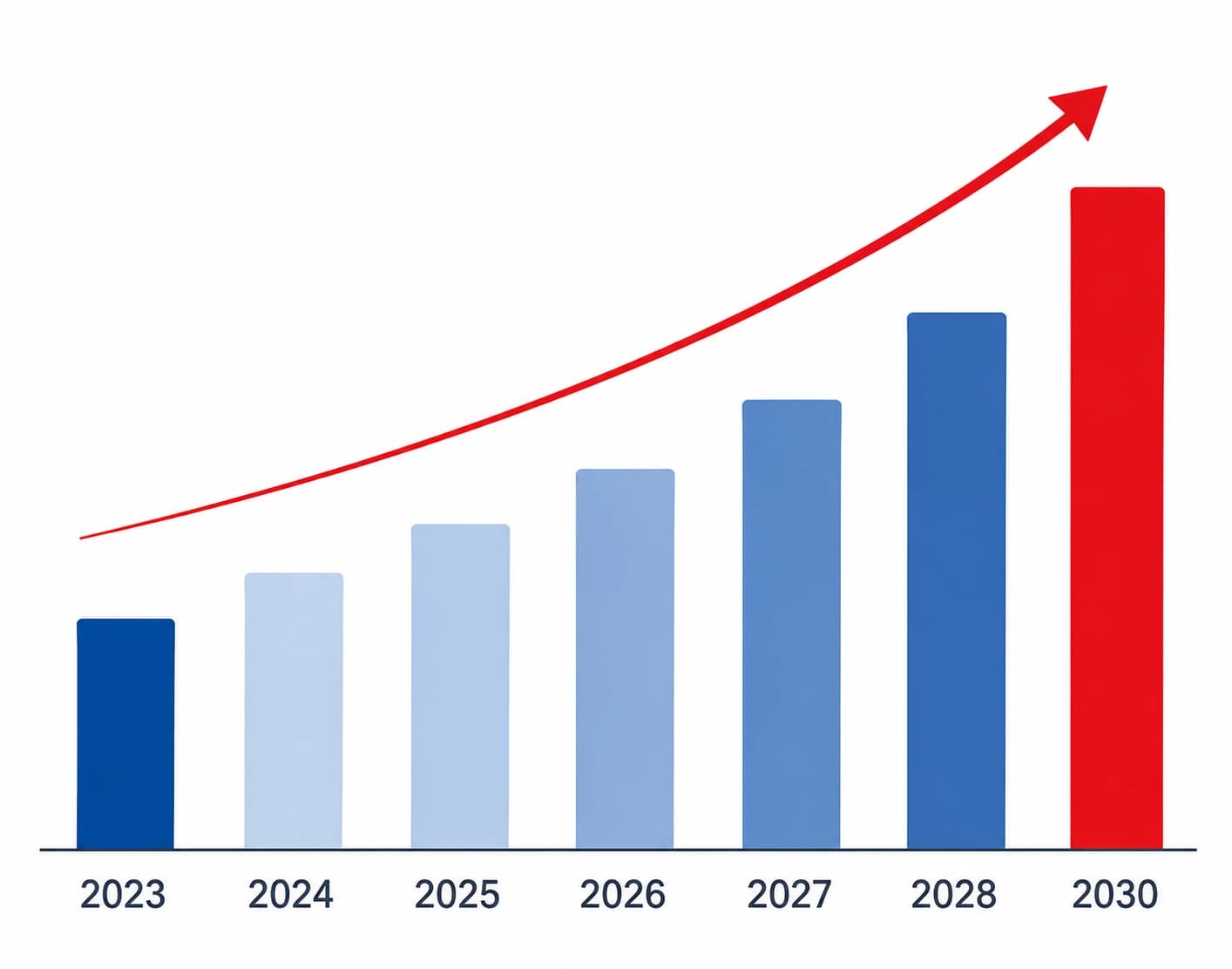
The global market for Data Center Liquid Cooling Fluid Management Services was estimated to be worth US$ 251 million in 2025 and is projected to reach US$ 921 million, growing at a CAGR of 19.0% from 2026 to 2032.
Data Center Liquid Cooling Fluid Management Services refer to specialized technical services for the commissioning, operation, maintenance, and lifecycle management of liquid-cooling systems used in AI data centers, hyperscale facilities, colocation data centers, enterprise computing environments, and high-performance computing facilities. These services primarily cover coolant filling, pipeline flushing, filtration, air purging, coolant sampling and laboratory analysis, fluid conditioning, contamination remediation, coolant replacement, and waste-fluid management. Service providers use mobile flushing and filling equipment, filtration systems, fluid monitoring instruments, specialized testing tools, and professional engineering personnel to maintain coolant cleanliness, chemical stability, material compatibility, and cooling system reliability. Major upstream inputs include water-based coolants, glycol solutions, dielectric fluids, corrosion inhibitors, filtration consumables, testing reagents, and specialized maintenance equipment. Service delivery covers direct-to-chip liquid cooling, immersion liquid cooling, and other liquid-cooling systems, supporting initial system commissioning, preventive maintenance, operational performance management, and emergency remediation throughout the equipment lifecycle.
Data Center Liquid Cooling Fluid Management Services cover coolant filling, flushing, filtration, fluid quality monitoring, contamination remediation, and lifecycle maintenance
Data Center Liquid Cooling Fluid Management Services are delivered through specialized field engineering projects and recurring maintenance contracts
Direct-to-chip liquid cooling is a key service segment, with particular emphasis on coolant cleanliness, chemical compatibility, and contamination control
Hyperscale and cloud data centers represent an important downstream market for professional liquid cooling fluid management services
Service activity is measured through completed projects and maintenance contracts, with pricing determined by system scale, technical requirements, and service scope
The Data Center Liquid Cooling Fluid Management Services industry is evolving from project-based flushing and initial coolant filling toward integrated lifecycle fluid management. As AI servers and high-density computing infrastructure increasingly adopt direct-to-chip liquid cooling, data center operators are placing greater emphasis on coolant cleanliness, chemical stability, corrosion prevention, and long-term system reliability. Traditional maintenance practices based on periodic inspection are gradually being supplemented by continuous monitoring, laboratory analysis, predictive maintenance, and standardized operating procedures. Specialized service providers are integrating coolant sampling, filtration, fluid chemistry management, and contamination remediation into comprehensive maintenance programs. The Open Compute Project continues to advance technical guidance covering coolant fluids, system compatibility, commissioning, and serviceability, encouraging more consistent industry practices. Meanwhile, the expansion of professional field service networks and integration of monitoring technologies are supporting a transition from one-time commissioning activities toward preventive maintenance and recurring service relationships. The market is also developing closer cooperation among liquid cooling equipment manufacturers, fluid technology suppliers, specialized engineering contractors, and data center operators.
The expansion of artificial intelligence infrastructure, hyperscale data center construction, and high-performance computing applications is increasing the installed base of liquid-cooling systems and creating additional requirements for professional fluid management. Direct-to-chip cooling systems contain cooling distribution components, manifolds, piping networks, and precision cold plates that require careful control of coolant quality and system cleanliness. Particulate contamination, entrained air, chemical imbalance, and corrosion can compromise cooling performance and equipment reliability, making flushing, filtration, filling, and routine fluid testing important elements of system commissioning and operation. The increasing complexity of liquid cooling deployments, together with stricter customer requirements for operational continuity and equipment warranty compliance, is encouraging data center operators to engage specialized service providers. Growth is also supported by the expanding population of operating liquid-cooled facilities, which creates opportunities for preventive maintenance, coolant replacement, system modification, and corrective fluid treatment beyond the initial installation stage.
The market faces constraints arising from the relatively early commercialization of large-scale liquid cooling infrastructure, differences in customer maintenance practices, and the integration of fluid management activities into broader system installation and operation contracts. Many hyperscale operators and equipment manufacturers retain internal engineering teams capable of performing routine coolant inspection, filling, and maintenance, reducing the addressable demand for independent third-party services. Service requirements also vary significantly according to cooling architecture, coolant formulation, piping materials, operating conditions, and system size, making standardized pricing and service packages difficult to establish. Professional fluid management requires qualified technicians, specialized testing equipment, filtration systems, and site-specific operating procedures, which can increase service delivery costs. In addition, certain maintenance activities may be deferred or performed in-house when operators prioritize short-term operating cost reductions. Differences in regional labor costs, site access requirements, and customer qualification procedures further influence profitability and market development.
Market opportunities are emerging in comprehensive lifecycle maintenance, specialized coolant chemistry management, and the expansion of third-party service networks serving high-density AI computing facilities. As installed liquid-cooling capacity grows, recurring coolant sampling, laboratory analysis, filtration, chemical conditioning, and preventive maintenance programs can generate service revenue beyond initial project commissioning. Advanced monitoring technologies that track coolant temperature, pH, flow conditions, and other fluid quality indicators support the development of condition-based maintenance services. The increasing use of direct-to-chip liquid cooling also creates opportunities for contamination remediation, flushing after system modification, coolant compatibility assessment, and maintenance of complex multi-rack cooling networks. Service providers can strengthen customer relationships by combining engineering expertise with coolant testing, maintenance documentation, and long-term operational support. Additional opportunities exist in colocation data centers, where multiple customers and equipment platforms create demand for coordinated fluid management, as well as in regional markets where specialized liquid cooling maintenance capabilities remain under development.
The principal challenges include fragmented service standards, heterogeneous cooling system designs, evolving coolant formulations, and the difficulty of establishing consistent service quality across multiple facilities and geographical regions. Different equipment manufacturers may specify distinct coolant compositions, filtration requirements, cleanliness criteria, operating conditions, and maintenance procedures. Improper chemical treatment or incompatible fluid replacement can introduce corrosion, material degradation, particulate contamination, and warranty disputes. Service contractors must also perform maintenance in mission-critical operating environments where system interruptions, leakage, or contamination may cause substantial operational consequences. As data center liquid cooling becomes more widely adopted, competition may intensify among specialized contractors, equipment OEMs, fluid suppliers, and integrated infrastructure service companies. Providers must invest in technical training, laboratory capabilities, mobile equipment, quality documentation, and regional delivery networks while maintaining cost competitiveness. Developing repeatable service processes and demonstrating measurable improvements in operational reliability will remain essential to long-term market development.
The value chain of Data Center Liquid Cooling Fluid Management Services consists of upstream fluid materials and specialized equipment suppliers, midstream engineering and maintenance service providers, and downstream data center owners, operators, and system integrators. Upstream suppliers provide water-based coolants, glycol-based heat transfer fluids, dielectric liquids, corrosion inhibitors, filtration media, chemical testing reagents, flushing equipment, pumps, sensors, and laboratory instrumentation. The midstream segment includes specialized fluid management contractors, water treatment companies, coolant technology providers, and liquid cooling infrastructure service organizations. Their activities encompass service planning, engineering assessment, fluid testing, system flushing, coolant filling, preventive maintenance, contamination remediation, and technical documentation. Downstream customers include hyperscale and cloud data centers, colocation and wholesale data centers, enterprise and institutional data centers, and high-performance computing facilities.
Value creation is primarily derived from professional engineering expertise, reliable field execution, fluid chemistry knowledge, contamination control, and operational risk reduction. Commissioning projects typically generate revenue through project-based engineering services, while ongoing fluid monitoring and maintenance can support scheduled service contracts or comprehensive managed service agreements. Major service delivery costs include qualified personnel, mobilization and transportation, specialized equipment, laboratory testing, filtration consumables, and project management. Profitability depends on service complexity, equipment utilization, labor productivity, geographic coverage, and the proportion of recurring contracts. Integrated service providers can strengthen their competitive positions by combining fluid technology, field engineering, laboratory analysis, and long-term maintenance capabilities, while specialist contractors may compete through technical expertise, operational flexibility, and responsiveness to customer requirements.
By service type, the Data Center Liquid Cooling Fluid Management Services market comprises Commissioning, Flushing and Initial Filling Services; Fluid Monitoring and Conditioning Services; Fluid Remediation and Replacement Services; and Integrated Lifecycle Fluid Management Services. Commissioning, flushing, and initial filling are fundamental activities during the deployment of liquid-cooling infrastructure. These services involve pipeline cleaning, particulate removal, air purging, fluid preparation, and controlled coolant filling before the system enters operation. Their demand is closely associated with new liquid cooling construction and installation activities. Fluid Monitoring and Conditioning Services address the operating phase through coolant sampling, laboratory analysis, chemical condition monitoring, and preventive treatment. Relevant indicators include coolant pH, conductivity, corrosion-related characteristics, particulate cleanliness, and fluid compatibility, with applicable specifications determined by system design and coolant chemistry.
Fluid Remediation and Replacement Services focus on abnormal fluid conditions, contamination events, coolant degradation, and system modifications requiring corrective maintenance. Integrated Lifecycle Fluid Management Services combine commissioning, monitoring, maintenance, and remediation under coordinated service arrangements, offering opportunities for stronger customer retention and recurring contractual relationships. By cooling technology, Direct-to-Chip Liquid Cooling represents an important segment because precision cold plates, manifolds, and distribution circuits require controlled fluid quality and contamination management. Immersion Liquid Cooling requires service expertise in dielectric fluid quality, compatibility, and maintenance practices, while Other Liquid Cooling Systems cover applications such as rear-door heat exchangers and related cooling architectures. Service providers with experience across multiple cooling technologies and the ability to support customer-specific fluid specifications are positioned to address increasingly complex data center cooling environments.
Downstream Market Opportunities
Hyperscale and Cloud Data Centers constitute an important downstream application for Data Center Liquid Cooling Fluid Management Services. Large AI computing facilities typically deploy extensive liquid-cooling networks across multiple server racks and coolant distribution systems, creating requirements for coordinated flushing, commissioning, coolant quality verification, and maintenance documentation. Procurement decisions emphasize system reliability, consistent service quality, project scheduling, qualified technicians, and the ability to deliver services across multiple sites. The continued expansion of high-density computing infrastructure creates opportunities for specialized commissioning contractors and lifecycle fluid management providers. Colocation and Wholesale Data Centers represent another important customer segment, particularly as operators introduce liquid-cooled infrastructure to accommodate multiple tenants with different equipment configurations. These facilities require coordinated fluid management, coolant compatibility assessment, preventive maintenance, and operational procedures that support service continuity.
Enterprise and Institutional Data Centers provide opportunities through the modernization of existing computing facilities, selective adoption of liquid cooling, and upgrades to cooling infrastructure. Customers in this segment often require flexible service arrangements combining initial commissioning, scheduled fluid inspection, and corrective maintenance. Other applications include high-performance computing and research facilities, where specialized cooling configurations and operational requirements may create demand for customized fluid testing, system cleaning, and technical support. Across these markets, opportunities are increasingly associated with long-term maintenance contracts, higher-value diagnostic services, contamination remediation, and comprehensive service packages rather than equipment supply alone. Providers capable of supporting different coolant chemistries and cooling architectures while maintaining consistent service standards can expand their customer base and strengthen their position in regional data center service networks.
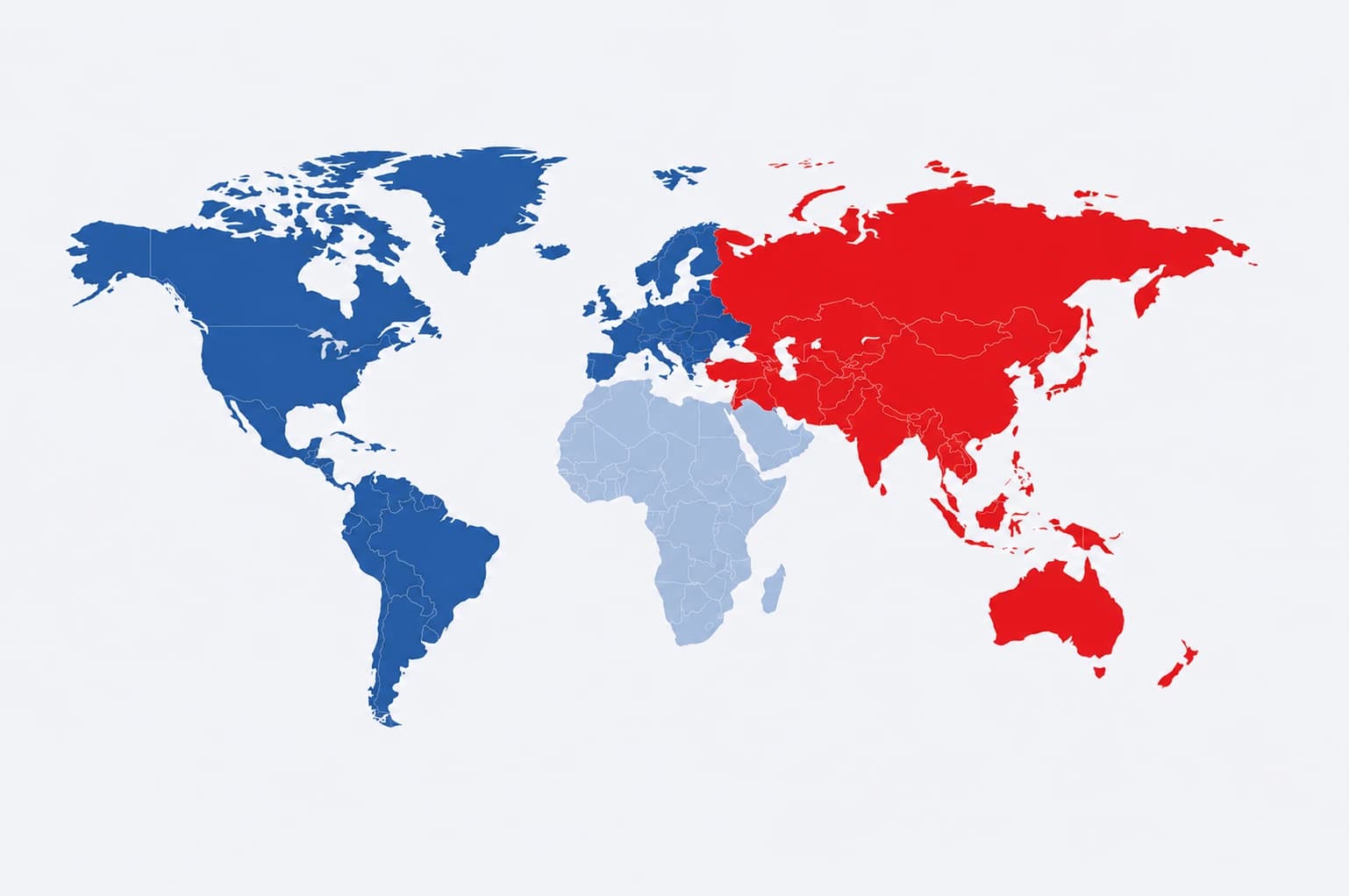
North America represents a major regional market for Data Center Liquid Cooling Fluid Management Services, supported by hyperscale cloud infrastructure, AI computing investment, and an established network of specialized engineering and infrastructure service providers. The United States has developed a relatively diverse supplier ecosystem covering mechanical flushing, coolant testing, filtration, fluid chemistry management, and comprehensive liquid cooling maintenance.Europe is also an important market, supported by data center construction, operational reliability requirements, and established engineering service capabilities. The United Kingdom and other European markets have specialist providers of flushing, fluid treatment, and commissioning services.
Asia-Pacific markets are developing alongside the expansion of AI computing infrastructure and the adoption of liquid cooling technologies. China has an established liquid cooling equipment and system integration supply chain, with service activities increasingly incorporated into system commissioning, testing, maintenance, and lifecycle support offerings. Companies such as Shenzhen Envicool Technology and xFusion Digital Technologies provide related liquid cooling systems and technical service capabilities. In Japan, Hitachi Systems and Yashima Denki have introduced collaborative direct liquid cooling installation, commissioning, and maintenance services, reflecting growing attention to system reliability and operational support. Other Asian markets offer opportunities as liquid cooling deployment expands, although specialized service networks, customer procurement practices, and local technical capabilities vary by country. Regional competition is therefore influenced by engineering expertise, local service coverage, equipment compatibility, and established relationships with data center operators.
This report provides a comprehensive view of the global market for Data Center Liquid Cooling Fluid Management Services, covering total sales revenue, the market share and ranking of key companies, along with analyses by region & country, by Type, and by Application.
The Data Center Liquid Cooling Fluid Management Services market size, estimations, and forecasts are presented in terms of sales revenue ($ millions), with 2025 as the base year and historical and forecast data from 2021 to 2032. The report combines quantitative and qualitative analysis to help readers develop growth strategies, assess the competitive landscape, evaluate their position in the current marketplace, and make informed business decisions regarding Data Center Liquid Cooling Fluid Management Services.
Chapter 1: Introduces the scope of the report and the global market size (value). It also summarizes market dynamics and recent developments; identifies key drivers and restraints; outlines challenges and risks for players; reviews relevant industry policies.
Chapter 2: Provides a detailed analysis of the Data Center Liquid Cooling Fluid Management Services companies' competitive landscape—including revenue shares, recent development plans, and mergers and acquisitions (M&A).
Chapter 3: Analyzes market segmentation by Type, presenting the size and growth potential of each segment to help readers identify blue-ocean opportunities.
Chapter 4: Analyzes market segmentation by Application, presenting the size and growth potential of each downstream segment to help readers identify blue-ocean opportunities.
Chapter 5: Presents Data Center Liquid Cooling Fluid Management Services revenue at the regional level. It offers a quantitative assessment of market size and growth potential by region and summarizes market development, future prospects, addressable space, and country-level market size worldwide.
Chapter 6: Presents Data Center Liquid Cooling Fluid Management Services revenue at the country level. It provides segmented data by Type and by Application for each country/region.
Chapter 7: Profiles key players, detailing the main companies' product revenue, gross margin, product portfolios, recent developments, etc.
Chapter 8: Analysis of Value Chain, including the upstream and downstream of the industry.
- ★ What Is The Overall Market Size And Projected Growth Rate Across Global And Regional Segments?
- ★ How Does The Market Size And Growth Outlook Vary Across Major Countries?
- ★ Which Region Or Market Sub-Segment Is Anticipated To Dominate Growth During The Forecast Period?
- ★ What Are The Primary Factors Expected To Drive Market Expansion, And What Challenges May Restrain Growth?
- ★ Which Emerging Technologies And Market Trends Are Shaping The Future Landscape?
- ★ What Are The Most Significant Opportunities Available In The Market?
- ★ Who Are The Leading Manufacturers Actively Participating In The Global Market?
- ★ Which Company Currently Holds The Largest Share Of The Market?
- ★ What Are The Potential Growth Avenues For New Entrants In The Global Market?