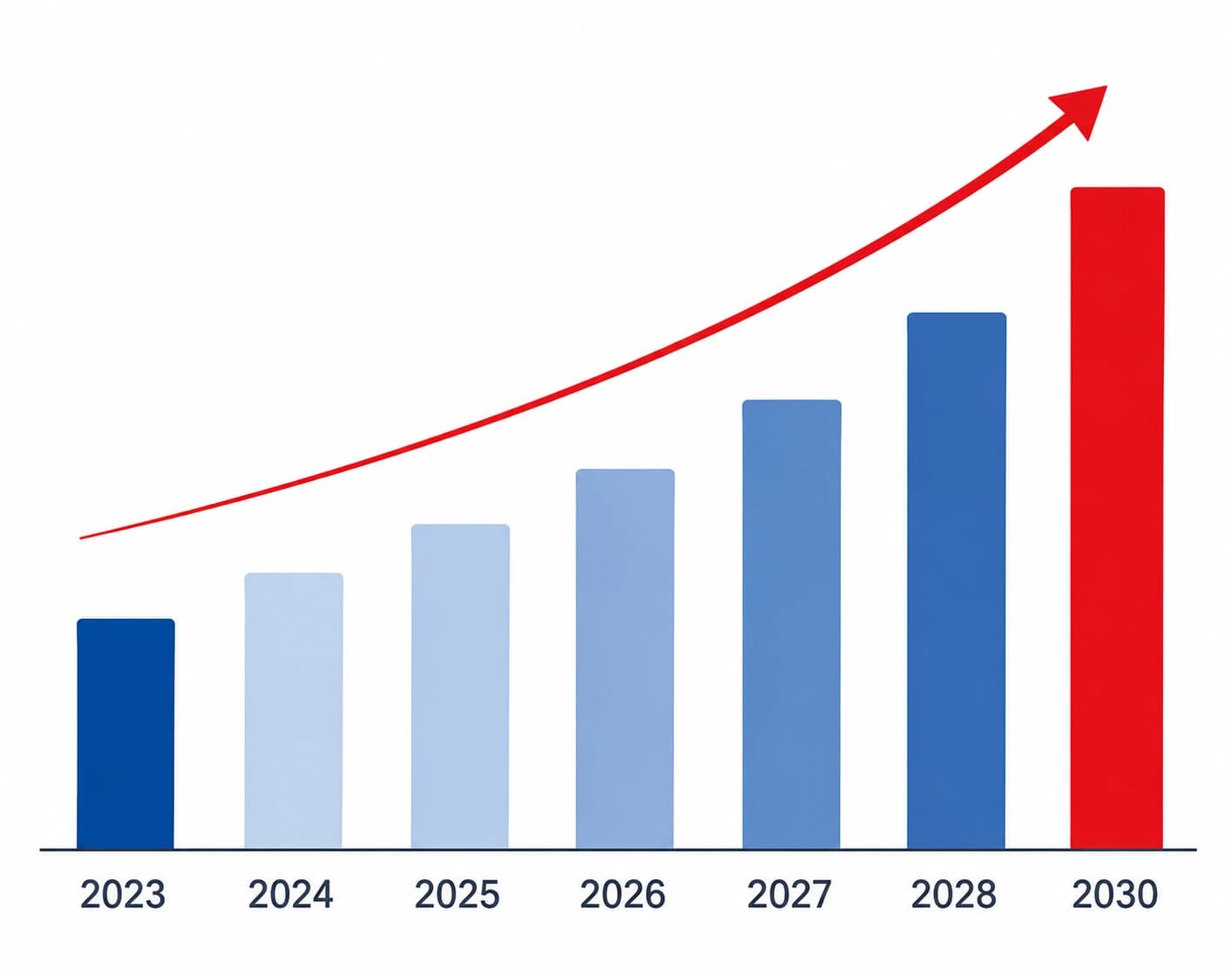
The global Military Gas Turbine market was valued at US$ 3457 million in 2025 and is anticipated to reach US$ 4886 million by 2032, witnessing a CAGR of 5.1% during the forecast period 2026-2032.
In 2024, global military gas turbine production reached 6,371.3 MW, with an average selling price of US$514 per kW. Military gas turbines are high-performance, high-reliability power units designed specifically for military equipment. They continuously burn fuel (jet fuel, diesel, or marine fuel) and compressed air to convert it into high-temperature, high-pressure gas, which drives a turbine and outputs enormous shaft power. These rotating machines feature extremely high power density, excellent acceleration, a high thrust-to-weight ratio, rapid response, strong environmental adaptability, and excellent multi-fuel compatibility, meeting the stringent mobility requirements of modern warfare. They are used in fighter jets and military aircraft, warship propulsion, helicopters, tanks, and unmanned combat vehicles.
Globally, military gas turbines represent a high-entry military industry sector with a relatively small market size but steady growth, driven by geopolitics, defense budgets, and military strategy. Their development is closely tied to naval modernization (especially the construction of destroyers and aircraft carriers), air force aircraft upgrades, and army main combat equipment upgrades in major countries and regions around the world. Military gas turbines are extremely expensive, high-tech products, with unit prices varying significantly depending on model and power. Furthermore, the value of maintenance, overhaul, and parts replacement contracts throughout their lifecycle is astronomical. Market shipments are relatively small, and annual global demand is limited. However, due to its extremely high unit price and indispensable strategic value, the overall market revenue remains very large. The military gas turbine market is firmly controlled by a handful of giants, including GE Vernova, Siemens Energy, and MHPS. Currently, driven by rising global geopolitical tensions and an intensifying arms race, many countries are increasing defense spending, driving the procurement and replacement of naval vessels and advanced fighter jets. As a result, the military gas turbine market is maintaining steady growth.
This report aims to provide a comprehensive presentation of the global market for Military Gas Turbine, with both quantitative and qualitative analysis, to help readers develop business/growth strategies, assess the market competitive situation, analyze their position in the current marketplace, and make informed business decisions regarding Military Gas Turbine.
The Military Gas Turbine market size, estimations, and forecasts are provided in terms of sales quantity (MW) and revenue ($ millions), considering 2025 as the base year, with history and forecast data for the period from 2021 to 2032. This report segments the global Military Gas Turbine market comprehensively. Regional market sizes, concerning products by Type, by Application, and by players, are also provided.
For a more in-depth understanding of the market, the report provides profiles of the competitive landscape, key competitors, and their respective market ranks. The report also discusses technological trends and new product developments.
The report will help the Military Gas Turbine manufacturers, new entrants, and industry chain related companies in this market with information on the revenues, sales, and average price for the overall market and the sub-segments across the different segments, by company, by Type, by Application, and by regions.
Chapter 1: Introduces the report scope of the report, executive summary of different market segments (by region, product type, application, etc), including the market size of each market segment, future development potential, and so on. It offers a high-level view of the current state of the market and its likely evolution in the short to mid-term, and long term.
Chapter 2: key insights, key emerging trends, etc.
Chapter 3: Manufacturers competitive analysis, detailed analysis of Military Gas Turbine manufacturers competitive landscape, price, sales and revenue market share, latest development plan, merger, and acquisition information, etc.
Chapter 4: Provides profiles of key players, introducing the basic situation of the main companies in the market in detail, including product sales, revenue, price, gross margin, product introduction, recent development, etc.
Chapter 5 & 6: Sales, revenue of Military Gas Turbine in regional level and country level. It provides a quantitative analysis of the market size and development potential of each region and its main countries and introduces the market development, future development prospects, market space, and market size of each country in the world.
Chapter 7: Provides the analysis of various market segments by Type, covering the market size and development potential of each market segment, to help readers find the blue ocean market in different market segments.
Chapter 8: Provides the analysis of various market segments by Application, covering the market size and development potential of each market segment, to help readers find the blue ocean market in different downstream markets.
Chapter 9: Analysis of industrial chain, including the upstream and downstream of the industry.
Chapter 10: The main points and conclusions of the report.
- ★ What Is The Overall Market Size And Projected Growth Rate Across Global And Regional Segments?
- ★ How Does The Market Size And Growth Outlook Vary Across Major Countries?
- ★ Which Region Or Market Sub-Segment Is Anticipated To Dominate Growth During The Forecast Period?
- ★ What Are The Primary Factors Expected To Drive Market Expansion, And What Challenges May Restrain Growth?
- ★ Which Emerging Technologies And Market Trends Are Shaping The Future Landscape?
- ★ What Are The Most Significant Opportunities Available In The Market?
- ★ Who Are The Leading Manufacturers Actively Participating In The Global Market?
- ★ Which Company Currently Holds The Largest Share Of The Market?
- ★ What Are The Potential Growth Avenues For New Entrants In The Global Market?