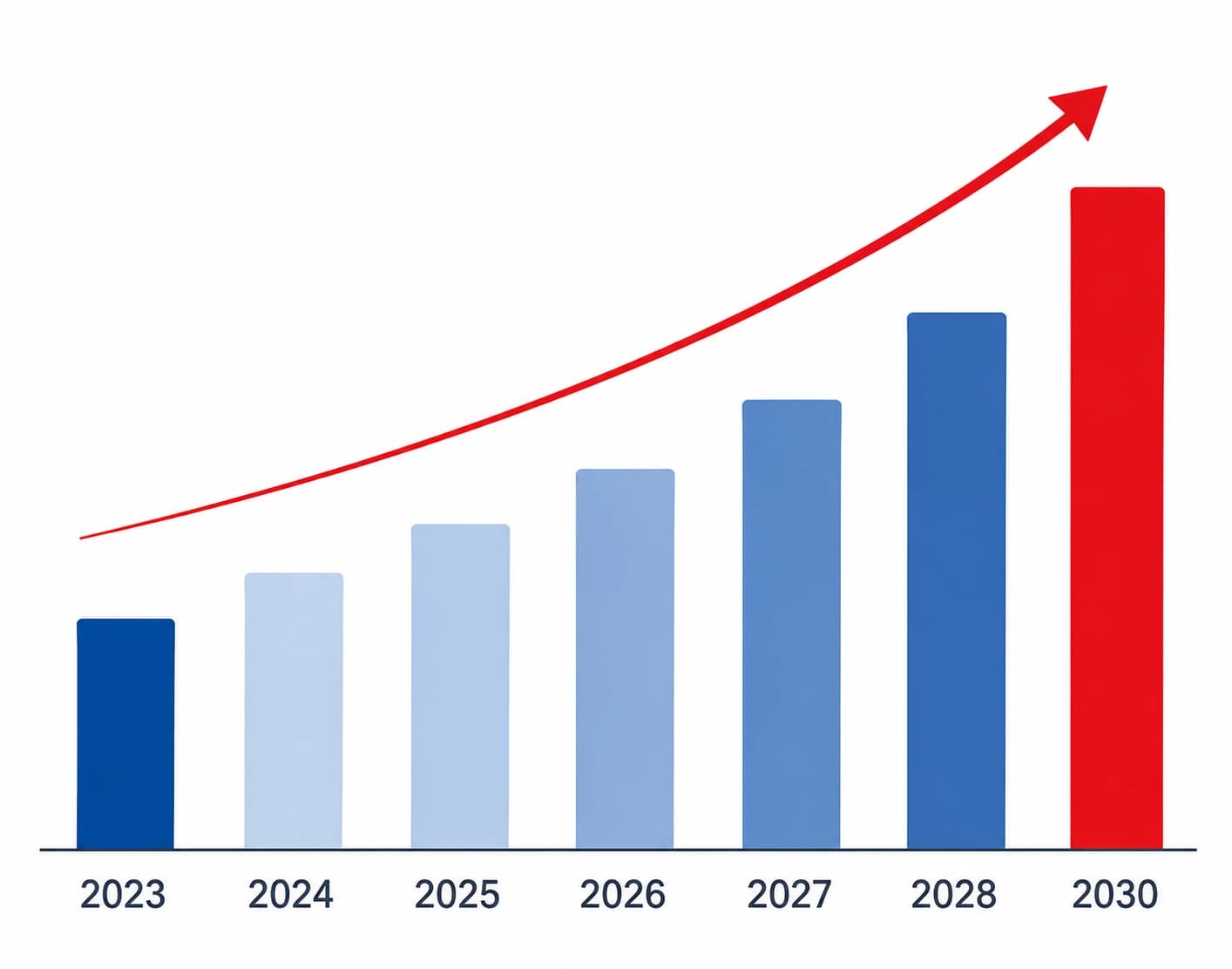
The global Silicon Interposer for HBM market was valued at US$ 3507 million in 2025 and is anticipated to reach US$ 10044 million by 2032, witnessing a CAGR of 12.3% during the forecast period 2026-2032.
HBM silicon interposers are silicon-based high-density interconnect carriers for high-bandwidth memory packaging, providing routing density, electrical performance, and system-level integration capabilities far superior to those of traditional organic substrates between logic dies and multiple HBM stacks, thereby organizing discrete computing and memory units into a high-performance heterogeneous system that can operate collaboratively at the package level. Unlike ordinary package substrates, HBM silicon interposers typically rely on through-silicon vias, back-end high-density routing, micro-bump interconnections, and large-area interconnect layouts to achieve ultra-wide I/O, high bandwidth, low latency, and relatively favorable power efficiency. As a key part of 2.5D advanced packaging platforms, HBM silicon interposers can support AI training chips, inference accelerators, high-end GPUs, HPC processors, and high-performance networking chips in achieving tight coupling of logic and HBM within a single package.
HBM silicon interposers serve as a foundational platform for high-end computing systems, with their direct mission being to resolve the increasingly acute structural contradictions among die size, memory bandwidth, power density, signal integrity, and thermal management in large compute chips. In terms of technological evolution, this product has progressed from earlier standard side-by-side 2.5D packaging to larger-format silicon interposers, higher HBM counts, more complex logic die configurations, and extended approaches such as hybrid substrates and local bridging. TSMC’s official materials show that the CoWoS platform already supports interposers larger than 2x reticle size and integration of more than four HBM stacks, while CoWoS-S further extends capability boundaries to approximately 3.3x reticle size and around 2,700 square millimeters. Samsung, meanwhile, is advancing four-HBM, eight-HBM, and even larger package-scale solutions through I-Cube4, I-CubeS 8, and H-Cube, respectively. In December 2025, Micron raised its estimate for the 2025 total addressable market for HBM to approximately USD 35 billion and projected that it would reach around USD 100 billion by 2028. TSMC also stated in its first-quarter 2025 earnings call that AI accelerator revenue would double in 2025 and that it was working to double CoWoS capacity within the year. This indicates that the premium demand base supporting the HBM silicon interposer market remains in a strong expansion phase. The HBM silicon interposer market is simultaneously constrained by upstream manufacturing capacity and driven by downstream AI infrastructure demand. Upstream, it depends on coordination across advanced logic foundry processes, through-silicon vias, fine-pitch routing, micro-bumps, advanced substrates, thermal management materials, and packaging and testing capabilities. Capacity bottlenecks or yield limitations in any one of these links can directly increase delivery costs and delay volume ramp-up. Downstream, cloud service providers, large-model training clusters, high-end GPUs, and switching-chip platforms represent the most important sources of demand. The stronger the capital expenditure cycle in AI data centers, the more directly HBM and advanced packaging demand is stimulated. In terms of international policy, the United States has, on one hand, committed USD 1.4 billion under the CHIPS Act’s National Advanced Packaging Manufacturing Program to promote domestic advanced packaging capacity, while on the other hand, it has continued to tighten export controls on HBM and related advanced computing items through BIS measures and Federal Register rules. This gives the product both an industrial-policy support dimension and a geopolitical restriction dimension. The Chinese market, by contrast, is characterized by the parallel development of policy support and import substitution. State policies for promoting the integrated circuit industry continue to provide support for advanced packaging and testing enterprises in areas such as imported equipment and materials, while the National Development and Reform Commission continued in 2025 to organize applications for tax incentives for integrated circuit enterprises. Together, these factors have increased the certainty of investment in China’s advanced packaging segment and indicate that HBM silicon interposer capabilities will continue to sit at the intersection of international competition and domestic supply-chain localization. Looking ahead, in terms of pricing, short-term price levels are likely to remain relatively firm because large-format silicon interposers, TSV processes, fine-pitch routing, and packaging yield remain scarce, while AI customers are more sensitive to delivery schedules than to marginal packaging costs. However, as larger package formats are gradually diverted toward hybrid-substrate and local silicon-bridge approaches, pure silicon interposer products are likely to develop a more stratified pricing structure based on area, HBM count, and process complexity. In terms of output, TSMC clearly stated in 2025 that it would double CoWoS capacity, while Reuters reported in January and April 2026 that SK hynix was accelerating new fab ramp-up and increasing investment in advanced packaging, indicating that the supply side is expanding in parallel with the broader HBM ecosystem. Overall, HBM silicon interposers are likely to show a combined trend of a high price center, continuously rising output, and market growth outpacing that of traditional packaging.
This report aims to provide a comprehensive presentation of the global market for Silicon Interposer for HBM, with both quantitative and qualitative analysis, to help readers develop business/growth strategies, assess the market competitive situation, analyze their position in the current marketplace, and make informed business decisions regarding Silicon Interposer for HBM.
The Silicon Interposer for HBM market size, estimations, and forecasts are provided in terms of sales quantity (K Pcs) and revenue ($ millions), considering 2025 as the base year, with history and forecast data for the period from 2021 to 2032. This report segments the global Silicon Interposer for HBM market comprehensively. Regional market sizes, concerning products by Logic Die Count Configuration, by Application, and by players, are also provided.
For a more in-depth understanding of the market, the report provides profiles of the competitive landscape, key competitors, and their respective market ranks. The report also discusses technological trends and new product developments.
The report will help the Silicon Interposer for HBM manufacturers, new entrants, and industry chain related companies in this market with information on the revenues, sales, and average price for the overall market and the sub-segments across the different segments, by company, by Logic Die Count Configuration, by Application, and by regions.
Chapter 1: Introduces the report scope of the report, executive summary of different market segments (by region, product type, application, etc), including the market size of each market segment, future development potential, and so on. It offers a high-level view of the current state of the market and its likely evolution in the short to mid-term, and long term.
Chapter 2: key insights, key emerging trends, etc.
Chapter 3: Manufacturers competitive analysis, detailed analysis of Silicon Interposer for HBM manufacturers competitive landscape, price, sales and revenue market share, latest development plan, merger, and acquisition information, etc.
Chapter 4: Provides profiles of key players, introducing the basic situation of the main companies in the market in detail, including product sales, revenue, price, gross margin, product introduction, recent development, etc.
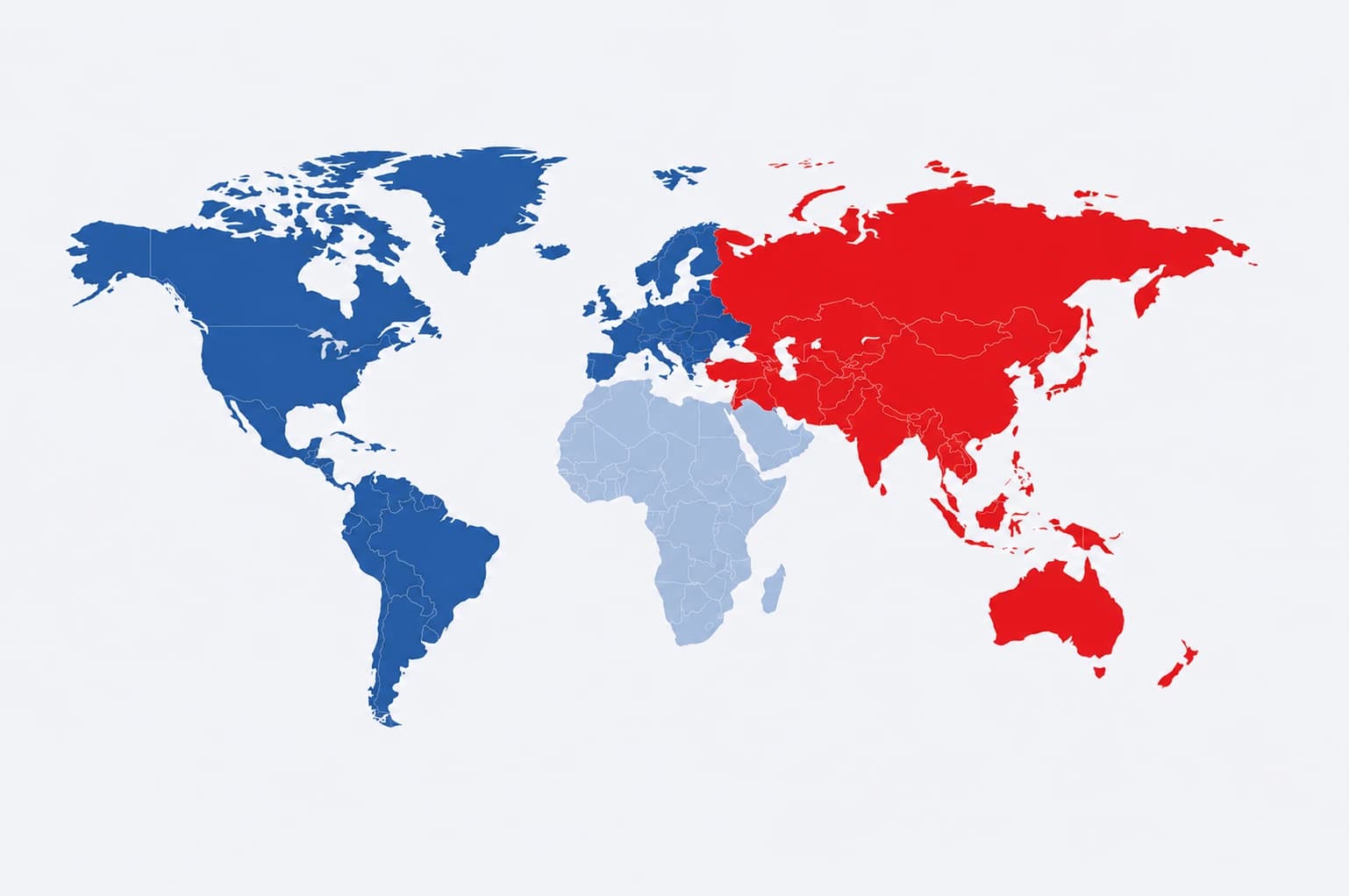
Chapter 5 & 6: Sales, revenue of Silicon Interposer for HBM in regional level and country level. It provides a quantitative analysis of the market size and development potential of each region and its main countries and introduces the market development, future development prospects, market space, and market size of each country in the world.
Chapter 7: Provides the analysis of various market segments by Logic Die Count Configuration, covering the market size and development potential of each market segment, to help readers find the blue ocean market in different market segments.
Chapter 8: Provides the analysis of various market segments by Application, covering the market size and development potential of each market segment, to help readers find the blue ocean market in different downstream markets.
Chapter 9: Analysis of industrial chain, including the upstream and downstream of the industry.
Chapter 10: The main points and conclusions of the report.
- ★ What Is The Overall Market Size And Projected Growth Rate Across Global And Regional Segments?
- ★ How Does The Market Size And Growth Outlook Vary Across Major Countries?
- ★ Which Region Or Market Sub-Segment Is Anticipated To Dominate Growth During The Forecast Period?
- ★ What Are The Primary Factors Expected To Drive Market Expansion, And What Challenges May Restrain Growth?
- ★ Which Emerging Technologies And Market Trends Are Shaping The Future Landscape?
- ★ What Are The Most Significant Opportunities Available In The Market?
- ★ Who Are The Leading Manufacturers Actively Participating In The Global Market?
- ★ Which Company Currently Holds The Largest Share Of The Market?
- ★ What Are The Potential Growth Avenues For New Entrants In The Global Market?