The exhaust flexible joint is a flexible pipe connected to the engine exhaust system. It is usually located between the exhaust pipe and the muffler, used to connect the two parts and provide a certain degree of flexibility. The main function of the exhaust flexible joint is to reduce vibration and noise in the exhaust system and allow for relative movement between the engine and the exhaust system. Due to the vibration and thermal expansion generated by the engine during operation, the exhaust flexible joint can absorb and reduce the impact of these vibrations and thermal expansion on the exhaust system through its flexible design and materials. Exhaust flexible joints are usually made of stainless steel or iron materials and have characteristics of high temperature resistance and corrosion resistance. Its structure generally consists of an inner corrugated pipe, an outer mesh sleeve, and flange connections at both ends. The inner corrugated pipe has a certain degree of flexibility, which can stretch and twist during engine vibration and thermal expansion, while the outer mesh sleeve serves as protection and reinforcement.
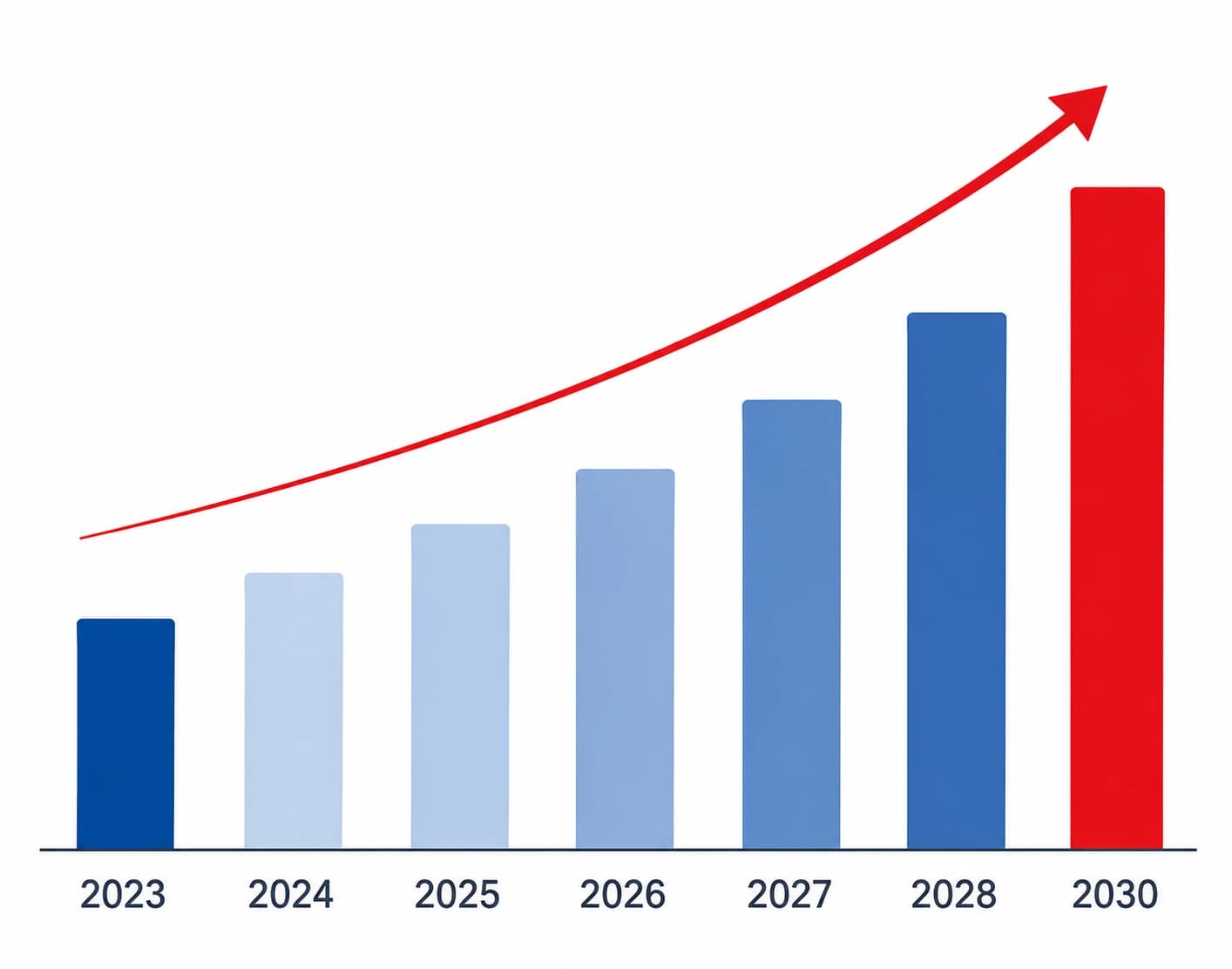
The global Exhaust Flexible Connectors market was valued at US$ million in 2023 and is anticipated to reach US$ million by 2030, witnessing a CAGR of %during the forecast period 2024-2030.
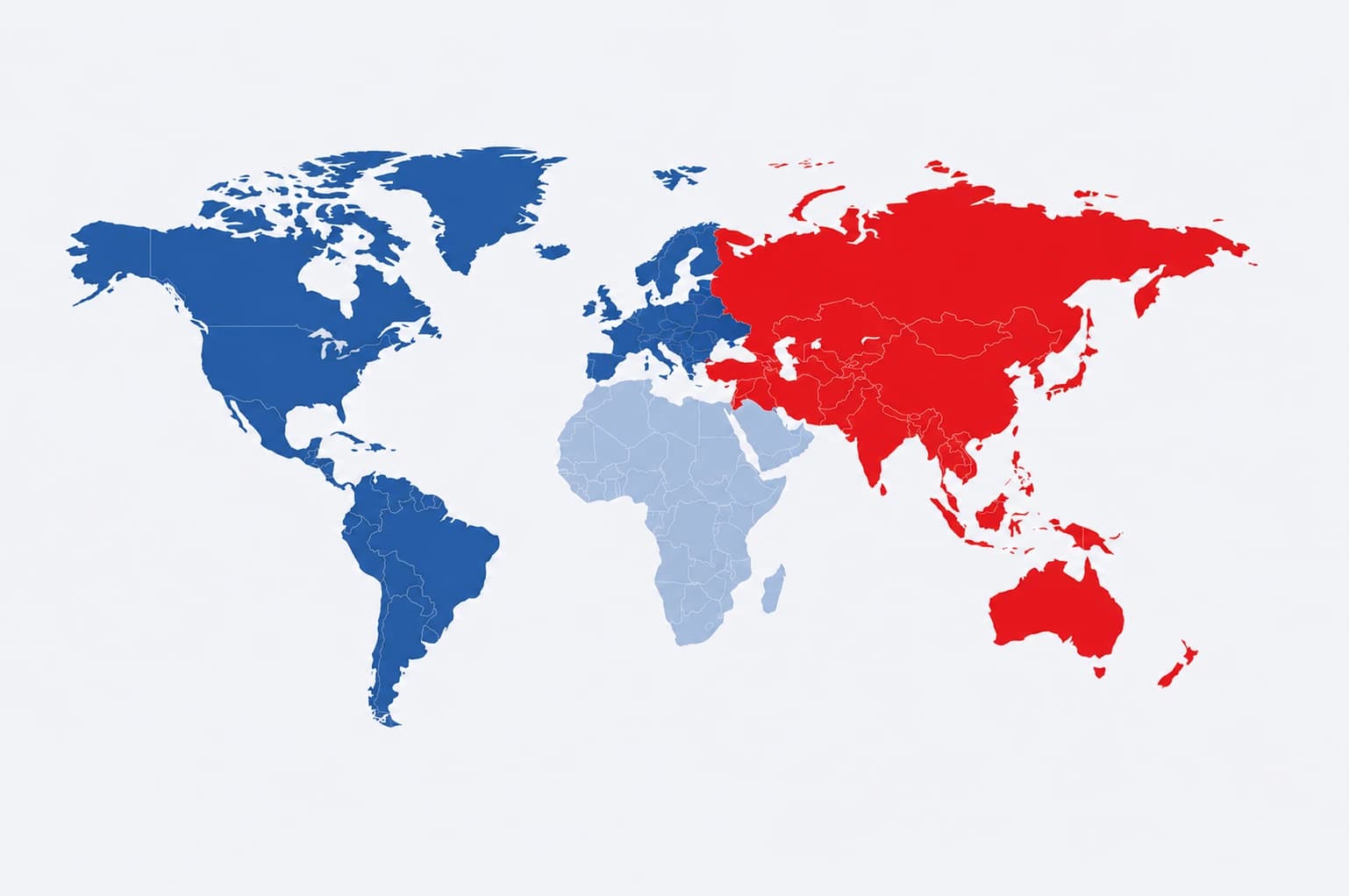
North American market for Exhaust Flexible Connectors is estimated to increase from $ million in 2023 to reach $ million by 2030, at a CAGR of % during the forecast period of 2024 through 2030.
Asia-Pacific market for Exhaust Flexible Connectors is estimated to increase from $ million in 2023 to reach $ million by 2030, at a CAGR of % during the forecast period of 2024 through 2030.
The major global manufacturers of Exhaust Flexible Connectors include Senior Flexonics, Innovative Exhaust Solutions, Walker, DME, MIRATECH, Ocelflex Industries, PisaFlex, EPE, Hosemann, Kelco Industries, etc. In 2023, the world's top three vendors accounted for approximately % of the revenue.
This report aims to provide a comprehensive presentation of the global market for Exhaust Flexible Connectors, with both quantitative and qualitative analysis, to help readers develop business/growth strategies, assess the market competitive situation, analyze their position in the current marketplace, and make informed business decisions regarding Exhaust Flexible Connectors.
The Exhaust Flexible Connectors market size, estimations, and forecasts are provided in terms of sales quantity (K Units) and revenue ($ millions), considering 2023 as the base year, with history and forecast data for the period from 2019 to 2030. This report segments the global Exhaust Flexible Connectors market comprehensively. Regional market sizes, concerning products by Type, by Application, and by players, are also provided.
For a more in-depth understanding of the market, the report provides profiles of the competitive landscape, key competitors, and their respective market ranks. The report also discusses technological trends and new product developments.
The report will help the Exhaust Flexible Connectors manufacturers, new entrants, and industry chain related companies in this market with information on the revenues, sales, and average price for the overall market and the sub-segments across the different segments, by company, by Type, by Application, and by regions.
Chapter 1: Introduces the report scope of the report, executive summary of different market segments (by region, product type, application, etc), including the market size of each market segment, future development potential, and so on. It offers a high-level view of the current state of the market and its likely evolution in the short to mid-term, and long term.
Chapter 2: key insights, key emerging trends, etc.
Chapter 3: Manufacturers competitive analysis, detailed analysis of Exhaust Flexible Connectors manufacturers competitive landscape, price, sales and revenue market share, latest development plan, merger, and acquisition information, etc.
Chapter 4: Provides profiles of key players, introducing the basic situation of the main companies in the market in detail, including product sales, revenue, price, gross margin, product introduction, recent development, etc.
Chapter 5 & 6: Sales, revenue of Exhaust Flexible Connectors in regional level and country level. It provides a quantitative analysis of the market size and development potential of each region and its main countries and introduces the market development, future development prospects, market space, and market size of each country in the world.
Chapter 7: Provides the analysis of various market segments by Type, covering the market size and development potential of each market segment, to help readers find the blue ocean market in different market segments.
Chapter 8: Provides the analysis of various market segments by Application, covering the market size and development potential of each market segment, to help readers find the blue ocean market in different downstream markets.
Chapter 9: Analysis of industrial chain, including the upstream and downstream of the industry.
Chapter 10: The main points and conclusions of the report.
- ★ What Is The Overall Market Size And Projected Growth Rate Across Global And Regional Segments?
- ★ How Does The Market Size And Growth Outlook Vary Across Major Countries?
- ★ Which Region Or Market Sub-Segment Is Anticipated To Dominate Growth During The Forecast Period?
- ★ What Are The Primary Factors Expected To Drive Market Expansion, And What Challenges May Restrain Growth?
- ★ Which Emerging Technologies And Market Trends Are Shaping The Future Landscape?
- ★ What Are The Most Significant Opportunities Available In The Market?
- ★ Who Are The Leading Manufacturers Actively Participating In The Global Market?
- ★ Which Company Currently Holds The Largest Share Of The Market?
- ★ What Are The Potential Growth Avenues For New Entrants In The Global Market?