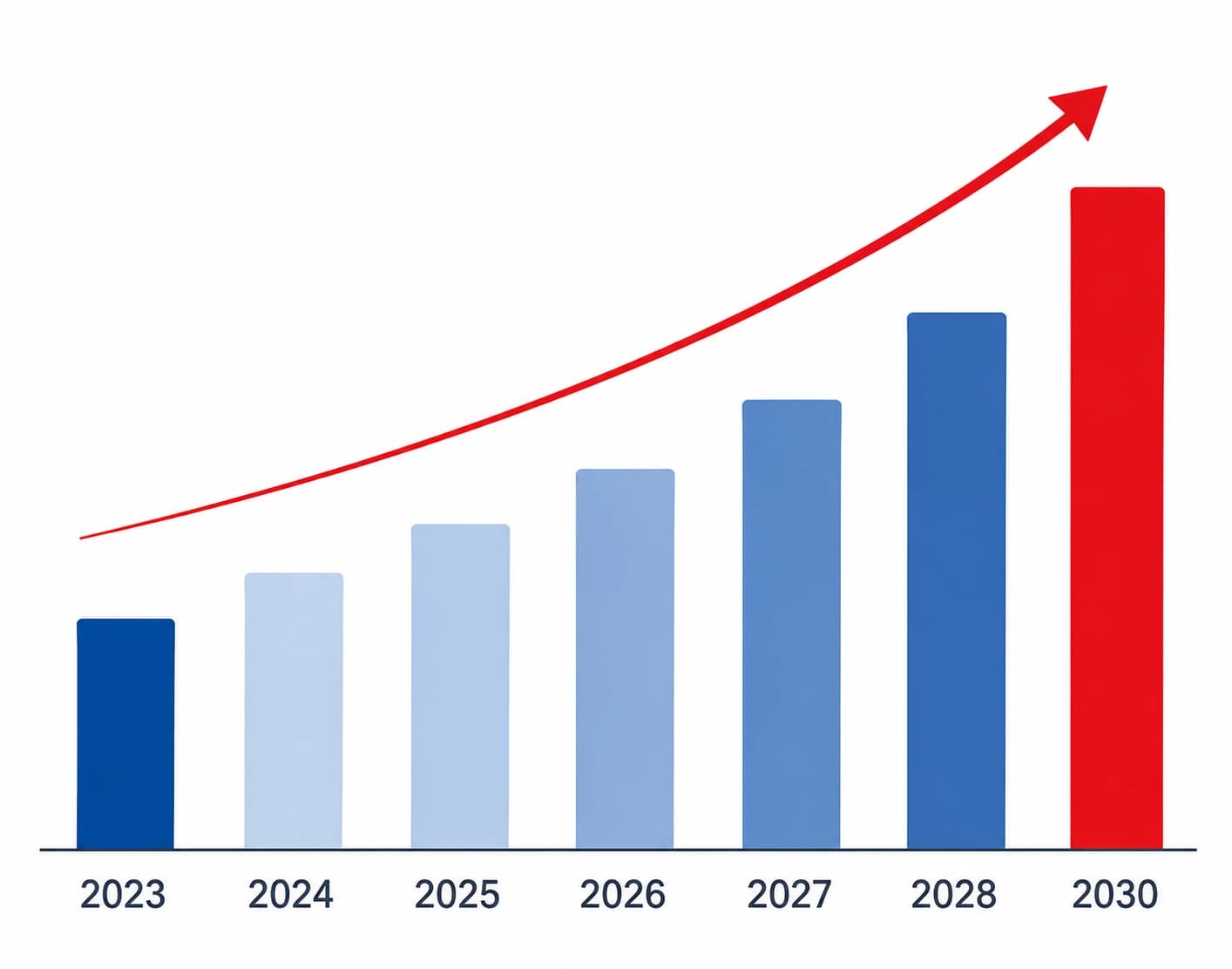
The global Marine Green Methanol market was valued at US$ 132 million in 2025 and is anticipated to reach US$ 1136 million by 2032, witnessing a CAGR of 36.0% during the forecast period 2026-2032.
Marine Green Methanol is low-lifecycle-greenhouse-gas methanol produced from sustainable biomass, biogas, biomethane, renewable hydrogen and sustainably sourced carbon dioxide. It must meet applicable marine-fuel quality requirements, including ISO 6583:2024, and may be used in marine dual-fuel engines, auxiliary engines or fuel-cell systems. Its chemical composition is identical to that of conventional methanol. Its green attributes arise from renewable feedstocks, production energy, lifecycle carbon intensity and certified chain-of-custody arrangements rather than from a distinct chemical composition.
The market scope includes physically segregated or properly accounted bio-methanol, e-methanol and hybrid bio-e-methanol that is actually supplied into the marine-fuel value chain. A mass-balance product is included only when the corresponding renewable attributes are explicitly allocated to marine fuel and satisfy applicable certification requirements. The scope excludes coal-based or natural-gas-based grey methanol, fossil-derived low-carbon methanol that does not qualify as renewable or near-zero-emission fuel, and biomass-balanced methanol sold solely as chemical feedstock.
Global Marine Green Methanol shipments are projected to reach approximately 120,000 tons in 2025, with an FOB equivalent price of approximately US$1,100 per ton and a production gross margin of approximately 20% to 35%.
Marine Green Methanol is moving from single-vessel demonstrations, limited port bunkering and corporate decarbonization purchases toward fleet-level fuel contracts and regional supply networks. Methanol is liquid under ambient conditions and can use modified liquid-fuel tanks, transport vessels and port infrastructure, giving it more mature storage and handling characteristics than liquid hydrogen or ammonia. Tightening lifecycle greenhouse gas requirements under FuelEU Maritime and increasing orders for methanol dual-fuel container ships, chemical tankers, product tankers and feeder vessels are supporting demand. Long-term offtake agreements are becoming critical to project financing and are integrating renewable feedstock, hydrogen, methanol synthesis, certification, transportation and bunkering operations.
Expansion remains constrained by high green-fuel premiums, insufficient qualified supply and low project realization rates. Methanol has substantially lower energy density than conventional marine fuel and therefore requires higher physical consumption and larger onboard storage capacity for an equivalent voyage. Bio-methanol is constrained by sustainable biomass and biomethane availability, while e-methanol depends on low-cost renewable electricity, high electrolyser utilization, stable hydrogen supply and eligible carbon dioxide. Differences among certification systems regarding feedstock eligibility, chain of custody and lifecycle accounting add complexity. Uncertainty surrounding the implementation timetable of a globally harmonized maritime decarbonization mechanism may also cause announced projects to be delayed, reduced or cancelled.
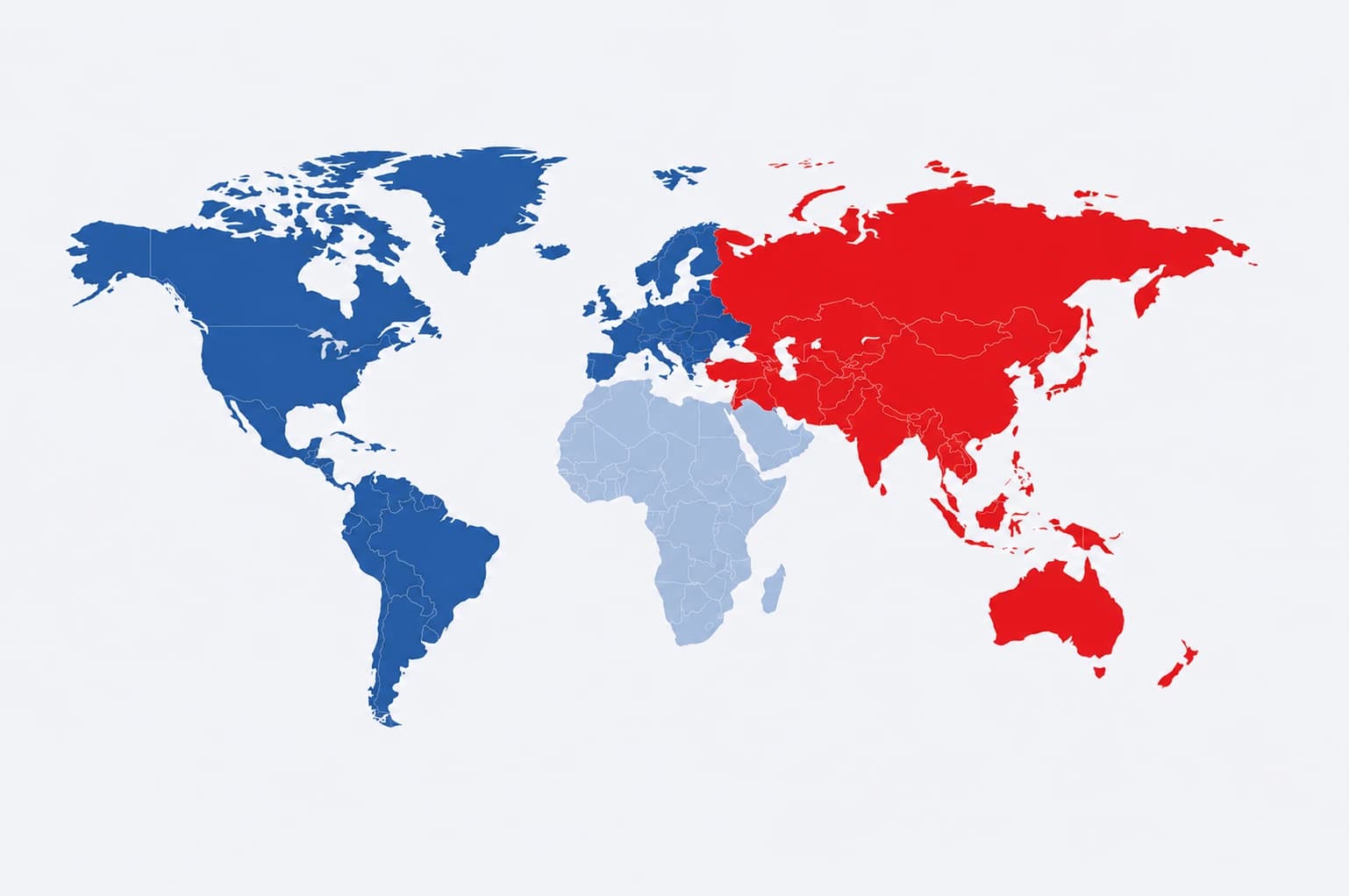
Large container vessels are expected to remain the principal near-term demand segment. Chemical and product tankers have an additional advantage because their operators already possess methanol handling, storage and transportation experience. Vehicle carriers, feeder vessels, roll-on/roll-off ships, bulk carriers and selected passenger vessels are expected to increase adoption as engine availability and port infrastructure improve. Northwest Europe, Singapore, Shanghai, Ningbo-Zhoushan, South Korea and Japan are positioned as major bunkering nodes, while renewable-resource regions in China, Northern Europe and North America are emerging as production centres. Future competitive advantage will depend on verifiable lifecycle emission reduction, stable low-cost feedstocks, long-term shipowner contracts, cross-regional logistics and access to major bunkering ports.
This report aims to provide a comprehensive presentation of the global market for Marine Green Methanol, with both quantitative and qualitative analysis, to help readers develop business/growth strategies, assess the market competitive situation, analyze their position in the current marketplace, and make informed business decisions regarding Marine Green Methanol.
The Marine Green Methanol market size, estimations, and forecasts are provided in terms of sales quantity (Kilotons) and revenue ($ millions), considering 2025 as the base year, with history and forecast data for the period from 2021 to 2032. This report segments the global Marine Green Methanol market comprehensively. Regional market sizes, concerning products by Type, by Application, and by players, are also provided.
For a more in-depth understanding of the market, the report provides profiles of the competitive landscape, key competitors, and their respective market ranks. The report also discusses technological trends and new product developments.
The report will help the Marine Green Methanol manufacturers, new entrants, and industry chain related companies in this market with information on the revenues, sales, and average price for the overall market and the sub-segments across the different segments, by company, by Type, by Application, and by regions.
Chapter 1: Introduces the report scope of the report, executive summary of different market segments (by region, product type, application, etc), including the market size of each market segment, future development potential, and so on. It offers a high-level view of the current state of the market and its likely evolution in the short to mid-term, and long term.
Chapter 2: key insights, key emerging trends, etc.
Chapter 3: Manufacturers competitive analysis, detailed analysis of Marine Green Methanol manufacturers competitive landscape, price, sales and revenue market share, latest development plan, merger, and acquisition information, etc.
Chapter 4: Provides profiles of key players, introducing the basic situation of the main companies in the market in detail, including product sales, revenue, price, gross margin, product introduction, recent development, etc.
Chapter 5 & 6: Sales, revenue of Marine Green Methanol in regional level and country level. It provides a quantitative analysis of the market size and development potential of each region and its main countries and introduces the market development, future development prospects, market space, and market size of each country in the world.
Chapter 7: Provides the analysis of various market segments by Type, covering the market size and development potential of each market segment, to help readers find the blue ocean market in different market segments.
Chapter 8: Provides the analysis of various market segments by Application, covering the market size and development potential of each market segment, to help readers find the blue ocean market in different downstream markets.
Chapter 9: Analysis of industrial chain, including the upstream and downstream of the industry.
Chapter 10: The main points and conclusions of the report.
- ★ What Is The Overall Market Size And Projected Growth Rate Across Global And Regional Segments?
- ★ How Does The Market Size And Growth Outlook Vary Across Major Countries?
- ★ Which Region Or Market Sub-Segment Is Anticipated To Dominate Growth During The Forecast Period?
- ★ What Are The Primary Factors Expected To Drive Market Expansion, And What Challenges May Restrain Growth?
- ★ Which Emerging Technologies And Market Trends Are Shaping The Future Landscape?
- ★ What Are The Most Significant Opportunities Available In The Market?
- ★ Who Are The Leading Manufacturers Actively Participating In The Global Market?
- ★ Which Company Currently Holds The Largest Share Of The Market?
- ★ What Are The Potential Growth Avenues For New Entrants In The Global Market?