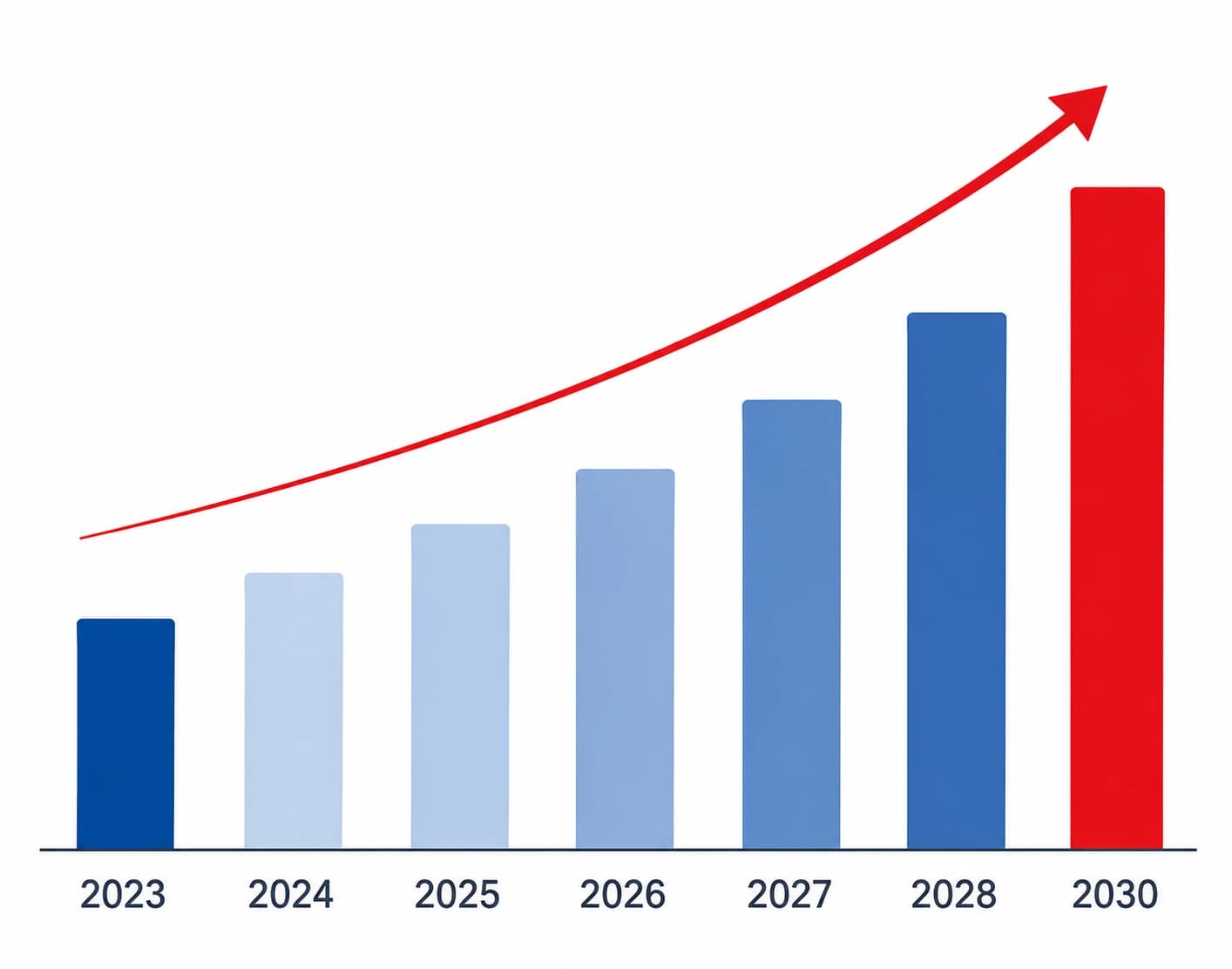
The global MOCVD Equipment and After Sales market was valued at US$ 628 million in 2025 and is anticipated to reach US$ 1121 million by 2032, witnessing a CAGR of 8.3% during the forecast period 2026-2032.
MOCVD Equipment and After Sales refers to the integrated toolsets used for epitaxial film growth via metal-organic chemical vapor deposition and the recurring post-installation revenue items tied to the delivered tool base. MOCVD equipment is deployed to grow epitaxial layers on specified substrates and typically comprises the reactor and chamber, gas and metal-organic precursor delivery and switching, wafer handling and heating/temperature control, pressure and flow control, vacuum and exhaust treatment, in-situ monitoring and process control software, safety interlocks, and abatement systems, enabling stable and controllable key epitaxy metrics such as thickness, composition, doping, and uniformity. After-sales covers tool-related spare parts and consumables, maintenance and repairs, on-site support, software and hardware upgrades/retrofits, process support and performance tuning, calibration and acceptance services, as well as remote diagnostics and operational support, spanning the full lifecycle of the installed equipment and monetizing long-term serviceability and performance.
The MOCVD Equipment and After-Sales market sits within the critical-tool segment for compound semiconductors and advanced thin-film processes. It is typically characterized by small-batch manufacturing, high process barriers, and stringent qualification requirements, while the presence of an installed-base aftermarket creates a dual-cycle profile: project-driven volatility in new tool orders alongside comparatively steadier recurring service revenue. On the demand side, growth is driven by epitaxy capacity expansion, platform iteration, and yield ramp-up. Tool procurement behaves more like a process-introduction and platform-continuation decision than a simple replacement of standardized equipment. After-sales demand is anchored by installed base size, utilization rate, and process stabilization, translating into sustained spending on critical spares and consumables, maintenance, calibration and acceptance, upgrades/retrofits, and process support, which can partially offset the cyclicality of new tool shipments.
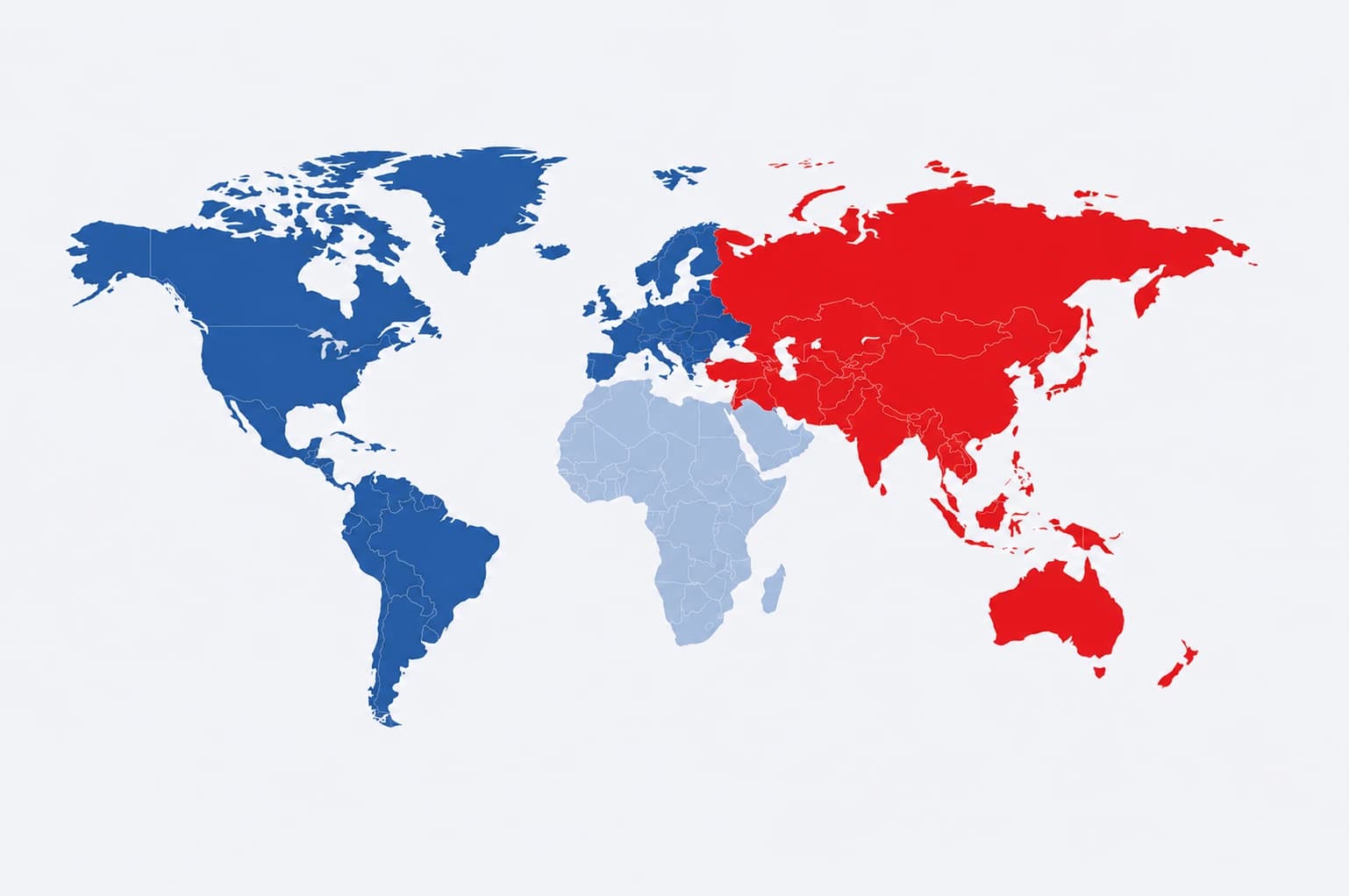
From a regional perspective, demand tends to concentrate in clusters with more active epitaxy manufacturing and stronger ecosystem support, forming a dual-engine structure in which manufacturing sites drive mass-production platform deployments and spare-parts consumption, while R&D centers pull platform upgrades and higher-value process services. As customers replicate lines across multiple sites, localized delivery capability, service-network coverage, and the speed and reliability of spare-parts warehousing and logistics become increasingly important. From a product-structure perspective, the market can be tiered by substrate material system, wafer-size platform, reactor architecture and wafer-motion scheme, level of automation, and the configuration of in-situ monitoring and process control. R&D and pilot environments prioritize recipe flexibility, fast changeover, and process-window exploration, whereas volume manufacturing prioritizes particle/defect control, repeatability, uptime, and lot-to-lot consistency. As applications migrate from development to production, customers often continue on the same platform to reduce re-qualification costs, reinforcing aftermarket stickiness.
In terms of application structure, MOCVD tools primarily serve epitaxy needs for LEDs, power and RF devices, lasers/VCSELs, optical communications, and related markets, and are extending toward advanced optoelectronic and photonic devices that require tighter uniformity, lower defect density, and stricter doping control. The fundamental value logic centers on cost per good die and stable, replicable process capability. In R&D, value is reflected in explorability and iteration efficiency; in production, value is reflected in sustained reduction of defects and particles, improved operational stability, lower total cost enabled by automation and closed-loop control, and reduced unplanned downtime and yield volatility through digital operations.
From a cost-structure perspective, value and cost are concentrated in modules such as the reactor and thermal management, gas and metal-organic precursor delivery and switching, pressure and flow control, vacuum and exhaust treatment, safety interlocks and abatement, and process control software and in-situ monitoring. Critical chamber parts, thermal and flow-control systems, and safety/abatement units often determine both performance and delivery cost. After-sales revenue is generated through spare parts and consumables, maintenance and repairs, on-site support, software and hardware upgrades/retrofits, process support and performance tuning, calibration and acceptance services, and remote diagnostics and operational support. Profit formation relies more on a combination of system-level premium, commissioning and delivery capability, and the stickiness of spares and O&M services than on scale manufacturing alone. Overall, the competitive landscape tends to be highly concentrated with high switching costs. Barriers to entry arise not only from process-consistency and reliability validation, but also from service coverage, spare-parts availability, and safety and compliance systems. Looking ahead, the industry will continue to evolve toward higher automation, stronger in-situ monitoring, lower particles and defects, higher uptime, and more digitalized operations and predictive maintenance, using data closed loops to improve lot-to-lot stability and strengthen platform-based customer lock-in.
This report aims to provide a comprehensive presentation of the global market for MOCVD Equipment and After Sales, with both quantitative and qualitative analysis, to help readers develop business/growth strategies, assess the market competitive situation, analyze their position in the current marketplace, and make informed business decisions regarding MOCVD Equipment and After Sales.
The MOCVD Equipment and After Sales market size, estimations, and forecasts are provided in terms of revenue ($ millions), considering 2025 as the base year, with history and forecast data for the period from 2021 to 2032. This report segments the global MOCVD Equipment and After Sales market comprehensively. Regional market sizes, concerning products by Type, by Application, and by players, are also provided.
For a more in-depth understanding of the market, the report provides profiles of the competitive landscape, key competitors, and their respective market ranks. The report also discusses technological trends and new product developments.
The report will help the MOCVD Equipment and After Sales manufacturers, new entrants, and industry chain related companies in this market with information on the revenues for the overall market and the sub-segments across the different segments, by company, by Type, by Application, and by regions.
Chapter 1: Introduces the report scope of the report, executive summary of different market segments (by region, product type, application, etc), including the market size of each market segment, future development potential, and so on. It offers a high-level view of the current state of the market and its likely evolution in the short to mid-term, and long term.
Chapter 2: key insights, key emerging trends, etc.
Chapter 3: Manufacturers competitive analysis, detailed analysis of MOCVD Equipment and After Sales manufacturers competitive landscape, revenue market share, latest development plan, merger, and acquisition information, etc.
Chapter 4: Provides profiles of key players, introducing the basic situation of the main companies in the market in detail, including product revenue, gross margin, product introduction, recent development, etc.
Chapter 5 & 6: Revenue of MOCVD Equipment and After Sales in regional level and country level. It provides a quantitative analysis of the market size and development potential of each region and its main countries and introduces the market development, future development prospects, market space, and market size of each country in the world.
Chapter 7: Provides the analysis of various market segments by Type, covering the market size and development potential of each market segment, to help readers find the blue ocean market in different market segments.
Chapter 8: Provides the analysis of various market segments by Application, covering the market size and development potential of each market segment, to help readers find the blue ocean market in different downstream markets.
Chapter 9: Analysis of industrial chain, including the upstream and downstream of the industry.
Chapter 10: The main points and conclusions of the report.
- ★ What Is The Overall Market Size And Projected Growth Rate Across Global And Regional Segments?
- ★ How Does The Market Size And Growth Outlook Vary Across Major Countries?
- ★ Which Region Or Market Sub-Segment Is Anticipated To Dominate Growth During The Forecast Period?
- ★ What Are The Primary Factors Expected To Drive Market Expansion, And What Challenges May Restrain Growth?
- ★ Which Emerging Technologies And Market Trends Are Shaping The Future Landscape?
- ★ What Are The Most Significant Opportunities Available In The Market?
- ★ Who Are The Leading Manufacturers Actively Participating In The Global Market?
- ★ Which Company Currently Holds The Largest Share Of The Market?
- ★ What Are The Potential Growth Avenues For New Entrants In The Global Market?