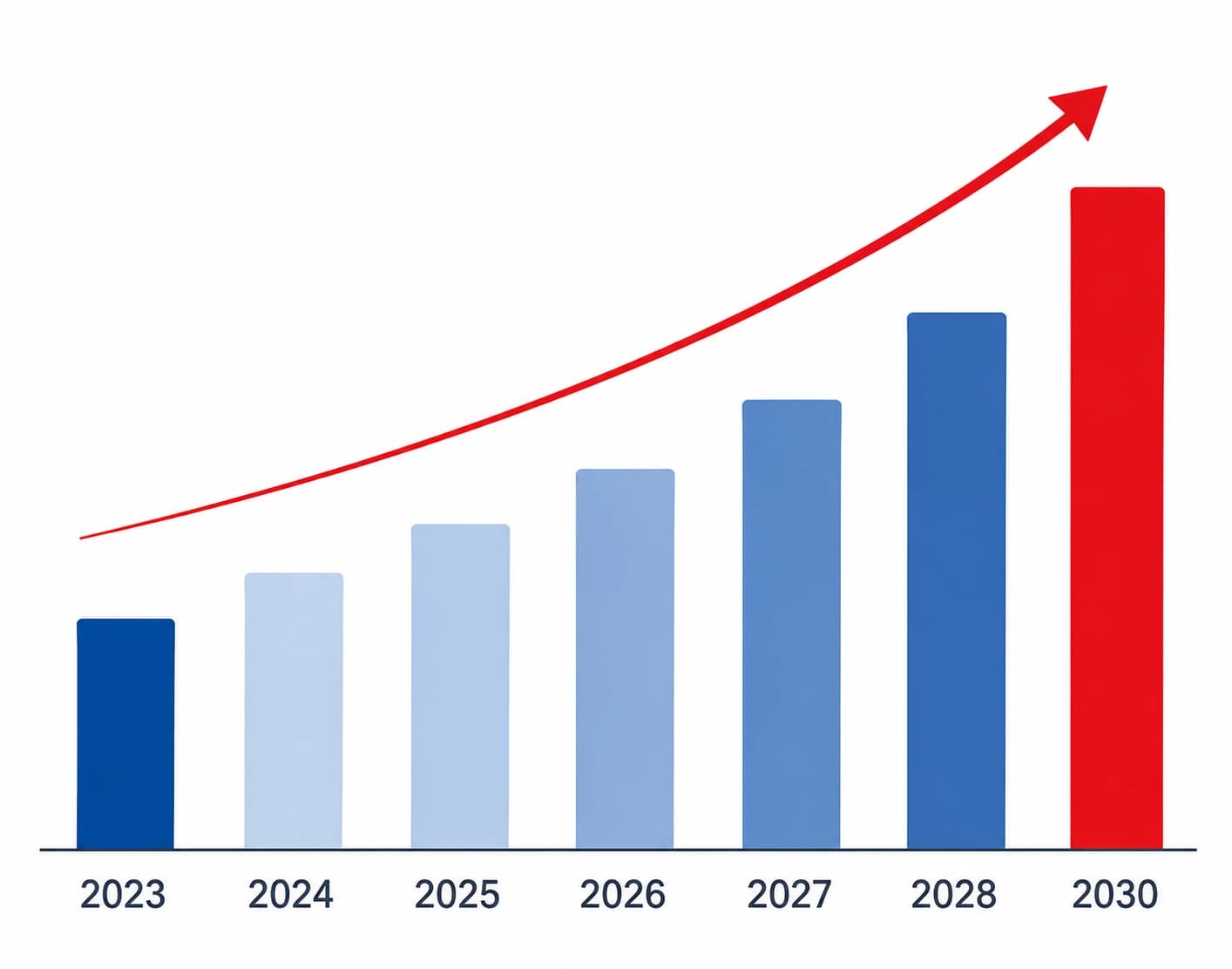
The global High-end Gravel Bikes market was valued at US$ 200 million in 2025 and is anticipated to reach US$ 281 million by 2032, at a CAGR of 5.0% from 2026 to 2032.
The 2025 U.S. tariff policies introduce profound uncertainty into the global economic landscape. This report critically examines the implications of recent tariff adjustments and international strategic countermeasures on High-end Gravel Bikes competitive dynamics, regional economic interdependencies, and supply chain reconfigurations.
A High-end Gravel Bike is a premium, multi-terrain bicycle engineered to bridge the gap between a high-performance road bike and a rugged mountain bike. The "high-end" designation typically refers to the use of ultra-lightweight, compliant carbon fiber frames, gravel-specific electronic drivetrains (such as SRAM XPLR or Shimano GRX Di2), and aerodynamic optimization tailored for off-road racing.Key characteristics include expansive tire clearance (typically supporting 40-50mm+ tires), a stable geometry designed for confidence on loose surfaces, and integrated vibration-damping or micro-suspension technologies. These bikes are built not just for durability on unpaved roads, but for speed, efficiency, and comfort over long distances across diverse landscapes. They represent the pinnacle of versatility for cyclists who demand elite performance without being restricted to the asphalt.
In 2025, global Gravel Bike production reached approximately 100 K Units.
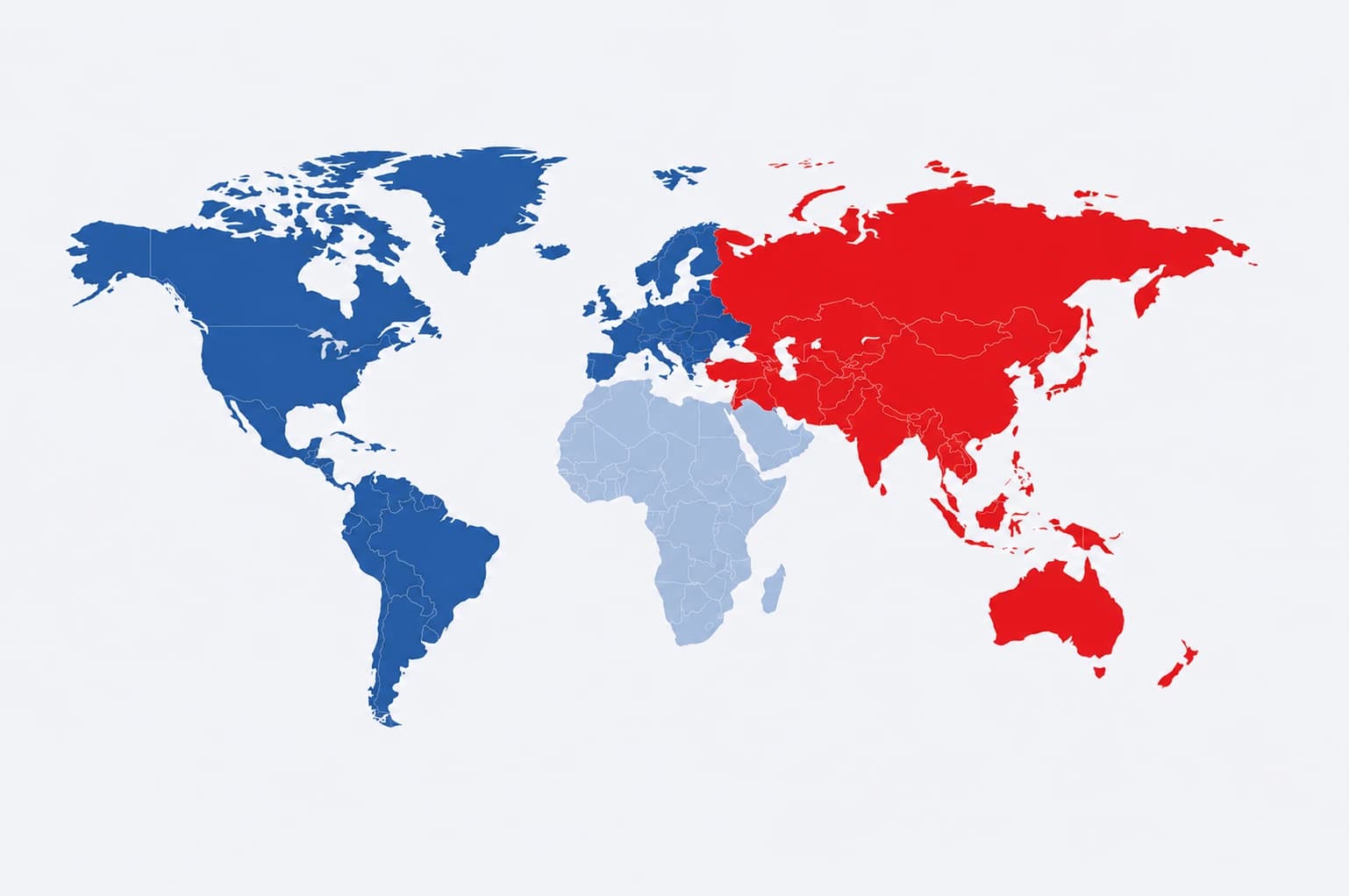
The North American market for High-end Gravel Bikes is projected to increase from US$ million in 2025 to US$ million by 2032, at a CAGR of % over 2026–2032.
The Asia-Pacific market for High-end Gravel Bikes is projected to rise from US$ million in 2025 to US$ million by 2032, at a CAGR of % over 2026–2032.
Major global manufacturers of High-end Gravel Bikes include Giant Bicycles, Trek Bikes, Merida Bike, Cube Bikes, Cannondale, Bianchi S.p.A. (Grimaldi Industri AB), Specialized Bicycle, Accell Group, Fuji Bikes, Scott Sport, etc. In 2025, the world's top three vendors accounted for approximately % of revenue.
This report delivers a comprehensive overview of the global High-end Gravel Bikes market, with both quantitative and qualitative analyses, to help readers develop growth strategies, assess the competitive landscape, evaluate their position in the current market, and make informed business decisions regarding High-end Gravel Bikes. The High-end Gravel Bikes market size, estimates, and forecasts are provided in terms of sales volume (K Units) and revenue (US$ millions), with 2025 as the base year and historical and forecast data for 2021–2032.
The report segments the global High-end Gravel Bikes market comprehensively. Regional market sizes by Type, by Application, by Drivetrain, and by company are also provided. For deeper insight, the report profiles the competitive landscape, key competitors, and their respective market rankings, and discusses technological trends and new product developments.
This report will assist High-end Gravel Bikes manufacturers, new entrants, and companies across the industry value chain with information on revenues, sales volume, and average prices for the overall market and its sub-segments, by company, by Type, by Application, and by region.
Chapter 1: Defines the scope of the report and presents an executive summary of market segments (by Type, by Application, by Drivetrain, etc.), including the size of each segment and its future growth potential. It offers a high-level view of the current market and its likely evolution in the short, medium, and long term.
Chapter 2: Provides a detailed analysis of the competitive landscape for High-end Gravel Bikes manufacturers, covering pricing, sales and revenue shares, latest development plans, and mergers and acquisitions.
Chapter 3: Examines High-end Gravel Bikes sales and revenue at the regional and country levels. It quantifies market size and growth potential for each region and its key countries, and outlines market development, outlook, addressable space, and national market size.
Chapter 4: Analyzes segments by Type, detailing the size and growth potential of each segment to help readers identify “blue ocean” opportunities.
Chapter 5: Analyzes market segments by Application, covering the size and growth potential of each segment to help readers identify “blue ocean” opportunities in downstream markets.
Chapter 6: Profiles key players, presenting core information on leading companies, including product sales, revenue, pricing, gross margin, product portfolio/introductions, and recent developments.
Chapter 7: Reviews the industry value chain, including upstream and downstream segments.
Chapter 8: Discusses market dynamics and recent developments, including drivers, restraints, challenges and risks for manufacturers, U.S. Tariffs and relevant policy analysis.
Chapter 9: Summarizes the key findings and conclusions of the report.
- ★ What Is The Overall Market Size And Projected Growth Rate Across Global And Regional Segments?
- ★ How Does The Market Size And Growth Outlook Vary Across Major Countries?
- ★ Which Region Or Market Sub-Segment Is Anticipated To Dominate Growth During The Forecast Period?
- ★ What Are The Primary Factors Expected To Drive Market Expansion, And What Challenges May Restrain Growth?
- ★ Which Emerging Technologies And Market Trends Are Shaping The Future Landscape?
- ★ What Are The Most Significant Opportunities Available In The Market?
- ★ Who Are The Leading Manufacturers Actively Participating In The Global Market?
- ★ Which Company Currently Holds The Largest Share Of The Market?
- ★ What Are The Potential Growth Avenues For New Entrants In The Global Market?