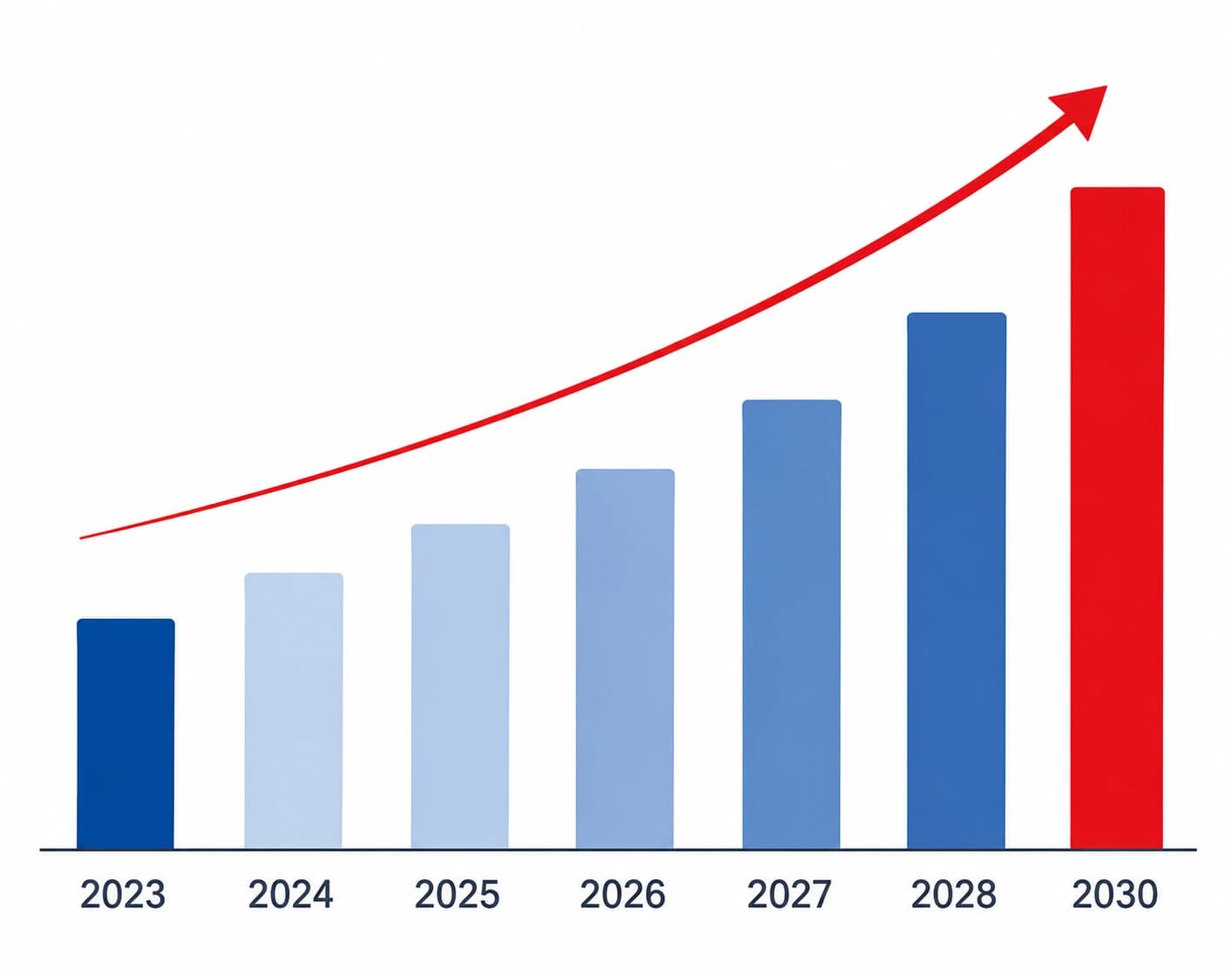
The global market for Pipe Cold Cutting and Beveling Machine was estimated to be worth US$ 168 million in 2025 and is projected to reach US$ 242 million, growing at a CAGR of 5.3% from 2026 to 2032.
The Pipe Cold Cutting and Beveling Machine market covers specialized industrial equipment that mechanically severs pipes and prepares weld ends through turning, milling, or orbital cutting processes without applying a thermal cutting source. The research scope primarily encompasses split-frame or clamshell machines mounted around in-line pipes, chain-mounted traveling systems, orbital cutting systems with beveling capability, and stationary integrated equipment capable of completing both cut-off and bevel preparation. A typical system consists of a clamping frame, rotating machining ring or traveling track, cutting and beveling tool slides, automatic or controlled feed mechanisms, drive modules, and alignment components. Pneumatic, electric, hydraulic, and servo-controlled drives are selected according to pipe diameter, wall thickness, material, installation space, hazardous-area requirements, and required machining accuracy. Core functions may include straight severing, simultaneous cutting and beveling, compound or J-bevel preparation, facing, counterboring, and weld removal. The equipment is primarily used in oil and gas pipelines, refineries, chemical plants, power and nuclear facilities, offshore infrastructure, shipbuilding, LNG projects, pipe-spool fabrication, and industrial maintenance, where accurate weld preparation, limited heat effects, and reliable operation in confined or hazardous environments are required.
In 2025, global Pipe Cold Cutting and Beveling Machine production reached approximately 6,471 Units.The average price is approximately $26,000.
Split-frame clamshell configurations remained the dominant architecture for in-situ maintenance, shutdown, and pipeline modification work
The top five supplier groups accounted for about 54% of revenue, while regional manufacturers formed a fragmented long tail
The Pipe Cold Cutting and Beveling Machine market is evolving through incremental but commercially important improvements rather than a fundamental change in machining principles. Product development increasingly emphasizes lower radial and axial clearance, lighter split frames, faster centering, modular tool slides, automatic feed, improved rigidity, and wider compatibility with carbon steel, stainless steel, duplex steel, nickel alloys, and thick-wall pipe. Customers are also seeking systems that combine severing, beveling, facing, and counterboring within one platform, reducing equipment changes during short maintenance windows. Pneumatic and hydraulic systems remain important for hazardous and heavy-duty work, while electric and servo-controlled configurations are gaining relevance in fabrication shops, nuclear projects, and applications requiring repeatable machining parameters. Remote operation, digital process settings, automatic speed control, and machining-data recording are expected to penetrate high-value projects first. At the same time, manufacturers are extending modular product families across a wider diameter range, enabling customers to use common drives, tooling concepts, and operating procedures across multiple frame sizes.
Demand is supported by the maintenance and modification requirements of aging pipelines, refineries, chemical plants, power stations, offshore platforms, and marine assets. Scheduled shutdowns create a need for equipment that can be installed quickly and deliver weld-ready pipe ends within limited operating windows. Mechanical cold cutting is particularly valuable where thermal processes are restricted because of combustible materials, hazardous atmospheres, metallurgical concerns, or nearby operating equipment. Increasing use of stainless steel, duplex steel, chromium-molybdenum steel, and nickel-based alloys also raises the importance of controlled cutting and consistent bevel geometry. Nuclear maintenance and decommissioning, LNG infrastructure, offshore development, and the expansion of automated welding further support demand for accurate, low-clearance, and application-specific systems.
Market expansion is moderated by the long operating life of professional equipment and the established availability of rental, refurbished, and remanufactured machines. Large-diameter and hydraulic systems involve considerable initial investment, while purchasing decisions may be delayed when contractors can rent equipment for a specific turnaround or pipeline project. Demand is also project-driven and can fluctuate with maintenance schedules, energy-sector capital expenditure, and the timing of industrial construction. In workshop environments, conventional saws, automated pipe-fabrication lines, and certain numerical-control cutting systems may provide a lower-cost alternative when hazardous-area operation and in-situ installation are not required. The need for size-specific frames, tooling, and operator training can further increase the total cost of ownership.
The most attractive opportunities are emerging in nuclear life-extension and decommissioning programs, offshore and subsea maintenance, LNG terminals, hydrogen transportation infrastructure, carbon capture and storage pipelines, and high-alloy process piping. These applications require accurate machining, controlled weld preparation, and equipment that can operate in restricted spaces or difficult environmental conditions. Additional potential exists in high-purity stainless-steel piping for semiconductor, pharmaceutical, and advanced manufacturing facilities, where orbital cutting, repeatability, and contamination control are important. Manufacturers can also expand through modular frame systems, automated feeding, remote control, equipment monitoring, and integrated cutting-and-welding preparation workflows. Chinese and Indian suppliers have opportunities to move beyond standardized small and medium models into larger-diameter, hydraulic, and application-certified equipment.
Manufacturers must maintain machining accuracy under variations in pipe ovality, wall thickness, corrosion, surface condition, and installation alignment. Achieving sufficient structural rigidity while reducing machine weight and clearance remains an important engineering challenge, especially for large-diameter and thick-wall applications. Suppliers also face long customer qualification cycles in nuclear, offshore, high-purity, and other safety-critical industries. Global competition requires extensive distributor, spare-parts, training, and service coverage, which can be difficult for smaller manufacturers to establish. Price competition from regional suppliers, product imitation, foreign-exchange movements, tariffs, and variable component lead times may pressure profitability. The industry must also address operator shortages by simplifying setup, reducing dependence on manual adjustment, and improving process repeatability.
The upstream supply chain includes high-strength alloy steel and aluminum used for machine rings and housings, precision bearings, gears, drive pinions, fastening and clamping components, pneumatic motors, electric motors, hydraulic motors and power units, servo systems, control components, and high-performance cutting tools. Machine rigidity, bearing accuracy, gear engagement, tool-slide stability, and drive reliability directly influence surface finish, cut perpendicularity, bevel consistency, and equipment life. Precision-machined split rings, tool holders, bearings, gear systems, and drive modules represent major hardware cost elements, while engineering design, testing, certification, and application customization contribute a significant portion of value in high-end systems.
Midstream participants undertake mechanical design, machining, heat treatment, assembly, calibration, tooling development, and performance testing. Value creation is concentrated in diameter coverage, low-clearance design, fast and accurate alignment, resistance to cutting loads, adaptability to different pipe materials, and reliable operation in demanding environments. Downstream channels include direct sales, authorized distributors, rental organizations, field-machining contractors, engineering and construction companies, maintenance contractors, pipe-fabrication facilities, and industrial asset owners. Premium suppliers generally achieve stronger pricing through established brands, broad product ranges, project engineering, global service coverage, and certified applications, while regional manufacturers compete primarily through price, delivery speed, and customized configurations.
Split-frame or clamshell equipment forms the largest product segment because it can be opened and mounted around an existing pipeline without access from the pipe end. This structure is widely used in refinery turnarounds, power-plant maintenance, pipeline tie-ins, valve replacement, and offshore repair. Chain-mounted traveling machines address very-large-diameter pipes and applications where conventional ring sizes become impractical, while orbital systems are more prominent in small- and medium-diameter stainless-steel, high-purity, and prefabrication work. Stationary integrated systems occupy a smaller but distinct position in repetitive workshop production.
By drive type, pneumatic systems remain important in hazardous areas, while hydraulic equipment is favored for large diameters, heavy wall thicknesses, and high cutting loads. Electric machines are widely adopted for general construction and shop use because they require less supporting equipment. Servo-controlled systems remain a premium segment but offer attractive potential where customers require repeatable feed, controlled cutting speed, automated operation, and documented machining parameters. Product value and average selling prices generally increase with diameter range, wall-thickness capability, automation, hazardous-area suitability, and the degree of application customization.
Downstream Market Opportunities
Oil, gas, and petrochemical activities remain the largest downstream demand base, particularly for refinery shutdowns, pipeline maintenance, LNG facilities, and offshore assets. Power generation and nuclear applications represent a smaller but higher-value segment because projects typically require stronger quality assurance, precision, documentation, and specialized operating configurations. Shipbuilding, offshore engineering, chemical processing, and industrial pipe fabrication provide recurring demand tied to maintenance cycles and capital projects. Emerging opportunities are developing in nuclear decommissioning, hydrogen and carbon-dioxide pipelines, high-purity semiconductor facilities, and automated pipe-spool fabrication. In these applications, customers are increasingly evaluating not only purchase price but also setup time, machining repeatability, tool life, technical support, and the ability to integrate the equipment into a controlled welding workflow.
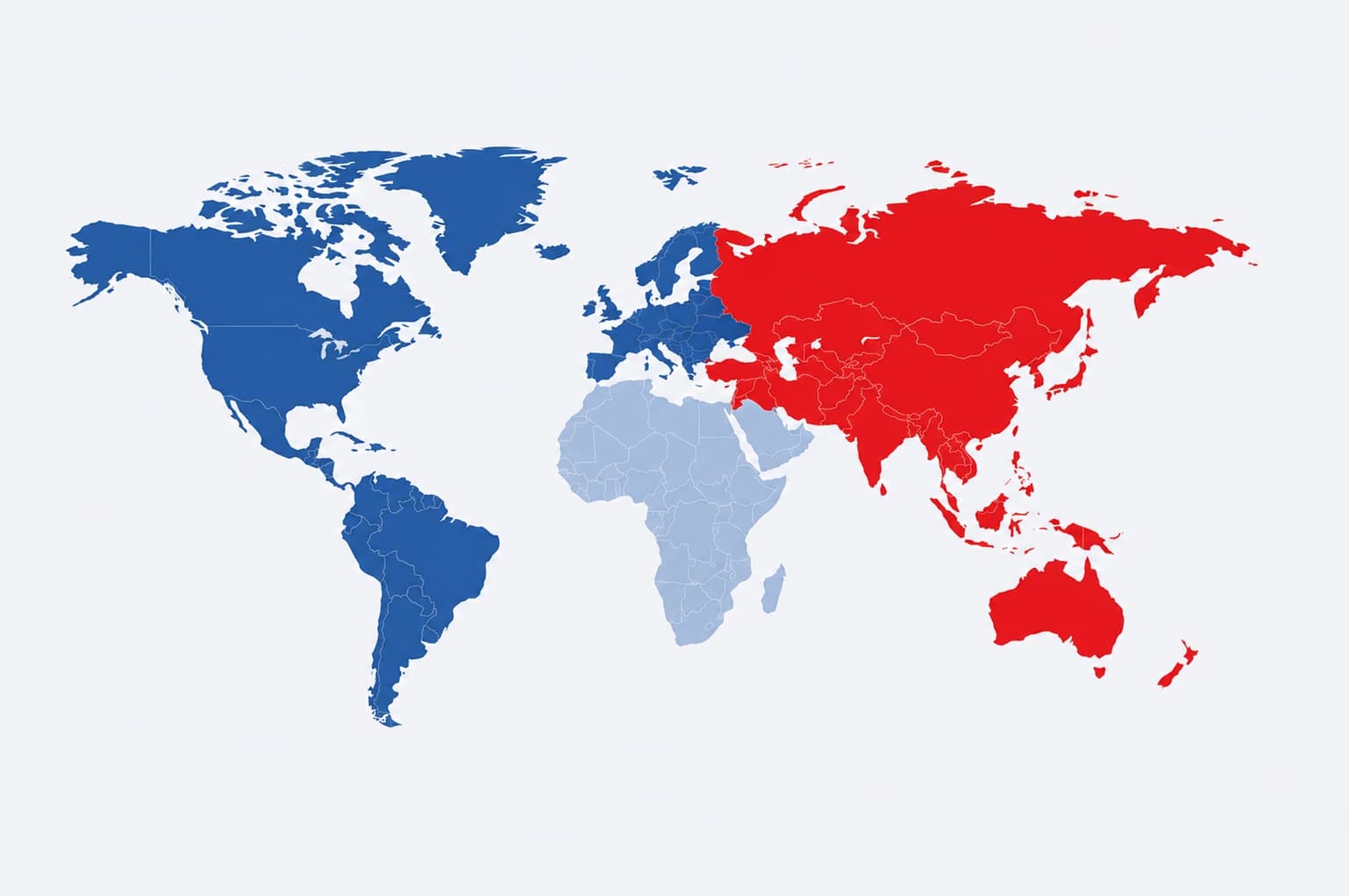
North America accounted for approximately 56% of 2025 market revenue and remained the largest regional market, supported by a concentration of established equipment groups, a large installed base of refineries and pipelines, nuclear and power-generation maintenance, and extensive use of rental and field-machining services. The region has a comparatively high-value product mix because large-diameter, low-clearance, hydraulic, nuclear, and customized systems represent a significant share of expenditure. Europe accounted for approximately 19%, with Germany, France, Italy, and the United Kingdom supporting strong capabilities in heavy-wall cutting, orbital systems, offshore applications, and specialized machining.
China represented approximately 14% of revenue but had one of the largest populations of regional manufacturers, principally serving standardized split-frame equipment and export markets. India accounted for approximately 5% and has developed a smaller domestic manufacturing base linked to oil and gas construction, petrochemical investment, and engineering contractors. China and India offer substantial volume-expansion potential, while South Korea has a differentiated position in precision orbital systems and high-purity piping. Japan, Southeast Asia, and the Middle East remain important user markets but continue to depend heavily on imported equipment, distributors, rental organizations, and field-service providers.
Competitive Landscape Analysis
The Pipe Cold Cutting and Beveling Machine market has a moderately concentrated revenue structure combined with a fragmented regional supplier base. The five largest supplier groups represented approximately 54% of 2025 revenue, while the top ten accounted for about 71%. S.F.E. Group, Illinois Tool Works, Enerpac Tool Group, Tri Tool, and Mactech occupy strong positions through broad size coverage, established installed bases, application expertise, rental or service networks, and access to nuclear, offshore, and other demanding projects. Specialized European manufacturers compete through heavy-wall performance, chain-mounted technology, orbital machining, and very-large-diameter capabilities, while Chinese and Indian suppliers emphasize standardized equipment, shorter delivery times, and lower acquisition costs. Industry consolidation is becoming more important: Enerpac Tool Group announced an agreement in July 2026 to acquire S.F.E. Group, whose portfolio includes twelve fabrication, welding, and portable-machining brands. The transaction remained subject to regulatory approval and was expected to close in the first quarter of Enerpac’s fiscal 2027, so the two groups continue to be treated separately in the current competitive analysis. If completed, the combination could strengthen channel coverage, cross-selling, service support, and product-platform integration across the global market.
This report provides a comprehensive view of the global market for Pipe Cold Cutting and Beveling Machine, covering total sales volume, sales revenue, pricing, the market share and ranking of key companies, along with analyses by region & country, by Type, and by Application.
The Pipe Cold Cutting and Beveling Machine market size, estimations, and forecasts are presented in terms of sales volume (Units) and revenue ($ millions), with 2025 as the base year and historical and forecast data from 2021 to 2032. The report combines quantitative and qualitative analysis to help readers develop growth strategies, assess the competitive landscape, evaluate their position in the current marketplace, and make informed business decisions regarding Pipe Cold Cutting and Beveling Machine.
Chapter 1: Introduces the scope of the report and the global market size (value, volume, and price). It also summarizes market dynamics and Recent Developments; identifies key drivers and restraints; outlines challenges and risks for manufacturers; reviews relevant industry policies and U.S. tariff implications.
Chapter 2: Provides a detailed analysis of the Pipe Cold Cutting and Beveling Machine manufacturers' competitive landscape—including pricing, sales and revenue shares, Recent Developments plans, and mergers and acquisitions (M&A).
Chapter 3: Analyzes market segmentation by Type, presenting the size and growth potential of each segment to help readers identify blue-ocean opportunities.
Chapter 4: Analyzes market segmentation by Application, presenting the size and growth potential of each downstream segment to help readers identify blue-ocean opportunities.
Chapter 5: Presents Pipe Cold Cutting and Beveling Machine sales and revenue at the regional level. It offers a quantitative assessment of market size and growth potential by region and summarizes market development, future prospects, addressable space, and country-level market size worldwide.
Chapter 6: Presents Pipe Cold Cutting and Beveling Machine sales and revenue at the country level. It provides segmented data by Type and by Application for each country/region.
Chapter 7: Profiles key players, detailing the main companies' product sales, revenue, pricing, gross margin, product portfolios, Recent Developments, etc.
Chapter 8: Analyzes the industry value chain, including upstream suppliers and downstream applications/customers.
- ★ What Is The Overall Market Size And Projected Growth Rate Across Global And Regional Segments?
- ★ How Does The Market Size And Growth Outlook Vary Across Major Countries?
- ★ Which Region Or Market Sub-Segment Is Anticipated To Dominate Growth During The Forecast Period?
- ★ What Are The Primary Factors Expected To Drive Market Expansion, And What Challenges May Restrain Growth?
- ★ Which Emerging Technologies And Market Trends Are Shaping The Future Landscape?
- ★ What Are The Most Significant Opportunities Available In The Market?
- ★ Who Are The Leading Manufacturers Actively Participating In The Global Market?
- ★ Which Company Currently Holds The Largest Share Of The Market?
- ★ What Are The Potential Growth Avenues For New Entrants In The Global Market?