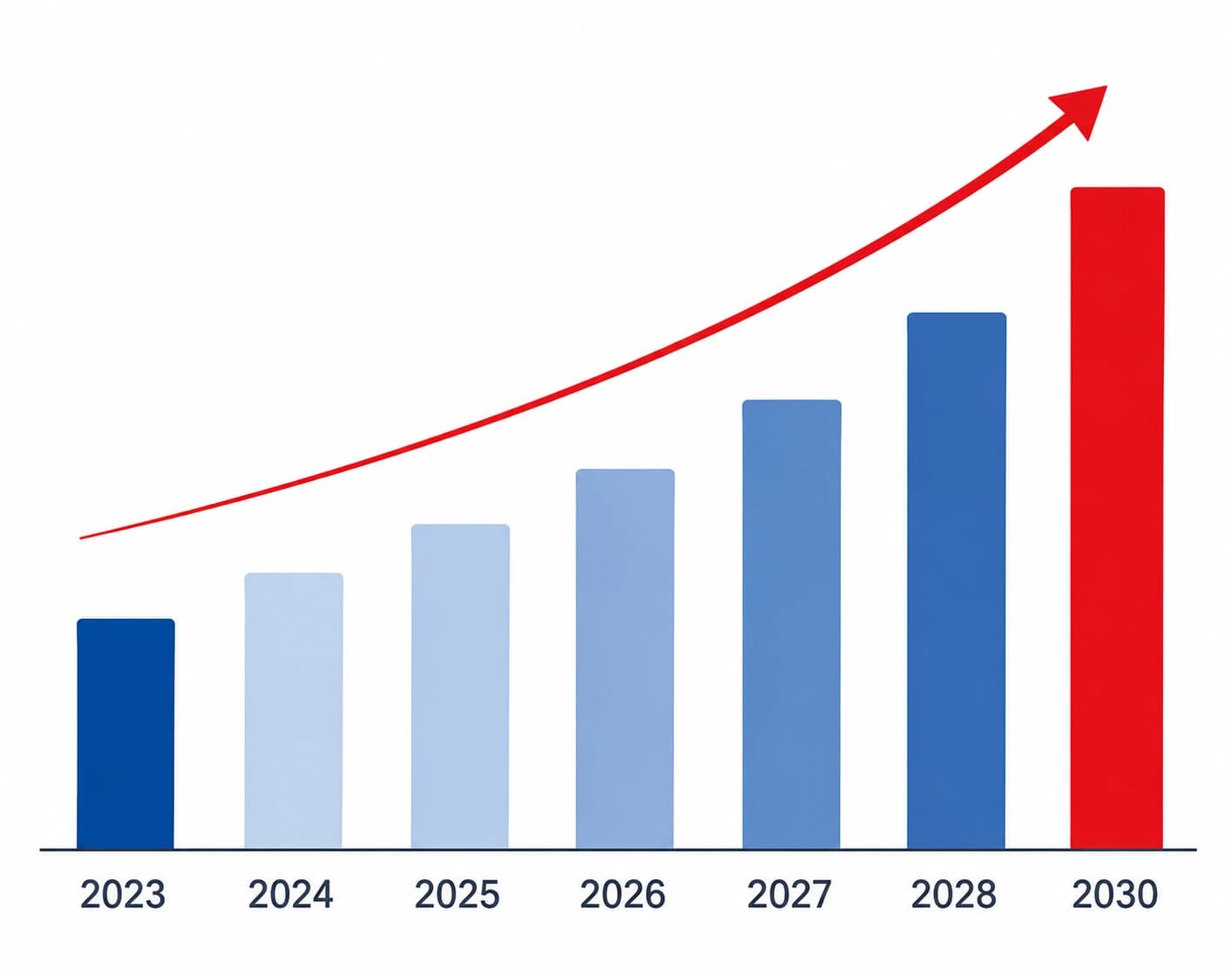
The global market for Battery Pack Connector was estimated to be worth US$ 1070 million in 2025 and is projected to reach US$ 2433 million, growing at a CAGR of 12.5% from 2026 to 2032.
The potential shifts in the 2025 U.S. tariff framework pose substantial volatility risks to global markets. This report provides a comprehensive assessment of recent tariff adjustments and international strategic countermeasures on Battery Pack Connector cross-border industrial footprints, capital allocation patterns, regional economic interdependencies, and supply chain reconfigurations.
Battery pack connectors are electrical connection components used for internal or external interfaces in electric vehicles, hybrid vehicles, energy storage systems, and industrial battery packs. They provide power or signal connections between cells/modules, busbars, BMS sampling circuits, high-voltage boxes, PDUs/BDUs, inverters, charging circuits, and service disconnect points. The estimated gross margin is approximately 34%.
The growth of battery pack connectors is primarily driven by the trend toward higher voltage and fast-charging electric vehicle battery packs, as well as modular upgrades in energy storage systems. As passenger vehicles migrate from 400V platforms to 800V and above, connectors are no longer simple conductors; they must meet requirements for high current carrying capacity, low temperature rise, shielding, HVIL, error-proofing, flame retardancy, lightweight design, and long-term reliability, making them critical safety components. Commercial vehicles, construction machinery, and energy storage battery packs place additional emphasis on high current, vibration resistance, protection ratings, on-site assembly efficiency, and operational safety.
The industry features long customer certification cycles, with barriers including automotive-grade validation, terminal contact design, injection molding, shielding structures, automated assembly, and reliability testing. The global market is dominated by integrated connector manufacturers such as TE, Amphenol, Molex, Aptiv, and Yazaki. Chinese suppliers benefit from the rapid iteration of local EV manufacturers and expansion of the energy storage supply chain, steadily increasing their share in high-voltage, high-current connectors, service switches, busbar connections, and customized solutions.
While low-end product price competition is expected to intensify, platforms at 800V/1000V, liquid-cooled fast charging, 1500V energy storage, and heavy-duty electrification will drive an increase in the share of mid- to high-end products.
This report provides a comprehensive view of the global market for Battery Pack Connector, covering total sales volume, sales revenue, pricing, the market share and ranking of key companies, along with analyses by region & country, by Type, and by Application.
The Battery Pack Connector market size, estimations, and forecasts are presented in terms of sales volume (K Units) and revenue ($ millions), with 2025 as the base year and historical and forecast data from 2021 to 2032. The report combines quantitative and qualitative analysis to help readers develop growth strategies, assess the competitive landscape, evaluate their position in the current marketplace, and make informed business decisions regarding Battery Pack Connector.
Chapter 1: Introduces the scope of the report and the global market size (value, volume, and price). It also summarizes market dynamics and Recent Developments; identifies key drivers and restraints; outlines challenges and risks for manufacturers; reviews relevant industry policies and U.S. tariff implications.
Chapter 2: Provides a detailed analysis of the Battery Pack Connector manufacturers' competitive landscape—including pricing, sales and revenue shares, Recent Developments plans, and mergers and acquisitions (M&A).
Chapter 3: Analyzes market segmentation by Type, presenting the size and growth potential of each segment to help readers identify blue-ocean opportunities.
Chapter 4: Analyzes market segmentation by Application, presenting the size and growth potential of each downstream segment to help readers identify blue-ocean opportunities.
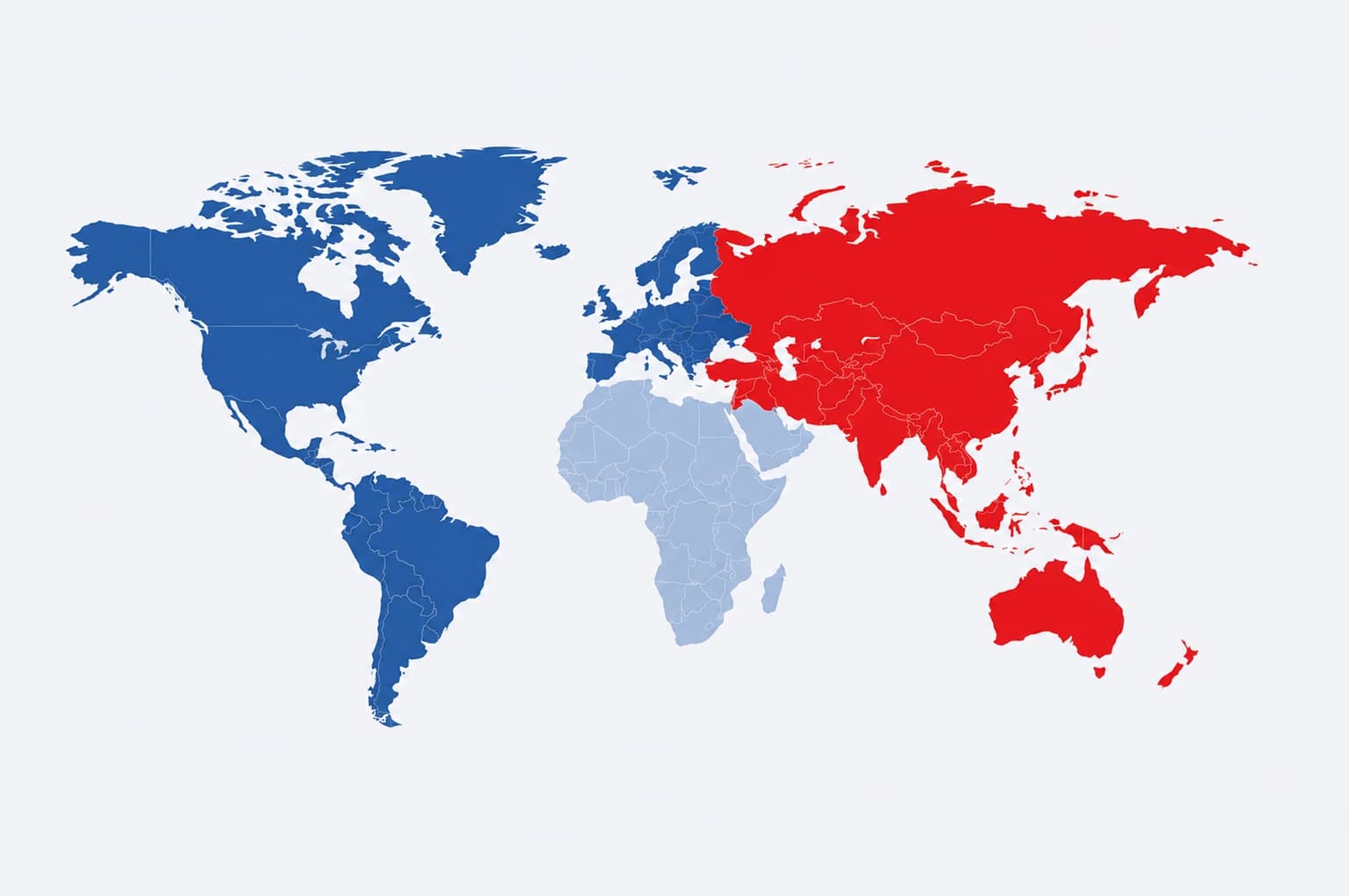
Chapter 5: Presents Battery Pack Connector sales and revenue at the regional level. It offers a quantitative assessment of market size and growth potential by region and summarizes market development, future prospects, addressable space, and country-level market size worldwide.
Chapter 6: Presents Battery Pack Connector sales and revenue at the country level. It provides segmented data by Type and by Application for each country/region.
Chapter 7: Profiles key players, detailing the main companies' product sales, revenue, pricing, gross margin, product portfolios, Recent Developments, etc.
Chapter 8: Analyzes the industry value chain, including upstream suppliers and downstream applications/customers.
- ★ What Is The Overall Market Size And Projected Growth Rate Across Global And Regional Segments?
- ★ How Does The Market Size And Growth Outlook Vary Across Major Countries?
- ★ Which Region Or Market Sub-Segment Is Anticipated To Dominate Growth During The Forecast Period?
- ★ What Are The Primary Factors Expected To Drive Market Expansion, And What Challenges May Restrain Growth?
- ★ Which Emerging Technologies And Market Trends Are Shaping The Future Landscape?
- ★ What Are The Most Significant Opportunities Available In The Market?
- ★ Who Are The Leading Manufacturers Actively Participating In The Global Market?
- ★ Which Company Currently Holds The Largest Share Of The Market?
- ★ What Are The Potential Growth Avenues For New Entrants In The Global Market?