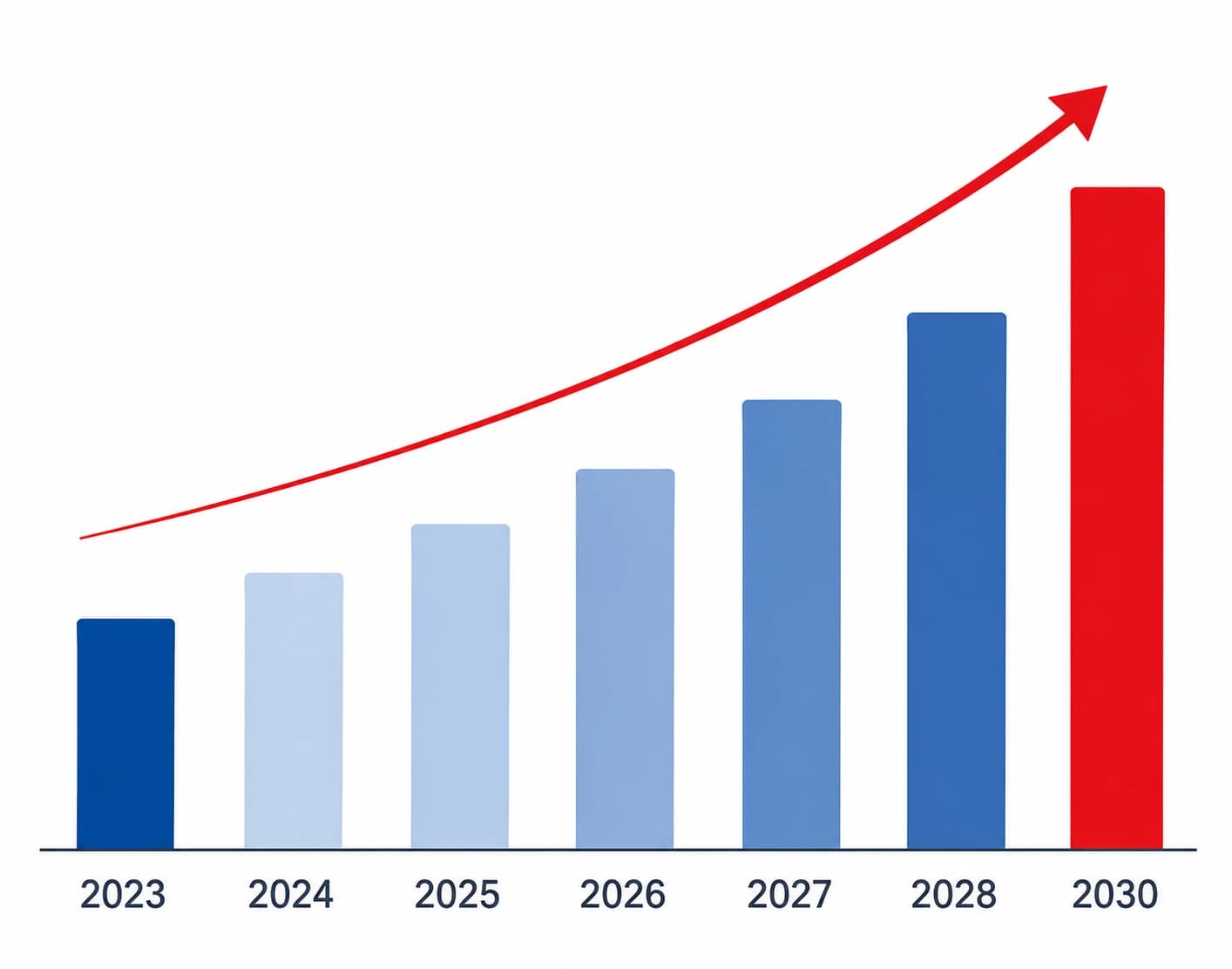
The global market for Battery Materials Agitator and Mixer was estimated to be worth US$ 241 million in 2025 and is projected to reach US$ 375 million, growing at a CAGR of 6.3% from 2026 to 2032.
In 2025, global Battery Materials Agitator and Mixer production reached approximately 4,100 units with average price of 5,816 USD/Unit.
Battery Materials Agitator and Mixer refers to industrial equipment used to mix, disperse, knead, homogenize, suspend or deaerate powders, liquids, binders, conductive additives and active materials during battery-material preparation and electrode manufacturing. The equipment covers intensive mixers, planetary mixers, dual-planetary mixers, high-speed dispersers, high-shear mixers, kneaders, vacuum mixers, continuous twin-screw mixers and integrated automatic mixing systems. Key product parameters typically include batch capacity and mixing speed or torque, while vacuum level, temperature control, material-contact construction and wear resistance are configured according to the process. Battery Materials Agitator and Mixer directly affects material uniformity, conductive-network distribution, slurry rheology, solids dispersion and downstream coating stability. This study focuses on equipment used in cathode material processing, anode material processing, electrode slurry preparation, conductive additive preparation, electrolyte preparation and battery material recycling, covering laboratory development, pilot production and industrial-scale manufacturing.
Electrode slurry preparation anchors the core equipment demand
Batch systems remain central while continuous processing expands
Asia-Pacific represents the largest regional demand base
Automation and process monitoring increase equipment value
Dry mixing creates new requirements for equipment design
The Battery Materials Agitator and Mixer market is moving from stand-alone batch machines toward integrated material-handling and mixing systems that combine powder feeding, liquid metering, premixing, kneading, dispersion, vacuum deaeration, temperature control and slurry transfer. Conventional planetary and dual-planetary mixers remain important because battery manufacturers value formulation flexibility and established process validation, but continuous twin-screw mixing and segmented continuous processing are receiving greater attention where customers seek higher throughput, lower energy consumption and more consistent production. Product development is also shifting from nominal mixing power toward control of material history, including feeding sequence, applied shear, torque response, temperature and residence time. Inline torque measurement, automated recipe management and operating-data collection are increasingly used to improve batch consistency and shorten process adjustment. At the same time, dry electrode and solid-state battery manufacturing are expanding the technical focus from liquid slurry dispersion to dry powder homogenization, binder fibrillation and controlled kneading. Equipment suppliers are consequently developing platforms capable of supporting wet slurry, high-solids formulations and structured dry mixtures without compromising contamination control or scale-up repeatability.
The principal growth driver is the continued expansion and upgrading of battery manufacturing capacity for electric vehicles, energy storage and other rechargeable-battery applications. Mixing is an early and quality-critical process step because the distribution of active material, binder and conductive additives influences slurry rheology, coating uniformity and subsequent electrode performance. Battery producers therefore require equipment that can deliver repeatable dispersion, stable temperature control, effective deaeration and reliable transfer between process stages. The increasing scale of battery plants also supports investment in automated dosing and mixing systems that reduce manual material handling and improve recipe consistency. Demand is further strengthened by the diversification of cathode and anode chemistries, higher-solids formulations and the need to move formulations efficiently from laboratory development to pilot and industrial production. These conditions favor suppliers capable of combining mixing equipment with process design, feeding, measurement, control software and commissioning support.
Market development is constrained by high equipment investment, lengthy customer qualification and the difficulty of transferring a mixing process between machine sizes and production sites. Battery formulations are sensitive to shear history, feeding sequence, temperature, moisture, contamination and residence time, meaning that a change in mixer geometry or operating parameters can require extensive process validation. Abrasive active materials and conductive additives increase wear on vessels, shafts, blades and seals, while solvent-based cathode processing raises requirements for sealing, recovery, explosion protection and environmental control. Large automated systems also require reliable interfaces between feeding, metering, mixing, vacuum, cooling and slurry-transfer modules. When cell manufacturers postpone capacity projects or alter technology routes, equipment suppliers may face order delays, specification changes and underutilized engineering resources. Smaller producers may prefer conventional batch equipment because continuous or highly automated systems require greater upfront capital and stronger process-management capabilities.
The most important opportunities arise from continuous slurry production, high-solids processing, dry electrode manufacturing, solid-state batteries and battery recycling. Continuous equipment can consolidate several process steps, reduce intermediate handling and improve production consistency when material feeding and residence time are accurately controlled. Dry electrode technology creates demand for intensive powder mixing, binder fibrillation and solvent-free processing, while all-solid-state batteries require equipment capable of handling moisture-sensitive powders, solid electrolytes and new electrode architectures. Battery recycling adds demand for mixing and conditioning recovered cathode and anode materials, black mass, leaching agents and regenerated active-material precursors. Equipment suppliers also have opportunities in laboratory-to-production scale-up, modular pilot lines, digital recipe management and retrofits that improve automation or energy efficiency. Companies that combine material testing, process validation and industrial system delivery can capture more value than suppliers focused only on individual mixer vessels.
The industry faces long-term challenges related to process standardization, rapid battery-chemistry change and customer-specific technical requirements. There is no single mixing configuration suitable for all cathode materials, anode materials, binders, conductive additives and solvent systems. Equipment performance must be evaluated through dispersion quality, rheology, temperature rise, residual gas, contamination and coating behavior rather than through capacity or motor power alone. Continuous mixing offers potential operating advantages but requires precise dosing stability and stronger process knowledge, while dry mixing introduces new challenges in powder flow, electrostatic behavior, dust control and binder distribution. Suppliers must also protect intellectual property while conducting customer-specific material trials. Intense competition, local sourcing requirements and pressure from battery manufacturers to reduce capital cost may compress margins on standard equipment, making application engineering, service capability and proven scale-up performance increasingly important competitive barriers.
The upstream industry includes stainless steel and special alloys, wear-resistant coatings, motors, gear reducers, vacuum pumps, mechanical seals, bearings, shafts, blades, dispersing discs, temperature-control units, sensors, weighing systems, powder feeders, liquid-metering equipment, programmable controllers and industrial software. Material-contact components must meet requirements for corrosion resistance, abrasion resistance, low contamination and ease of cleaning. Vacuum systems, precision transmission components, automated dosing units and control systems account for a significant share of the cost of high-specification equipment, while surface treatment, customized blades and explosion-protected configurations further increase manufacturing complexity.
Midstream suppliers design and manufacture individual mixers, integrated slurry-preparation systems and complete material-handling and mixing lines. The principal value is created through mixer geometry, shear and torque control, feeding sequence design, vacuum deaeration, temperature management, process automation and scale-up verification. Downstream customers include cathode and anode material manufacturers, conductive-additive suppliers, electrolyte producers, battery cell manufacturers, research institutions and battery recycling companies. Standard laboratory or stand-alone batch machines are comparatively product-driven, while industrial systems rely more heavily on engineering, installation, commissioning, software integration and lifecycle service. Profitability therefore tends to improve with process complexity and system integration, although customized projects also carry higher design, execution and acceptance risks.
By mixing technology, planetary and dual-planetary systems form the core installed base for electrode slurry preparation because they support vacuum operation, high-viscosity kneading and flexible recipe changes. High-speed dispersers and high-shear mixers are used where rapid wetting and deagglomeration of conductive additives are important, while intensive mixers have established positions in active-material preparation, dry mixing and combined kneading-dispersion processes. Continuous twin-screw systems represent a developing high-value segment, particularly for large-scale electrode production seeking automated and uninterrupted operation. Their adoption depends on stable raw-material feeding, process validation and the economics of sustained high utilization.
By battery material, electrode slurry preparation remains the central application because both cathode and anode production require controlled incorporation of active material, binder, solvent and conductive additives. Cathode material processing generally places greater emphasis on abrasion resistance, solvent compatibility and contamination control, while anode processing increasingly involves water-based systems, high-solids formulations and materials such as graphite or silicon-containing compounds. Conductive additive preparation requires effective deagglomeration and distribution at relatively low addition ratios. Electrolyte preparation is smaller in equipment volume but demands high purity and moisture control, while battery material recycling is becoming a broader opportunity for conditioning recovered materials and preparing regenerated products.
Downstream Market Opportunities
Cathode and anode material manufacturers offer opportunities for intensive mixing, coating, precursor conditioning and dry-powder processing, while battery cell plants generate demand for electrode slurry mixers and fully automated slurry-preparation lines. Conductive additives such as carbon black and advanced carbon materials require controlled dispersion to establish a stable conductive network without excessive energy input or material damage. Electrolyte preparation creates specialized demand for high-purity, sealed and moisture-controlled equipment. Battery recycling expands the addressable market beyond new-cell manufacturing by introducing mixing requirements in black-mass treatment, hydrometallurgical preparation and regenerated active-material production. The strongest commercial opportunities are expected where suppliers can provide one process platform from laboratory trials through pilot validation to high-volume production, reducing scale-up risk for battery manufacturers.
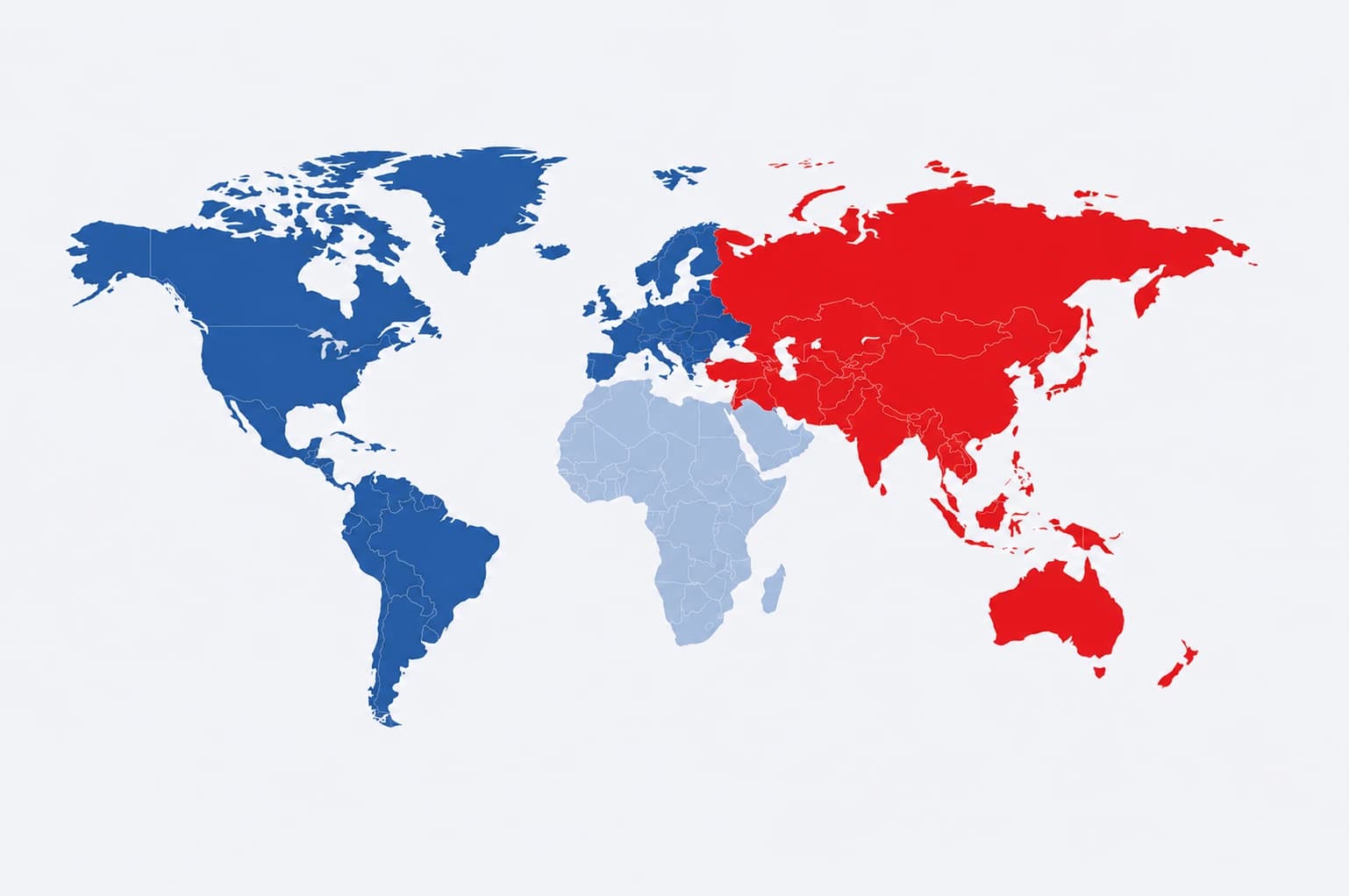
Asia-Pacific is the largest regional demand market because battery cells, cathode active materials and anode active materials are heavily concentrated in China, Japan and South Korea. China represents the center of large-scale equipment demand and has developed a broad domestic supplier base covering individual mixers, automated slurry systems and turnkey battery-production equipment. The International Energy Agency estimates that China accounted for more than 80% of global battery cell production in 2025, approximately 85% of cathode active-material production and more than 90% of anode active-material production, creating a dense customer base for Battery Materials Agitator and Mixer suppliers. Japan remains important in precision dispersion, high-speed mixing and laboratory-to-production process development, while South Korea supports demand from major battery cell and materials producers.
Europe and North America have smaller installed battery-material supply chains but remain strategically important markets for localized cell manufacturing, process innovation and advanced equipment. European demand favors energy-efficient systems, continuous mixing and engineered production lines, while North American investment is creating opportunities in domestic cathode and anode materials, pilot manufacturing and dry electrode processes. Project timing and utilization rates remain less predictable than in Asia-Pacific because newly announced capacity must progress through financing, permitting, construction and customer qualification. Nevertheless, local-content strategies and the development of regional battery supply chains support opportunities for global equipment companies with local engineering, service and testing capabilities.
Competitive Landscape Analysis
The Battery Materials Agitator and Mixer market combines international process-equipment specialists, precision mixing manufacturers, battery-line integrators and regional equipment suppliers. The three leading global participants highlighted in this study are Bühler, Eirich and NETZSCH. Bühler is differentiated by continuous twin-screw electrode slurry production and the integration of grinding and mixing processes; Eirich has a strong position in intensive mixing, wet and dry electrode preparation, vacuum deaeration and process analytics; NETZSCH competes through planetary mixing, dispersion, grinding and segmented slurry-production systems. Other confirmed international and regional participants include Ross, IKA, Silverson, PRIMIX, INOUE, ASADA, KURIMOTO, THINKY, Yunsung F&C, TSI, Lead Intelligent, ONGOAL, Golden Milky Way, Sower, Longly, EKATO, SPX FLOW, Hosokawa Micron and Seiwa Giken. Japanese and Western specialists generally emphasize mixing precision, material testing and process know-how, while Chinese and Korean suppliers increasingly compete through automated dosing, integrated slurry preparation, local delivery and battery-line engineering. The competitive boundary is moving from the mixer itself toward complete process capability, including raw-material handling, digital control, scale-up validation and service response.
This report provides a comprehensive view of the global market for Battery Materials Agitator and Mixer, covering total sales volume, sales revenue, pricing, the market share and ranking of key companies, along with analyses by region & country, by Type, and by Application.
The Battery Materials Agitator and Mixer market size, estimations, and forecasts are presented in terms of sales volume (Units) and revenue ($ millions), with 2025 as the base year and historical and forecast data from 2021 to 2032. The report combines quantitative and qualitative analysis to help readers develop growth strategies, assess the competitive landscape, evaluate their position in the current marketplace, and make informed business decisions regarding Battery Materials Agitator and Mixer.
Chapter 1: Introduces the scope of the report and the global market size (value, volume, and price). It also summarizes market dynamics and Recent Developments; identifies key drivers and restraints; outlines challenges and risks for manufacturers; reviews relevant industry policies and U.S. tariff implications.
Chapter 2: Provides a detailed analysis of the Battery Materials Agitator and Mixer manufacturers' competitive landscape—including pricing, sales and revenue shares, Recent Developments plans, and mergers and acquisitions (M&A).
Chapter 3: Analyzes market segmentation by Type, presenting the size and growth potential of each segment to help readers identify blue-ocean opportunities.
Chapter 4: Analyzes market segmentation by Application, presenting the size and growth potential of each downstream segment to help readers identify blue-ocean opportunities.
Chapter 5: Presents Battery Materials Agitator and Mixer sales and revenue at the regional level. It offers a quantitative assessment of market size and growth potential by region and summarizes market development, future prospects, addressable space, and country-level market size worldwide.
Chapter 6: Presents Battery Materials Agitator and Mixer sales and revenue at the country level. It provides segmented data by Type and by Application for each country/region.
Chapter 7: Profiles key players, detailing the main companies' product sales, revenue, pricing, gross margin, product portfolios, Recent Developments, etc.
Chapter 8: Analyzes the industry value chain, including upstream suppliers and downstream applications/customers.
- ★ What Is The Overall Market Size And Projected Growth Rate Across Global And Regional Segments?
- ★ How Does The Market Size And Growth Outlook Vary Across Major Countries?
- ★ Which Region Or Market Sub-Segment Is Anticipated To Dominate Growth During The Forecast Period?
- ★ What Are The Primary Factors Expected To Drive Market Expansion, And What Challenges May Restrain Growth?
- ★ Which Emerging Technologies And Market Trends Are Shaping The Future Landscape?
- ★ What Are The Most Significant Opportunities Available In The Market?
- ★ Who Are The Leading Manufacturers Actively Participating In The Global Market?
- ★ Which Company Currently Holds The Largest Share Of The Market?
- ★ What Are The Potential Growth Avenues For New Entrants In The Global Market?