Press-Pack IGBTs are high-power insulated-gate bipolar transistor devices in which the semiconductor chips, electrodes and internal conductors establish their principal electrical and thermal contacts through externally applied mechanical pressure. Unlike conventional insulated IGBT modules that commonly use bond wires, solder joints and an electrically insulated baseplate, press-pack devices are clamped directly between cooling plates and normally support double-sided cooling, low package inductance, high power-cycling capability and controlled short-circuit failure behaviour. These characteristics make them particularly suitable for high-current converters containing large numbers of semiconductor devices connected in series. The market scope includes conventional Press-Pack IGBTs, Toshiba’s Press-Pack IEGTs and Hitachi Energy’s press-pack BiGT/StakPak devices, because these products use closely related insulated-gate bipolar semiconductor technologies and target the same high-power converter applications. The mainstream commercial voltage class is 4.5 kV, typically covering rated currents of approximately 1.5–3.0 kA or higher, while non-4.5 kV products include 6.5 kV devices, Hitachi Energy’s 5.2 kV reverse-conducting BiGT products, and smaller 3.3 kV, 2.5 kV and selected lower-voltage products. Infineon currently positions 4.5 kV Press-Pack IGBTs for HVDC, FACTS, traction, wind power and medium-voltage drives, while Toshiba has expanded the commercial market toward 6.5 kV/2.0 kA Press-Pack IEGTs for DC transmission, STATCOM and industrial motor drives.
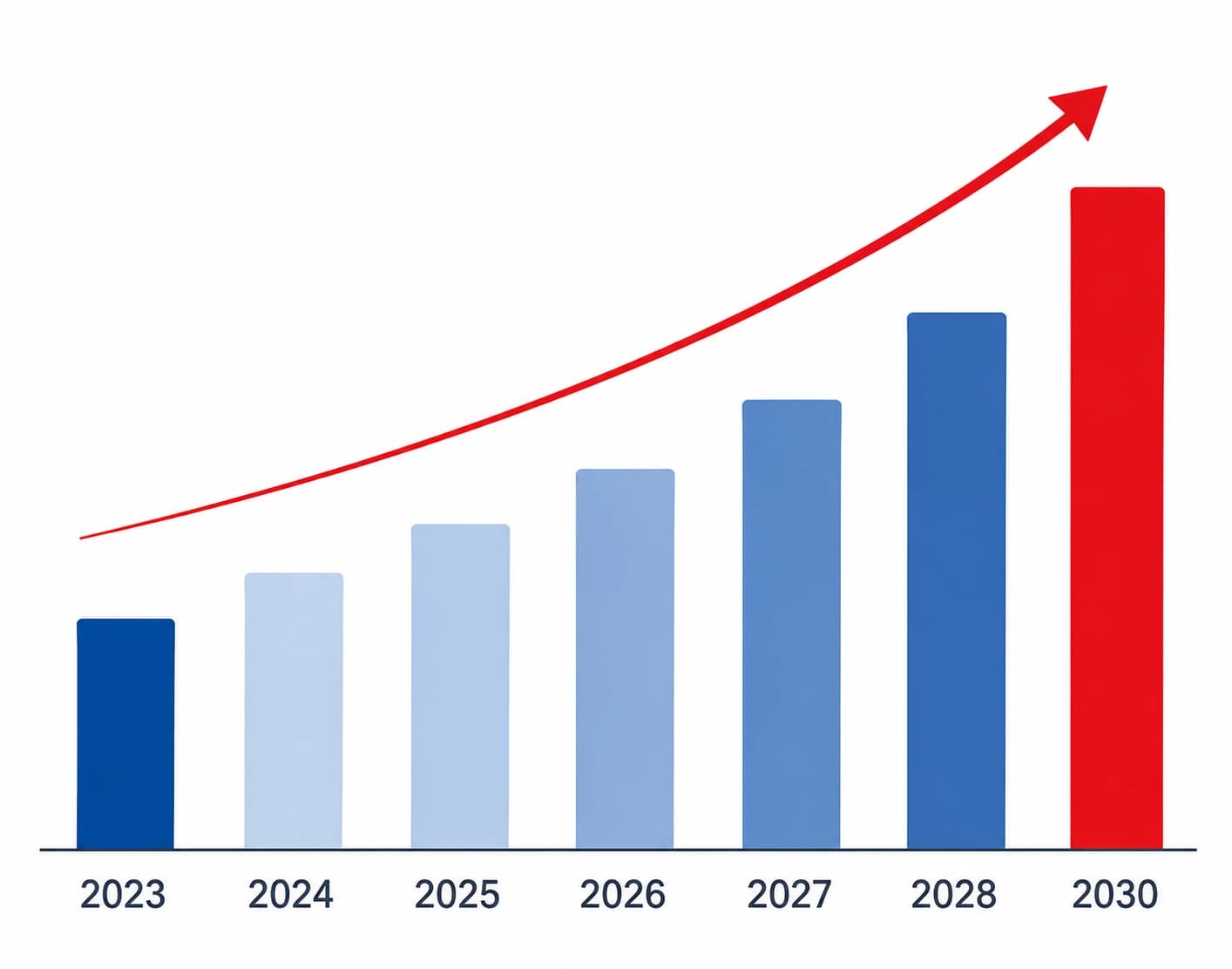
According to QYResearch, the global Press-Pack IGBT revenue increased from US$52.1 million in 2022 to US$117.6 million in 2025 and is expected to reach US$141.3 million in 2026 and US$321.1 million by 2032, representing a 2026–2032 CAGR of approximately 14.66%. The exceptionally high revenue of US$149.1 million in 2021, followed by a 65.1% decline in 2022, reflects the project-driven nature of the industry rather than a corresponding collapse in underlying end-market demand. Press-Pack IGBTs are generally procured in concentrated batches for individual HVDC converter valves, offshore transmission systems, STATCOM installations and large industrial converters, and device deliveries may occur well before project commissioning. Consequently, annual market results are strongly influenced by the timing of customer qualification, converter-valve production, project acceptance and spare-device procurement. After the 2022 trough, revenue recovered by 49.2% in 2023, 26.6% in 2024 and 19.6% in 2025, indicating that the industry has entered a new expansion cycle. Growth is expected to remain above 19% during 2026–2028 before moderating as the market becomes larger. The sector nevertheless remains relatively small in unit terms because each device carries a high value and serves specialized infrastructure rather than general-purpose power-electronics applications.
HVDC & FACTS represents the overwhelmingly dominant application, accounting for an estimated 92.59% of global Press-Pack IGBT revenue in 2025 and rising to 94.94% by 2032. The segment includes VSC-HVDC and MMC converter valves, offshore-wind transmission, cross-border interconnectors, city-centre infeeds, back-to-back frequency conversion, STATCOM and selected high-voltage DC circuit breakers. Hitachi Energy confirms that its HVDC Light platform uses IGBT/BiGT press-pack StakPak modules, including a 5.2 kV/2.0 kA reverse-conducting device developed for the Dogger Bank offshore-wind transmission system. Infineon similarly identifies IGBT press packs as a core device platform for high-power VSC-HVDC systems based on MMC topologies, while Toshiba highlights HVDC, active reactive-power compensation and medium-voltage inverters as principal Press-Pack IEGT applications. Industrial and medium-voltage drives account for a much smaller share, declining from 4.07% in 2025 to 2.73% in 2032 despite continued absolute growth. Relevant systems include mining hoists, compressors, pumps, rolling mills, marine propulsion and other multi-megawatt drives. Traction, electric vehicles and other applications decline from 3.34% to 2.33% of revenue; within this category, rail traction, railway power conversion, replacement devices and specialized heavy-duty systems are substantially more important than mainstream passenger electric vehicles, which predominantly use automotive-qualified isolated IGBT or SiC modules.
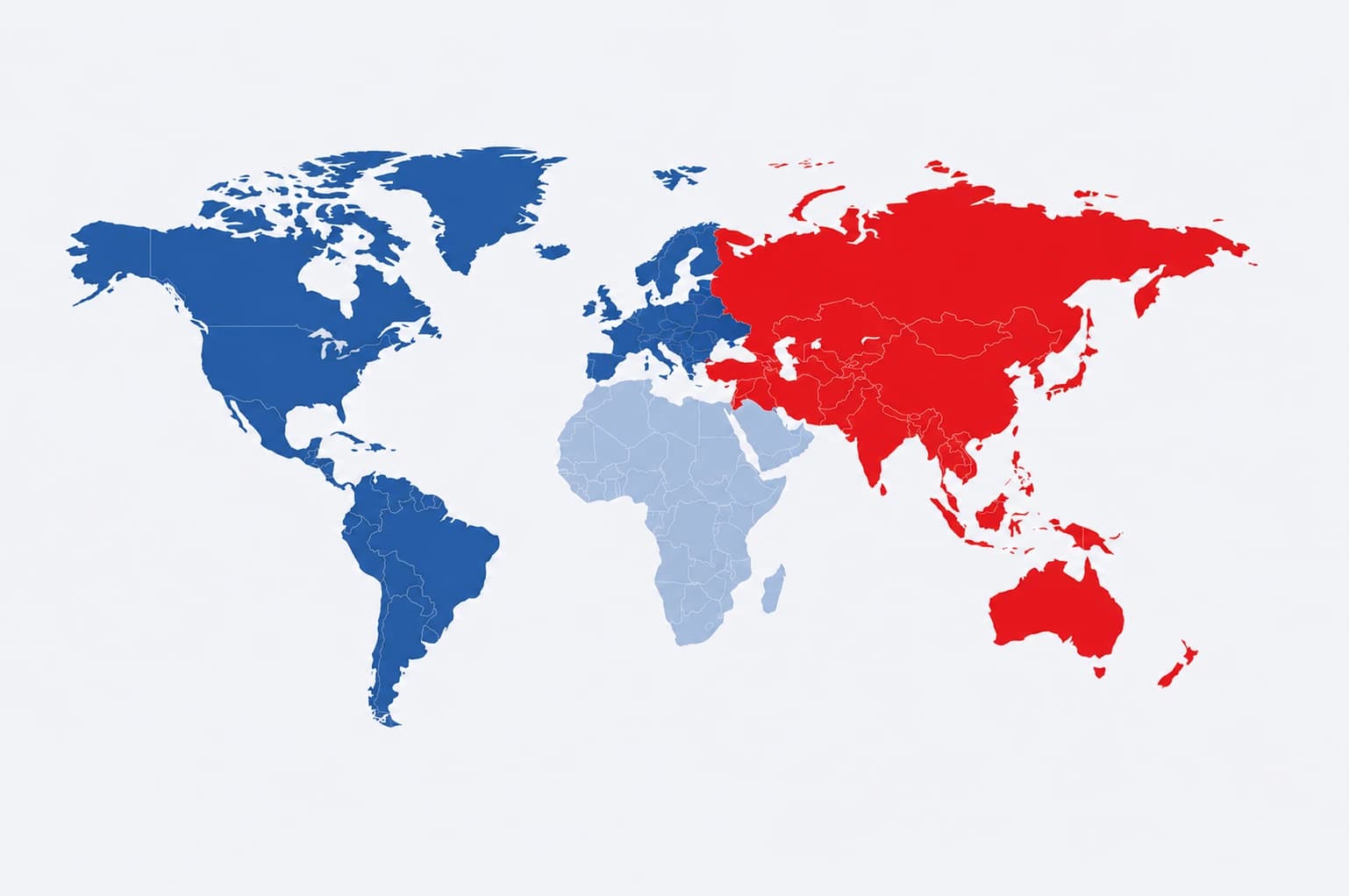
China is the largest demand market, accounting for an estimated 62.58% of global revenue in 2025 and approximately 63.41% in 2032. Its dominant position reflects large-scale flexible-HVDC investment, offshore-wind transmission, domestic converter-valve manufacturing and the localization of high-voltage power semiconductors. Europe is the second-largest market, with a projected share of 15.26% in 2032, supported by North Sea offshore-wind connections, German transmission corridors, UK offshore projects and cross-border interconnectors. North America is expected to maintain a share of approximately 9%, while Japan, South Korea, India and Southeast Asia remain smaller, project-specific markets. The competitive landscape is highly concentrated but undergoing structural change. Zhuzhou CRRC Times Semiconductor became the estimated market leader in 2025 with a 27.39% revenue share, followed by Littelfuse at 22.64%, Hitachi Energy at 19.22% and Toshiba at 11.94%. NARI Technology and Infineon increased their estimated shares to 8.77% and 8.18%, respectively, indicating the simultaneous rise of Chinese domestic substitution and a new major European entrant. The combined share of CRRC Times Semiconductor, NARI Technology and Beijing Xinchuang Chunshu Rectifier reached approximately 36.65% in 2025, while the Other category declined to only 0.45%. This concentration reflects demanding reliability qualification, proprietary package technology, long customer approval cycles and the close integration required between semiconductor suppliers and converter-valve manufacturers.
The principal industry trend is the increasing concentration of demand in high-voltage grid infrastructure, particularly offshore-wind HVDC, long-distance VSC transmission, STATCOM and other flexible-grid systems. The IEA expects global electricity consumption to continue expanding as industry, air conditioning, electric vehicles, heat pumps, artificial intelligence and other electricity-intensive technologies increase load, requiring substantial strengthening and expansion of transmission networks. Product development is moving toward higher blocking voltages, higher current ratings, reverse-conducting chip structures, lower losses and more compact converter valves. The 4.5 kV platform will remain the principal commercial standard, but 5.2 kV and 6.5 kV products are expected to gain share where reducing the number of series-connected devices, gate drivers and cooling positions provides significant system-level value. At the same time, Chinese suppliers will continue moving from engineering validation toward project-scale deployment, increasing pricing competition and second-source availability. The industry will remain subject to substantial annual volatility because HVDC projects require long development cycles and depend on the availability of cables, transformers and other grid equipment; the IEA reports that prices and procurement times for key transmission components have increased materially, potentially shifting semiconductor deliveries between forecast years. Overall, market growth will be driven by grid modernization, renewable-energy integration, offshore wind, higher transmission voltages, demand for compact and fault-tolerant converter systems, and the increasing strategic importance of secure high-power semiconductor supply chains.
This report provides a comprehensive view of the global market for Press Pack IGBTs, covering total sales volume, sales revenue, pricing, the market share and ranking of key companies, along with analyses by region & country, by VCES (Max), and by Application.
The Press Pack IGBTs market size, estimations, and forecasts are presented in terms of sales volume (Units) and revenue ($ millions), with 2025 as the base year and historical and forecast data from 2021 to 2032. The report combines quantitative and qualitative analysis to help readers develop growth strategies, assess the competitive landscape, evaluate their position in the current marketplace, and make informed business decisions regarding Press Pack IGBTs.
Chapter 1: Introduces the scope of the report and the global market size (value, volume, and price). It also summarizes market dynamics and Recent Developments; identifies key drivers and restraints; outlines challenges and risks for manufacturers; reviews relevant industry policies and U.S. tariff implications.
Chapter 2: Provides a detailed analysis of the Press Pack IGBTs manufacturers’ competitive landscape—including pricing, sales and revenue shares, Recent Developments plans, and mergers and acquisitions (M&A).
Chapter 3: Analyzes market classification, presenting the size and growth potential of each segment to help readers identify blue-ocean opportunities.
Chapter 4: Analyzes market segmentation by Application, presenting the size and growth potential of each downstream segment to help readers identify blue-ocean opportunities.
Chapter 5: Presents Press Pack IGBTs sales and revenue at the regional level. It offers a quantitative assessment of market size and growth potential by region and summarizes market development, future prospects, addressable space, and country-level market size worldwide.
Chapter 6: Presents Press Pack IGBTs sales and revenue at the country level. It provides segmented data by VCES (Max) and by Application for each country/region.
Chapter 7: Profiles key players, detailing the main companies’ product sales, revenue, pricing, gross margin, product portfolios, Recent Developments, etc.
Chapter 8: Analyzes the industry value chain, including upstream suppliers and downstream applications/customers.
- ★ What Is The Overall Market Size And Projected Growth Rate Across Global And Regional Segments?
- ★ How Does The Market Size And Growth Outlook Vary Across Major Countries?
- ★ Which Region Or Market Sub-Segment Is Anticipated To Dominate Growth During The Forecast Period?
- ★ What Are The Primary Factors Expected To Drive Market Expansion, And What Challenges May Restrain Growth?
- ★ Which Emerging Technologies And Market Trends Are Shaping The Future Landscape?
- ★ What Are The Most Significant Opportunities Available In The Market?
- ★ Who Are The Leading Manufacturers Actively Participating In The Global Market?
- ★ Which Company Currently Holds The Largest Share Of The Market?
- ★ What Are The Potential Growth Avenues For New Entrants In The Global Market?